
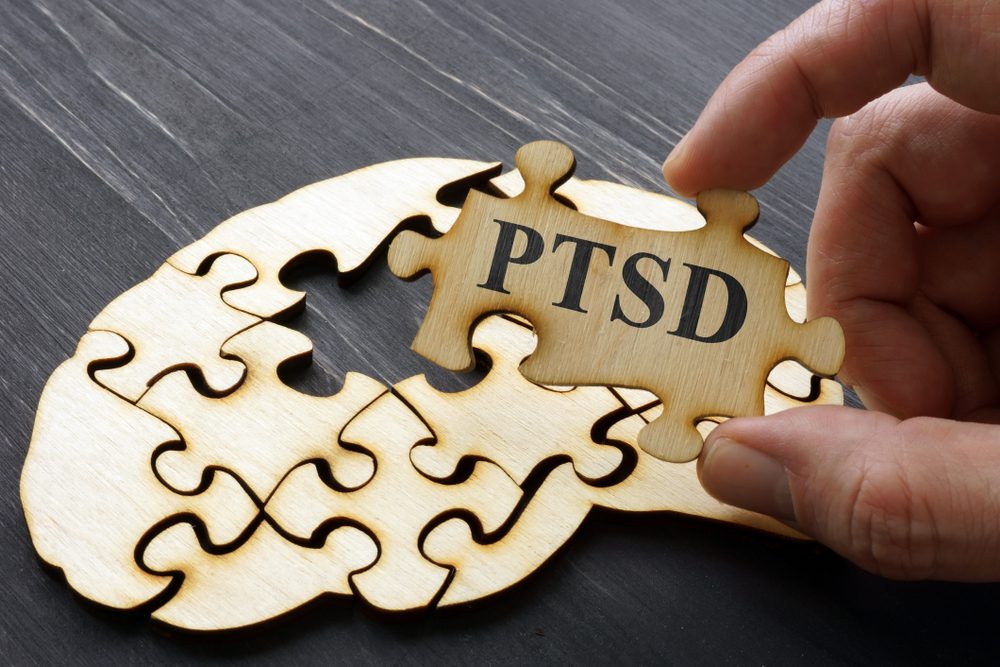
Let’s take a close look at how Seniors can manage PTSD!
Are you currently struggling with PTSD? At some points, it can start to feel like you’re suffocating. Learning how to begin coping with Post Traumatic Stress Disorder is vital. Otherwise, this condition could greatly influence your quality of life.
You may begin to feel like certain situations are out of your control. Most older individuals have undergone at least one traumatic event in their lifetime, and many show signs of PTSD if they know what to look for.
Trauma is unfortunately expected in our times, but experiencing a traumatic event doesn’t mean you have to be hopeless. With the help and support from others, PTSD is a manageable condition.
If you or a senior you care about has PTSD, you should understand the disorder, the signs to look for and symptoms, and how you can manage the challenges of this diagnosis. Let’s talk about 6 wise ways to handle PTSD.
…Continue reading to find some better ways of coping with PTSD.

Talk To A Therapist
This is probably the most worthy tip we can give you. PTSD is a severe mental health concern and can be hard to manage without getting some professional help. If you or a loved one start to show signs of PTSD, consider reaching out to a professional.
The treatment provides a safe and supportive environment for you to process the traumatic occasion, which is a vital step toward recovery. Your counselor can also help you find your triggers and discover ways to cope with them in order to live without fear or anxiety.
Just remember that recovery from PTSD takes time. But you don’t have to let your traumatic event dictate how you live your life. Awareness, compassion, and support can aid someone with PTSD to feel safe and loved after their experience.
Get An Emotional Support Animal
Animals have a unique way of bringing us emotional support when we need it most. Just having one around can ease our stress and anxiety. In fact, pets tend to have a calming presence that can be incredibly comforting for someone with PTSD.
Think about spending some time with a pet as a way of managing your PTSD symptoms. There are pets that are trained to recognize PTSD symptoms. They could help prevent and interrupt your symptoms from influencing your daily life.
Even just a week with a specially-trained dog could improve PTSD symptoms by over 80 percent. These trained dogs can help if you’re experiencing symptoms like night sweats, restlessness, and nightmares.
Learn To Predict Your Triggers
Learning your or your loved one’s triggers is a valuable way to manage PTSD in seniors. Often, cases that remind the person of the traumatic occasion will make them angry, anxious, depressed, or overwhelmed. PTSD triggers can sometimes be apparent.
For instance, if you were in a severe car accident, you might feel anxious or experience flashbacks while you’re in a car. But triggers aren’t always this clear. You or your loved one might feel triggered when you hear a song playing during a traumatic event.
It may take some time to pinpoint your loved one’s triggers, especially if they’re in cognitive decline and have difficulty explaining their experiences.
Triggers can be either external or internal experiences. Internal triggers are even more difficult for loved ones to identify. Here are some of the most common triggering events:
- Locations or situations similar to the trauma
- Feeling trapped or out of control
- Dates, seasons, or times of day that are related to the trauma
- Physical pain, hunger, sickness, or thirst
- Sounds, sights, or smells that are associated with the traumatic event
- Bodily sensations that recall the trauma
- Weather events
Avoiding all triggers isn’t always the finest way for seniors to manage PTSD because it could lead to isolation and loneliness. Instead, you should have a plan for how you will address triggers if you experience them.
You could plan to do a deep breathing exercise or step outside for some fresh air if you start feeling off. Everyone’s experiences are different, so it may take time to figure out what coping mechanism works best for you.
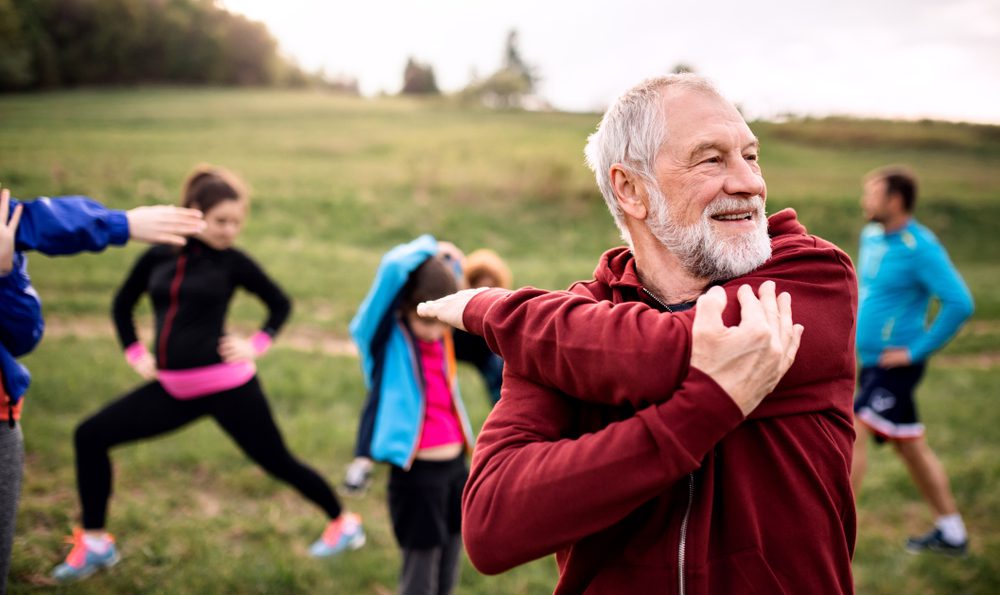
Exercise
Exercising can significantly benefit your body and mind. You can boost serotonin production while you’re at it as well. Serotonin is the neurotransmitter that’s responsible for stabilizing your mood and feelings of well-being.
It also plays a part in your eating, sleeping, and digestion. If your brain produces too little serotonin, it could lead to depression or anxiety. Instead, you can use exercise to boost your serotonin production. You might find coping with PTSD gets a little easier as a result.
Try to take a 10-minute walk per day. Stepping outside to get a little vitamin D from the sun’s rays could uplift your mood, as well. Experiment with various forms of exercise to see what works best for you.
For example, you can pick up: Walking, tennis, jogging, swimming, or dancing. Even a little yard work can help you work up a sweat! If you’re still struggling to manage your PTSD symptoms, try yoga as well. It can soothe the mind while strengthening the body.
It can also help with back pain relief, ease arthritis symptoms, benefit your heart health, boost your mental and physical energy levels, and brighten your mood, among many other benefits.
Try exercising with other people, too. Connecting with a community can help combat feelings of loneliness.
Be Conscious Of Any Co-Factors
Even though PTSD affects people of all ages, seniors might experience specific co-factors that greatly intensify the symptoms. One of the most common co-factors in seniors is dementia or Alzheimer’s.
Flashbacks and invasive thoughts are already disorienting enough, but cognitive decline can make these experiences even more complicated. Seniors who take prescription medications for other conditions might also be at advanced risk of severe PTSD symptoms.
Some medications can affect your mood, which could aggravate your PTSD. Suppose your loved one has PTSD alongside other health issues.
Research how those conditions may interact. Speak with a medical professional about the possible side effects of any medications they’re taking, and seek professional advice if you think a co-factor donates to poor mental health.

Think About Joining A Support Group
A support group can be a fantastic way for seniors to connect with other people who are going through a similar experience as them.
Social isolation and loneliness can deeply worsen any PTSD symptoms, and a support group can be a meaningful social outlet for those who suffer from this condition.
You can find support groups specifically for seniors, or you could search for groups that are geared toward the specific type of trauma you experienced.
For instance, many support groups exist for veterans, natural disaster survivors, assault survivors, and widows or widowers. Consider checking a few of them out.
We hope that some of our tips on coping with PTSD will help you out. The most important thing is to get help and not suffer through the trauma alone.
And if you found this article helpful, we’ve got many more like it. We recommend you also check out: Feeling Lonely? Here Are 8 Genius Ways to Combat Isolation in Retirement







Leave a Reply