Psychology Diary

The First Step Toward Change Is Awareness

  • Home
  • Relationships
  • Mental Health
  • Expert Tips
  • Life
  • Family
  • Marriage

6 Tips on How to Talk to Someone With Dementia

August 14, 2023 · Expert Tips
dementia communication
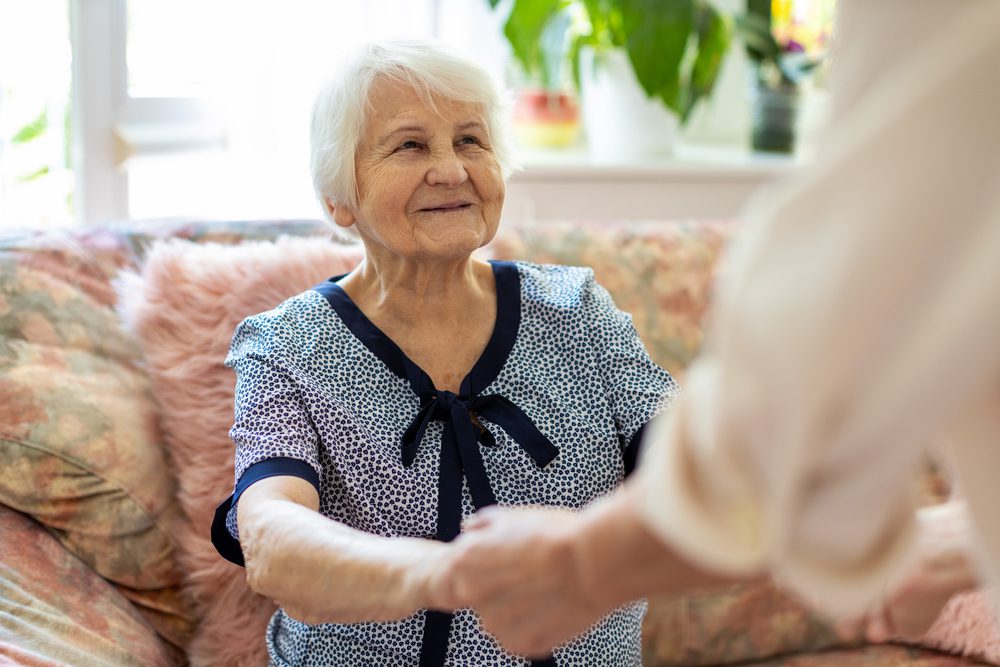
Photo by pikselstock from Shutterstock

How to communicate

When it comes to dementia communication, it’s important to use short, simple sentences. Communicate calmly and clearly, and don’t talk to the person as you would a kid—be patient and have respect for them.

Instead of asking question after question, which may feel quite intimidating and tiring, try to talk to the person in a conversational way. Include them in conversations with others. It’s important not to speak as if they’re not there.

Being included can help someone with dementia know they are valued and keep their sense of identity. It can also help them feel less isolated or excluded.

If the person becomes tired easily, go at a slightly slower pace than usual. As already stated, dementia communication is about patience, so engage in short, regular conversations if the person is struggling to follow you. Also, avoid raising your voice or speaking sharply.

Allow time between sentences so the person can process the information and respond at their own pace. These pauses may feel uncomfortable if they become quite long, but it’s important to give the person time to respond.

In dementia communication, it’s important to let the person finish their own sentences, so try to avoid assuming you know what they’re trying to say.


Pages: 1 2 3 4 5 6 7

Share this article

Facebook Twitter Pinterest LinkedIn Email

One response to “6 Tips on How to Talk to Someone With Dementia”

  1. Patricia says:
    January 22, 2024 at 11:54 pm

    I’ve got 2 neighbors who have dementia. Mel is verbal and John doesn’t know me. His wife is my best friend. I go over to see her a lot. I think he gets frustrated when we leave the room because she’ll tell me what is going on. Should we stay and talk later? My other neighbor doesn’t walk and her husband says she is total care now. It’s so sad because she is only 2 yrs older than me. Is there anything I should be doing for Mel?

    Reply

Leave a Reply Cancel reply

Your email address will not be published. Required fields are marked *

Search

Latest Posts

  • A person sits alone on a sofa at dusk, looking exhausted and leaning their head on their hand in a dimly lit, lived-in living room. 8 Signs You’re Emotionally Drained By Someone Close To You
  • Illustration of a person looking into a mirror, oblivious to the people around them who are fading into the background. 8 Keys to Recognizing the Faces of Egocentric Behavior
  • A mixed media collage of an anatomical heart being slowly stained by dark ink, symbolizing the corrosive nature of unspoken resentment. 7 Signs Someone Is Secretly Resentful Toward You
  • A mixed-media collage showing a human silhouette with a fractured internal wooden frame, representing the delicate architecture of trust. 8 Behaviors That Reveal Someone Has Deep Trust Issues
  • An elderly man sits alone at a kitchen table in soft afternoon light while his adult daughter watches from the doorway with concern. Why Some People Become More Difficult With Age—According to Psychologists
  • Conceptual paper-craft illustration of a brain with glowing neural pathways and botanical growth representing cognitive health. The Link Between Physical Activity and Mental Sharpness After 60
  • A senior woman in a sunlit room excitedly examines a green leaf through a magnifying glass, surrounded by plants and gardening tools. Why Seniors Who Stay Curious Live Longer—And How to Cultivate It
  • A man in his 60s working with clay in a pottery studio, symbolizing the transition from a career to a new personal purpose. How to Rebuild Your Identity and Purpose After You Stop Working
  • A single coffee mug on a wooden table next to an empty chair in a sunlit kitchen, representing the quiet of loss. How to Cope with Grief After Losing a Spouse in Retirement
  • An older woman in a knit sweater sits on a porch at dawn, holding a steaming mug and looking thoughtfully at a misty garden. The Power of Gratitude: How Seniors Can Use It to Live Happier Lives

Newsletter

Get the latest posts delivered to your inbox.

Related Articles

Single

10 Shocking Reasons Why You’re Still Single, According to Experts

Have you been single for a while now, and you’re wondering why? We need to…

Read More →

6 Signs You Have a Narcissistic Mother

4. They live for the drama Occasional disagreements are not a big deal, and all…

Read More →
talking to a narcissist

7 Ways to Keep Your Cool When Talking to a Narcissist

Talking to a narcissist isn’t easy, but you can make it through! Here’s how: Have…

Read More →
cope with holiday anxiety

9 Simple Ways to Cope With Holiday Anxiety Recommended by Therapists

These are the best ways to cope with holiday anxiety throughout the season: The jolly…

Read More →
natural remedies for anxiety emotional

8 Natural Remedies to Stop Anxiety

Did anyone say “natural remedies for anxiety”? When it comes to mental health, anxiety is…

Read More →
anger management

7 Signs You Have Anger Management Issues

#4 You Suffer From Depression and Anxiety Depression and anger often coexist. “Depression is anger…

Read More →
overthink

6 Telltale (But True) Signs You’re Overthinking Everything

Everyone is guilty of it. We all overthink different aspects of our lives from time…

Read More →
8 Simple Ways to Boost Your Mood Every Day After 60

8 Simple Ways to Boost Your Mood Every Day After 60

Discover 8 research-backed, simple ways to boost your mood and protect your mental health every…

Read More →
mental health

5 Common Causes of PTSD You Should Know

#3 Natural Disasters Natural calamities can result in the destruction of houses, neighborhoods, possessions, and…

Read More →

Psychology Diary

The First Step Toward Change Is Awareness

Inedit Agency S.R.L.
Bucharest, Romania

contact@psychologydiary.com

Explore

  • About Us
  • Advertiser Disclosure
  • Contact Us
  • Disclaimer
  • Do not sell my personal information
  • Editorial Policy
  • Frequently Asked Questions
  • Privacy Policy
  • Terms and Conditions
  • Subscribe
  • Unsubscribe

Categories

  • Expert Tips
  • Family
  • Life
  • Marriage
  • Mental Health

© 2026 Psychology Diary. All rights reserved.