Psychology Diary

The First Step Toward Change Is Awareness

  • Home
  • Relationships
  • Mental Health
  • Expert Tips
  • Life
  • Family
  • Marriage

Could You Have Depression or Schizophrenia? Learn The Signs HERE

March 29, 2023 · Expert Tips
psychiatrist, signs depression
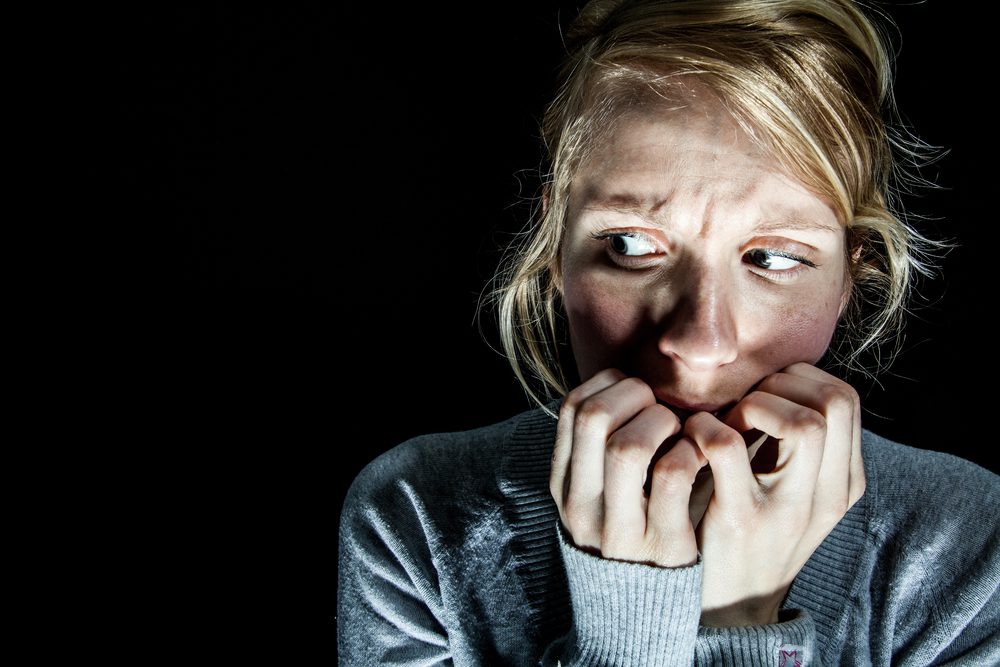
photo by Benoit Daoust from Shutterstock

Can someone have both schizophrenia and depression?

Schizophrenia and depression are both two complex mental health disorders that oftentimes occur at the same time. Some of the most recent research showed that depression is one of the top three common conditions in people who already have schizophrenia. If you think you’re experiencing symptoms of both depression and psychosis, then it could be one of these things:

  1. It could be schizophrenia with depressive symptoms or even an episode. As a matter of fact, up to 80% of people who suffer from schizophrenia have at least one depressive episode in some of the earliest stages of this disorder.
  2. It could be schizophrenia and a co-occurring depressive disorder, as up to 40% of patients with schizophrenia also suffer from a co-occurring depressive disorder.
  3. Some of the most difficult and negative symptoms of schizophrenia might look similar to depressive symptoms. In fact, it could be a bit hard to make the difference between negative symptoms of schizophrenia and depressive symptoms, as they’re not that different. Some experts out there would even suggest that occurring depressive symptoms should definitely be included in schizophrenia criteria.
  4. It could be the case of a schizoaffective disorder. What do we mean by that? Well, people who suffer from consistent symptoms of schizophrenia and a mood disorder at the same time might be eventually diagnosed with schizoaffective disorder.
  5. It could even be a psychotic depression. People with significant depression symptoms are at risk of developing psychotic symptoms, which could later look similar to the positive symptoms of schizophrenia.

It’s also worth noting that there’s a consistent difference between schizophrenia and psychosis. Even if psychosis is one of the most relevant features of schizophrenia, it might occur in other disorders as well.


Pages: 1 2 3 4 5 6 7 8

Share this article

Facebook Twitter Pinterest LinkedIn Email

Leave a Reply Cancel reply

Your email address will not be published. Required fields are marked *

Search

Latest Posts

  • A person sits alone on a sofa at dusk, looking exhausted and leaning their head on their hand in a dimly lit, lived-in living room. 8 Signs You’re Emotionally Drained By Someone Close To You
  • Illustration of a person looking into a mirror, oblivious to the people around them who are fading into the background. 8 Keys to Recognizing the Faces of Egocentric Behavior
  • A mixed media collage of an anatomical heart being slowly stained by dark ink, symbolizing the corrosive nature of unspoken resentment. 7 Signs Someone Is Secretly Resentful Toward You
  • A mixed-media collage showing a human silhouette with a fractured internal wooden frame, representing the delicate architecture of trust. 8 Behaviors That Reveal Someone Has Deep Trust Issues
  • An elderly man sits alone at a kitchen table in soft afternoon light while his adult daughter watches from the doorway with concern. Why Some People Become More Difficult With Age—According to Psychologists
  • Conceptual paper-craft illustration of a brain with glowing neural pathways and botanical growth representing cognitive health. The Link Between Physical Activity and Mental Sharpness After 60
  • A senior woman in a sunlit room excitedly examines a green leaf through a magnifying glass, surrounded by plants and gardening tools. Why Seniors Who Stay Curious Live Longer—And How to Cultivate It
  • A man in his 60s working with clay in a pottery studio, symbolizing the transition from a career to a new personal purpose. How to Rebuild Your Identity and Purpose After You Stop Working
  • A single coffee mug on a wooden table next to an empty chair in a sunlit kitchen, representing the quiet of loss. How to Cope with Grief After Losing a Spouse in Retirement
  • An older woman in a knit sweater sits on a porch at dawn, holding a steaming mug and looking thoughtfully at a misty garden. The Power of Gratitude: How Seniors Can Use It to Live Happier Lives

Newsletter

Get the latest posts delivered to your inbox.

Related Articles

Body Language

How to Read People and Decode 5 Body Language Cues

Face Unless you’ve mastered the poker face, your emotions tend to be etched on your…

Read More →

The 10 Best Motivational Books, According to Mental Health Experts

1. Atomic Habits by James Clear Written by one of the world’s top experts on…

Read More →
Cognitive

13 CRUCIAL Things to Know About Cognitive Behavioral Therapy, or CBT

CBT, short for cognitive behavioral therapy, is a type of psychotherapeutic treatment that’s meant to…

Read More →
grandparents

Top 9 Worst Mistakes Grandparents Make Without Realizing

1. Never post about your grandkids online without the permission of their parents If you…

Read More →
Divorce

Divorce: 12 Simple Reasons People Call It Quits

I think we’ve established already that break-ups are very hard, but what about divorce? Well,…

Read More →

Feeling Lonely: 5 Best Things To Say To Someone Experiencing This

Do you know someone who is feeling way too lonely? Being alone can be very…

Read More →
overthink

6 Telltale (But True) Signs You’re Overthinking Everything

Everyone is guilty of it. We all overthink different aspects of our lives from time…

Read More →
memory

Forgot Something? Don’t Worry – These 7 Memory Problems Are Normal

Sometimes, we all forget things. Maybe you need to find your keys or remember the…

Read More →
Older man and doctor discuss symptoms during a check-up.

Early-Stage Dementia vs. Normal Aging: A Detailed Symptom Checklist

Understanding the Aging Brain: What’s Normal? As we age, our brains undergo changes, just like…

Read More →

Psychology Diary

The First Step Toward Change Is Awareness

Inedit Agency S.R.L.
Bucharest, Romania

contact@psychologydiary.com

Explore

  • About Us
  • Advertiser Disclosure
  • Contact Us
  • Disclaimer
  • Do not sell my personal information
  • Editorial Policy
  • Frequently Asked Questions
  • Privacy Policy
  • Terms and Conditions
  • Subscribe
  • Unsubscribe

Categories

  • Expert Tips
  • Family
  • Life
  • Marriage
  • Mental Health

© 2026 Psychology Diary. All rights reserved.