Psychology Diary

The First Step Toward Change Is Awareness

  • Home
  • Relationships
  • Mental Health
  • Expert Tips
  • Life
  • Family
  • Marriage

How to Support a Partner or Friend Experiencing a Mental Health Crisis

August 31, 2025 · Mental Health

Older couple washing dishes together in a kitchen.

The Long Haul: Ongoing Support and Realistic Expectations

A mental health crisis is an acute event, but recovery is often a long-term process with ups and downs. Supporting someone isn’t just about the crisis moment; it’s about being a consistent, gentle presence during their healing journey.

It’s vital to have realistic expectations. There is no magic bullet. Progress will likely be non-linear. There will be good days and bad days. Your role is to celebrate the small wins and offer encouragement during the setbacks.

Behavioral Activation: The Power of Small Steps

When someone is depressed, their world can shrink. They lose interest in activities and withdraw, which in turn deepens the depression. Behavioral activation is a technique from CBT that works to reverse this cycle by scheduling small, manageable activities, regardless of motivation.

You can help them create a simple daily plan. The goal is not to be overly ambitious but to build momentum. The focus is on the *action*, not the feeling.

Mini-Example of a Simple Activation Schedule:

9:00 AM: Get out of bed and drink one glass of water.

10:00 AM: Sit outside in the sun for 10 minutes.

1:00 PM: Eat a small meal (even if it’s just a piece of toast and an apple).

4:00 PM: Listen to one favorite song all the way through.

8:00 PM: Change into pajamas.

These tiny, concrete actions can be the first steps toward reclaiming a sense of agency and routine.

Supporting Healthy Routines

Lifestyle factors play a significant role in mental well-being. You can gently support healthy habits without being a drill sergeant.

Movement: Instead of saying “You need to exercise,” try “Would you like to go for a short, slow walk around the block with me?”

Nutrition: Offer to bring over a simple, nutritious meal or help them with grocery shopping.

Sleep: Help them create a simple wind-down routine, like dimming the lights an hour before bed and avoiding screens. The CDC offers great basic tips on sleep hygiene.

Social Connection: Even small doses of connection matter. Offer to just sit with them and watch a movie, no pressure to talk. Your quiet company can be a powerful antidote to isolation.

Checking In Without Prying

Let them know you’re thinking of them with simple, low-pressure texts. Instead of “How are you?” which can feel like a huge question, try more specific, gentle check-ins.

“Thinking of you today.”

“I saw a dog that reminded me of yours and it made me smile. Hope you’re having an okay day.”

This shows you care without demanding an emotional report from them.

Pages: 1 2 3 4 5 6 7 8 9 10 11

Share this article

Facebook Twitter Pinterest LinkedIn Email

Leave a Reply Cancel reply

Your email address will not be published. Required fields are marked *

Search

Latest Posts

  • A person sits alone on a sofa at dusk, looking exhausted and leaning their head on their hand in a dimly lit, lived-in living room. 8 Signs You’re Emotionally Drained By Someone Close To You
  • Illustration of a person looking into a mirror, oblivious to the people around them who are fading into the background. 8 Keys to Recognizing the Faces of Egocentric Behavior
  • A mixed media collage of an anatomical heart being slowly stained by dark ink, symbolizing the corrosive nature of unspoken resentment. 7 Signs Someone Is Secretly Resentful Toward You
  • A mixed-media collage showing a human silhouette with a fractured internal wooden frame, representing the delicate architecture of trust. 8 Behaviors That Reveal Someone Has Deep Trust Issues
  • An elderly man sits alone at a kitchen table in soft afternoon light while his adult daughter watches from the doorway with concern. Why Some People Become More Difficult With Age—According to Psychologists
  • Conceptual paper-craft illustration of a brain with glowing neural pathways and botanical growth representing cognitive health. The Link Between Physical Activity and Mental Sharpness After 60
  • A senior woman in a sunlit room excitedly examines a green leaf through a magnifying glass, surrounded by plants and gardening tools. Why Seniors Who Stay Curious Live Longer—And How to Cultivate It
  • A man in his 60s working with clay in a pottery studio, symbolizing the transition from a career to a new personal purpose. How to Rebuild Your Identity and Purpose After You Stop Working
  • A single coffee mug on a wooden table next to an empty chair in a sunlit kitchen, representing the quiet of loss. How to Cope with Grief After Losing a Spouse in Retirement
  • An older woman in a knit sweater sits on a porch at dawn, holding a steaming mug and looking thoughtfully at a misty garden. The Power of Gratitude: How Seniors Can Use It to Live Happier Lives

Newsletter

Get the latest posts delivered to your inbox.

Related Articles

Misdiagnosed Mental Illnesses: 4 Shocking Ones Commonly Overlooked

Depression in Men We all know that one of the main symptoms of depression is…

Read More →
triggers

13 Dangerous Psychological Triggers and How to Overcome Them

Triggers are natural sensory reminders that might cause painful memories or some symptoms to resurface.…

Read More →
Negative Body Language

8 Ways Negative Body Language Is Damaging Your Self-Confidence

Do you have negative body language? Have you ever walked into a room and instantly…

Read More →
Woman meditating peacefully in a sunlit room.

The Power of Forgiveness: How Letting Go Can Improve Your Mental Health

Special Considerations for Older Adults and Caregivers The journey of forgiveness can take on unique…

Read More →

Watch Out: 5 Bipolar Disorder Signs

How to Spot Bipolar Disorder — 5 Subtle Signs You Should Look Out For! Did…

Read More →
Mental Health Disorder

4 Scary Mental Health Disorders Doctors Sometimes Misdiagnose

What Are The Most Commonly MIS-Diagnosed Mental Health Disorders? Until fairly recently, those who were…

Read More →
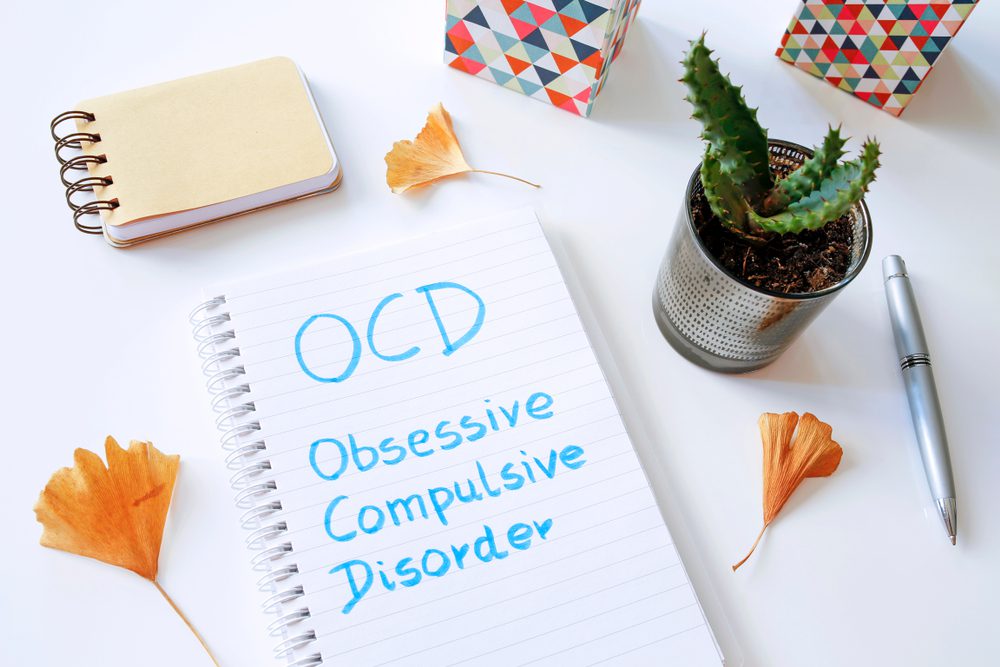
OCD

Could It Be OCD? These 9 Interesting Facts Will Surprise You

…Have you ever heard about obsessive-compulsive disorder, also simply known as OCD? You’ve surely met…

Read More →
morning depression

Do You Have Morning Depression? Here Are 8 Effective Ways to Combat It

Are you dealing with morning depression? While everybody is different, depression is something very serious…

Read More →
anxiety

7 Effective Ways to Reduce Anxiety

#6 Spend Some Time in Nature The majority of us instinctively feel calmer and less…

Read More →

Psychology Diary

The First Step Toward Change Is Awareness

Inedit Agency S.R.L.
Bucharest, Romania

contact@psychologydiary.com

Explore

  • About Us
  • Advertiser Disclosure
  • Contact Us
  • Disclaimer
  • Do not sell my personal information
  • Editorial Policy
  • Frequently Asked Questions
  • Privacy Policy
  • Terms and Conditions
  • Subscribe
  • Unsubscribe

Categories

  • Expert Tips
  • Family
  • Life
  • Marriage
  • Mental Health

© 2026 Psychology Diary. All rights reserved.