

Are you struggling with nightmares?
Scary dreams, also known as nightmares, are anxiety-inducing, and most of the time those who have them can’t sleep well, and the number of candles on your birthday cake doesn’t matter. 10 years old or 70 nightmares are scary, and you should learn how to take care of this.
But what is a nightmare? The standard definition says that a nightmare is a dream that is both emotionally and physically distressing, and it can easily disrupt your sleep and also your day-to-day life when you are awake.
Have you ever wondered why nightmares appear or how to make them go away? In this article, you’ll find out all the answers to any nightmare-related questions. So, keep reading and learn how to get a restful sleep.
Understanding why nightmares appear
Ok, before finding out how to stop nightmares, it would be a good idea to know what causes them, right? Surprising or not, they are a complex phenomenon that can have a multitude of causes, from anxiety to stress, trauma, or an irregular sleep schedule. Also, substance use or drinking alcohol before going to bed can cause bad dreams.
If you have nightmares from time to time, this might not be a big thing for you because this is not disruptive at all, but the problems appear when you have recurring nightmares or frequent ones. When this happens, you will feel more tired during the day and also more anxious. Your ability to concentrate will be impaired, and you will also be more irritable.
Why is this happening? The answer is simple: nightmares trigger your fight or flight response, and your body and mind will react to that, leading to the effects we listed previously.
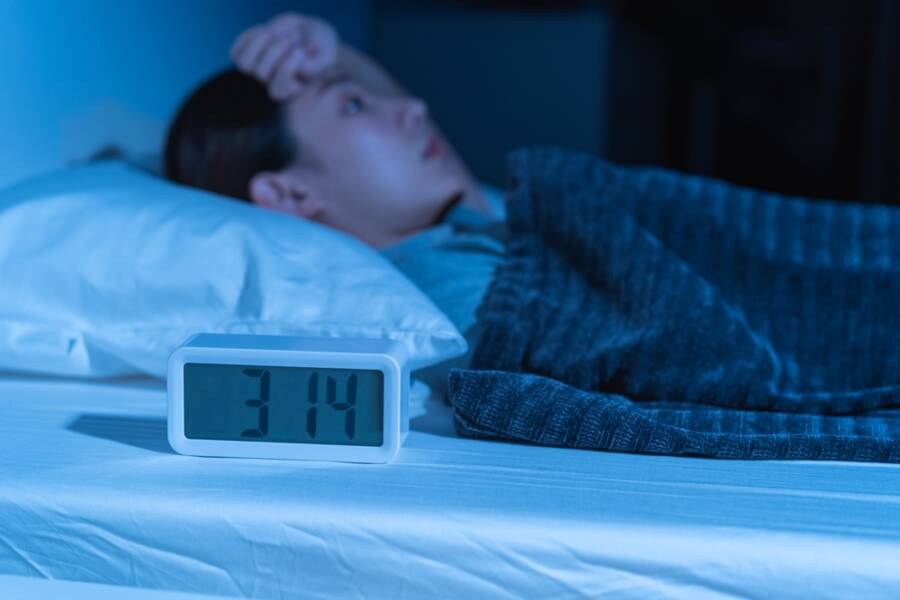
1. Manage your stress and anxiety levels
Yes, it’s essential to find out how to create a balance in your life and discover the best way to manage your stress levels. This is probably the main cause of nightmares for the general population, and learning how to take care of this can lead to great results.
So, a great strategy would be to find out what are the most relaxing activities for you. Yoga, nature walks, meditation, breathwork, journaling, etc. are all amazing options, but you need to discover the ones that work for you.
Practicing these activities should decrease your anxiety levels and, in the end, help you eliminate nightmares. When you’ll feel less stressed, you will notice that bad dreams are no longer part of your routine.
If you are going through a stressful period, try to talk with someone you are close to or try to find a therapist. Never suppress your thoughts because this is one of the main causes of nightmares. Those thoughts and emotions will manifest in your dreams, so be careful!
2. What are your triggers?
Another thing you should be aware of is that if you want to prevent nightmares and have restful sleep, you should understand what is causing them in the first place. Most of the time there is something there that triggers them, and if you manage to find out what that is, you can say that you almost solved the problem.
One of the most efficient strategies to do that is to keep a sleep journal. Try to write down your nightmares, and after you have enough data, you can analyze it and see if there are any patterns or recurring themes. This will help you identify triggers and see if there are any real-life issues you should address.
Keep in mind that dreams tend to fade quickly, so this journaling session would take place first thing in the morning or whenever you are woken up by a nightmare. Try to write down all of the details you can remember.
Also, try to think about past trauma and see if it can be the culprit that keeps causing you nightmares. Even more, in case you are taking any medication, see if nightmares are on the side effect list and talk with your doctor.
3. Healthy sleep habits
More healthy sleep habits mean fewer nightmares. We make a lot of mistakes before bedtime, and most of the time we are not even aware of them. It’s finally time to learn more about that and discover how to create the perfect conditions to have a good and restful sleep.
First of all, you should try to avoid caffeine and alcohol. They are stimulants, and you can follow a simple rule: no coffee after 2 p.m. and no alcohol before bedtime. If you respect this, you should be fine, and your sleep should not be affected by these substances.
This one is a classic already, but do your best and avoid blue light before going to sleep. This means no electronic devices like a phone or TV for at least 30 minutes before going to sleep.
Why? This type of light can interfere with melatonin production and decrease the sleep quality and also the duration of your sleep. Try to keep your phone away before going to bed.
Also, regular exercise can improve sleep quality and reduce sleep disorders. Now, you don’t need to become a fitness legend. Even 30 minutes of walking per day should do the trick.

4. Create a bedtime routine
We know that establishing a new routine is not an easy thing, but this is probably one of the greatest methods to try if you want to have fewer nightmares. You can start this journey by having a consistent sleep-wake schedule. This means you should go to bed and wake up at the same hours every day. Yes, during the weekends too!
Then, you should keep the lights from your bedroom low, as this creates a relaxing and welcoming environment. Dark and quiet is the best way to promote sleep, and you should try to make your bedroom able to offer you these conditions.
Also, be careful about what you are eating before going to bed. Avoid spicy foods because they are known for disrupting digestion, and this can cause trouble during the night.
If you feel stressed before going to sleep, one solution to avoid nightmares and get a better sleep would be to try breathing exercises. Progressive muscular relaxation and diaphragmatic breathing are excellent starting points. It is also recommended to stimulate your senses with relaxing noises and fragrances. They can truly help if you find something that fits you.
Being jolted awake by a nightmare is a scary experience. But stay calm because there are a couple of techniques that are meant to help you regain control.
Reality testing. This approach supports you in determining if what you observe or dread is based on objective reality or has been impacted by what you saw or experienced in your dream.
Try to grab something cold. Yes! This is a good strategy because it will instantly make the fear go away. Grab some ice, such as ice cubes or an ice pack. If you want to go the full way, you can try a cold shower.
If you want to learn more about nightmares, this book might be a great choice: The Nocturnal Brain: Tales of Nightmares and Neuroscience
You should also read: Why Do Men Become Cranky as They Age? 9 Psychological Reasons









Leave a Reply