Psychology Diary

The First Step Toward Change Is Awareness

  • Home
  • Relationships
  • Mental Health
  • Expert Tips
  • Life
  • Family
  • Marriage

The 5 Love Languages: How to Understand Your Partner Better After Decades Together

August 31, 2025 · Marriage

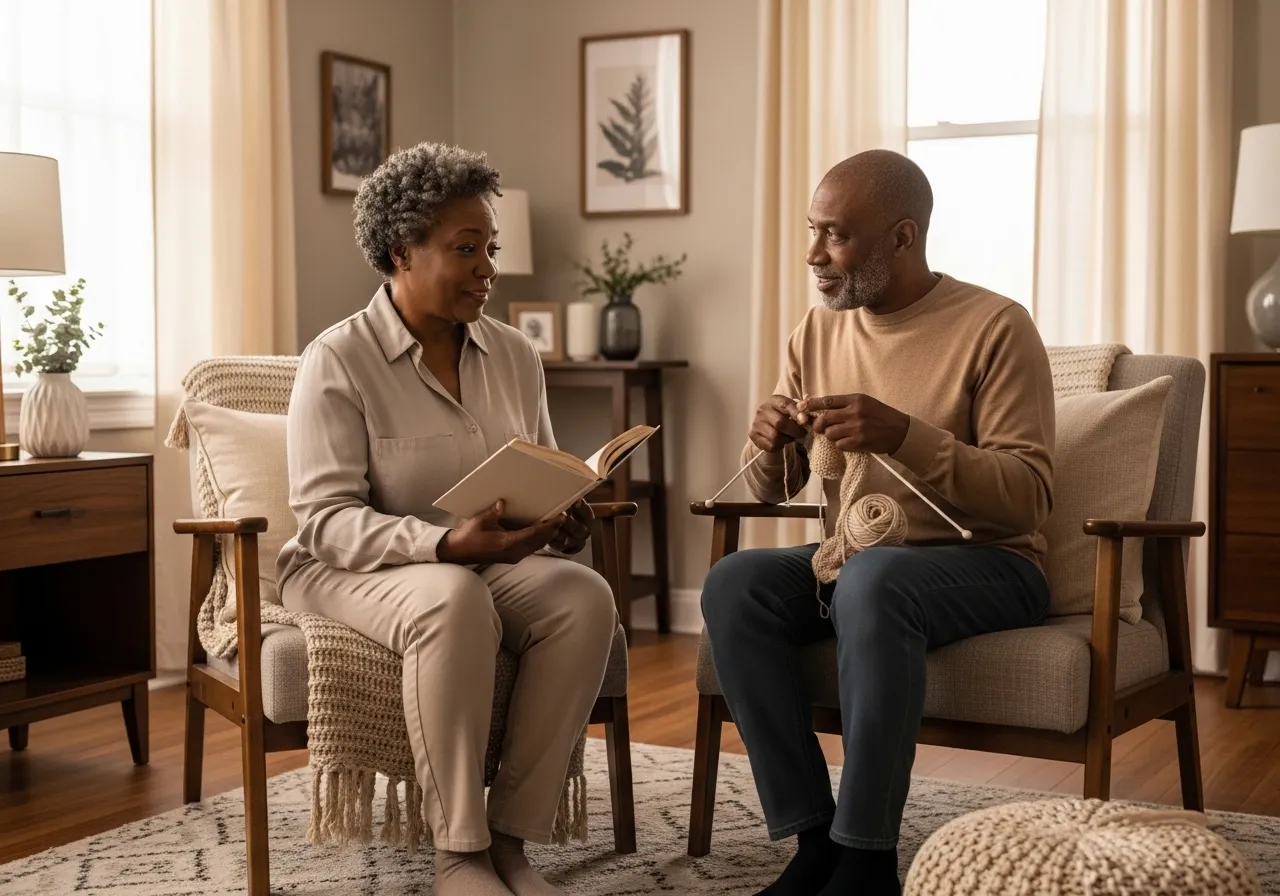
Older woman reading to her partner who's knitting in living room

Frequently Asked Questions about Love Languages

It’s natural to have questions as you begin to apply this framework to your own life. Here are answers to a few common queries.

What if my partner and I have completely different love languages?

This is very common and not a problem at all! In fact, it’s the entire point of learning the framework. The goal isn’t to have matching languages; it’s to become bilingual in love. If your language is Words of Affirmation and your partner’s is Acts of Service, it means you must make a conscious effort to praise them, and they must make a conscious effort to help you with tasks. It feels more intentional and can be even more meaningful because it requires stepping outside your comfort zone for the sake of your partner.

Can a person’s love language change over time?

Absolutely. As discussed earlier, major life events—retirement, illness, grief, a new chapter in life—can shift our priorities and emotional needs. That’s why it’s so important to see this as an ongoing conversation, not a one-time diagnosis. The partner who once needed Acts of Service above all else might, after retiring, crave Quality Time more than anything. Checking in periodically is a sign of a healthy, evolving relationship.

Is this concept scientifically proven?

The 5 Love Languages is a framework that emerged from Dr. Chapman’s decades of clinical observation in marriage counseling. It is best understood as a helpful model for communication rather than a rigorously tested scientific theory. There is not a large body of peer-reviewed research validating it as a psychological construct. However, its enduring popularity speaks to its practical usefulness. Many couples find it provides a simple, accessible vocabulary to talk about complex emotional needs. For more on the broader science of connection, you can find overviews on relationship psychology from the American Psychological Association (APA).


Pages: 1 2 3 4 5 6 7 8

Share this article

Facebook Twitter Pinterest LinkedIn Email

Leave a Reply Cancel reply

Your email address will not be published. Required fields are marked *

Search

Latest Posts

  • A person sits alone on a sofa at dusk, looking exhausted and leaning their head on their hand in a dimly lit, lived-in living room. 8 Signs You’re Emotionally Drained By Someone Close To You
  • Illustration of a person looking into a mirror, oblivious to the people around them who are fading into the background. 8 Keys to Recognizing the Faces of Egocentric Behavior
  • A mixed media collage of an anatomical heart being slowly stained by dark ink, symbolizing the corrosive nature of unspoken resentment. 7 Signs Someone Is Secretly Resentful Toward You
  • A mixed-media collage showing a human silhouette with a fractured internal wooden frame, representing the delicate architecture of trust. 8 Behaviors That Reveal Someone Has Deep Trust Issues
  • An elderly man sits alone at a kitchen table in soft afternoon light while his adult daughter watches from the doorway with concern. Why Some People Become More Difficult With Age—According to Psychologists
  • Conceptual paper-craft illustration of a brain with glowing neural pathways and botanical growth representing cognitive health. The Link Between Physical Activity and Mental Sharpness After 60
  • A senior woman in a sunlit room excitedly examines a green leaf through a magnifying glass, surrounded by plants and gardening tools. Why Seniors Who Stay Curious Live Longer—And How to Cultivate It
  • A man in his 60s working with clay in a pottery studio, symbolizing the transition from a career to a new personal purpose. How to Rebuild Your Identity and Purpose After You Stop Working
  • A single coffee mug on a wooden table next to an empty chair in a sunlit kitchen, representing the quiet of loss. How to Cope with Grief After Losing a Spouse in Retirement
  • An older woman in a knit sweater sits on a porch at dawn, holding a steaming mug and looking thoughtfully at a misty garden. The Power of Gratitude: How Seniors Can Use It to Live Happier Lives

Newsletter

Get the latest posts delivered to your inbox.

Related Articles

Divorce

Divorce: 12 Simple Reasons People Call It Quits

I think we’ve established already that break-ups are very hard, but what about divorce? Well,…

Read More →

Is Your Spouse a Cheater? 12 Red Flags You Shouldn’t Ignore

While we can’t deny that Americans are divided in many ways, there’s definitely one value…

Read More →
marriage won't last

10 Signs Your Marriage Won’t Last for Another Year

You don’t laugh together anymore. Can I get a Hallelujah? I can’t emphasize this enough:…

Read More →
senior woman

Life as a Widow: 7 Hard Things I Learned in My First Year

These are the things I learned in my first year of being a widow. One…

Read More →

10 Things That Usually Change After Getting Married

Marriage is a big step and a new chapter in each person’s life. There will…

Read More →
marriage

13 Myths About Marriage That No One Should Believe

Saying ‘I do’ is not a beautiful end, like you see in movies where they…

Read More →
Divorce

Headed Towards a Divorce? Here Are 14 Surprising Factors That Increase Your Risk

Could you be heading toward a divorce? Let’s look at the signs! The reasons people…

Read More →
holiday

17 Disagreements Even Happy Couples Have During The Holidays

During the holidays, everyone wants to spend time with their families and loved ones, exchange…

Read More →
Woman looking at photos in a sunlit room.

Coping with Grief: Healthy Ways to Navigate the Loss of a Spouse

When Grief Becomes Complicated: Knowing When to Seek Professional Support For most people, the intense,…

Read More →

Psychology Diary

The First Step Toward Change Is Awareness

Inedit Agency S.R.L.
Bucharest, Romania

contact@psychologydiary.com

Explore

  • About Us
  • Advertiser Disclosure
  • Contact Us
  • Disclaimer
  • Do not sell my personal information
  • Editorial Policy
  • Frequently Asked Questions
  • Privacy Policy
  • Terms and Conditions
  • Subscribe
  • Unsubscribe

Categories

  • Expert Tips
  • Family
  • Life
  • Marriage
  • Mental Health

© 2026 Psychology Diary. All rights reserved.