Psychology Diary

The First Step Toward Change Is Awareness

  • Home
  • Relationships
  • Mental Health
  • Expert Tips
  • Life
  • Family
  • Marriage

Understanding Common Mental Health Challenges in Older Adults

August 31, 2025 · Mental Health

Senior woman talks to her doctor about her mental health, using notes.

How to Talk to Your Doctor About Your Mental Health

For many, bringing up mental health with a primary care physician (PCP) can feel daunting. You might worry about being dismissed, judged, or immediately put on medication. But your PCP can be your greatest ally and is the best starting point for getting help. They can rule out physical causes and provide a referral to a mental health specialist.

Preparation is key. Going into your appointment with clear information helps your doctor understand the full picture.

What to Write Down Before Your Appointment:

1. Your Symptoms: Don’t just say “I feel down.” Be specific. For a week before your visit, jot down notes. How has your sleep been? What about your appetite? Have you lost interest in things? Are you having physical pains? Are you worrying constantly?

2. When It Started and How It Affects You: Did these feelings start after a specific event, like a health diagnosis or the loss of a loved one? How is it impacting your daily life? For example: “For the past two months, I’ve had no energy to cook, and I’ve been avoiding calls from friends.”

3. A List of All Medications: Include all prescriptions, over-the-counter drugs, vitamins, and herbal supplements. The combination and dosage can sometimes cause mood-related side effects.

4. Your Questions: Write down what you want to know. It’s easy to forget in the moment. Good questions include:

“Could one of my medical conditions or medications be causing these feelings?”

“What are my options for treatment besides medication, like therapy?”

“Can you give me a referral to a geriatric psychiatrist or a therapist who specializes in working with older adults?”

How to Start the Conversation

You don’t need a perfect opening. You can be direct. Try one of these conversation starters:

“I’d like to talk about my mental health today. I haven’t been feeling like myself lately.”

“I’ve been feeling constantly worried and it’s affecting my sleep. I need some help.”

“In addition to my physical health, I’m concerned about my mood. I’ve lost interest in everything.”

Remember, your doctor has these conversations every day. Mental health is health. By speaking up, you are taking a courageous and vital step toward feeling better.


Pages: 1 2 3 4 5 6 7 8 9 10

Share this article

Facebook Twitter Pinterest LinkedIn Email

Leave a Reply Cancel reply

Your email address will not be published. Required fields are marked *

Search

Latest Posts

  • A person sits alone on a sofa at dusk, looking exhausted and leaning their head on their hand in a dimly lit, lived-in living room. 8 Signs You’re Emotionally Drained By Someone Close To You
  • Illustration of a person looking into a mirror, oblivious to the people around them who are fading into the background. 8 Keys to Recognizing the Faces of Egocentric Behavior
  • A mixed media collage of an anatomical heart being slowly stained by dark ink, symbolizing the corrosive nature of unspoken resentment. 7 Signs Someone Is Secretly Resentful Toward You
  • A mixed-media collage showing a human silhouette with a fractured internal wooden frame, representing the delicate architecture of trust. 8 Behaviors That Reveal Someone Has Deep Trust Issues
  • An elderly man sits alone at a kitchen table in soft afternoon light while his adult daughter watches from the doorway with concern. Why Some People Become More Difficult With Age—According to Psychologists
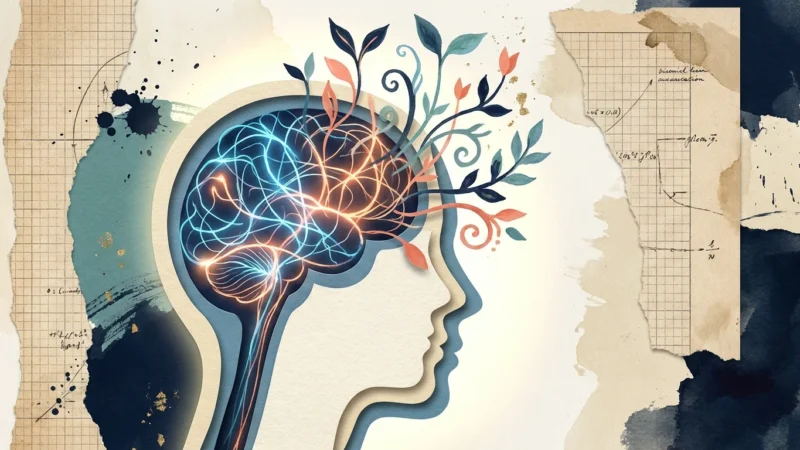
  • Conceptual paper-craft illustration of a brain with glowing neural pathways and botanical growth representing cognitive health. The Link Between Physical Activity and Mental Sharpness After 60
  • A senior woman in a sunlit room excitedly examines a green leaf through a magnifying glass, surrounded by plants and gardening tools. Why Seniors Who Stay Curious Live Longer—And How to Cultivate It
  • A man in his 60s working with clay in a pottery studio, symbolizing the transition from a career to a new personal purpose. How to Rebuild Your Identity and Purpose After You Stop Working
  • A single coffee mug on a wooden table next to an empty chair in a sunlit kitchen, representing the quiet of loss. How to Cope with Grief After Losing a Spouse in Retirement
  • An older woman in a knit sweater sits on a porch at dawn, holding a steaming mug and looking thoughtfully at a misty garden. The Power of Gratitude: How Seniors Can Use It to Live Happier Lives

Newsletter

Get the latest posts delivered to your inbox.

Related Articles

Social Anxiety

7 Senior Social Anxiety Symptoms and 8 Effortless Ways You Can Cope

Could you or a person you love be suffering from senior social anxiety? Senior social…

Read More →
brain

10 Strategies To Fight Brain Aging and Boost Your Cognitive Health

So you’ve noticed some changes in your memory and thinking. Perhaps you often misplace your…

Read More →
Bipolar Disorder

9 Warning Signs of Bipolar Disorder in Seniors

6. Talking too fast, unable to be understood easily As I mentioned, there is a…

Read More →
Narcissist psychopaths

Psychopaths Do These 9 Things

We can all agree that psychopathy is a widely debated topic as far as psychology…

Read More →
high-level thinker

Are You a High-Level Thinker? Read What Psychologists Say

How can you tell if you are a high-level thinker?  When you say “high-level thinker,”…

Read More →
Mental Health Disorder

4 Scary Mental Health Disorders Doctors Sometimes Misdiagnose

What Are The Most Commonly MIS-Diagnosed Mental Health Disorders? Until fairly recently, those who were…

Read More →
A senior woman in a sunlit room excitedly examines a green leaf through a magnifying glass, surrounded by plants and gardening tools.

Why Seniors Who Stay Curious Live Longer—And How to Cultivate It

Discover the psychological and neurological reasons why staying curious helps older adults live longer, along…

Read More →
Social media is harming your mental health

5 Signs Social Media is Harming Your Mental Health

Social media is harming your mental health more than anything else! See how you can…

Read More →
toxic self relationship and self love, taking to a narcissist, midlife crisis

5 Clear Indicators of Toxic Self-Relationship

How toxic are you being with yourself? I hope you know that more important than…

Read More →

Psychology Diary

The First Step Toward Change Is Awareness

Inedit Agency S.R.L.
Bucharest, Romania

contact@psychologydiary.com

Explore

  • About Us
  • Advertiser Disclosure
  • Contact Us
  • Disclaimer
  • Do not sell my personal information
  • Editorial Policy
  • Frequently Asked Questions
  • Privacy Policy
  • Terms and Conditions
  • Subscribe
  • Unsubscribe

Categories

  • Expert Tips
  • Family
  • Life
  • Marriage
  • Mental Health

© 2026 Psychology Diary. All rights reserved.