Psychology Diary

The First Step Toward Change Is Awareness

  • Home
  • Relationships
  • Mental Health
  • Expert Tips
  • Life
  • Family
  • Marriage

Understanding Seasonal Affective Disorder (SAD) in Older Adults

August 31, 2025 · Mental Health

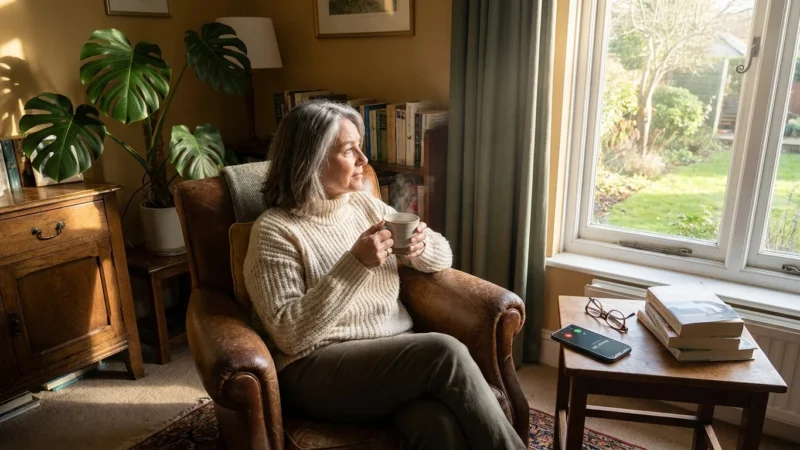
Two seniors enjoying a warm drink together indoors.

Frequently Asked Questions (FAQ)

Is SAD just the ‘winter blues’?

While the terms are often used interchangeably, they are not the same. The “winter blues” refers to a milder feeling of lethargy or sadness that many people experience during the winter. It’s generally short-lived and doesn’t significantly impair a person’s ability to function. SAD, on the other hand, is a clinical diagnosis of major depression with a seasonal pattern. Its symptoms are more severe, last for several months, and have a significant negative impact on a person’s daily life, relationships, and well-being.

Can you develop SAD later in life?

Yes. While SAD often first appears in young adulthood, it is entirely possible for it to develop for the first time in older adults. Sometimes, its onset can be triggered or unmasked by major life changes common in later years, such as retirement, a change in health status, or the loss of a spouse. The physiological changes of aging might also make some individuals more vulnerable to the effects of reduced sunlight.

Does moving to a sunnier climate cure SAD?

For some individuals, moving to a location with more sun year-round can significantly reduce or even eliminate symptoms of SAD. However, this is not a guaranteed cure, nor is it a practical solution for most people. SAD is a complex condition, and factors beyond just sunlight—such as genetics and brain chemistry—also play a role. Furthermore, moving can introduce its own set of stressors, such as leaving behind a social support network, which could potentially worsen feelings of depression and isolation.


Pages: 1 2 3 4 5 6 7 8 9

Share this article

Facebook Twitter Pinterest LinkedIn Email

Leave a Reply Cancel reply

Your email address will not be published. Required fields are marked *

Search

Latest Posts

  • A person sits alone on a sofa at dusk, looking exhausted and leaning their head on their hand in a dimly lit, lived-in living room. 8 Signs You’re Emotionally Drained By Someone Close To You
  • Illustration of a person looking into a mirror, oblivious to the people around them who are fading into the background. 8 Keys to Recognizing the Faces of Egocentric Behavior
  • A mixed media collage of an anatomical heart being slowly stained by dark ink, symbolizing the corrosive nature of unspoken resentment. 7 Signs Someone Is Secretly Resentful Toward You
  • A mixed-media collage showing a human silhouette with a fractured internal wooden frame, representing the delicate architecture of trust. 8 Behaviors That Reveal Someone Has Deep Trust Issues
  • An elderly man sits alone at a kitchen table in soft afternoon light while his adult daughter watches from the doorway with concern. Why Some People Become More Difficult With Age—According to Psychologists
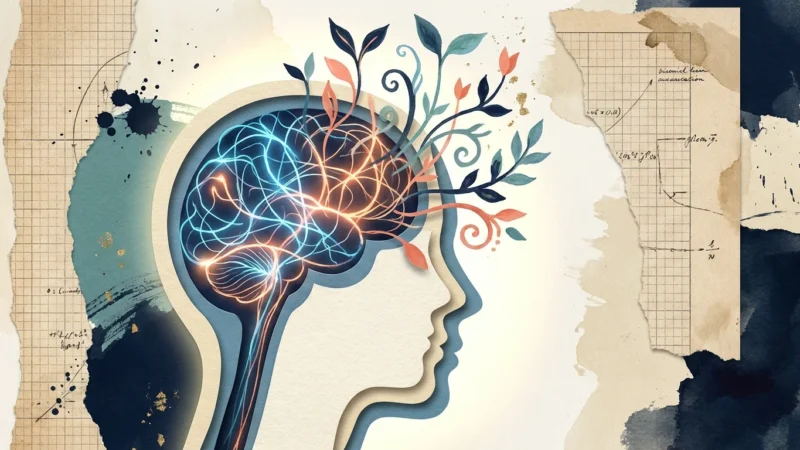
  • Conceptual paper-craft illustration of a brain with glowing neural pathways and botanical growth representing cognitive health. The Link Between Physical Activity and Mental Sharpness After 60
  • A senior woman in a sunlit room excitedly examines a green leaf through a magnifying glass, surrounded by plants and gardening tools. Why Seniors Who Stay Curious Live Longer—And How to Cultivate It
  • A man in his 60s working with clay in a pottery studio, symbolizing the transition from a career to a new personal purpose. How to Rebuild Your Identity and Purpose After You Stop Working
  • A single coffee mug on a wooden table next to an empty chair in a sunlit kitchen, representing the quiet of loss. How to Cope with Grief After Losing a Spouse in Retirement
  • An older woman in a knit sweater sits on a porch at dawn, holding a steaming mug and looking thoughtfully at a misty garden. The Power of Gratitude: How Seniors Can Use It to Live Happier Lives

Newsletter

Get the latest posts delivered to your inbox.

Related Articles

alzheimer's disease

12 Ways To Help Prevent Alzheimer’s disease (and Other Forms of Dementia)

There are currently 50 million people worldwide who struggle with dementia, and researchers project that…

Read More →
mental health

5 Common Causes of PTSD You Should Know

#5 The Loss of a Loved One One of the aspects of life that people…

Read More →

Misdiagnosed Mental Illnesses: 4 Shocking Ones Commonly Overlooked

Depression in Men We all know that one of the main symptoms of depression is…

Read More →
Sudden Retirement Syndrome

4 Signs of Sudden Retirement Syndrome and How to Deal With It

How to cope with sudden retirement syndrome Experts recommend the following tips to help new…

Read More →
Two hands clasped together, showing support.

How to Support a Partner or Friend Experiencing a Mental Health Crisis

Don’t Forget Yourself: Managing Caregiver Stress Supporting a loved one through a mental health crisis…

Read More →
anxiety

10 Subtle Signs of Anxiety You Shouldn’t Ignore

When you think of anxiety, you probably have an idea of some of its most…

Read More →
An elderly man sits alone at a kitchen table in soft afternoon light while his adult daughter watches from the doorway with concern.

Why Some People Become More Difficult With Age—According to Psychologists

Discover the psychological, neurological, and emotional reasons why some people become more difficult with age,…

Read More →
Conceptual paper-craft illustration of a brain with glowing neural pathways and botanical growth representing cognitive health.

The Link Between Physical Activity and Mental Sharpness After 60

Discover how combining aerobic and resistance training can actively rewire your brain, increase BDNF levels,…

Read More →
OCD

Could It Be OCD? These 9 Interesting Facts Will Surprise You

…Have you ever heard about obsessive-compulsive disorder, also simply known as OCD? You’ve surely met…

Read More →

Psychology Diary

The First Step Toward Change Is Awareness

Inedit Agency S.R.L.
Bucharest, Romania

contact@psychologydiary.com

Explore

  • About Us
  • Advertiser Disclosure
  • Contact Us
  • Disclaimer
  • Do not sell my personal information
  • Editorial Policy
  • Frequently Asked Questions
  • Privacy Policy
  • Terms and Conditions
  • Subscribe
  • Unsubscribe

Categories

  • Expert Tips
  • Family
  • Life
  • Marriage
  • Mental Health

© 2026 Psychology Diary. All rights reserved.