Psychology Diary

The First Step Toward Change Is Awareness

  • Home
  • Relationships
  • Mental Health
  • Expert Tips
  • Life
  • Family
  • Marriage

What Is Cuffing Season & How To Get Over It

December 16, 2021 · Relationships
cuffing season
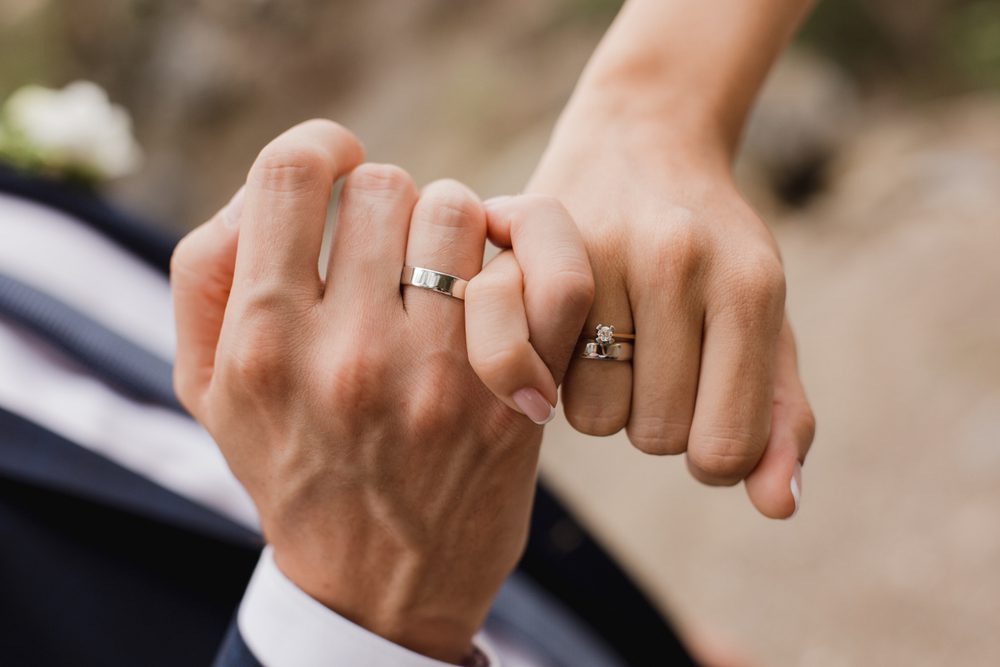
Photo by Roman Samborskyi from shutterstock.com

What is cuffing season?

Cuffing season is when single people, who are happy and joyful around the summer, and who also have fun dating, start looking for something more meaningful when the cold weather occurs. They want to find a special person to spend the colder months with. For some of them, these relationships last only for the winter season, while others can completely fall in love with each other and maintain relationships.

We wanted to understand cuffing season better, so we spoke to Amie Leadingham, who is a relationship expert. According to her, the name of this phenomenon comes from some people’s strong desire to be “cuffed” (handcuffed) by a serious relationship.

When is it cuffing season? 

We have previously established that cuffing season makes its appearance when the weather gets colder, the day shorter, and the desire to get comfy on the couch with someone gets stronger.

Each person has a different reason they are looking for a relationship when winter hits. Some of them don’t like it when it’s too cold and snowy outside, and they prefer to stay inside of their own comfy homes. But why stay all alone, when you can hug someone you feel close to?

For others, cuffing season begins before the holidays, so they have someone to share them with. In warmer climates, this season can start a little bit later, while in colder climates it might get an early headstart. 

In conformity with Amie Leadingham, it is believed that cuffing season can last from October to Valentine’s Day. After the day when people are celebrating their love and they give each other gifts, it usually starts to get warm again. This is why many couples tend to go their ways and prepare to be single, free, and happy by themselves again. Some of them realize they are better off together, but cases like this are quite rare.

Tips for finding a partner 

  • start early – if the only reason you are looking for someone is to spend the winter with, not the rest of your life, you still need to find someone you are attracted to. You will be with them for a few months, and given the fact that it’s cold outside, you will spend a lot of time together. And if you want to make sure to enjoy these couple of months, make sure you go on several dates, to find out what you like… or not. It is believed that many people start their searching seriously just after Labor Day.
  • be happy with your choices – according to Amie Leadingham, there are many people out there, who are looking for a partner, just like you. Don’t be afraid to swipe through dating apps, such as Tinder, Bumble, or Hinge. Also, make sure you say yes to parties, events, and even consider joining sports leagues. Who knows who you’ll end up finding?.
  • do the work – just because you are looking for a partner, it doesn’t mean that they will knock on your door on the first day of winter. You have to make yourself emotionally and physically attractive and available. As our relationship expert says, confidence is key when it comes to finding a partner during cuffing season. She added that you need to take care of yourself first because all comes from within. Like attracts like, so take some time for yourself!
  • don’t forget about the smart questions – I can’t stress this enough, but make sure you set your desires and expectations from the beginning! You might be looking for a short-term partner, but not everyone does the same. In order to not get disappointed, you should talk about every little detail with your future partner. This means questions like “What are you looking for right now?”, “What do you expect from your partner?” etc.

The next topic is for people who are not looking for a partner for the cold season but are willing to get over this quite harder period of time…

Pages: 1 2 3

Share this article

Facebook Twitter Pinterest LinkedIn Email

Leave a Reply Cancel reply

Your email address will not be published. Required fields are marked *

Search

Latest Posts

  • A person sits alone on a sofa at dusk, looking exhausted and leaning their head on their hand in a dimly lit, lived-in living room. 8 Signs You’re Emotionally Drained By Someone Close To You
  • Illustration of a person looking into a mirror, oblivious to the people around them who are fading into the background. 8 Keys to Recognizing the Faces of Egocentric Behavior
  • A mixed media collage of an anatomical heart being slowly stained by dark ink, symbolizing the corrosive nature of unspoken resentment. 7 Signs Someone Is Secretly Resentful Toward You
  • A mixed-media collage showing a human silhouette with a fractured internal wooden frame, representing the delicate architecture of trust. 8 Behaviors That Reveal Someone Has Deep Trust Issues
  • An elderly man sits alone at a kitchen table in soft afternoon light while his adult daughter watches from the doorway with concern. Why Some People Become More Difficult With Age—According to Psychologists
  • Conceptual paper-craft illustration of a brain with glowing neural pathways and botanical growth representing cognitive health. The Link Between Physical Activity and Mental Sharpness After 60
  • A senior woman in a sunlit room excitedly examines a green leaf through a magnifying glass, surrounded by plants and gardening tools. Why Seniors Who Stay Curious Live Longer—And How to Cultivate It
  • A man in his 60s working with clay in a pottery studio, symbolizing the transition from a career to a new personal purpose. How to Rebuild Your Identity and Purpose After You Stop Working
  • A single coffee mug on a wooden table next to an empty chair in a sunlit kitchen, representing the quiet of loss. How to Cope with Grief After Losing a Spouse in Retirement
  • An older woman in a knit sweater sits on a porch at dawn, holding a steaming mug and looking thoughtfully at a misty garden. The Power of Gratitude: How Seniors Can Use It to Live Happier Lives

Newsletter

Get the latest posts delivered to your inbox.

Related Articles

secrets

10 Secrets Women Would Never Tell Their Husbands

1. Regrets regarding your career There are moments in a woman’s life when she feels…

Read More →
dream about your ex dreams

7 Intriguing Reasons You Dream About Your Ex

Do you dream about your ex? When I first got into my first serious relationship,…

Read More →

8 Things Men Do That Annoy Women

This whole relationship goals trend that occurred on the Internet made a lot of couples…

Read More →
dominance, emotionally abusive relationship

10 Dangerous Red Flags of an Emotionally Abusive Relationship

Are you in an emotionally abusive relationship? Being with someone you love is one of…

Read More →

28 Fascinating Facts About Love

While being in a relationship is not always very easy, it’s definitely a feeling worth…

Read More →

10 Times You Should NOT Forgive Anyone

Have you ever wondered if it’s okay not to forgive someone? Is it acceptable to…

Read More →
hurt feelings

Hurt Feelings? This Best 3 Word Response Works Wonders

Everyone is going to get their feelings hurt from time to time, but here’s how…

Read More →

7 Things Men Wish Women Knew About Intimacy

Nothing further from the truth, because we continued with our research and asked men what…

Read More →
Affection

9 Brilliant Ways to Show Affection to Your Significant Other

Most people assume that a relationship needs grand gestures to function properly, but the truth…

Read More →

Psychology Diary

The First Step Toward Change Is Awareness

Inedit Agency S.R.L.
Bucharest, Romania

contact@psychologydiary.com

Explore

  • About Us
  • Advertiser Disclosure
  • Contact Us
  • Disclaimer
  • Do not sell my personal information
  • Editorial Policy
  • Frequently Asked Questions
  • Privacy Policy
  • Terms and Conditions
  • Subscribe
  • Unsubscribe

Categories

  • Expert Tips
  • Family
  • Life
  • Marriage
  • Mental Health

© 2026 Psychology Diary. All rights reserved.