

Can we identify the signs of childhood trauma in adult life?
In recent years, people have become more and more aware of their traumas, and going to a therapist is a concept embraced by many as well. It isn’t considered a stigma anymore, which is awesome. If you’re a follower of our page, then you know we talked about many topics, from narcissism to Alzheimer’s and dementia, but not so much regarding trauma. It’s time to do that!
For many children, experiencing trauma as a result of bullying or abuse is a terrible aspect of growing up, and the consequences can last far into adulthood. The top psychologists will assist us in this article as we define trauma, describe possible forms of childhood maltreatment, and also discuss signs of childhood trauma.
We thought it would be helpful to go over some of the more typical warning signals here to help you get started in recognizing the symptoms that former childhood trauma may still be haunting you. The sad part is that trauma can affect relationships in the future and cause additional problems, such as depression and low self-esteem.
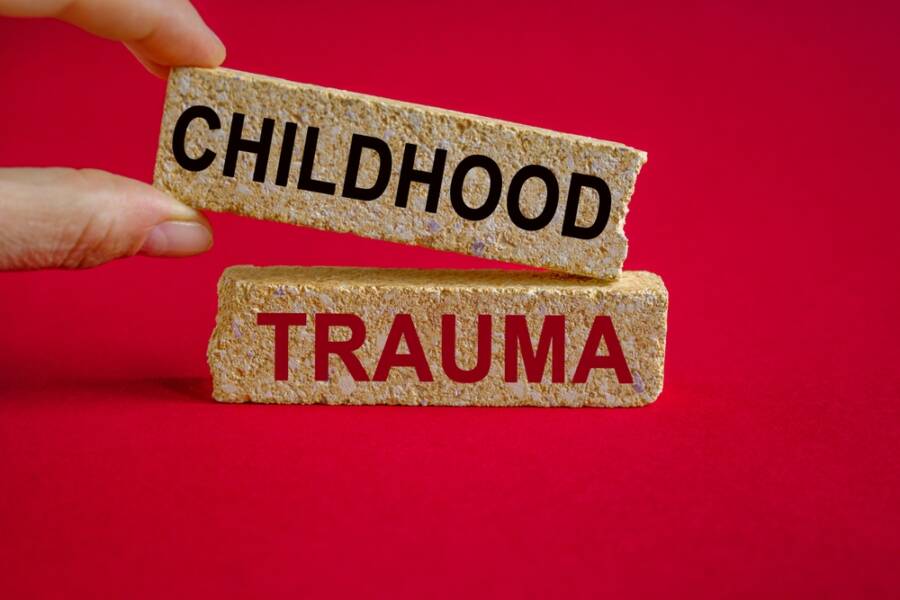
How can trauma be defined?
Many kids were advised by their parents or grandparents to “move on” when something bad happened at school, for example, when a classmate made fun of them or provoked them to do something nasty in front of the classroom.
While this was a bad experience for the kids and all they needed was support and comfort, many parents don’t know how to handle this situation accordingly. Even though it may sound harsh, this can linger in the child’s thoughts until they become adults.
It’s important to realize that there is no clear cause-and-effect link when it comes to childhood trauma. There are many distinct kinds of trauma, and each person’s response to the experience is influenced by a variety of elements, including whether or not they were able to “process” the incident with the appropriate support networks. Bullying, the passing away of a loved one, physical abuse, parental neglect, severe illness, or accidents can all lead to childhood trauma.
Having a hard time controlling emotions
One of the first signs of childhood trauma is strongly connected to how you, as a grown-up, show and control your emotions. A lot of adults who are still dealing with certain issues from their past may have high anxiety, uncontrollable anger, or withdrawal.
It is a harder struggle for people who have suffered from suppressed memories from their early years. Anyone with unresolved trauma finds that simple actions from other people disturb them. For what appears to be a minor inconvenience, they find themselves swiftly shifting from feeling calm and at peace to being furious or afraid.
This shift frequently occurs as a result of the seemingly insignificant item unconsciously reminding them of a part of their suppressed childhood trauma.
Attachment issues
There have been a lot of studies on various attachment styles, and apparently, a large number of individuals have an avoidant attachment based on something that happened in their childhood years. This happens usually because the child has a fear of abandonment; maybe the parents separated when they were very young, or maybe one of the parents always treated them badly and never let them express themselves freely.
This can lead to an adult who is having issues with letting people know them because they don’t think they deserve it or simply because they’re afraid of a partner who will leave them eventually.
This lack of trust may last throughout adulthood and limit one’s capacity to build connections with people around. Those who have experienced childhood trauma often develop unhealthy connections with those who share the same mindset as their parents or caregivers. Of course, this happens because we’re used to certain patterns, and most often it’s hard to break the chain.
Whatever the case, this is one of the biggest warning signs of childhood trauma, and it’s advised to address it as soon as possible.
Childish outbursts
We all have our moments when we’re immature regarding certain situations. However, an individual who experienced childhood trauma may find themselves being more stubborn than others, throwing tantrums, or being annoyed because of small things.
Every single one of these consistent regressions suggests that you have memories that are still locked away, and discussing them with a therapist can be very helpful.

Not knowing how to deal with stressful situations
Life is stressful from time to time, and we can’t stop this from happening. It’s basically a part of adult life; we have a job, family to care for, decisions to make, etc. If for a regular individual, this is hard to handle, for one who has unresolved childhood trauma is even harder. They can hide from the responsibilities or, worse, lash out at everybody else.
When things don’t go your way, you can start acting like a child and lashing out at people. In an attempt to defend yourself, you are falling back to your pre-trauma condition.
You probably heard the phrase “reparenting your inner child” and it sounds like it’s written for a fictional book. Well, it’s not. Psychologists advise that no matter how hard or easy your childhood years were, connecting with your inner child and working on yourself is a step towards healing and evolving as a person.
If you were always trying to overcome certain emotions or events that happened in your past, but your finances were limited, and going to therapy isn’t exactly an option for you, check out The Complete Inner Child Recovery Workbook Using Internal Family Systems Therapy. This book can be a friend in need for those who want to get deeper into the topic, find more ways to cope with their traumas and rediscover that there is life after trauma. Nobody said it’s going to be easy, but it’s worth a try. Order the book from Amazon by clicking on the link.
Bad physical health
Childhood trauma may have a direct impact on your mental and emotional well-being, but it can also have an impact on your physical health. Research indicates that children who experienced abuse were more likely to develop severe health conditions including asthma, diabetes, heart disease, and stroke. Adults who suffered trauma as children have also been shown to have attempted suicide at significantly greater rates.
Bottom line:
Sometimes, it may be very hard to wake up to another day and be able to fully function, complete tasks, socialize, and so on. Our society demands we be productive, present, and so on, but from time to time we need to take a break. For those who identify themselves with these signs of childhood trauma, it’s no shame to ask for help.
Having someone who you can talk to means a lot because, after all, that’s what we crave as human beings: connection and being heard and seen. It’s not going to be an easy road; in fact, it may be quite challenging to overcome those repressed emotions, but with professional help it is possible. Dare to believe in yourself, no matter how hard it seems!
You may also be interested in reading: 10 Red Flags That Suggest You’re the Selfish One in Your Relationship.







Leave a Reply