

What do you know about PTSD?
To put it in simpler words, disorders of the mind include post-traumatic stress disorder (PTSD). After you’ve been exposed to an event that made you feel stressed, anxious, and tired, it’s possible to feel the effect of it even after it’s long gone.
Experts say that this might be the result of exposure to upsetting information in any form. PTSD symptoms might appear right away, or they might not manifest themselves for weeks or months. In most cases, they manifest themselves within a year after the traumatic occurrence.
One of the most common cases of PTSD is among war veterans, and it has a major impact on soldiers. These people are involved in so much tragic activity that they might feel like their minds are trapped in that situation even when those events are long gone. For instance, some former soldiers stated that they felt like they were still at war even though they were safe and at home.
However, not all people who have experienced trauma go on to acquire PTSD. After experiencing confusion and a lot of stress, many individuals might feel unwell for some time (the period of time is determined by the amount of shock they’ve been through and what kinds of issues they had to deal with).
Basically, all these reactions are natural responses to an abnormal situation. Some individuals eventually accept the reality of the situation, and after a few weeks, they might notice that their stress symptoms are easing. But on the other hand, some people have prolonged symptoms and go on to develop PTSD.
So if you’ve been experiencing a lot of nightmares, numbness, or confusion, that might be a sign that you’ve been through something that left a mark on your mind and body and that you have PTSD. Let’s learn more about it and what you can do to identify all those symptoms!
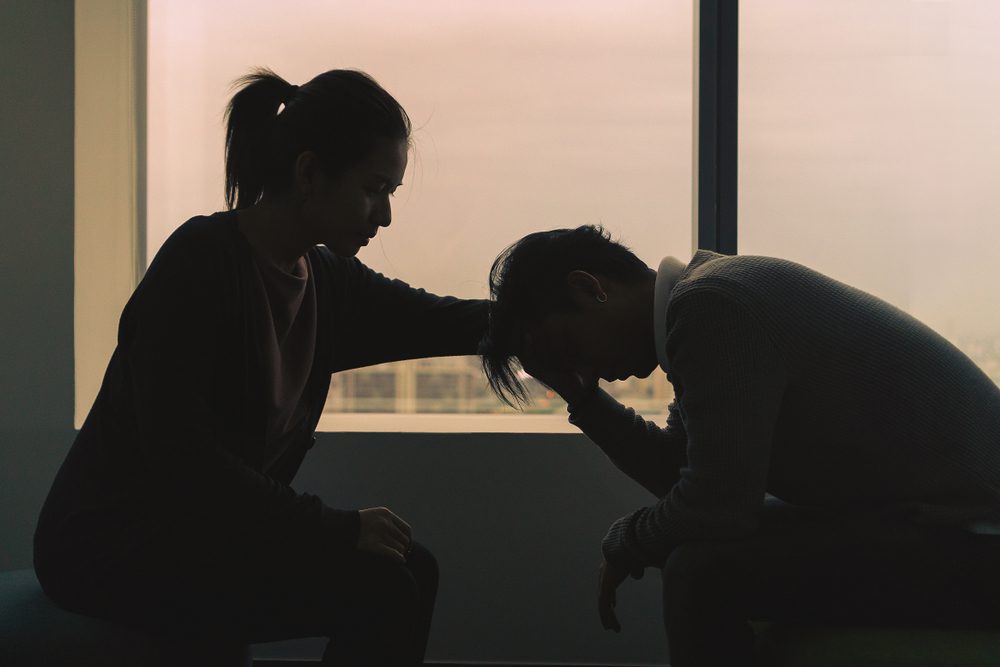
Symptoms
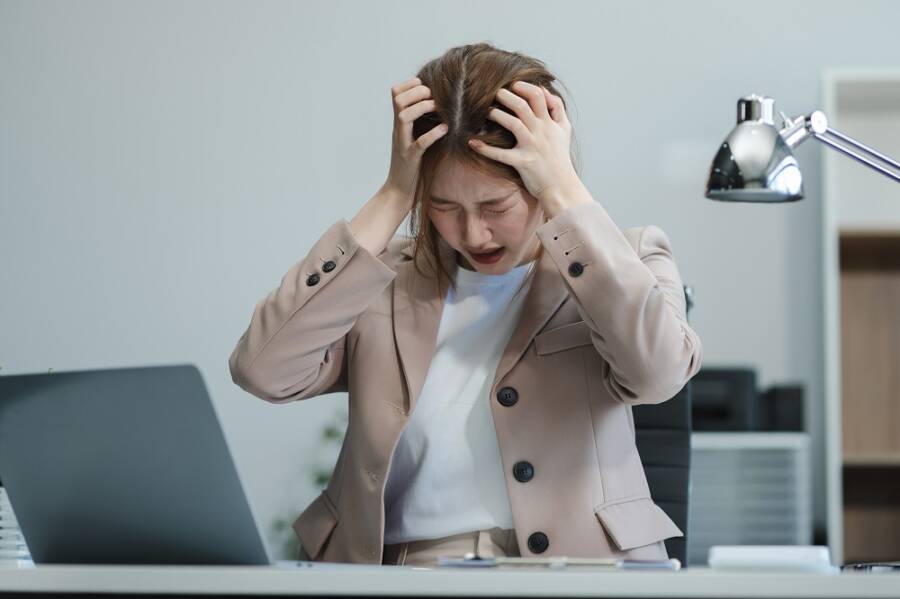
There are many things people experience when their mental health is not exactly at its best, and they feel tired, stressed, angry, and anxious. Whether the event that traumatized them lasted only a short period of time or a longer one, it still impacts them on a level that is hard to get over. Here are some side effects the majority of people feel when they have PTSD:
- exposure to the same traumatic event through flashbacks, intrusive recollections, or nightmares;
- extremely powerful feelings brought on by disturbing memories, dreams, or flashbacks;
- being emotionally apathetic or insensitive. In a case like this, people might also experience dissociating themselves from their own selves or from those around them;
- Avoidance. This might indicate an effort to avoid further contemplation of the traumatic event. You might also try to avoid any reminders of that specific event. You try to live your life normally and when you notice that your mind goes to that place and it tries to make you face what’s happened, you immediately think of something else and avoid it. You might have the impression that if you neglect it, it will go away, but unfortunately, that’s not true;
- you feel depressed, angry, fatigued;
- you have trouble keeping your emotions in check;
- you might experience feelings of rage, impatience, panic, and continual worry;
- you don’t feel joy. Your state of mind is negative, you only feel sadness. You live with the thought that nothing good is going to happen to you;
- feelings of deep regret or embarrassment;
- you have a low opinion of yourself, such as feeling insignificant, unimportant, or defeated;
- you also experience issues with your partner or have problems with your dating life;
- stress and hyperarousal might disrupt your sleep and lose focus;
- risky things that are meant to make yourself feel better, but are actually making your PTSD symptoms worse: binge drinking and eating and driving too fast;
- hypervigilance – you feel like you’re always in danger. You’re always on guard and you’re very sensitive to sensory inputs like scent and sound.
What can you do to get rid of PTSD?
Step 1: accept it
We know that it’s easy to say that the 1st thing you have to do to get rid of something that doesn’t make you feel good is to accept it. Once you do that, you can understand why you feel that way and what you can do to make yourself feel better.
In order to overcome PTSD, you must do things slowly and persistently. You don’t need to rush and try to do everything at once, because it’s only overwhelming and you’ll be even angrier and hopeless.
While time and practice might help, healing takes time and effort, and traumatic memories never fully go away. Sometimes this might make it seem like life is tough, but don’t worry; everything will turn out great if you put the effort in. However, there are several strategies you might use to manage the lingering effects and lessen the feelings of worry and panic.
Learning to feel empowered again is an important step in recovering from PTSD. When you’ve experienced trauma, you feel helpless and exposed to all sorts of bad things.
We get it, but you can get through this difficult moment by constantly reminding yourself of your strengths and coping mechanisms, so be patient and trust yourself. You can do it!
You sure know that people say helping others is a great way to actually help yourself, so you can volunteer, donate blood, clean your house, donate things to charity, or reach out to a family member or friend. Every little thing counts, and once you take action to make things better, you’ll soon notice improvements.
Step 2: move your body and get outside
Many people say that spending time outside and moving your body are like natural medicine. They instantly help your body release endorphins, also known as happy hormones, which will make you feel better and more energized.
Speaking of that, exercising might do more for people with PTSD than just boost their mood and attitude. Working out mindfully, or paying attention to how your body feels throughout the movement, might assist in getting your nervous system “unstuck” and help you start moving out of the immobility stress reaction.
Whether you prefer to swim, walk, try some yoga, or book an aerobics or strength training class with a trainer, do what feels good for your body and take some rest when you need it.
Other than that, hiking, camping, mountain biking, rock climbing, whitewater rafting, and skiing are all great ways for veterans to relieve stress and prepare for a new life as civilians.
Those suffering from PTSD can greatly benefit from the calm, solitude, and serenity that can be found in the great outdoors. You can take a walk alone to clear your mind, or you can ask your spouse, friends, or family to join you and catch up at the same time.
Step 3: adopt a healthy lifestyle
PTSD symptoms can be hard on your body, but that shouldn’t discourage you from making conscious choices to improve your life quality. If you suffer from depression or anything else that makes you feel sluggish, fatigued, anxious, or angry, rely on healthy foods, relaxation techniques, movement, and the people you love to get back on your feet in no time.
According to experts, some of the best ways to cope with bad feelings are by taking care of your body and mind at the same time. You don’t have to do anything extreme; just make some changes in your schedule so that everything is balanced.
This means you should avoid alcohol or only consume it in moderation, try to sleep at least 8 hours per night, eat healthy and nutritious meals, move your body every day, even if it’s just for 10 minutes, try meditation, yoga, or any other form of relaxation, and listen to your body.
Step 4: talk to your loved ones
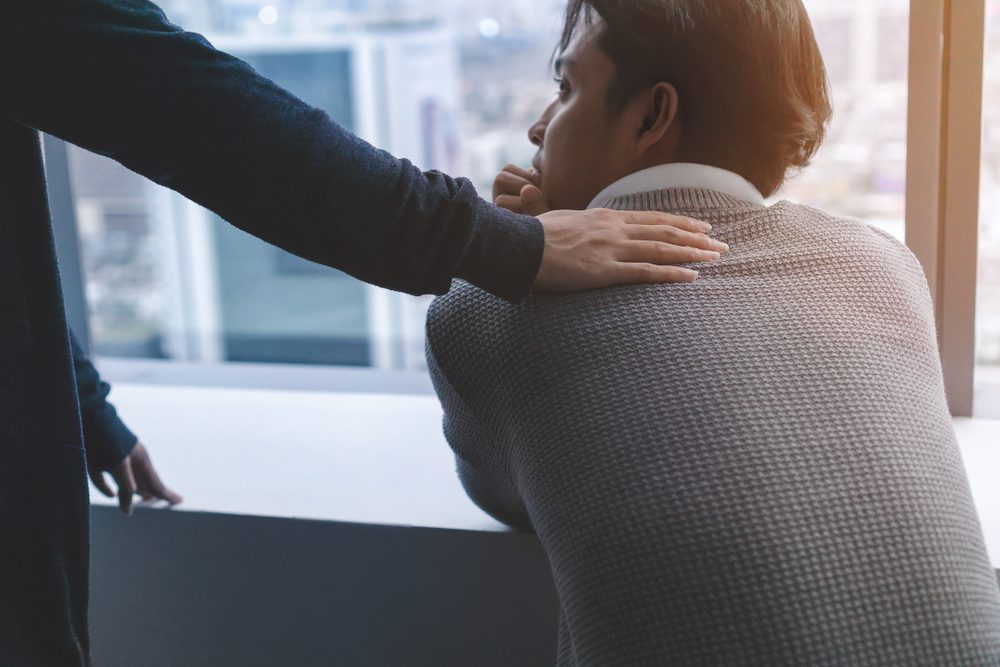
Nobody said that PTSD is easy, but you don’t have to go through it alone. Your friends and family care about you and only wish you well, so if you think that there’s something scary going on, talk to them and tell them how you feel. This way, they’ll know how to help you and what to do for you to make you feel happy again.
Step 5: ask for help
If you want the opinion of a professional, you can always ask for help to understand your trauma and look for ways to get through it. Getting help for PTSD as soon as possible makes it much simpler to recover.
Remember that PTSD is not a sign of weakness; it’s a sign that you’re human and sometimes you go through things that are hard to explain and that might take more time to get over.
The only way to overcome it is to face your experiences head-on and accept them as part of your past. Don’t worry, because with the help of a trained therapist or physician, this can be a much smoother process.
It’s human nature to try to block out unpleasant experiences. However, attempting to dull your emotions and forget about your experiences can only make your PTSD symptoms worse.
The effort required to suppress your feelings is wasted, since they will surface under pressure or when you let your guard down. Your relationships, your capacity to operate, and the quality of your life will all suffer as a result of your avoidance.
…Are you scared of health problems? Then check out this article to discover everything you need to know about Parkinson’s disease and your health: Parkinson’s Disease: 8 Early Warning Signs to Look For!




Leave a Reply