Psychology Diary

The First Step Toward Change Is Awareness

  • Home
  • Relationships
  • Mental Health
  • Expert Tips
  • Life
  • Family
  • Marriage

6 Panic Attack Coping Strategies, According to Experts

June 16, 2023 · Expert Tips
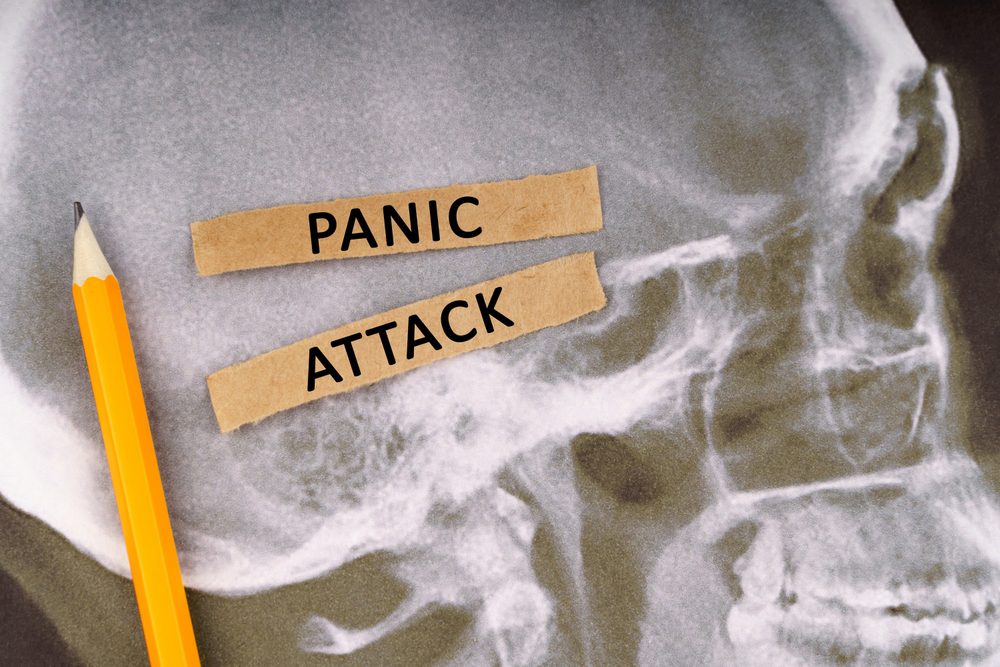
Panic Attack Coping Strategies
Photo by SkazovD at Shutterstock

10 Symptoms Of A Panic Attack You Shouldn’t Ignore

After you’ve dealt with this disorder for some time, you will be able to recognize the panic attack coping strategies that are best for you. Here are the most common symptoms of a panic attack that you should NEVER ignore.

  1. Chest Pains: This is something you shouldn’t take lightly, no matter what the reason. Panic can cause your muscles to restrict in your chest area and give you the sensation that you’re having a heart attack.
  2. Difficulty Breathing: Not being able to catch your breath is a horrifying feeling, especially if it comes on unexpectedly. Many people hyperventilate during a panic attack because their body’s abundance of hormones causes an uproar.
  3. Sweating: Sweating is our body’s way of cooling down. And it’s expected when you’re working hard or if you’re in extreme heat. But, when the body is under extreme fear, sweating can happen fast, even when you’re sitting doing nothing.
  4. Dizziness: Feeling dizzy is always scary because we tend to think the worst. Different people report feeling various things when they have a panic attack. Some say they feel as if they’re on a merry-go-round that won’t stop. Others feel like their equilibrium is off.
  5. Feeling Faint or Passing Out: Feeling faint goes a step further than dizziness. You may feel as though something is pulling you to the ground. But sadly, this fear is probably only in your mind.
  6. Heart Palpitations: When this happens, some say they feel like their heart is doing flip-flops, while others feel like it’s off rhythm. It’s important to note the frequencies of these occurrences and how long they last. If you have runs of palpitations in a row, get emergency care ASAP.
  7. Chills: A panic attack can cause your entire body to shake. That rush of cortisol and adrenaline might cause you to feel all types of sensations. But these trembles will pass as soon as your hormone levels go back to normal.
  8. Feeling Paralyzed: When you go through something like this, you can get so scared that you’re not able to move. The body experiences fight, flight or freeze attacks that render you frozen. When the symptoms of a panic attack get so intense that you’re catatonic or feeling trapped, it’s a sign that your condition could be morphing into a somatoform disorder, and you should seek help.
  9. Fear of Losing Control or Dying:  One major issue for those with panic attacks is that they become afraid of dying. Your body feels sensations that you don’t understand. So your first thought is that you’re going to lose control, and your life is over.
  10. Feelings of Detachment: This only happens in those who have a severe issue with anxiety, and it’s a coping tool the body sends out.

Now that you know which signs to look for, let’s explore some panic attack coping strategies you can implement when you’re going through them.
Pages: 1 2 3 4 5 6 7 8

Share this article

Facebook Twitter Pinterest LinkedIn Email

Leave a Reply Cancel reply

Your email address will not be published. Required fields are marked *

Search

Latest Posts

  • A person sits alone on a sofa at dusk, looking exhausted and leaning their head on their hand in a dimly lit, lived-in living room. 8 Signs You’re Emotionally Drained By Someone Close To You
  • Illustration of a person looking into a mirror, oblivious to the people around them who are fading into the background. 8 Keys to Recognizing the Faces of Egocentric Behavior
  • A mixed media collage of an anatomical heart being slowly stained by dark ink, symbolizing the corrosive nature of unspoken resentment. 7 Signs Someone Is Secretly Resentful Toward You
  • A mixed-media collage showing a human silhouette with a fractured internal wooden frame, representing the delicate architecture of trust. 8 Behaviors That Reveal Someone Has Deep Trust Issues
  • An elderly man sits alone at a kitchen table in soft afternoon light while his adult daughter watches from the doorway with concern. Why Some People Become More Difficult With Age—According to Psychologists
  • Conceptual paper-craft illustration of a brain with glowing neural pathways and botanical growth representing cognitive health. The Link Between Physical Activity and Mental Sharpness After 60
  • A senior woman in a sunlit room excitedly examines a green leaf through a magnifying glass, surrounded by plants and gardening tools. Why Seniors Who Stay Curious Live Longer—And How to Cultivate It
  • A man in his 60s working with clay in a pottery studio, symbolizing the transition from a career to a new personal purpose. How to Rebuild Your Identity and Purpose After You Stop Working
  • A single coffee mug on a wooden table next to an empty chair in a sunlit kitchen, representing the quiet of loss. How to Cope with Grief After Losing a Spouse in Retirement
  • An older woman in a knit sweater sits on a porch at dawn, holding a steaming mug and looking thoughtfully at a misty garden. The Power of Gratitude: How Seniors Can Use It to Live Happier Lives

Newsletter

Get the latest posts delivered to your inbox.

Related Articles

Older man and doctor discuss symptoms during a check-up.

Early-Stage Dementia vs. Normal Aging: A Detailed Symptom Checklist

Understanding the Aging Brain: What’s Normal? As we age, our brains undergo changes, just like…

Read More →
advice

11 Common Pieces of Advice That Are Actually Bad

1. “Do what you love, and the money will follow” This is probably one of…

Read More →
buy happiness

9 Surprising Ways to Buy Happiness, According to Harvard Experts

1. Buy time How would the world be if we were able to buy more…

Read More →
investing in love

Investing in Love: 6 Easy Steps to Prioritize Your Marriage

Did you know investing in love ends up strengthening your marriage? Have you figured out…

Read More →

10 Things That Usually Change After Getting Married

Marriage is a big step and a new chapter in each person’s life. There will…

Read More →
alzheimer dementia

10 Harmful Things That Increase Your Risk of Alzheimer’s

There’s still no cure for Alzheimer, but researchers are vigorously trying to develop a better…

Read More →
toxic habits

5 Toxic Habits Learned From Your Parents

You’ve learned these toxic habits during your childhood, and now you are carrying them with…

Read More →
8 Simple Ways to Boost Your Mood Every Day After 60

8 Simple Ways to Boost Your Mood Every Day After 60

Discover 8 research-backed, simple ways to boost your mood and protect your mental health every…

Read More →
Social Media Relationship Pitfall

7 Social Media Relationship Pitfalls You Should Worry About

Anything you’re unsure about This one is hands down one of the most critical rules…

Read More →

Psychology Diary

The First Step Toward Change Is Awareness

Inedit Agency S.R.L.
Bucharest, Romania

contact@psychologydiary.com

Explore

  • About Us
  • Advertiser Disclosure
  • Contact Us
  • Disclaimer
  • Do not sell my personal information
  • Editorial Policy
  • Frequently Asked Questions
  • Privacy Policy
  • Terms and Conditions
  • Subscribe
  • Unsubscribe

Categories

  • Expert Tips
  • Family
  • Life
  • Marriage
  • Mental Health

© 2026 Psychology Diary. All rights reserved.