

You likely know an older adult who seems to have grown irritable, stubborn, or intensely rigid over the years. Rather than dismissing this as a natural part of growing old, psychologists explain that sudden or gradual personality shifts are often rooted in invisible struggles—from chronic pain and cognitive decline to deep-seated grief. Aging demands massive emotional adaptation; when people lack the resources to cope, their distress frequently surfaces as difficult behavior. Understanding the mechanisms behind these changes empowers you to navigate them with empathy instead of frustration. By examining the biological, neurological, and emotional factors at play, you can distinguish between normal aging and signs that your loved one needs professional support.

Myths Worth Debunking
Before examining why older adults might become harder to interact with, you must shed the cultural trope of the inherently curmudgeonly senior. The media often portrays aging as a steady descent into bitterness, but psychological research reveals a much brighter baseline.
In healthy aging, personality remains largely stable, and the shifts that do occur are mostly positive. Longitudinal studies indicate that core traits like agreeableness and conscientiousness typically increase as we grow older. Furthermore, older brains often exhibit the “positivity effect”—a well-documented tendency to direct attention toward joyful stimuli and filter out negative information. Healthy seniors generally demonstrate stronger emotional regulation than younger adults, leaning on decades of lived experience to maintain perspective during crises.
Because emotional well-being generally improves with age, a parent, spouse, or friend who becomes distinctly negative, combative, or emotionally brittle is not just “getting old.” They are signaling a deviation from the norm. A noticeable souring of personality is an alarm bell indicating that an underlying physical, cognitive, or emotional issue has overwhelmed their natural coping mechanisms.
The Neurological Reality of Brain Aging
To understand behavioral shifts, you have to look at the brain’s changing hardware. As individuals age, their neural architecture undergoes significant remodeling. Research from the National Institutes of Health highlights that after age 40, overall brain volume decreases by roughly 5% per decade, with the rate of decline accelerating sharply after age 70.
These structural changes hit the prefrontal cortex particularly hard. This region of the brain is the command center for executive functioning, complex decision-making, and impulse control. It acts as our social filter. When the prefrontal cortex loses density, that filter weakens. An older adult might suddenly make blunt, critical, or socially inappropriate remarks that they would have easily suppressed in their younger years. They are not intentionally trying to be hurtful; the neurological braking system that once kept those thoughts internalized is simply wearing down.
Additionally, the degradation of white matter—the communication highways connecting different regions of the brain—slows down information processing speed and cognitive flexibility. When a brain cannot process new information quickly, it defaults to what it already knows. This manifests outwardly as extreme stubbornness or a refusal to try new things. What looks like obstinance is actually an anxious brain trying to maintain control in a world that feels as though it is moving at warp speed.
Beyond normal aging, mild cognitive impairment (MCI) and early-stage dementias profoundly alter personality. According to the Alzheimer’s Association, about 1 in 9 Americans aged 65 and older currently lives with Alzheimer’s disease. Long before memory loss becomes obvious to outsiders, an individual might experience terrifying moments of confusion. A common response to this internal terror is aggression, paranoia, or defensive anger.

The Physical Toll: How Chronic Pain Rewires Personality
You cannot separate the mind from the body. When assessing difficult behavior, physical distress is often the hidden culprit. The Centers for Disease Control and Prevention reports that roughly 36% of adults over the age of 65 live with chronic pain. Other surveys suggest that among Medicare enrollees, the prevalence of chronic pain can reach nearly 78%.
Psychologists use the concept of “ego depletion” to explain how physical pain alters emotional capacity. Willpower, patience, and empathy require immense cognitive energy. When an older adult is silently dedicating massive amounts of neurological bandwidth to tolerate the throbbing of osteoarthritis, neuropathy, or a deteriorating spine, they have no energy left for social graces. Chronic physical discomfort erodes resilience, making people highly reactive to minor inconveniences. The constant strain of pain drastically increases the likelihood of developing co-occurring depression and anxiety.
Beyond chronic issues, acute medical crises frequently masquerade as psychiatric problems. For example, a urinary tract infection (UTI) in a younger person usually causes localized pain. However, in an older adult, a UTI can bypass classic symptoms and present directly as acute delirium, severe mood swings, extreme confusion, or sudden aggression. Before interpreting a sudden personality shift as an emotional failing, you should always encourage a thorough medical evaluation.
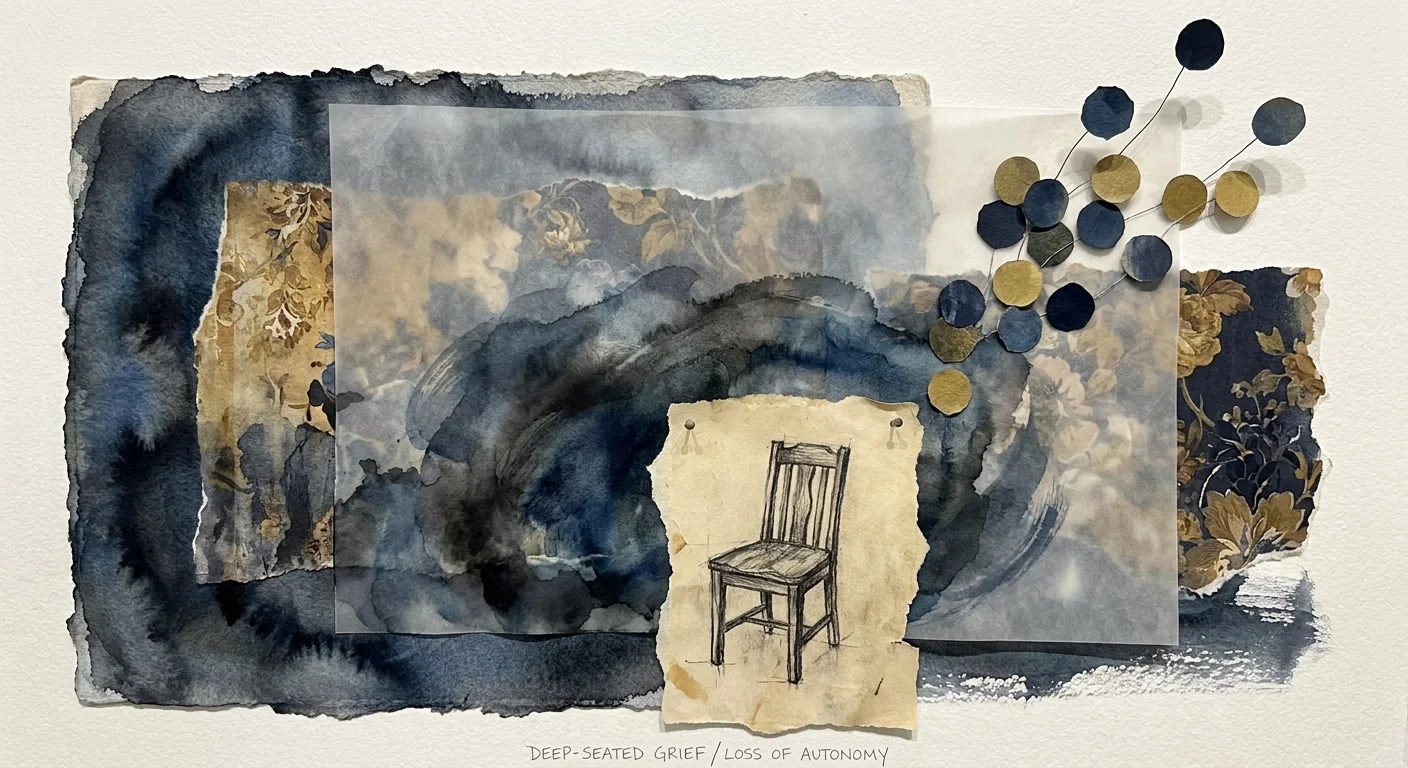
The Emotional Weight: Grief, Isolation, and the Loss of Control
Aging is an exercise in sequential loss. Consider the compounding emotional weight an average 80-year-old carries. They have likely watched close friends, siblings, and perhaps a spouse pass away. They may have been forced out of a career that gave them their core identity and purpose. Perhaps their doctor recently advised them to surrender their driver’s license.
Giving up the car keys might seem like a practical safety measure to you, but to an aging adult, it represents the death of autonomy. It means no longer being able to run to the store on a whim, visit a friend independently, or control their own schedule. When people feel stripped of their agency, they often fight to control whatever small domain they still possess. This desperate need for autonomy can look like refusing perfectly reasonable help, starting arguments over trivial household routines, or becoming fiercely territorial over their belongings.
This loss of mobility frequently leads to profound loneliness. A National Poll on Healthy Aging found that 1 in 4 older adults feels socially isolated. Isolation is biologically toxic—it spikes stress hormones, disrupts sleep, and dramatically accelerates cognitive decline. As loneliness takes root, depression follows. Crucially, late-life depression often does not manifest as typical sadness or tearfulness; instead, it presents as extreme irritability, apathy, or incessant complaints about physical ailments. Their difficult behavior is often a deeply misguided cry for connection.
“When a person realizes he has been heard, his eyes moisten. I think in some real sense he is weeping for joy. It is as though he were saying, ‘Thank God, somebody heard me.'” — Carl Rogers, Psychologist
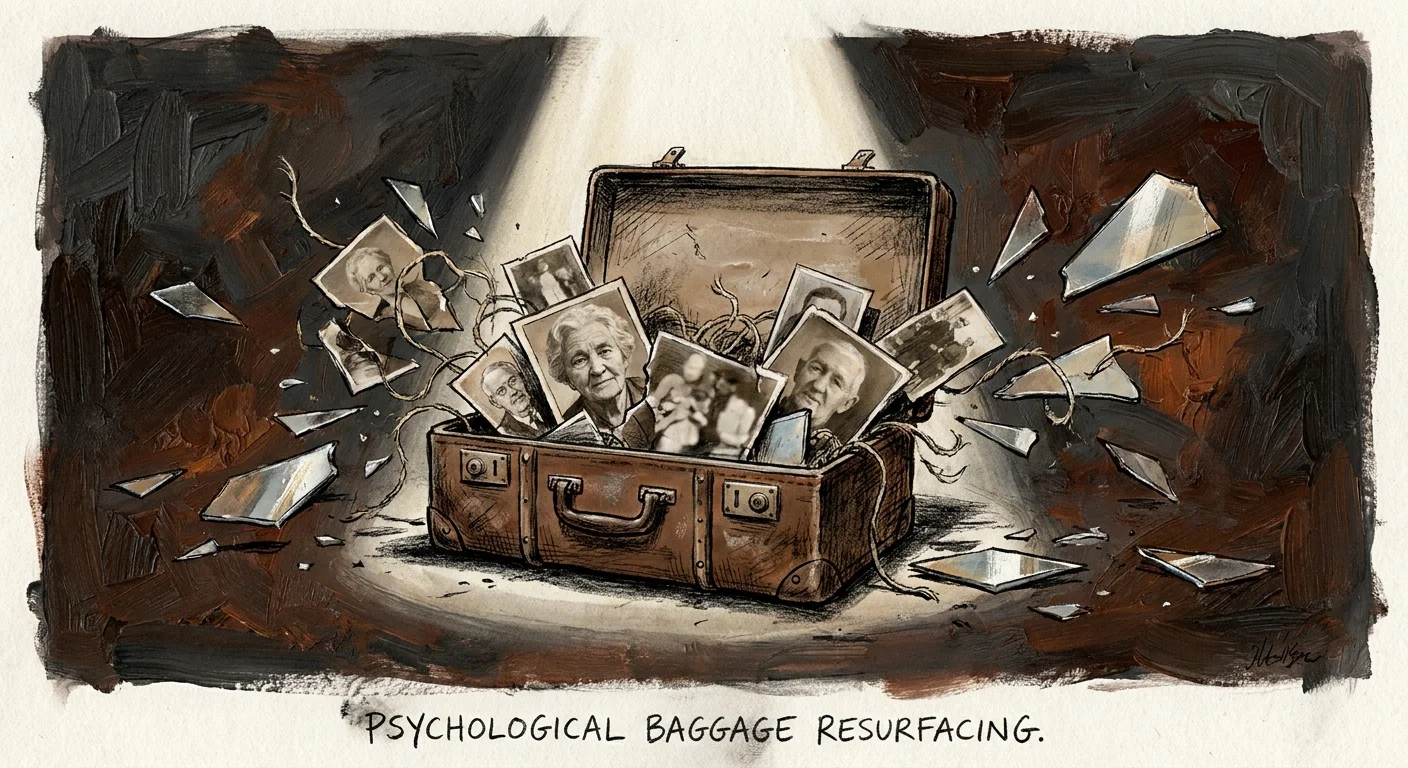
Unresolved Trauma and Psychological Baggage
Retirement radically alters the pace of life. For decades, the demands of raising a family, paying a mortgage, and navigating a 40-hour work week served as highly effective distractions from internal pain. When the noise of mid-life finally quiets down, the mind has the space to wander through its own archives.
Many older adults belong to generations that stigmatized mental health care. They were raised to view emotional vulnerability as a personal failure. Consequently, they pushed down trauma, grief, and regret rather than processing it. Now, with fewer daily distractions and weakening psychological defenses, those old wounds bubble to the surface.
Unresolved trauma often manifests as hyper-vigilance, sudden panic attacks, or defensive anger. An aging parent might suddenly become obsessed with past grievances or start picking fights over events that happened thirty years ago. They are not trying to be vindictive; their brain is finally attempting to process emotional baggage that has been locked away for a lifetime.
“Between stimulus and response there is a space. In that space is our power to choose our response. In our response lies our growth and our freedom.” — Viktor Frankl, Psychiatrist and Holocaust Survivor
How to Communicate When Someone Becomes Difficult
When an aging loved one becomes rigid or combative, your instinct will likely be to argue logic, correct their memory, or match their frustration. However, engaging in a battle of facts with a brain that is actively degrading or emotionally overwhelmed will only escalate the conflict. Modifying your communication approach can drastically reduce tension.
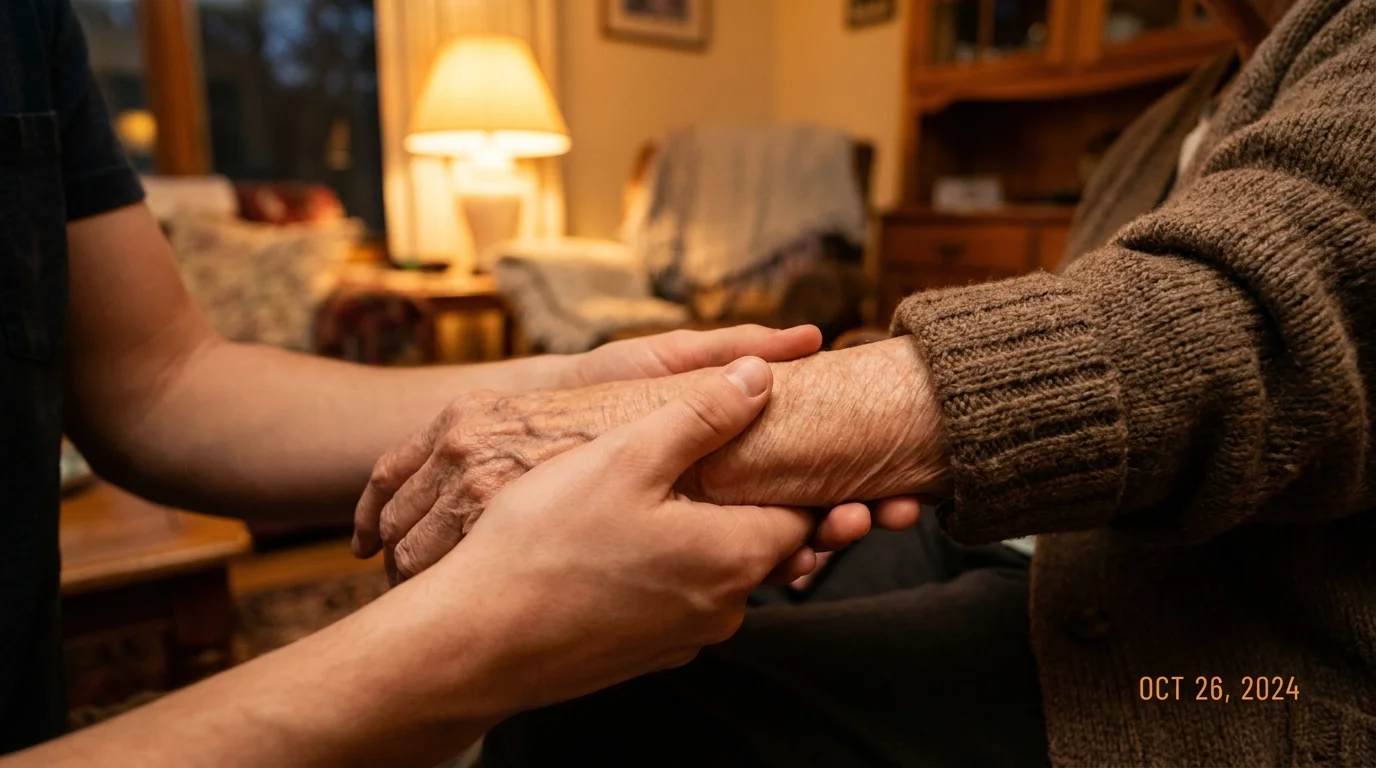
1. Validate the Emotion, Not the Accusation
When someone is acting out, they are expressing an unmet need. If your mother accuses you of stealing a misplaced sweater, arguing that you didn’t take it will only make her more paranoid. Instead, validate the underlying emotion: “It is so frustrating to not be able to find your things. Let’s look together.” You align yourself as her partner, rather than her adversary.

2. Offer Choices to Restore Autonomy
Because aging strips away so much control, dictating terms to an older adult often triggers an immediate “no.” Instead of issuing directives, provide structured choices. Replace “You need to take your medication now” with “Would you like to take your pills before or after we have tea?” This simple linguistic shift honors their dignity and reduces resistance.
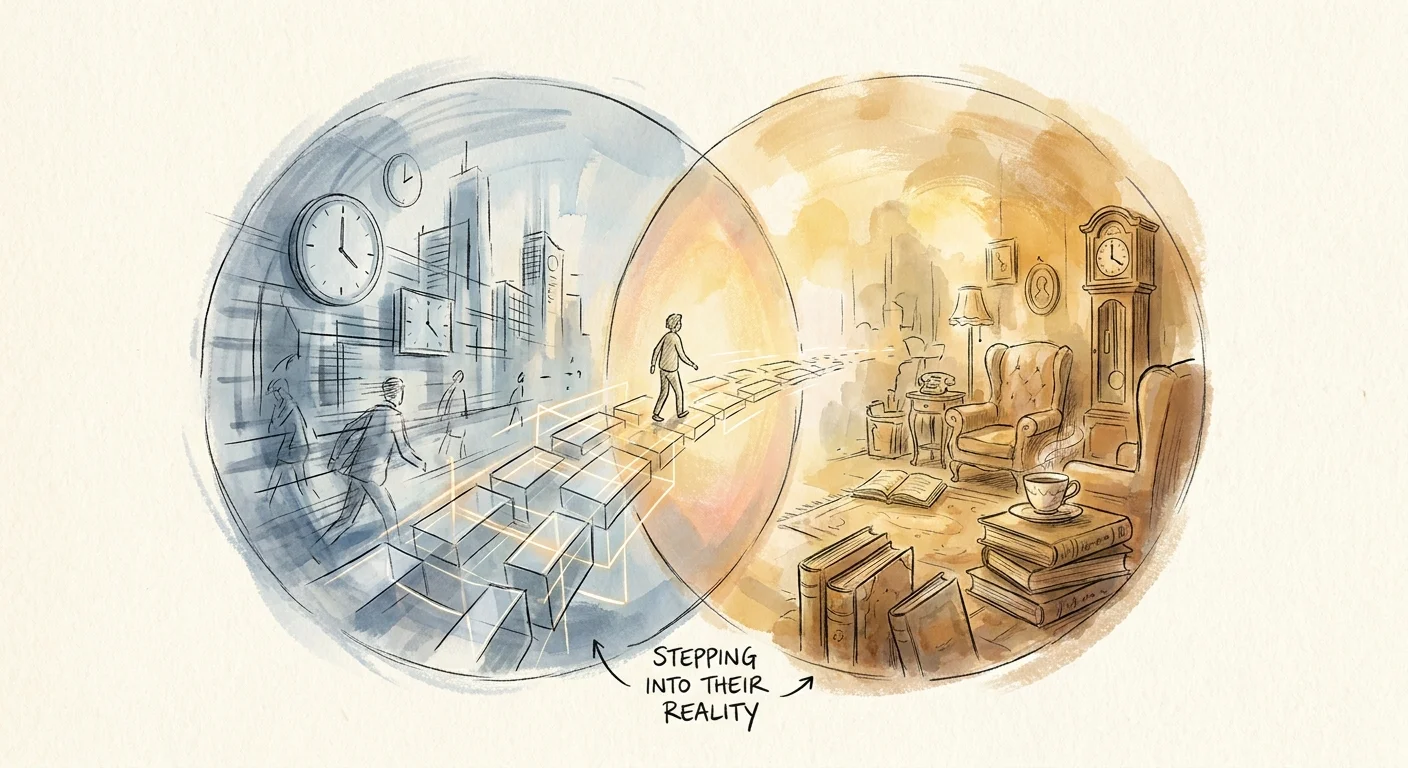
3. Step Into Their Reality
If an older adult is experiencing cognitive decline, do not try to drag them back into present-day reality—it is a terrifying place for them. If a father with dementia insists he needs to go to work, reminding him that he retired twenty years ago will only induce panic. Instead, ask him to tell you about his job. By joining his reality, you soothe his anxiety.
| Instead of Instinctive Reactions… | Try Empathetic Responses… |
|---|---|
| “I already told you that three times today.” | “I’m happy to go over the schedule again. Here is what we are doing…” |
| “You have to use your walker; you’re going to fall.” | “I worry about you getting hurt. Please use the walker so I know you’re safe.” |
| “Why are you being so difficult about going to the doctor?” | “It seems like you’re really dreading this appointment. What’s on your mind?” |
| “You are entirely wrong. That didn’t happen.” | “I remember that differently, but I can see why this is upsetting you.” |

Signs It’s Time to Talk to a Therapist
While patience and communication adjustments are vital, some situations require clinical intervention. If you notice any of the following patterns, it is time to seek professional guidance through resources like the American Psychological Association or the National Alliance on Mental Illness:
- Sudden, extreme personality shifts: If a previously gentle person becomes violently aggressive or intensely paranoid over the course of a few days, seek immediate medical attention to rule out infections, strokes, or medication interactions before treating it as a psychological issue.
- Profound social withdrawal: If they stop participating in cherished hobbies, refuse to leave the house, or stop maintaining basic hygiene, they may be experiencing severe clinical depression that requires targeted therapy or medication.
- Expressions of hopelessness: Statements like “I’m just a burden to everyone” or “I wish I wouldn’t wake up” should never be dismissed as normal grumbling. They are clinical red flags requiring immediate mental health support.
- Caregiver burnout: If managing your loved one’s behavior is causing you to experience panic attacks, chronic insomnia, or deep resentment, you need your own support system. Connecting with a counselor through Verywell Mind or local caregiver support groups is essential for your survival.

Maintaining Connection Through the Changes
Watching someone you love transform into a more difficult version of themselves is an incredibly painful experience. It is entirely valid to grieve the easy, comforting relationship you once shared. Remember that their rigid, irritable, or confusing behavior is rarely a personal attack on you; it is the chaotic byproduct of a brain and body struggling to manage overwhelming change.
By stepping back and recognizing the invisible burdens of aging—from neurodegeneration and chronic pain to quiet grief and lost autonomy—you can replace your frustration with compassion. You do not have to endure abusive behavior, but by setting gentle boundaries and leading with empathy, you can preserve the dignity of the person behind the struggle.
This is educational content based on psychological research and general principles. Individual experiences vary significantly. For personalized guidance, consult a licensed therapist, psychologist, or counselor.
Last updated: May 2026. Psychology research evolves continuously—verify current findings with professional sources.








Leave a Reply