

Retiring from a decades-long career often feels less like an extended vacation and more like a sudden plunge into an identity crisis. When your days are no longer defined by meetings, titles, or professional milestones, finding purpose after work becomes an urgent psychological necessity. Stripping away your career reveals the core of who you are, forcing a profound re-evaluation of how you measure your worth. Navigating this transition requires practical emotional tools to dismantle old habits and build a new framework for daily meaning. By examining current psychological research on post-career transitions, you can transform this disorienting void into a fertile foundation for genuine self-discovery and lasting life purpose.
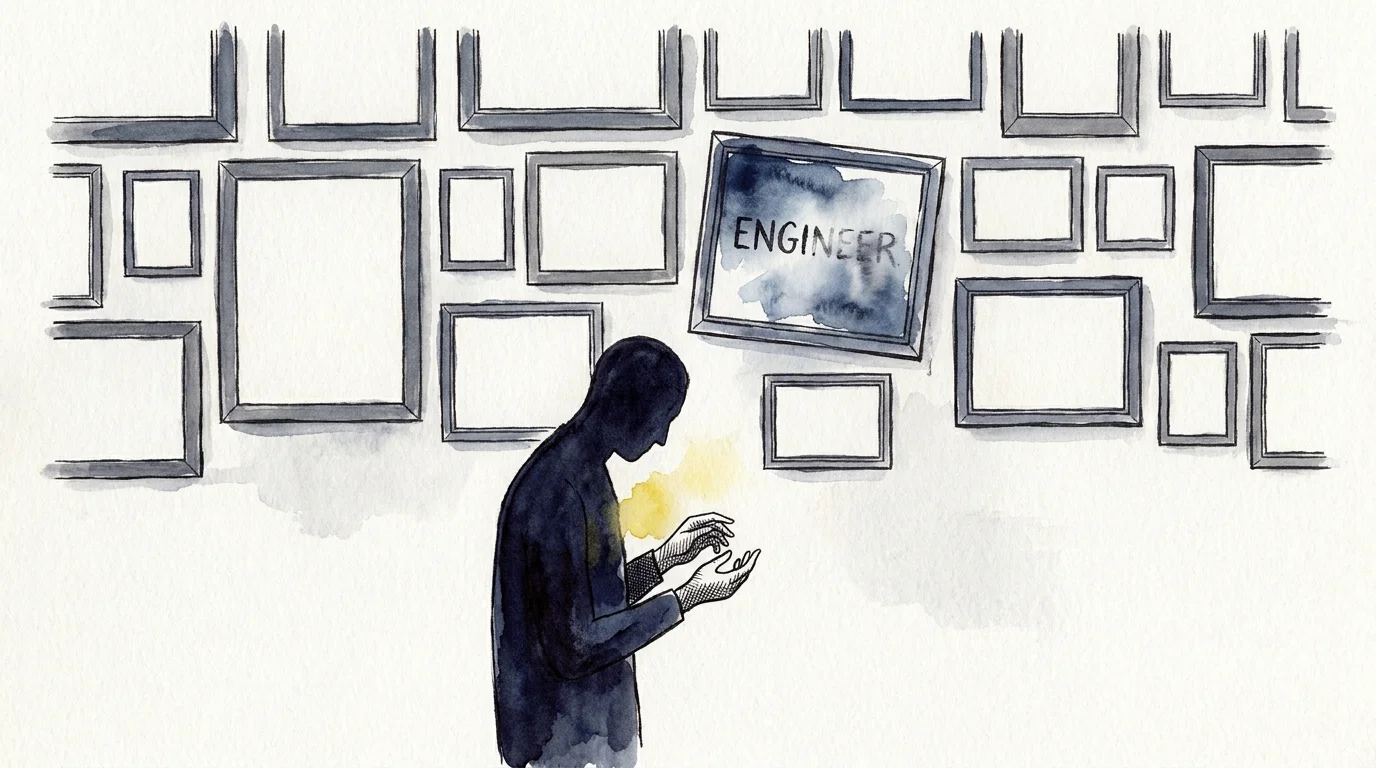
The Psychological Impact of Stripping Away Your Career
For decades, your answer to the question “Who are you?” was likely tied directly to what you did for a living. You didn’t just work as a teacher, an engineer, or a manager—you were a teacher, an engineer, or a manager. Losing that built-in social role creates a massive psychological vacuum. Society constantly reinforces the idea that our personal value is inextricably linked to our economic output. When that output stops, it is entirely normal to experience a profound crisis of self-worth.
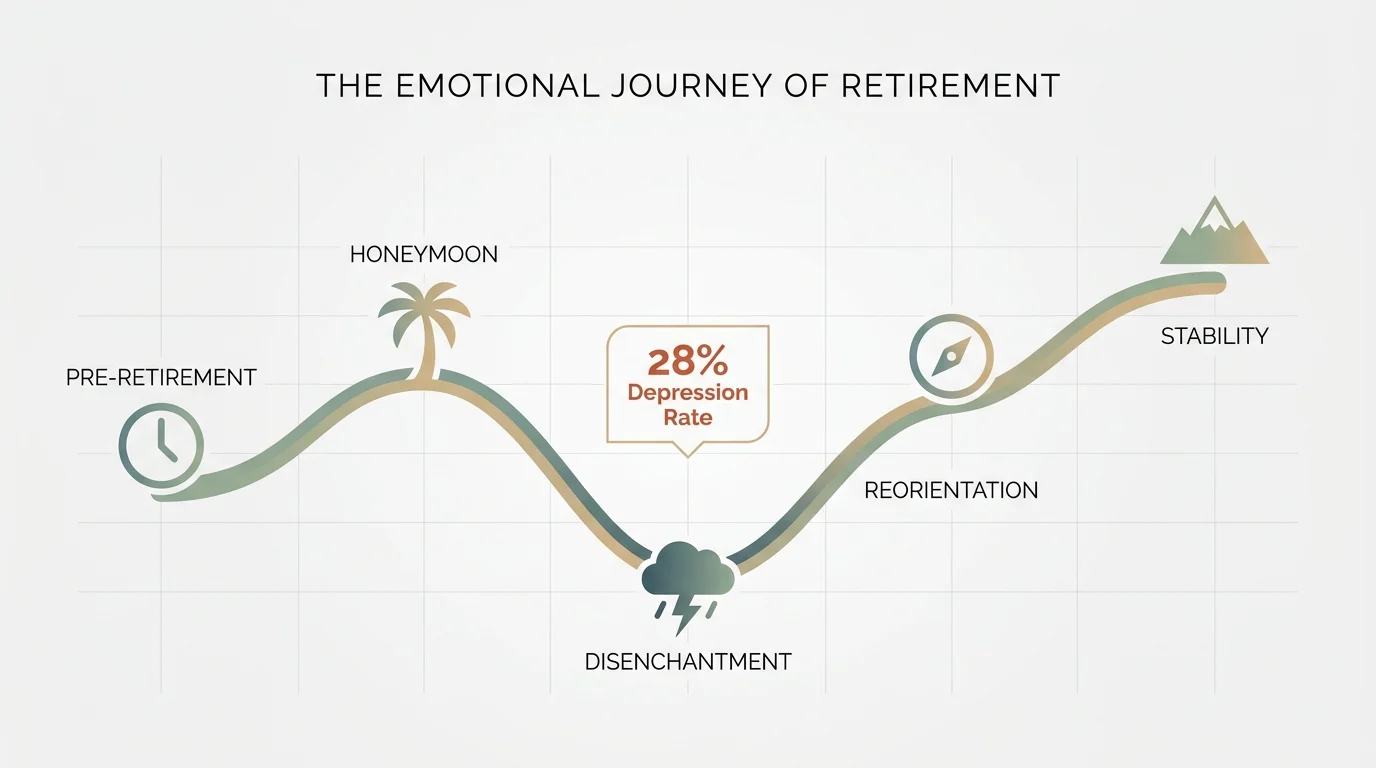
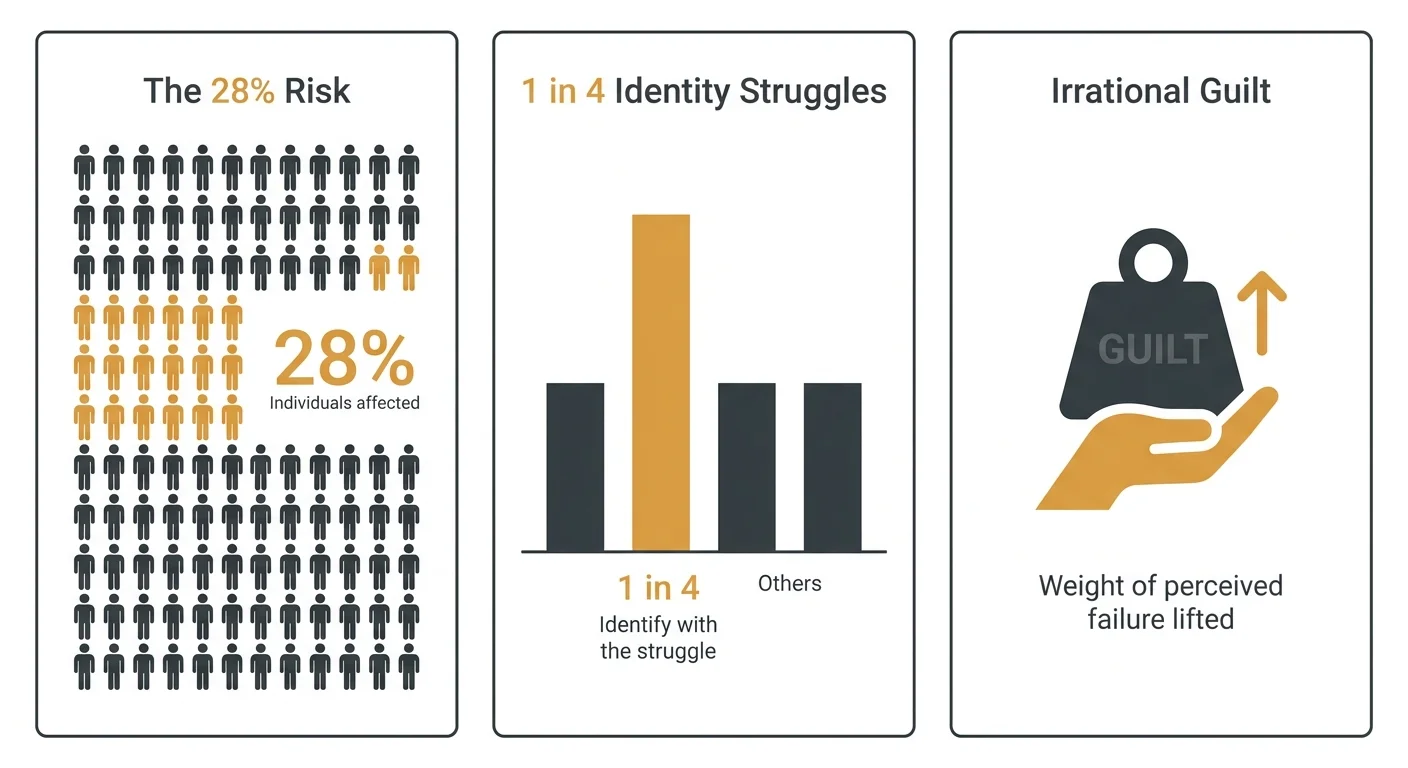
According to research published by the National Institutes of Health (NIH), the prevalence of depression among retirees sits at roughly 28 percent—a rate significantly higher than that of the general adult population. This psychological vulnerability increases drastically for individuals whose retirement was mandatory or driven by unforeseen health issues. The workplace provides far more than just a regular paycheck; it offers a highly structured daily routine, a built-in social network, and a continuous stream of micro-goals that give you a sense of forward momentum.
Furthermore, recent psychological studies indicate that more than one in four retirees report struggling heavily with their self-identity, grappling with a loss of meaning, and even experiencing irrational feelings of guilt over leaving the workforce. It is completely normal to feel unmoored. You are standing at the edge of a vast expanse of unstructured time, which can feel deeply disorienting if you do not have a psychological roadmap for the journey ahead.
Understanding the 5 Emotional Stages of Retirement
Retirement is not a single event; it is a complex, multi-year psychological transition. Sociologist Robert Atchley famously mapped out the emotional journey of retirement into distinct phases. Knowing exactly where you are on this map can normalize the turbulence you feel and assure you that your emotional fluctuations are part of a well-documented human process.
- The Pre-Retirement Stage: During the final years and months of your career, your focus is usually heavily skewed toward financial planning and logistics, often at the direct expense of emotional preparation. You might feel a chaotic mix of intense anticipation and low-level anxiety about the impending lifestyle shift.
- The Honeymoon Stage: For the first few months, leaving the workforce feels exactly like a long, well-deserved vacation. You sleep in, tackle ignored home projects, travel, and revel in the profound relief from alarm clocks and daily commutes. The chronic stress of your career fades, and your baseline mood generally lifts.
- The Disenchantment Stage: This is where the emotional crash occurs and the identity crisis strikes hardest. The novelty of endless free time wears off, and the psychological void appears. You might wake up and ask, “Is this all there is?” Boredom, restlessness, and a deep sense of uselessness characterize this phase. If you do not actively work through this stage, it can easily spiral into clinical depression.
- The Reorientation Stage: This is the active rebuilding phase. You start to drag yourself out of the disenchantment by actively experimenting with new routines, roles, and community involvement. You discover what actually brings you intrinsic meaning when you are no longer being paid to do it.
- The Stability Stage: You have successfully navigated the identity shift and established a fulfilling, sustainable daily rhythm. You have balanced relaxation with meaningful engagement, and you have built a new, post-work identity that feels deeply authentic and rewarding.
The Difference Between Filling Time and Finding Purpose
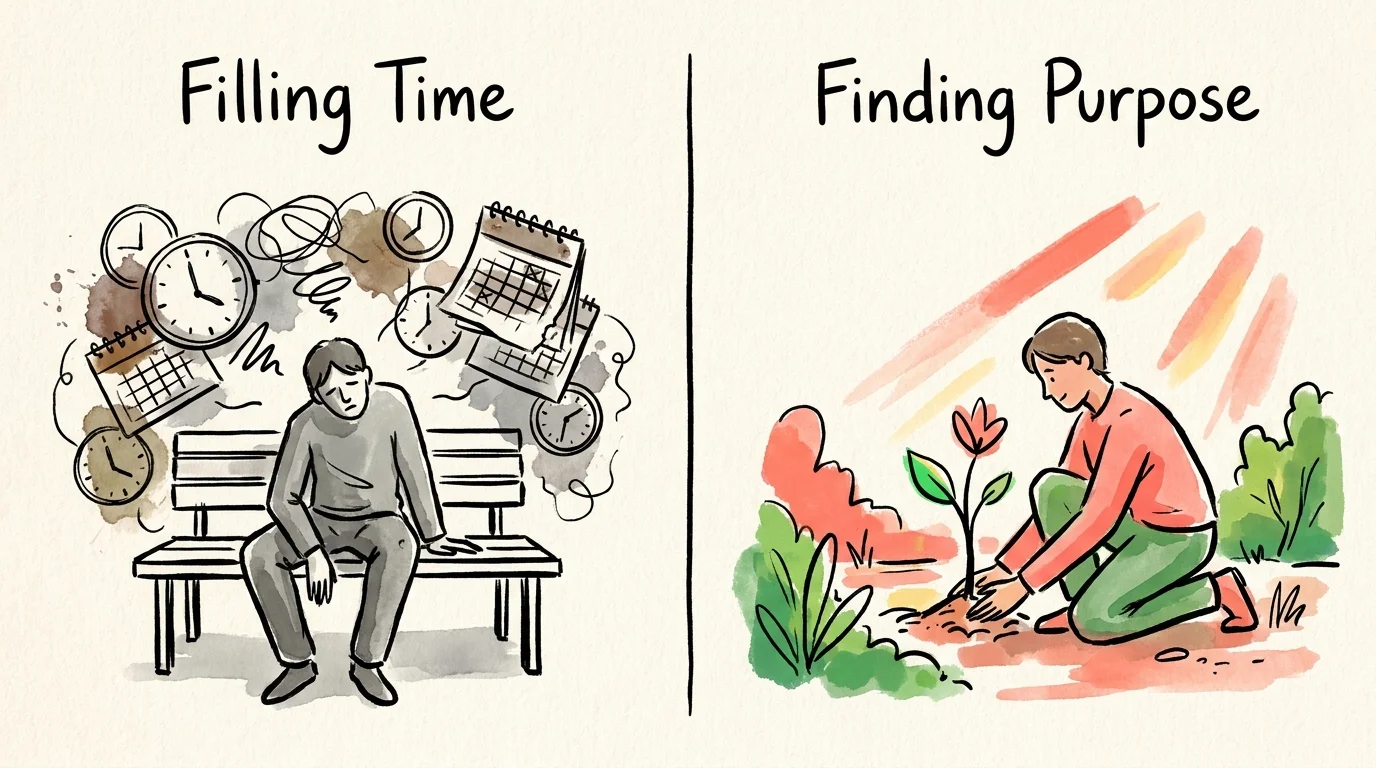
A common piece of advice given to newly minted retirees is to simply “get a hobby.” While playing golf, knitting, or gardening are wonderful ways to relax and decompress, filling time is not the same thing as fulfilling a purpose. To understand why, you have to look at the psychological distinction between hedonic and eudaimonic well-being.
Hedonic well-being is entirely about pleasure, comfort, and the avoidance of stress. Taking a cruise, eating a spectacular meal, or relaxing on the back porch provide hedonic happiness. However, hedonic pursuits alone are simply not robust enough to sustain your mental health through a multi-decade retirement. Data from the U.S. Bureau of Labor Statistics reveals that adults aged 65 and older watch an average of more than four hours of television per day. That is the ultimate hedonic filling of time—comfortable, but ultimately hollow.
Eudaimonic well-being, on the other hand, focuses on profound meaning, personal growth, and self-realization. It requires engaging with difficult challenges and contributing your energy to something larger than yourself. Volunteering, mentoring younger professionals, organizing a community initiative, or advocating for a cause are deeply eudaimonic pursuits.
The stakes for finding eudaimonic meaning are incredibly high. Psychological researchers tracking longevity have found that people who report having a strong sense of purpose live up to seven years longer than those who do not. Purpose literally protects your brain and your physical body.
“Those who have a ‘why’ to live, can bear with almost any ‘how.'” — Viktor Frankl, Psychiatrist and Holocaust Survivor
Hobbies provide a pleasant way to pass the afternoon; a core purpose provides a vital reason to wake up in the morning.

How Work Identity Enmeshment Impacts Your Relationships
When you stop working, the psychological ripple effects hit your partner and your household dynamics head-on. If your entire identity was historically tied to being “the provider” or “the decisive boss,” you might unconsciously bring that authoritative energy right into your living room. You may find yourself trying to “manage” your spouse or attempting to completely reorganize a household that was running perfectly fine without your daily input.
This dynamic is incredibly common. The sudden presence of a partner who is now home all day can disrupt established routines and create intense friction. If you are experiencing this, you are not failing at retirement; you are simply navigating a massive interpersonal shift.
To protect your relationship during this vulnerable time, you must actively establish new boundaries. Communicate openly about your deep need for alone time, and fiercely respect your partner’s need for the same. You are transitioning from being busy colleagues passing in the evening to full-time cohabitants; that requires a conscious, compassionate renegotiation of roles, chores, and daily expectations.
Actionable Ways to Reconstruct Your Post-Work Identity
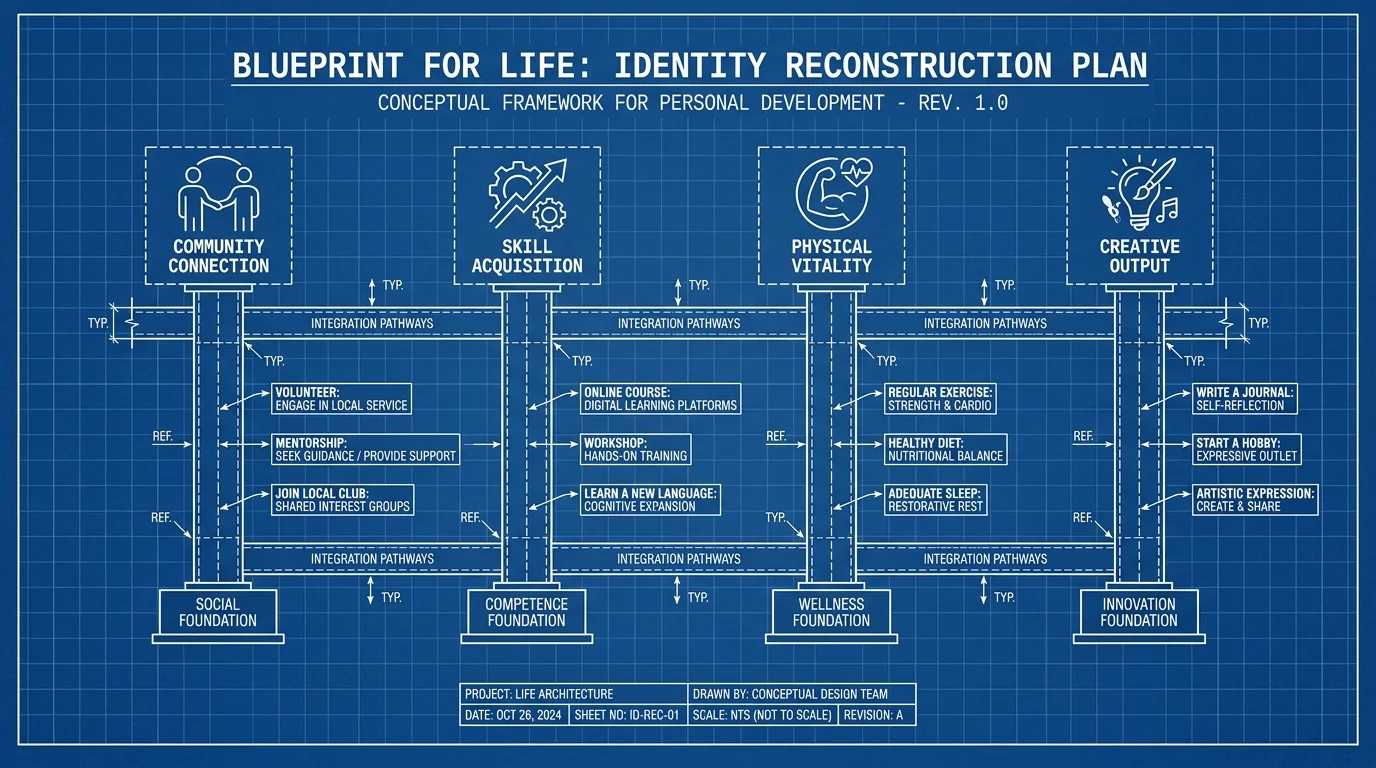
Rebuilding your self-worth and finding life purpose 60+ requires highly intentional effort. You cannot passively wait for inspiration to strike; you must actively dismantle your old identity to make room for the new one. Here are practical, evidence-based ways to navigate this reconstruction:
- Grieve your professional self: Acknowledge that you have experienced a profound loss. It is completely okay to deeply miss your colleagues, your corner office, the rush of closing a massive deal, or the quiet satisfaction of solving a complex problem. You cannot move forward until you accept and validate where you are right now.
- Separate your worth from your productivity: For your entire adult life, society rewarded you exclusively for producing. You must untangle your inherent value from your daily output. You are worthy of rest, joy, and existence simply because you are human.
- Conduct a core values audit: Shift your identity from “what I do” to “how I help.” If your career was in human resources, your underlying core value might actually be “helping others navigate conflict.” You can still live out that exact value by mediating for a neighborhood association or mentoring young adults who are just entering the workforce.
- Pursue multiple group memberships: Psychological research on retirement adjustment consistently shows that joining diverse social groups is the single most powerful compensation strategy for lost work-related identity. Finding your place in a new community—whether a specialized book club, a dedicated volunteer organization, or a civic board—provides necessary structure and a renewed sense of usefulness.
“The curious paradox is that when I accept myself just as I am, then I can change.” — Carl Rogers, Psychologist
Patterns to Watch For
As you navigate this massive life transition, be highly aware of these common psychological pitfalls that can derail your search for retirement meaning. These cognitive distortions are incredibly common, but recognizing them early is the first critical step to overcoming them.
- The Extended Vacation Illusion: Believing the honeymoon phase of early retirement will magically sustain your happiness forever. Expect the novelty to wear off eventually, and be fully prepared to do the deeper psychological work of finding meaning once the vacation feeling fades.
- Identity Foreclosure: This occurs when you prematurely decide your useful, productive years are entirely behind you. You might aggressively refuse to try new roles, engage in new hobbies, or learn new skills because you falsely believe it is simply too late. Aging is not a stopping point for psychological growth; your brain retains vital neuroplasticity well into your later decades.
- Productivity Guilt: You may feel restless, highly anxious, or fundamentally worthless on days when you aren’t visibly achieving something tangible. Notice exactly when this guilt flares up in your body, and gently remind yourself that rest is a valid, necessary state of human being.
- Isolation Masked as Independence: Because the workplace provided a reliable, built-in social network, leaving it often leads to profound, quiet loneliness. You might tell yourself you just “enjoy the peace and quiet,” while slowly, systematically withdrawing from all meaningful human connection. Stay vigilant about proactively maintaining your social ties.
When Self-Help Isn’t Enough
While a period of deep disorientation is inevitable, sometimes the transition out of the workforce triggers severe psychological distress. The American Psychological Association (APA) notes that major life transitions can frequently unmask underlying mental health conditions. Furthermore, the National Institute of Mental Health (NIMH) explicitly emphasizes that depression is not a normal part of aging, and recognizing the signs early is critical for effective intervention. Navigating this shift completely alone is not a badge of honor. Seek professional support from a licensed therapist or counselor if you experience any of the following:
- You experience persistent anhedonia—a complete, draining inability to feel pleasure or genuine interest in activities you usually enjoy—lasting for more than two consecutive weeks.
- You develop severe, intrusive anxiety regarding your financial security, despite objective evidence and concrete assurance from a financial planner that you have more than adequate resources.
- You systematically isolate yourself completely, ignoring phone calls from loved ones, canceling social plans, and refusing to leave your home for extended periods.
- Your sleep patterns or daily appetite change drastically, which are key physiological markers of clinical depression.
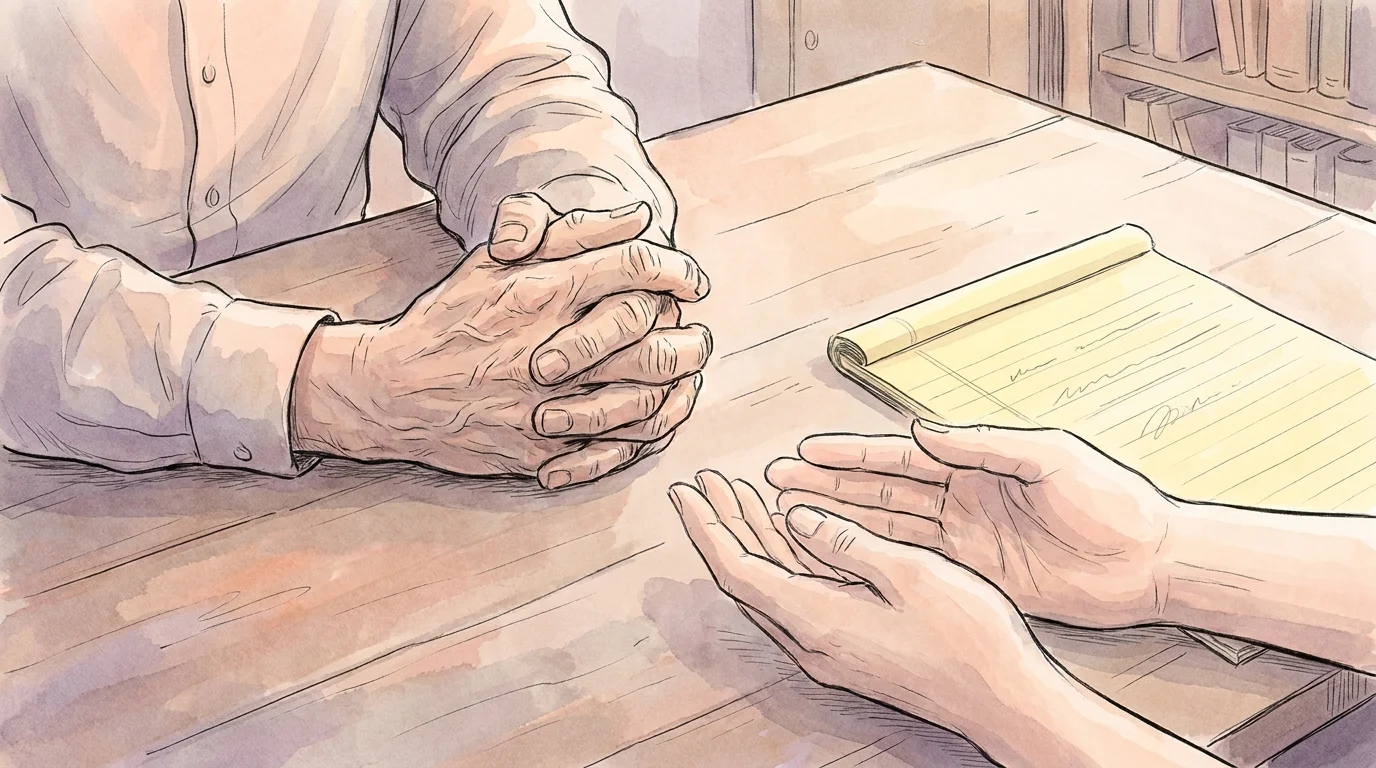
Therapy provides a neutral, deeply non-judgmental space to untangle your fears, grieve your former identity, and develop robust coping strategies tailored entirely to your specific emotional landscape.
Frequently Asked Questions
How long does the identity crisis after retirement usually last?
The length of the adjustment period varies wildly depending on your psychological flexibility, baseline health, and social support network. For many people, the disenchantment and reorientation phases mapped out by psychologists can last anywhere from six months to two full years. It takes genuine time to grieve your former self and experiment with new routines. Deep patience with your own timeline is essential.
Is it normal to actively regret retiring?
Yes, temporary regret is incredibly common, particularly during the initial disenchantment phase. When the rigid structure and reliable social validation of work suddenly disappear, it is entirely natural to long for the familiarity of your old career. This sharp regret usually dissipates naturally as you begin to build eudaimonic meaning and establish a new, rewarding daily routine.
How do I find my purpose if I never had hobbies outside of work?
Do not panic if you do not have pre-existing hobbies ready to go. Begin by looking backward at what you genuinely enjoyed as a child or young adult long before your demanding career took over. Alternatively, look closely at your core strengths. If you are highly organized, volunteer to manage the logistics for a local charity. True purpose often stems from applying your natural, innate talents to a pressing community need, rather than trying to force a sudden, artificial interest in painting or golf.
Moving Forward With Intention
Rebuilding your identity and purpose after you stop working is not a simple project you finish over a weekend. It is a slow, deeply personal, and sometimes messy evolution. Give yourself full permission to experiment broadly with new interests, to fail spectacularly at new hobbies, and to change your mind repeatedly about what you want your days to look like. The ultimate goal is not to replace your old career with a perfectly matched equivalent, but to discover exactly who you are when you are finally free to choose.
Take one small, manageable step today. Reach out to a community organization, write down three of your core values on a piece of paper, or simply pause to appreciate a quiet morning completely free of productivity guilt. You have spent your whole life working; now, you have the beautiful opportunity to design a life that truly works for you.
The information in this article is meant for educational purposes and general guidance. It does not replace individual therapy, counseling, or medical treatment. If you or someone you know is in crisis, contact the 988 Suicide & Crisis Lifeline by calling or texting 988.
Last updated: May 2026. Psychology research evolves continuously—verify current findings with professional sources.









Leave a Reply