

Emotional exhaustion in a relationship feels like carrying a heavy weight that slowly depletes your mental and physical reserves. When a connection shifts from supportive to deeply draining, your nervous system remains in a constant state of low-grade alert, altering how you process stress and communicate. You might find yourself dreading interactions with someone you love, or experiencing physical fatigue that a full night of sleep cannot fix. Recognizing these biological and psychological shifts is the critical first step toward protecting your well-being. By understanding the specific markers of emotional burnout, you can shift from feeling helplessly depleted to actively managing your emotional boundaries and restoring your personal energy.
The Psychology of Emotional Exhaustion in Relationships
We often associate burnout with high-pressure careers or overwhelming caregiving duties. However, interpersonal relationships are one of the most common—and overlooked—sources of chronic emotional depletion. When you interact with a partner, family member, or close friend who consistently drains your energy, your body interprets the social friction as a biological threat.
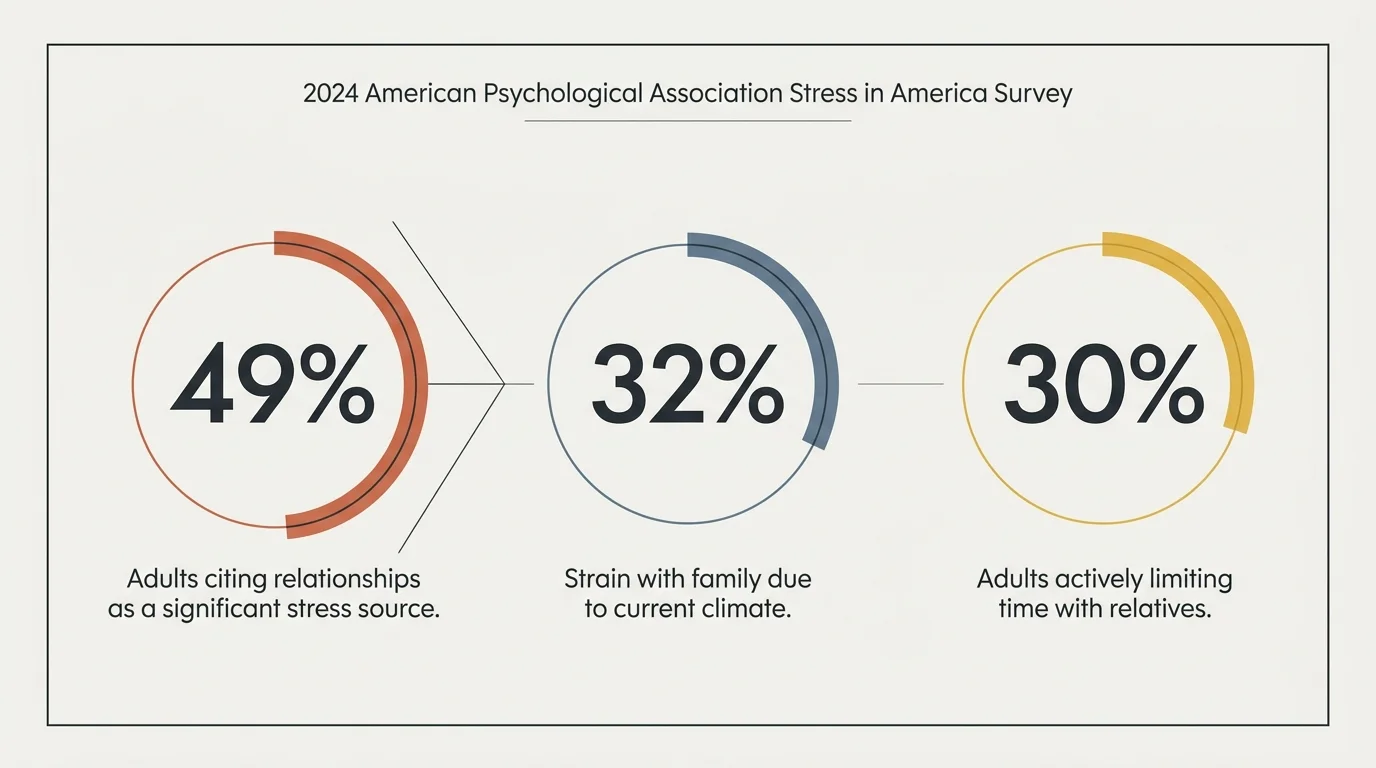
Relationship stress is currently at a high point for many individuals. According to the 2024 American Psychological Association Stress in America survey, 49% of adults cite their relationships as a significant source of day-to-day stress. Furthermore, broader societal tensions are bleeding into our personal lives; 32% of respondents reported that the current climate has caused direct strain with family members, prompting 30% of adults to actively limit the time they spend with relatives.
The World Health Organization characterizes clinical burnout through three main dimensions: profound emotional exhaustion, depersonalization or cynicism, and a reduced sense of personal accomplishment. While originally applied to occupational stress, modern psychology recognizes that these identical symptoms manifest in toxic relationships. The constant demand to manage someone else’s moods, mediate conflicts, or suppress your own needs leads to a state where your emotional resources are simply bankrupted.
8 Signs You’re Emotionally Drained By Someone Close To You
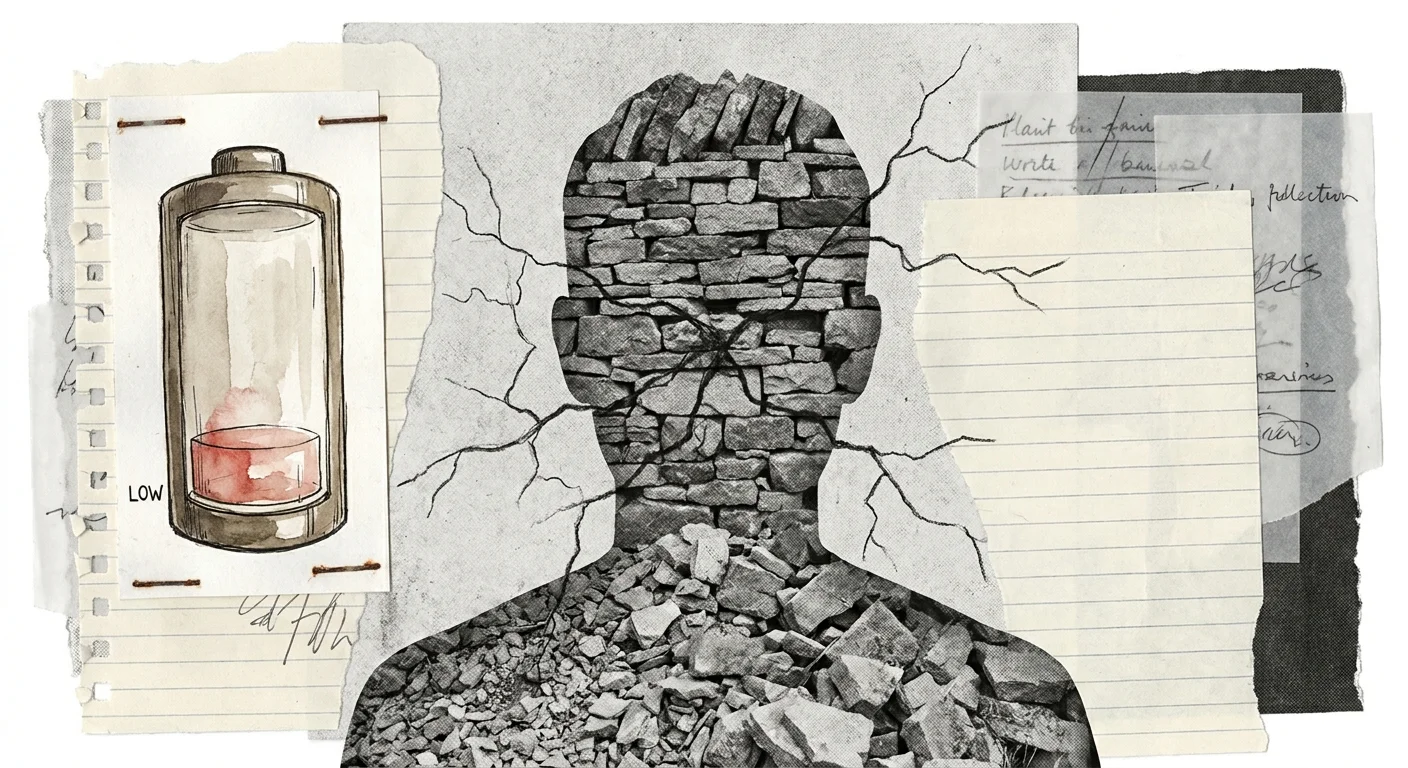
Emotional drainage rarely happens overnight. It is a slow erosion of your emotional capacity. If you suspect a relationship is taking a toll on your mental health, look for these eight research-backed indicators.
1. You Frequently Experience “Emotional Flooding”
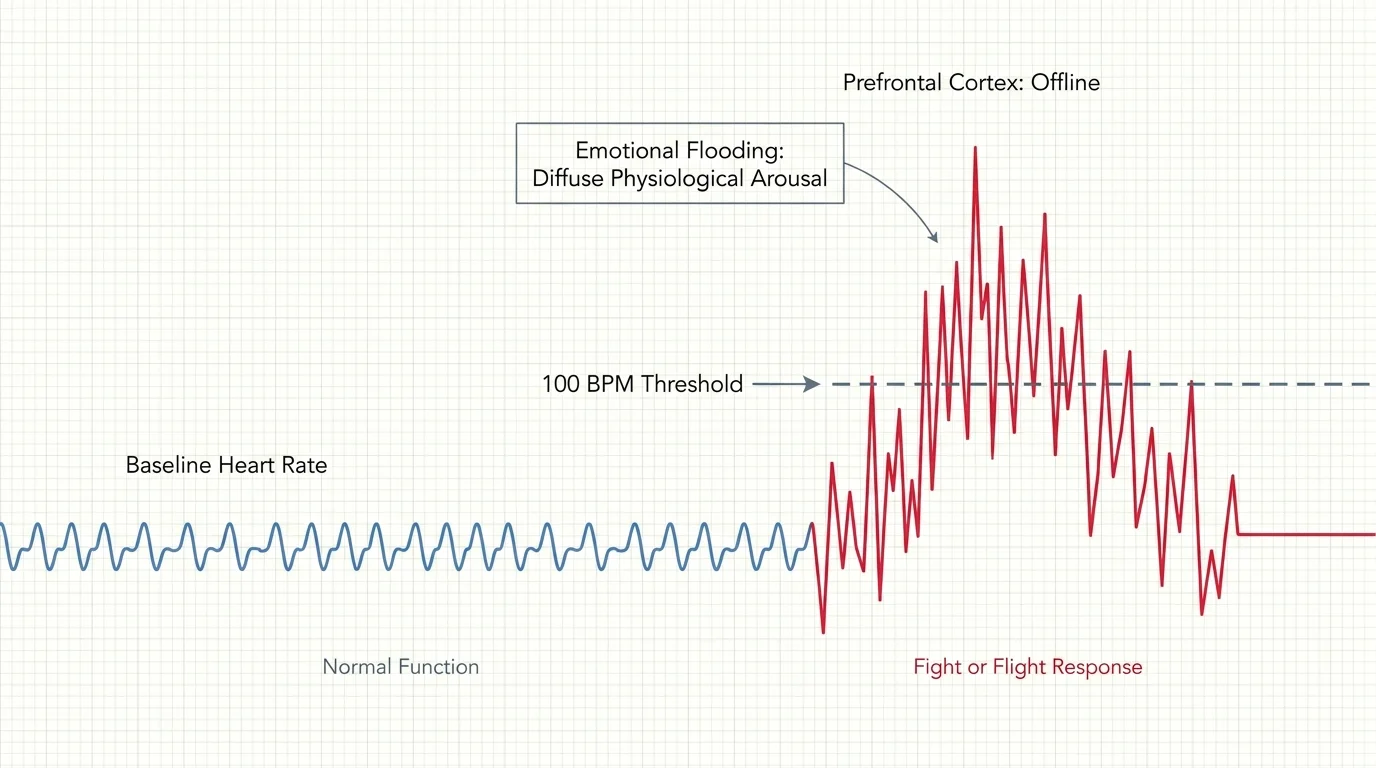
When an interaction becomes overwhelmingly stressful, your body initiates a physiological defense mechanism known as emotional flooding. Dr. John Gottman, a leading researcher at The Gottman Institute, defines flooding as crossing a specific biological threshold: when your heart rate exceeds 100 beats per minute during a relational interaction. At this point, your autonomic nervous system enters a state of Diffuse Physiological Arousal.
During flooding, adrenaline and cortisol surge through your bloodstream, effectively taking your prefrontal cortex—the logical, problem-solving part of your brain—offline. If you find that conversations with a specific person consistently cause your chest to tighten, your pulse to race, and your ability to think clearly to vanish, you are experiencing an involuntary biological response to an emotionally draining dynamic.

2. Physical Symptoms Arise Before You Even Speak
The mind and body are inextricably linked. Before you consciously register that a relationship is exhausting, your body often keeps the score. Somatic symptoms of relationship burnout include chronic fatigue that does not resolve with rest, frequent headaches, gastrointestinal distress, and muscle tension. You might notice your jaw clenching or your shoulders rising toward your ears the moment you see their name appear on your phone. This physical anticipation of stress indicates that your nervous system perceives their presence as a depleting event.
3. “Negative Sentiment Override” Takes Hold
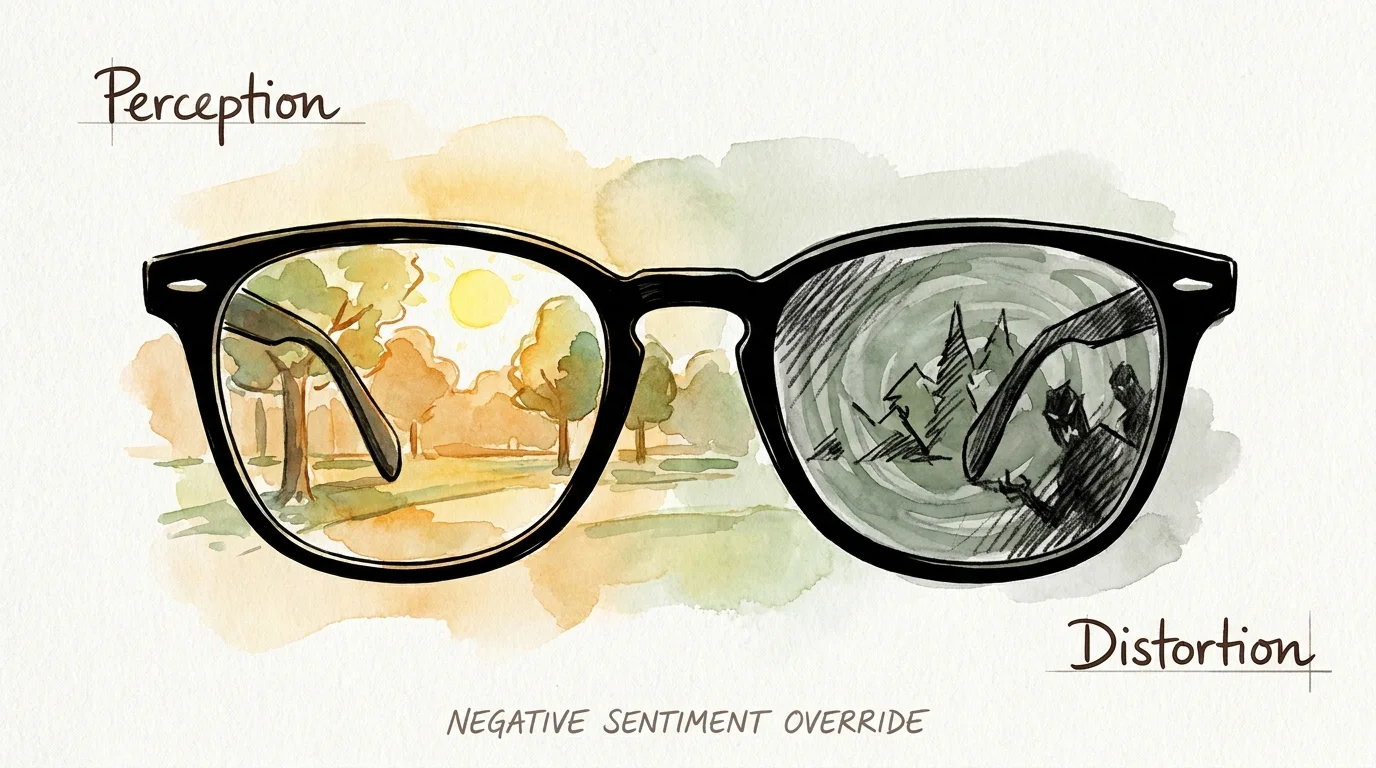
In a healthy, energized relationship, you tend to give the other person the benefit of the doubt. If they forget to call, you assume they got busy. But when you are emotionally exhausted, you enter a state psychologists call negative sentiment override. In this state, your brain filters even neutral or positive actions through a negative lens. A simple question like, “How was your day?” might feel like a trap or an interrogation. When a relationship drains you for too long, your cognitive baseline shifts to assume the worst, simply as a protective measure against further emotional labor.
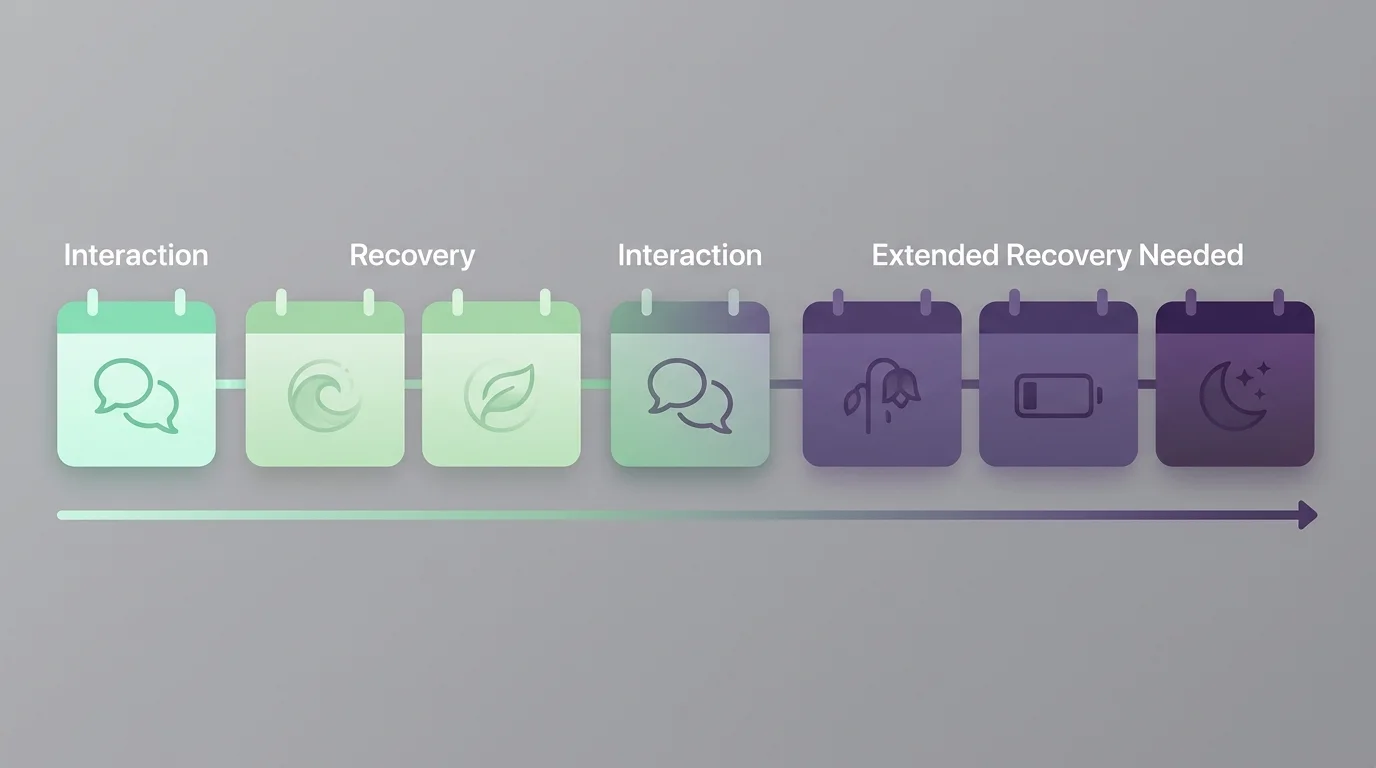
4. The Recovery Time Between Interactions Lengthens
Healthy relationships provide mutual energy. Even after an argument, a secure connection allows both parties to repair and move forward relatively quickly. Clinical research by Dr. Gottman indicates that it takes a minimum of 20 minutes for the body to metabolize stress hormones and return to a physiological baseline after an intense conflict. However, when you are emotionally drained by someone, this recovery period stretches from minutes into hours, or even days. You may find yourself needing entire weekends isolated in your room just to mentally recover from a single afternoon spent in their company.

5. You Constantly Self-Censor and Walk on Eggshells
A hallmark of an exhausting relationship is the sheer amount of mental gymnastics required to keep the peace. If you spend hours rehearsing conversations, carefully selecting your words to avoid triggering an outburst, or hiding your true opinions, you are performing a massive amount of invisible emotional labor. This hypervigilance is an adaptation to unpredictable or critical behavior. Constantly monitoring another person’s emotional state leaves very little cognitive bandwidth for your own life, leading to rapid psychological fatigue.
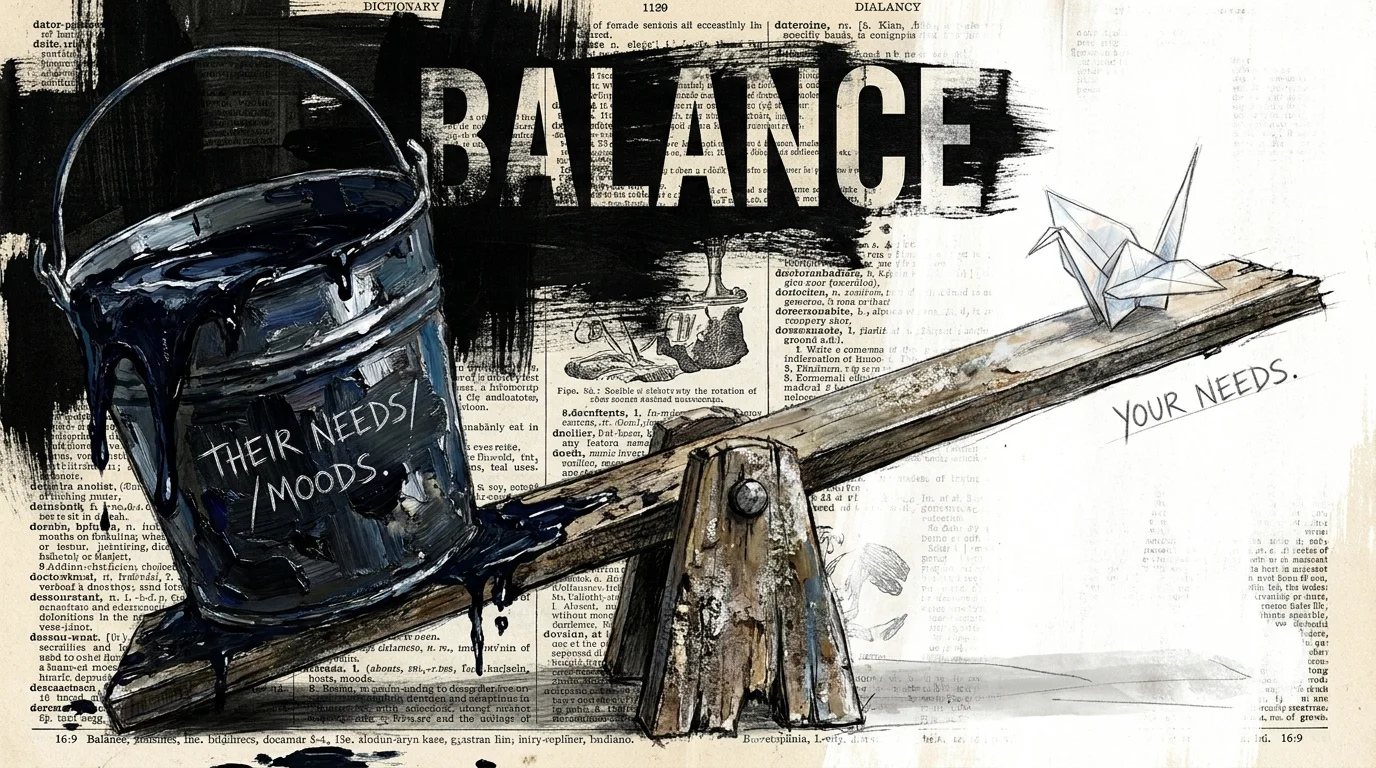
6. The Relationship Lacks Reciprocity
Emotional exhaustion thrives in environments of extreme imbalance. You might realize that you serve as their therapist, crisis manager, and primary source of validation, yet the moment you experience a hardship, they are absent or dismissive. In an emotionally draining relationship, you constantly pour into their cup, while yours remains completely dry. Over time, this lack of reciprocity breeds deep-seated resentment and a feeling of being entirely unanchored in the relationship.
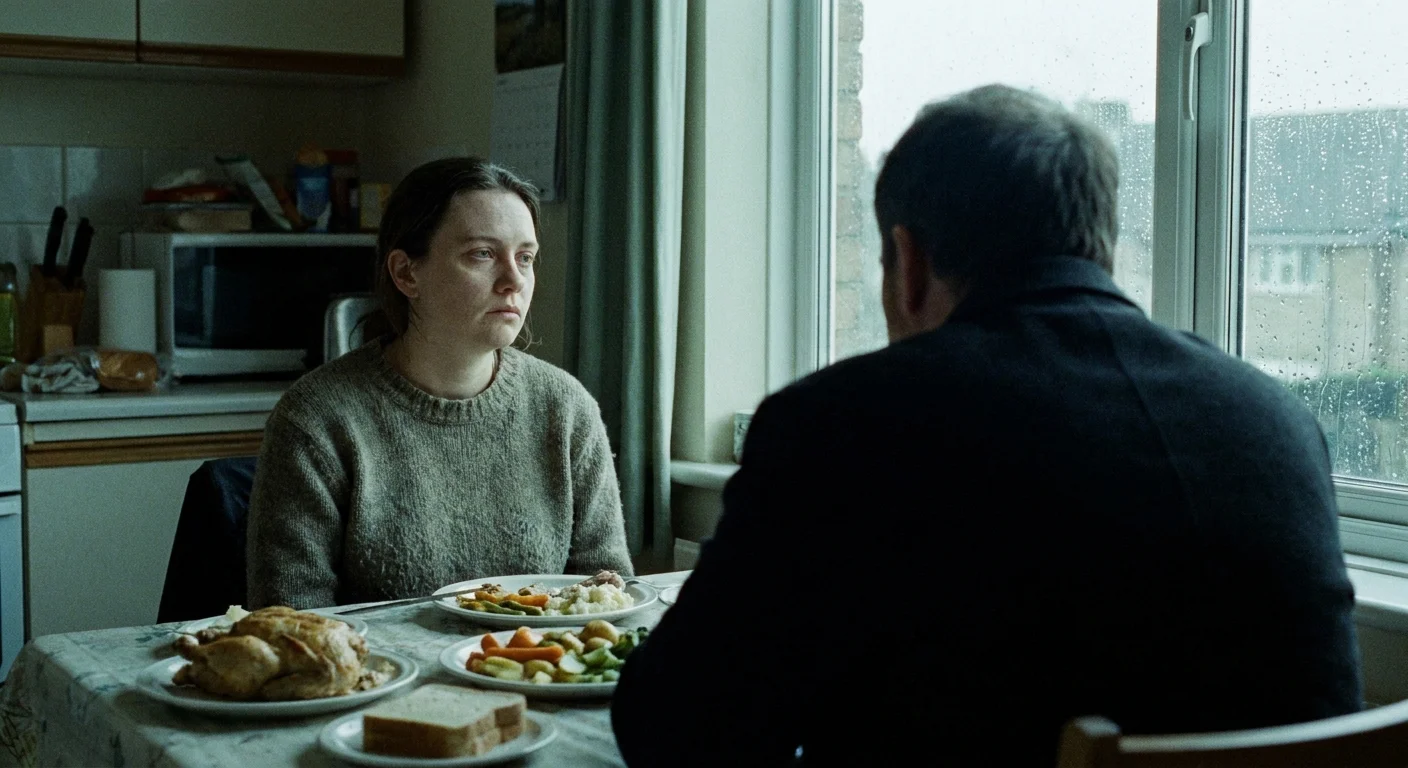
7. You Experience Apathy and Emotional Detachment
Burnout eventually forces the brain to protect itself through emotional numbing. You may look at the person and realize you feel absolutely nothing—not anger, not love, just a profound sense of emptiness. In clinical terms, this emotional detachment is sometimes related to alexithymia, where the brain essentially mutes feelings to survive chronic stress. If you find yourself thinking, “I just don’t care anymore,” during conflicts that used to upset you deeply, your emotional reserves have likely been tapped out.
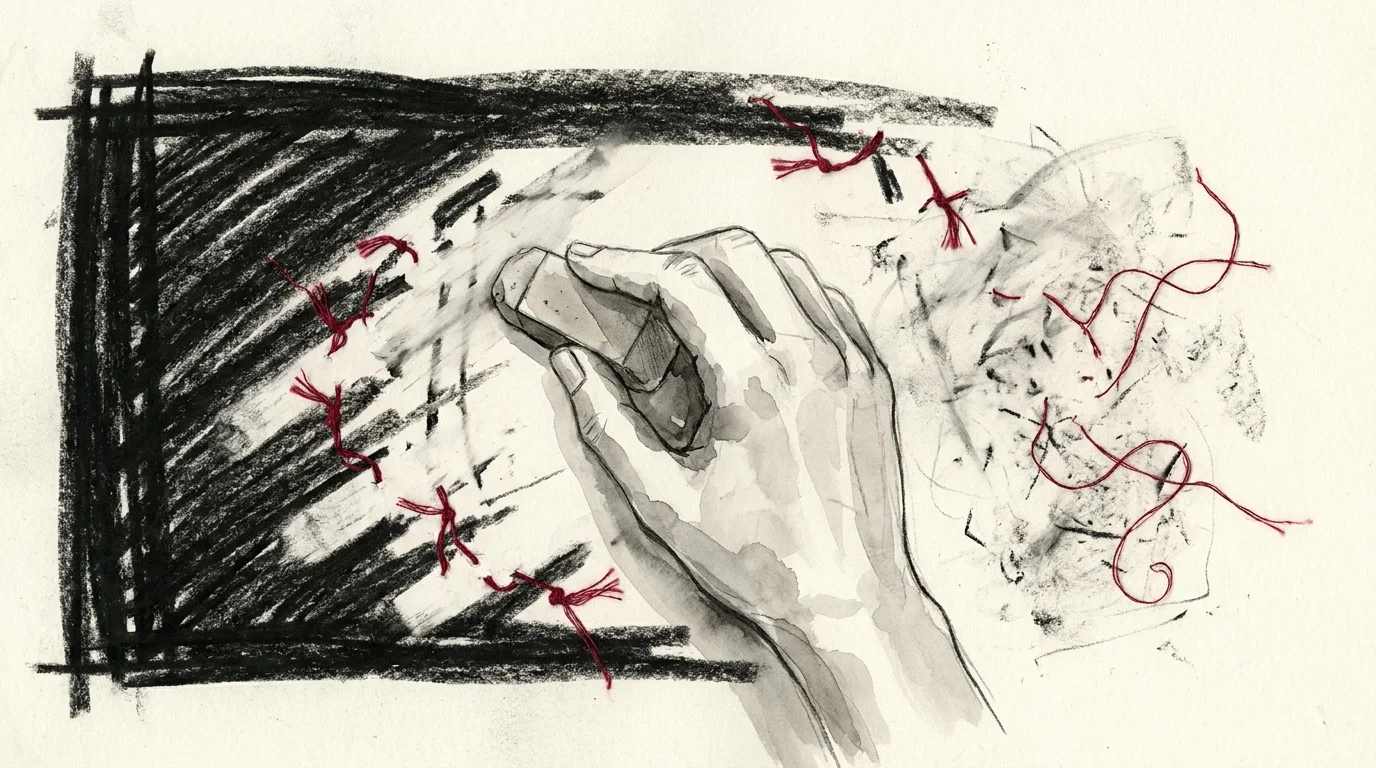
8. You Compromise Your Core Boundaries
When you lack the energy to enforce your limits, boundaries begin to erode. You might agree to plans you hate, lend money you cannot afford, or tolerate disrespectful language simply because fighting back requires energy you do not possess. Setting boundaries requires emotional stamina. When you are drained, yielding feels like the only option for survival.
“Daring to set boundaries is about having the courage to love ourselves, even when we risk disappointing others.” — Brené Brown, PhD, MSW

What Can Go Wrong: Misconceptions About Relationship Burnout
When trying to navigate an exhausting dynamic, several common misunderstandings can keep you trapped in the cycle.
Misconception: Draining means the person is intentionally malicious.
People often hesitate to admit they are drained because they love the person and know the individual means well. However, someone does not have to be a toxic villain to be emotionally exhausting. Unmanaged anxiety, chronic complaining, poor boundaries, and unhealed trauma can make a well-intentioned person deeply draining to be around. You are allowed to protect your energy regardless of their intent.
Misconception: You just need to communicate more.
Popular psychology often frames “better communication” as the cure for all relational ills. But when you are dealing with severe emotional exhaustion and biological flooding, forcing more conversations often exacerbates the damage. Continuing a conversation while flooded leads to saying things you do not mean and doing damage that takes immense time to repair. Sometimes, the healthiest response is less communication and more distance.
Misconception: Exhaustion is a sign of your own weakness.
Feeling drained is not a failure of empathy or a sign that you do not care enough. It is an objective biological reality. The World Health Organization acknowledges burnout as a legitimate state of health, caused by chronic, unmanaged stress. Your exhaustion is a functional alert system telling you that your environment requires adjustment.

How to Respond When You Feel Depleted
Reclaiming your energy requires shifting how you engage with the person draining you. You cannot control their behavior, but you can systematically alter your responses.
| Draining Pattern | Restorative Boundary |
|---|---|
| Over-explaining your choices to avoid their judgment. | Stating your decision clearly and refusing to engage in a debate. “This is what works best for me right now.” |
| Dropping everything to manage their emotional crises. | Implementing delayed responses. “I cannot talk right now, but I can call you tomorrow evening.” |
| Absorbing their negativity or chronic complaining. | Redirecting the conversation. “I don’t have the bandwidth to discuss this today. Let’s talk about something else.” |
| Staying in arguments while actively emotionally flooded. | Enforcing the 20-Minute Rule. “I am feeling overwhelmed. I am taking a 30-minute break before we continue.” |
Applying the 20-Minute Rule is particularly vital. Dr. Gottman’s research confirms that when heart rates spike during conflict, reasoning becomes impossible. A five-minute break is insufficient; the body needs at least 20 minutes of disengagement to clear stress hormones. Stepping away is not avoidance; it is biological triage.

When to Seek Professional Support
While establishing boundaries can alleviate mild to moderate emotional drainage, some relationship dynamics require clinical intervention. The National Alliance on Mental Illness encourages seeking professional support when relationship stress begins impairing your daily functioning. Consider consulting a licensed therapist if you experience the following:
- Physical health deterioration: Your exhaustion has evolved into chronic insomnia, panic attacks, or unexplained physical pain.
- Complete emotional numbness: You feel entirely detached from all areas of your life, exhibiting signs of clinical depression or anhedonia (the inability to feel pleasure).
- Fear of retaliation: You are afraid to set boundaries because you fear the person will escalate to verbal, emotional, or physical abuse.
- Impact on healthy relationships: The energy drain from this one individual is causing you to isolate yourself from supportive friends, your partner, or your children.
Frequently Asked Questions
Can a relationship recover from total emotional burnout?
Yes, recovery is possible, but it requires active participation from both individuals. Unlike occupational burnout where you can simply quit a job, relationship burnout requires systemic restructuring. Both parties must be willing to acknowledge the destructive patterns, learn to recognize physiological flooding, and practice new methods of repair. Often, couples counseling or family therapy is necessary to bridge the gap.
How do I set a boundary with someone I live with?
Setting boundaries in shared spaces requires physical and temporal limits. You might establish “quiet hours” where you do not engage in deep conversations, or designate a specific room as a sanctuary where you cannot be interrupted. Use clear, behavioral requests rather than emotional accusations. For example, instead of saying, “You are always stressing me out,” try, “I need 30 minutes of quiet time to decompress after work before we discuss household issues.”
Is it me, or is the relationship toxic?
It can be difficult to trust your reality when you are exhausted. A healthy relationship allows for mutual growth, respect for boundaries, and safe conflict resolution. A toxic dynamic consistently undermines your self-worth, ignores your limits, and features manipulative behaviors like gaslighting or guilt-tripping. If enforcing a gentle boundary results in punishment or intense rage, the dynamic is likely toxic.
Navigating an emotionally draining relationship requires immense self-compassion. Your primary responsibility is to your own physical and mental well-being. By recognizing the biological signs of flooding, acknowledging the validity of your exhaustion, and implementing firm, loving boundaries, you can slowly refill your emotional reserves.
This is educational content based on psychological research and general principles. Individual experiences vary significantly. For personalized guidance, consult a licensed therapist, psychologist, or counselor.
Last updated: May 2026. Psychology research evolves continuously—verify current findings with professional sources.









Leave a Reply