How to communicate
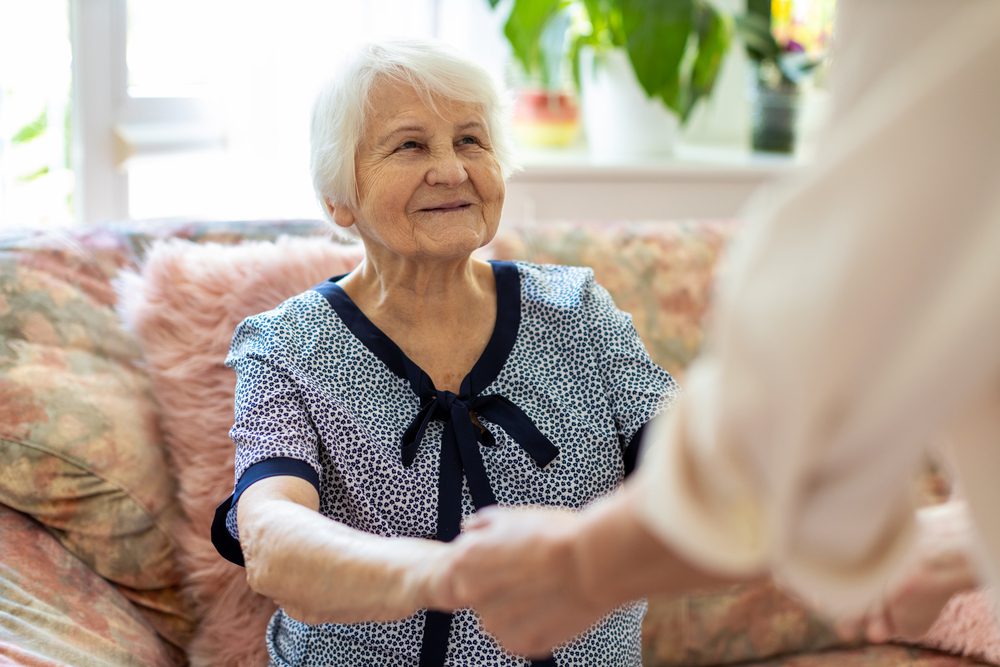
When it comes to dementia communication, it’s important to use short, simple sentences. Communicate calmly and clearly, and don’t talk to the person as you would a kid—be patient and have respect for them.
Instead of asking question after question, which may feel quite intimidating and tiring, try to talk to the person in a conversational way. Include them in conversations with others. It’s important not to speak as if they’re not there.
Being included can help someone with dementia know they are valued and keep their sense of identity. It can also help them feel less isolated or excluded.
If the person becomes tired easily, go at a slightly slower pace than usual. As already stated, dementia communication is about patience, so engage in short, regular conversations if the person is struggling to follow you. Also, avoid raising your voice or speaking sharply.
Allow time between sentences so the person can process the information and respond at their own pace. These pauses may feel uncomfortable if they become quite long, but it’s important to give the person time to respond.
In dementia communication, it’s important to let the person finish their own sentences, so try to avoid assuming you know what they’re trying to say.






I’ve got 2 neighbors who have dementia. Mel is verbal and John doesn’t know me. His wife is my best friend. I go over to see her a lot. I think he gets frustrated when we leave the room because she’ll tell me what is going on. Should we stay and talk later? My other neighbor doesn’t walk and her husband says she is total care now. It’s so sad because she is only 2 yrs older than me. Is there anything I should be doing for Mel?