
Social withdrawal rarely begins with a dramatic announcement; it creeps in through cancelled plans, unreturned texts, and quiet weekends. Recognizing these subtle shifts early protects your emotional resilience and physical vitality before loneliness takes a deeper toll.
You might label your quiet habits as simple introversion or much-needed rest after demanding work weeks. Yet unintentional withdrawal often masks emerging depression, chronic stress, or nervous system burnout.
Spotting the micro-patterns of disconnection allows you to reclaim genuine belonging on your terms. Here are eight research-backed signs that your solitude has quietly crossed into harmful isolation.
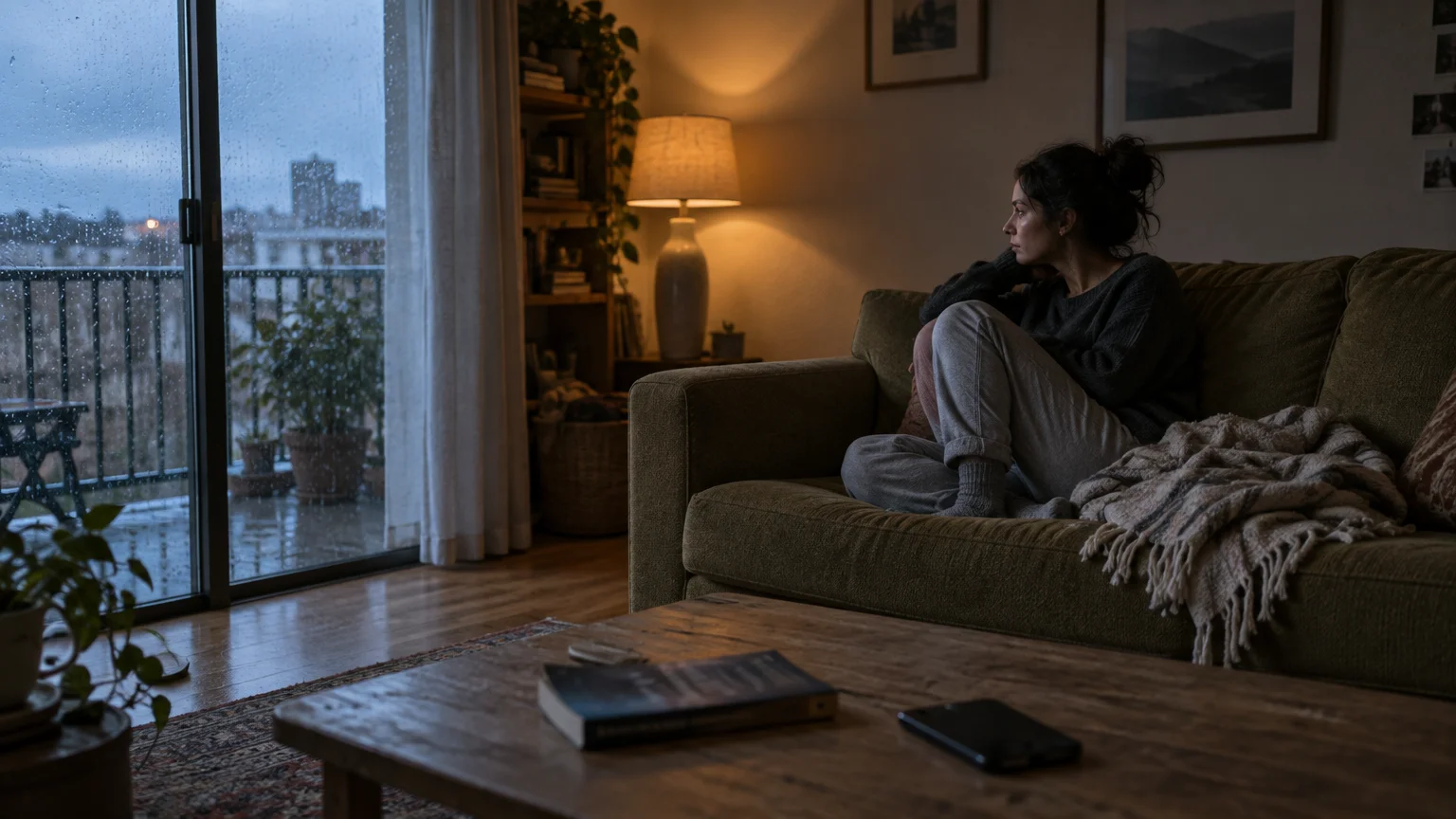
The Hidden Creep of Social Disconnection
Social isolation rarely announces itself with a sudden, deliberate decision to abandon your community. Instead, it creeps in through quiet rationalizations, like choosing a quiet evening alone over a casual dinner.
Over time, staying home shifts from an occasional indulgence into an automatic default. Your social world gradually contracts until leaving your living space feels unnatural.
Psychologists note that social withdrawal often acts as an unconscious defense mechanism against chronic life stress. When your nervous system feels overwhelmed, your instinct is to retreat and eliminate external stimulation.
However, prolonged withdrawal creates an insidious feedback loop. The longer you remain separated from others, the more threatening ordinary human interactions begin to seem.
Investigating mental health and isolation helps you detect this downward cycle early. Awareness allows you to intervene before emotional detachment reshapes your daily habits.








Leave a Reply