Anger signals boundary violations, yet persistent hostility erodes your relationships, career, and physical health. Recognizing whether your emotional responses cross into destructive territory allows you to regain stability before lasting damage occurs.
When routine daily frustrations routinely trigger explosive outbursts or prolonged silence, your nervous system remains trapped in survival mode. Identifying these recurring patterns helps you address uncontrolled anger at its root.
Discover the ten key signs of anger issues below, understand the difference between healthy boundaries and harmful reactivity, and learn proven anger management strategies to reclaim your peace.

10 Critical Signs of Anger Issues
1. Disproportionate Reactions to Minor Inconveniences
You might find yourself screaming over spilled coffee or slamming doors when stuck in moderate traffic. When small inconveniences provoke intense fury, your brain treats routine hitches as existential threats.
This reaction indicates that your nervous system lacks the emotional buffer needed to absorb routine stress. Healthy frustration acknowledges irritation without escalating into a full fight-or-flight surge.
2. Physical Symptoms Preceding an Outburst
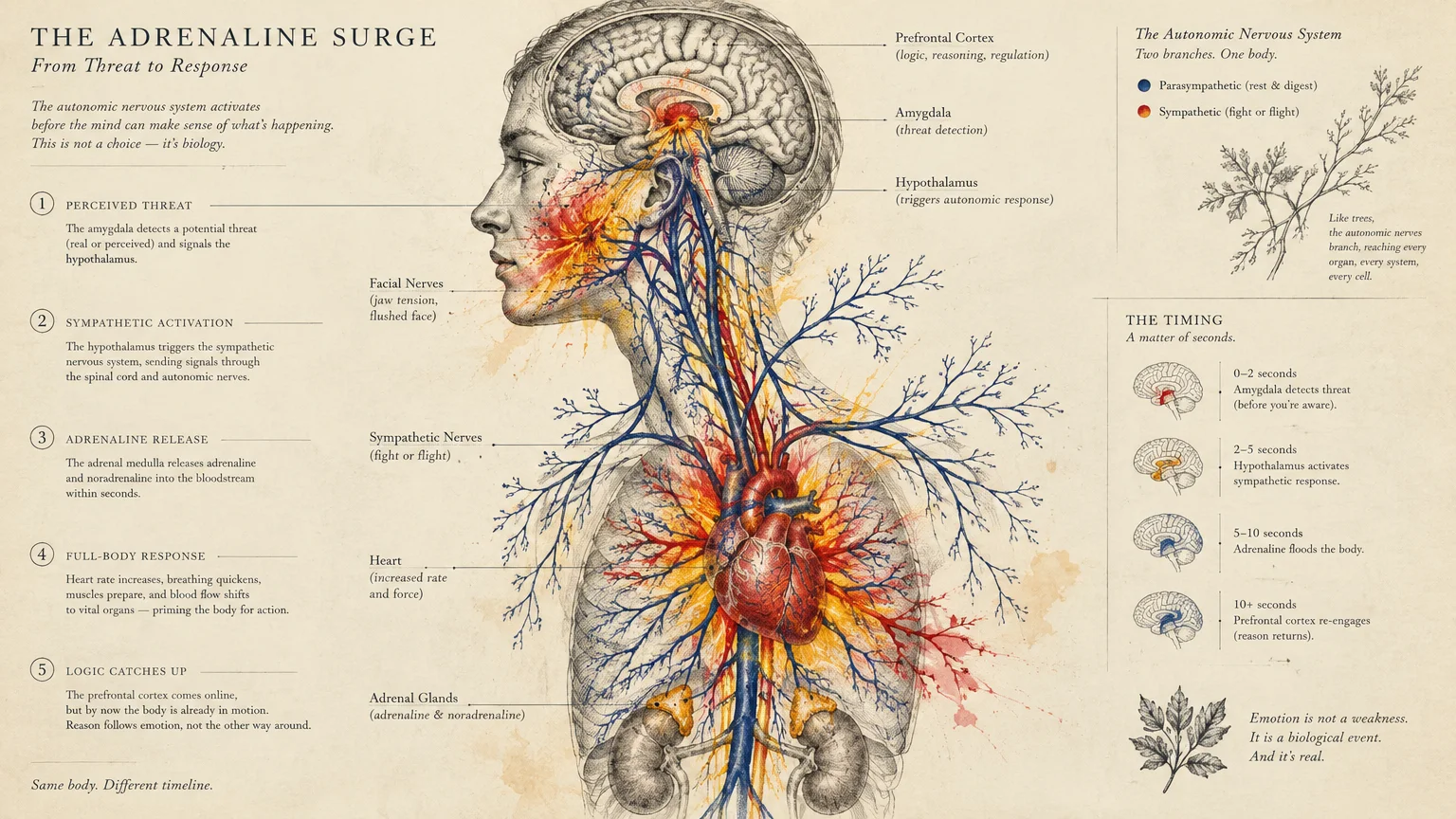
Anger always produces distinct somatic signals before conscious awareness catches up. You may notice a clenched jaw, tight chest, shallow breathing, or a sudden spike in heart rate.
According to the Cleveland Clinic, this surge of adrenaline prepares your body for physical confrontation. Ignoring these physiological warning signs makes emotional regulation far more difficult once an episode begins.
3. Lingering Resentment and Grudge-Holding
Holding onto past slights keeps your nervous system in a chronic state of low-grade hostility. You might replay past arguments in your head for days or weeks after they conclude.
This persistent rumination prevents emotional resolution and deepens interpersonal alienation. It turns temporary disagreements into permanent grievances that poison your future interactions.
4. Frequent Regret and Guilt Following Explosions
A hallmark of uncontrolled anger is the predictable cycle of explosive rage followed by acute remorse. You say cruel things you do not mean, only to feel profound shame hours later.
While remorse reflects your true values, relying on apologies without changing the underlying pattern erodes trust. Repeated cycles of explosion and apology gradually destroy relationship stability.
5. Reliance on Passive-Aggressive Communication
Anger problems do not always manifest as loud shouting matches. Giving the silent treatment, using cutting sarcasm, and deliberately sabotaging shared tasks represent indirect expressions of hostility.
Research from The Gottman Institute highlights contempt and stonewalling as major predictors of relationship distress. When you disguise anger instead of stating needs clearly, emotional intimacy rapidly deteriorates.
6. Inability to Disengage from Arguments
Do you feel a compulsive need to win every debate and deliver the final word? For individuals with anger issues, stepping away from a disagreement feels like intolerable defeat.
This rigid mindset escalates minor differences into protracted battles. Learning how to control anger requires recognizing that de-escalation protects your relationships far more than winning an argument ever could.
7. Property Destruction and Physical Aggression
Punching walls, throwing household items, slamming cabinets, or driving recklessly when upset are dangerous manifestations of anger. These physical actions serve as intimidation tactics, whether intentional or not.
Physical aggression signals an urgent breakdown in impulse control. It creates genuine fear in those around you and frequently leads to severe legal or safety consequences.
8. Loved Ones Walking on Eggshells
Pay attention to how your partner, children, or colleagues behave around you. If they carefully manage their words, conceal mistakes, or appear anxious about your reactions, your temper has created an unsafe environment.
When family members modify their behavior to prevent your outbursts, emotional safety has vanished. Recognizing this pattern is essential for acknowledging the real impact of your emotional state.
9. Using Substances to Dampen Irritation
Reaching for alcohol or sedatives to quiet chronic irritability is a common coping mechanism. While substances might numb emotional intensity temporarily, they weaken executive control and worsen emotional regulation over time.
The American Psychological Association notes that substance use often intensifies aggressive impulses during subsequent conflicts. Masking irritability prevents you from developing genuine psychological tolerance for distress.
10. Chronic Irritability and Low Frustration Tolerance
If you wake up feeling short-tempered and stay on edge all day, anger has become your baseline state. You might view other people as deliberately incompetent, intrusive, or disrespectful.
Chronic cynicism and irritation drain your mental energy and strain your cardiovascular system. Living in perpetual defense mode makes everyday life feel like a continuous battleground.
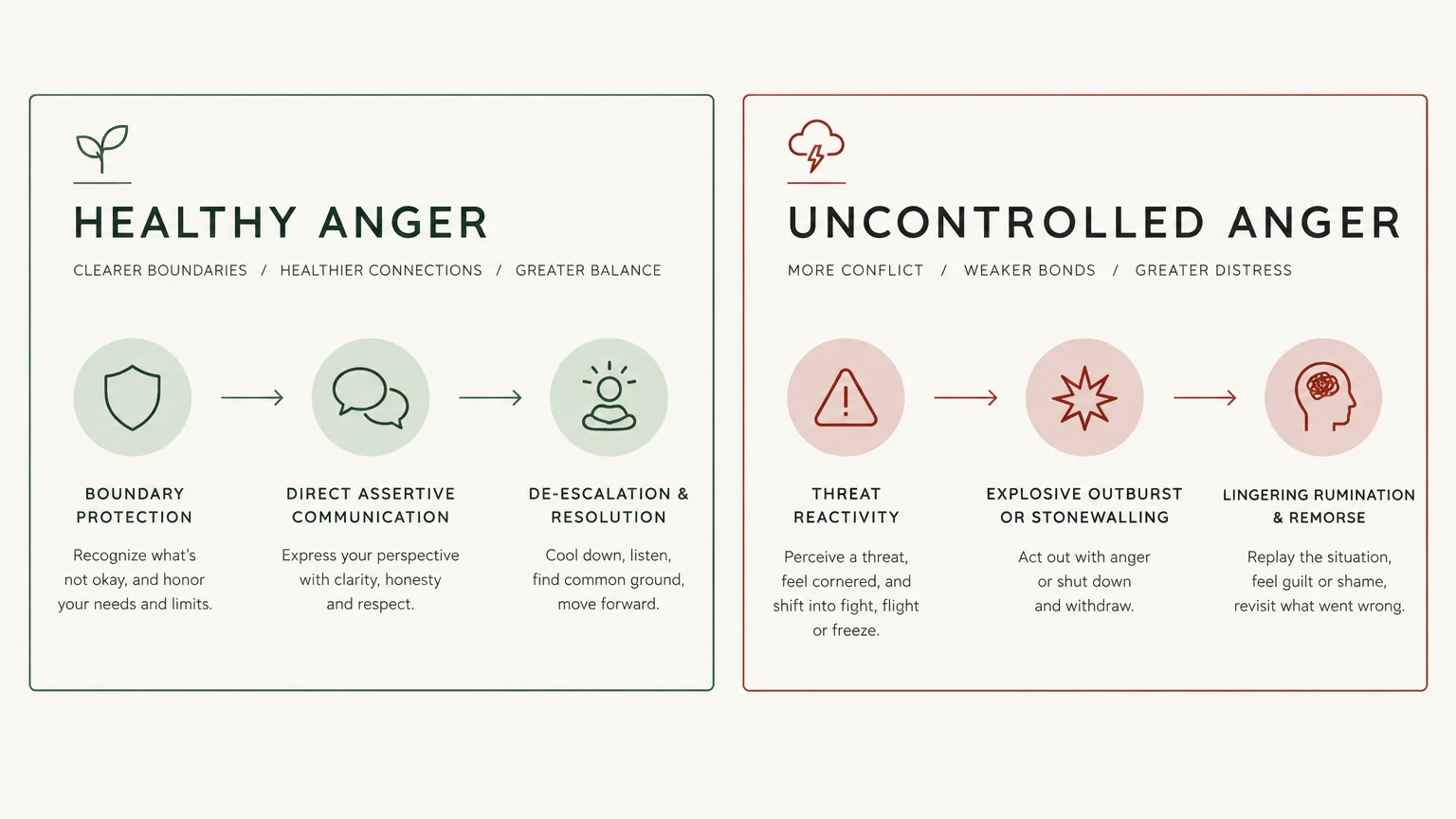
Healthy Anger vs. Uncontrolled Anger: Key Differences
Anger itself is a normal human emotion designed to alert you to injustice or violated boundaries. The critical difference lies in how you process and express that emotional energy.
Review the table below to evaluate whether your typical responses reflect constructive boundaries or uncontrolled hostility.
| Dimension | Healthy Anger | Uncontrolled Anger |
|---|---|---|
| Primary Focus | Addressing a specific problem or boundary violation | Attacking character, punishing, or dominating others |
| Physical Awareness | Recognizes bodily tension and pauses to regulate | Ignores somatic warning signs until explosive release |
| Communication Style | Assertive, clear, and direct without insults | Yelling, name-calling, sarcasm, or stonewalling |
| Conflict Resolution | Seeks mutual understanding and constructive solutions | Demands total victory and keeps resentment alive |
Healthy anger establishes boundaries without inflicting harm. Uncontrolled anger seeks dominance, inflicts emotional wounds, and leaves both parties feeling exhausted and disconnected.
Common Misconceptions
Many cultural beliefs about anger encourage destructive habits rather than emotional health. Examining these myths will help you cultivate more effective emotional responses.
Misconception 1: Venting Aggression Clears Your Mind
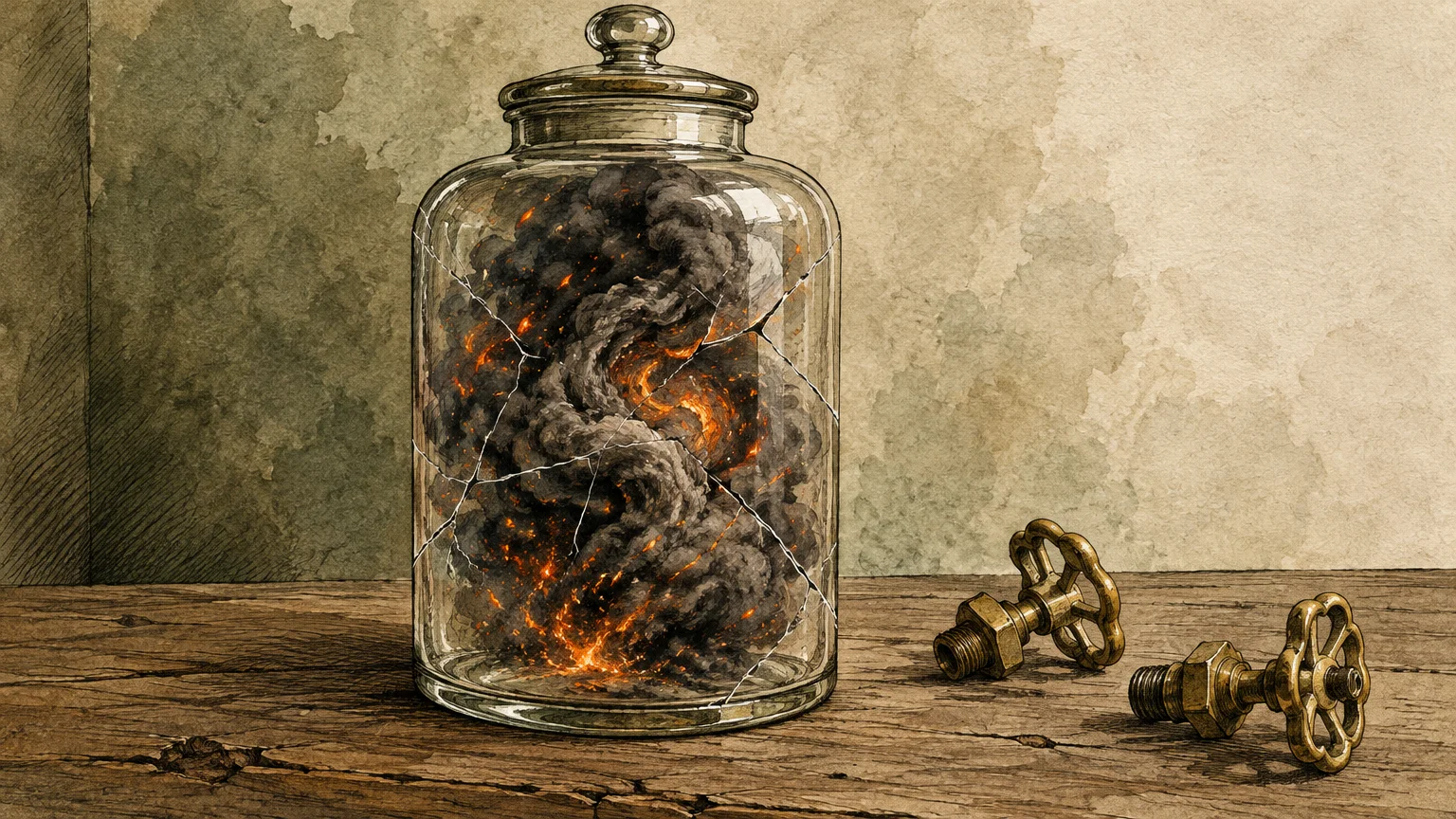
Many people believe that punching pillows, screaming in cars, or breaking objects releases pent-up rage. However, psychological research demonstrates that aggressive venting actually reinforces neural pathways associated with hostility.
Controlled breathing and cognitive reappraisal lower physiological arousal far more effectively than physical catharsis.
Misconception 2: Suppressing Anger Eliminates the Problem
Swallowing your frustration does not make it disappear. Repressed feelings frequently emerge as physical headaches, high blood pressure, or sudden, explosive outbursts over trivial matters.
Productive anger management teaches you to acknowledge your feelings immediately without letting them dictate aggressive actions.
Misconception 3: A Hot Temper Is Hardwired and Unchangeable
Believing that your temper is simply an unchangeable personality trait prevents personal growth. While temperament has genetic components, emotional regulation is a skill that anyone can strengthen through practice.
Evidence-based therapies consistently demonstrate that targeted behavioral exercises rewire how your brain responds to sudden triggers.

Actionable Steps: How to Control Anger in Daily Life
Gaining control over intense emotional reactions requires concrete, repeatable habits. Implement these research-supported strategies whenever you feel your frustration begin to escalate.
- Activate the Parasympathetic System: Practice physiological sighing or box breathing by inhaling deeply and extending your exhalation. Slowing your breath signals safety to your brain and lowers heart rate quickly.
- Enforce a Mandatory Timeout: Step away from heated discussions before saying words you will regret. Inform the other person that you need twenty minutes to cool down before resuming the conversation constructively.
- Identify Primary Vulnerabilities: Anger rarely exists in isolation; it often masks underlying hurt, rejection, exhaustion, or fear. Ask yourself what vulnerable emotion lies beneath your current defensive flare-up.
- Reframe Cognitive Distortions: Challenge catastrophic thoughts like “they always disrespect me” or “this ruined everything.” Replace exaggerated assumptions with factual, neutral assessments of the immediate situation.
Practicing these techniques during low-stakes moments builds the mental muscle you need during intense conflicts.
Expert Perspective on Emotional Reactivity
Breaking automatic anger cycles requires creating a brief moment of conscious awareness between a trigger and your reaction.
“Between stimulus and response there is a space. In that space is our power to choose our response. In our response lies our growth and our freedom.” — Viktor E. Frankl, Neurologist and Psychiatrist
Expanding that crucial pause allows you to evaluate your options rather than reacting blindly out of threat or defense.

Finding the Right Professional Help
Self-directed coping tools offer immense value, but certain patterns signal that working with a licensed clinician is necessary. Seek specialized support from a therapist if you experience any of the following scenarios:
- Physical Aggression or Property Damage: You have broken objects, slammed doors aggressively, or physically intimidated loved ones during arguments.
- Threatened Relationships or Employment: Your outbursts have resulted in relationship ultimatums, workplace disciplinary actions, or severed friendships.
- Co-Occurring Mood Struggles: Your irritability coincides with severe depressive episodes, chronic anxiety, or compulsive substance use.
- Legal or Safety Complications: Reckless behavior, road rage incidents, or physical confrontations have created legal risks or safety hazards.
Therapeutic modalities like Cognitive Behavioral Therapy (CBT) and Dialectical Behavior Therapy (DBT) teach practical distress tolerance and cognitive restructuring. Explore directory resources through the Psychology Today directory to connect with qualified anger management therapists in your area.
According to Harvard Health, structured anger management programs consistently help participants develop emotional self-regulation and reduce destructive behavioral patterns.
Frequently Asked Questions About Anger Problems
Can anger issues be a symptom of an underlying mental health condition?
Yes. Chronic anger and irritability often accompany conditions such as major depression, generalized anxiety disorder, ADHD, post-traumatic stress disorder (PTSD), and intermittent explosive disorder.
A thorough evaluation by a qualified mental health clinician can identify whether an underlying condition is fueling emotional volatility.
What is the most effective therapy for anger management?
Cognitive Behavioral Therapy (CBT) represents the gold standard for treating problematic anger. It helps you recognize automatic negative thoughts, de-escalate physical arousal, and adopt constructive communication strategies.
Clinicians often integrate Dialectical Behavior Therapy (DBT) skills to improve distress tolerance and emotional regulation.
How long does it take to see improvement with anger management?
Many individuals notice meaningful reductions in emotional reactivity within eight to twelve weeks of consistent skill practice and therapy. Sustainable progress depends heavily on actively applying de-escalation habits in everyday scenarios.
How can I safely support a partner who shows signs of anger issues?
Establish clear personal boundaries and avoid engaging in heated arguments while your partner is emotionally flooded. Encourage them to seek professional support during calm moments rather than during or immediately following an outburst.
Taking Your Next Steps Toward Calm
Acknowledging that your anger has caused distress is an act of courage, not weakness. By identifying your unique warning cues and practicing intentional de-escalation, you can protect your relationships and reclaim inner calm.
Lasting emotional regulation takes patience, consistent self-awareness, and a willingness to examine uncomfortable emotions underneath your defenses.
The information in this article is meant for educational purposes and general guidance. It does not replace individual therapy, counseling, or medical treatment. If you or someone you know is in crisis, contact the 988 Suicide & Crisis Lifeline by calling or texting 988.
Last updated: October 2026. Psychology research evolves continuously—verify current findings with professional sources.