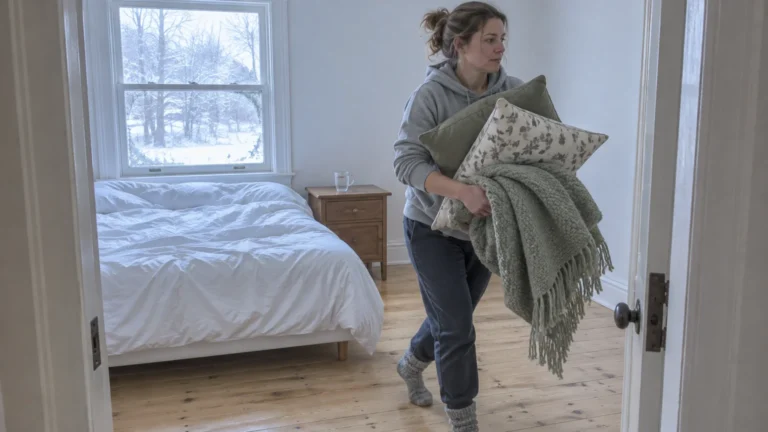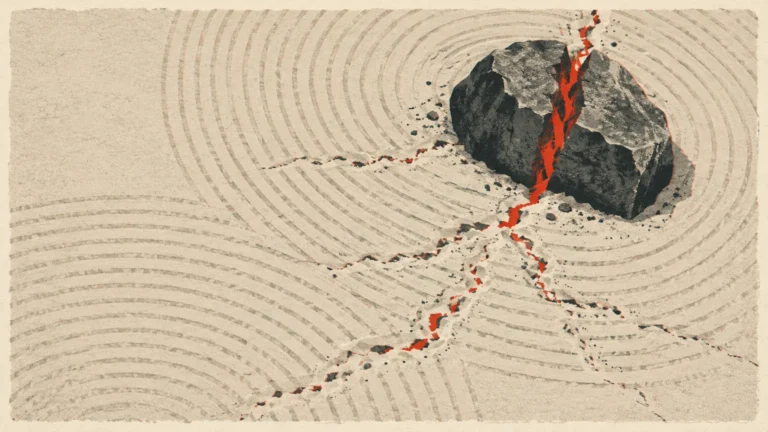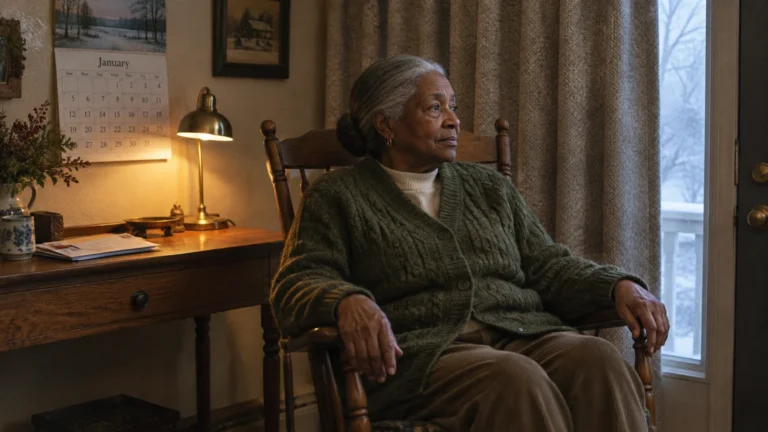
You might blame a lingering cold, restless nights, or a short temper on a busy schedule. Yet your body and habits often signal disconnection long before you feel sad.
Recognizing the hidden signs of loneliness helps you spot what is missing and fix it early. A 2025 AARP survey found that 40% of adults 45 and older scored as lonely, even though fewer knew it.
When you know what to look for, you can protect your mood, your focus, and your long-term health.
8 Signs of Loneliness That Look Like Something Else
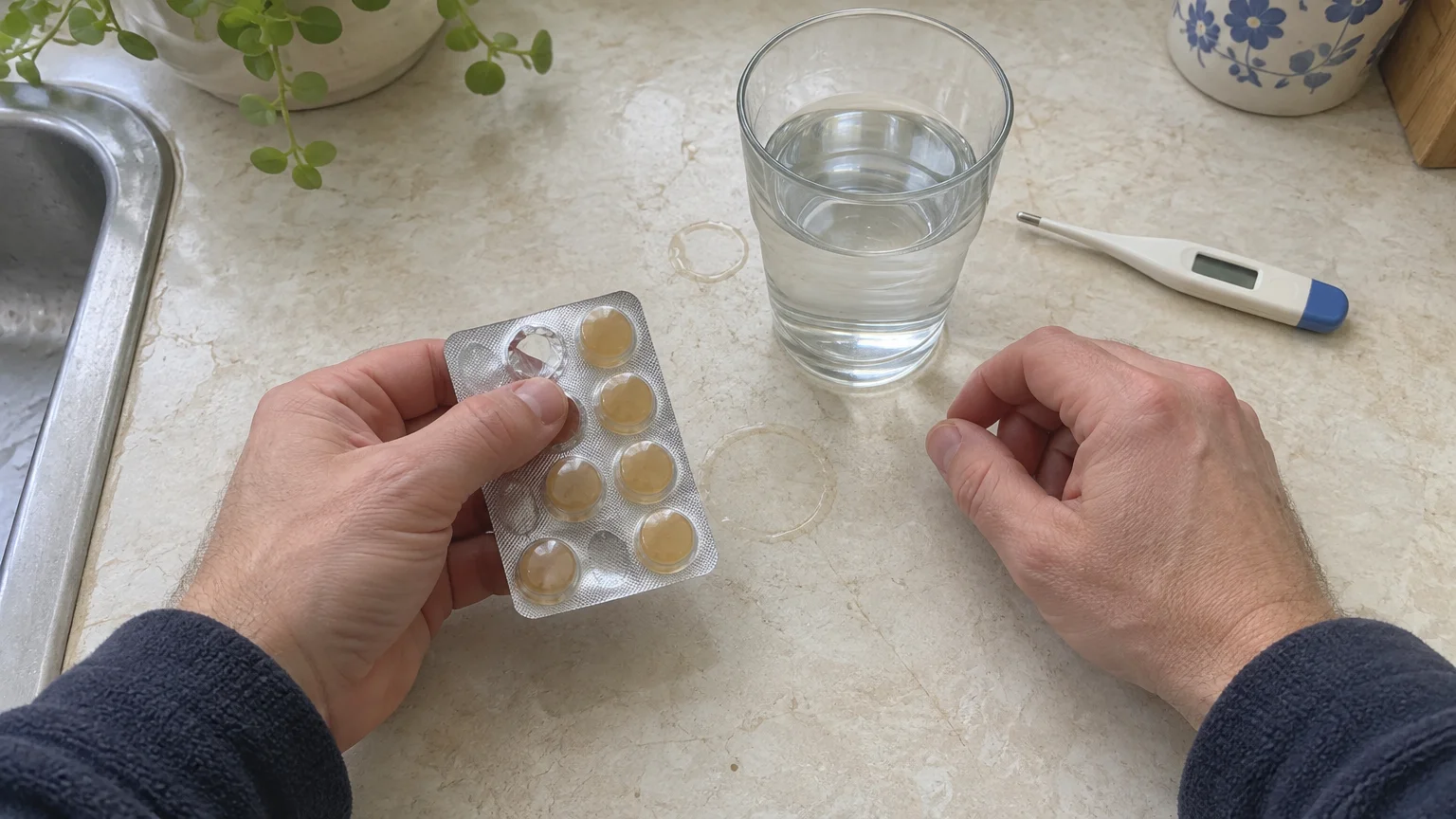
1. Lingering Colds, Headaches, and Body Aches
You may think your immune system is just run down from work or seasonal bugs. Yet chronic disconnection keeps stress hormones high and wears down your body’s defenses.
Research from the Mayo Clinic and Cleveland Clinic notes that loneliness raises cortisol and swelling inside the body. That stress response can make colds linger and turn minor aches into daily discomfort.
2. Restless Nights or Sleeping Too Much
Poor sleep often gets blamed on late caffeine, bright screens, or a noisy room. However, feeling disconnected makes your brain stay on guard even when you try to rest.
A 2020 review of 84 studies by the Association for Psychological Science linked loneliness to insomnia, nightmares, and shallow sleep. Clinicians also see the opposite pattern, where lonely adults sleep far too long during the day.
3. Short Temper, Distrust, and Canceling Plans
Snapping at a coworker or dreading a coffee invite can look like plain stress or introversion. In reality, hidden loneliness often shifts how your brain reads other people.
Psychological research by Cacioppo and Hawkley shows that loneliness puts the mind on alert for rejection. You start reading neutral faces as cold, which makes you pull back even further.
4. Endless Binge-Watching
Finishing a whole series in one weekend feels like harmless downtime after a long week. Still, leaning on screens night after night can quietly replace real human contact.
Studies published through the National Institutes of Health in 2024 and 2025 tie emotional loneliness to heavy binge-watching. The more you escape into shows, the harder social plans can feel the next day.
5. Impulsive Shopping and Clutter
Ordering packages late at night can look like a simple budgeting slip or a hobby. Yet buying things often serves as a quick emotional patch when connection feels scarce.
Long-term consumer research in the Journal of Consumer Research found a two-way cycle between materialism and loneliness. Shopping gives a brief lift, but focusing on possessions can crowd out close relationships.
6. Long Hot Showers or Feeling Chilled
Craving steamy baths or extra blankets might seem like poor circulation or chilly weather. Some behavioral experiments suggest physical warmth can temporarily soothe social coldness.
Researchers in 2008 and 2012 found that lonely participants felt colder and took more frequent warm showers. While scientists still debate how strong this effect is, sudden warmth-seeking habits are worth noticing.
7. Sudden Changes in Weight, Activity, or Smoking
Skipping walks or reaching for comfort snacks often looks like a drop in willpower. Without social support, healthy daily routines are much harder to keep up.
The American Heart Association reported in 2022 that isolated adults move less, eat fewer vegetables, and smoke more often. High stress hormones from loneliness also contribute to weight gain and higher blood pressure.
8. Brain Fog, Worry, and Low Mood
Forgetfulness, constant worry, or flat energy often get brushed off as normal aging or burnout. Yet mental health older adults experience is deeply tied to steady social ties.
Data from 2026 in Psychiatry Online links isolation to roughly 9% to 11% of anxiety in older adults. The World Health Organization also reports in 2025 that lonely people are twice as likely to develop depression.
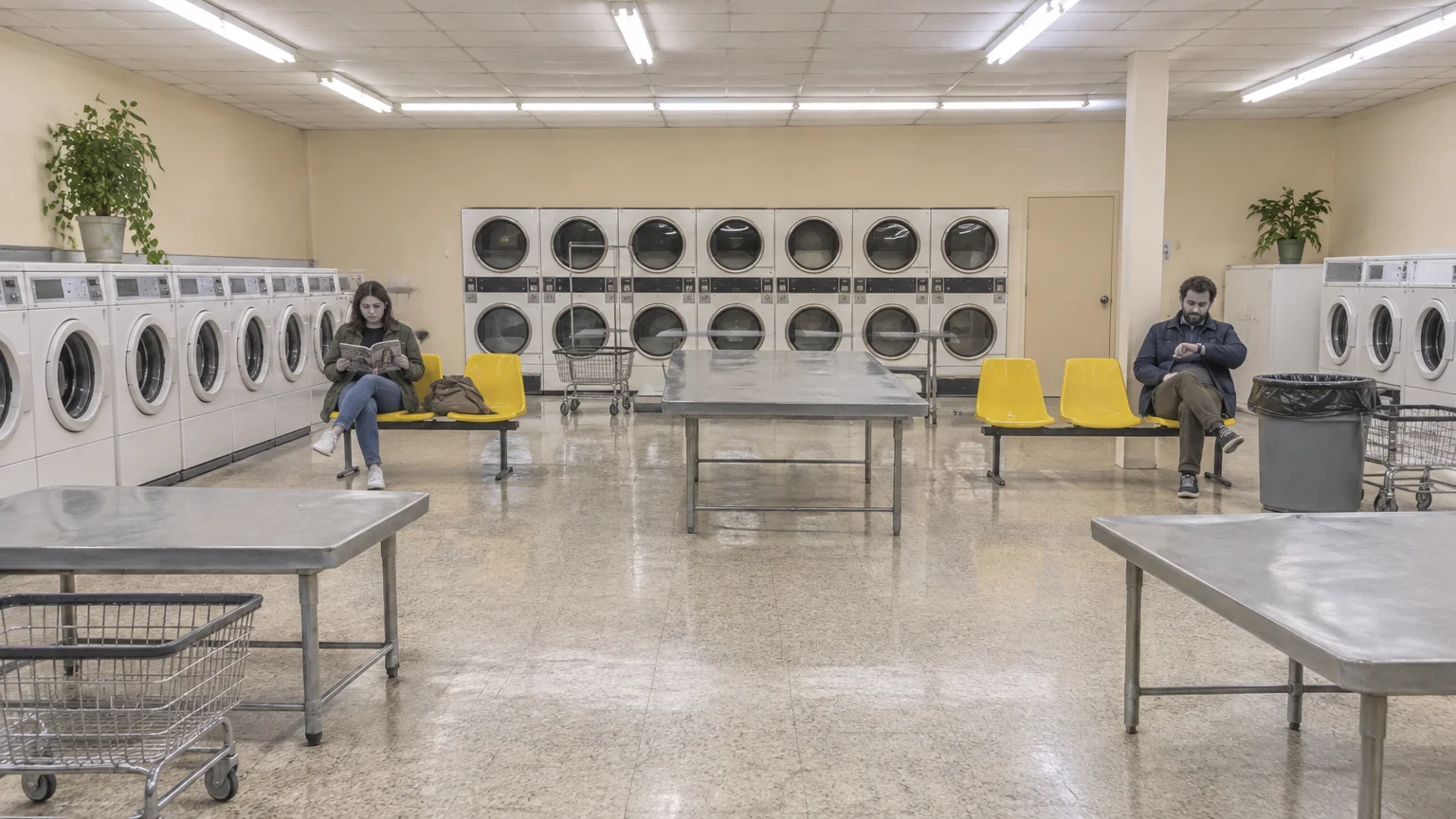
How Hidden Loneliness Compares to Other Issues
Spotting hidden loneliness gets easier when you compare surface habits with what drives them underneath. Use this guide to look past quick assumptions.
| What It Looks Like | How Loneliness Drives It | Practical First Step |
|---|---|---|
| Frequent colds or fatigue | High cortisol weakens immune defenses | Track symptoms and add daily movement |
| Snapping at loved ones | Brain expects rejection and stays guarded | Pause before reacting to neutral remarks |
| Binge-watching every night | Screens fill quiet hours without effort | Swap one episode for a phone call |
| Memory slips or low mood | Lack of stimulation strains brain health | Join a weekly local or online group |
Patterns to Watch For
Many people confuse being alone with feeling lonely, yet they are two different things. Health agencies define loneliness as the painful gap between the connection you want and what you have.
Social isolation, by contrast, means having very few contacts or rare social visits. You can live alone happily, or feel completely unseen inside a crowded house.
The 2025 AARP survey showed that 62% of lonely adults 45 and older could name no single cause. Hidden loneliness builds slowly through busy work years, caregiving, retirement, or hearing loss.
The issue hits social isolation seniors hard as routines shift. About 1 in 4 Americans aged 65 and older are socially isolated, and 28% live alone.
Among women aged 75 and older, 43% live alone, according to U.S. Census data. A 2024 University of Michigan poll also found 75% of older adults with fair or poor mental health felt lonely.
Over time, loneliness health effects reach far beyond a bad mood. The World Health Organization links loneliness to 871,000 deaths each year worldwide, and the U.S. Surgeon General compares the risk to smoking up to 15 cigarettes daily.
Poor social ties raise heart disease risk by 29% and stroke risk by 32%, per the American Heart Association. A 2025 National Institute on Aging study also tied loneliness to a 31% higher risk of dementia.
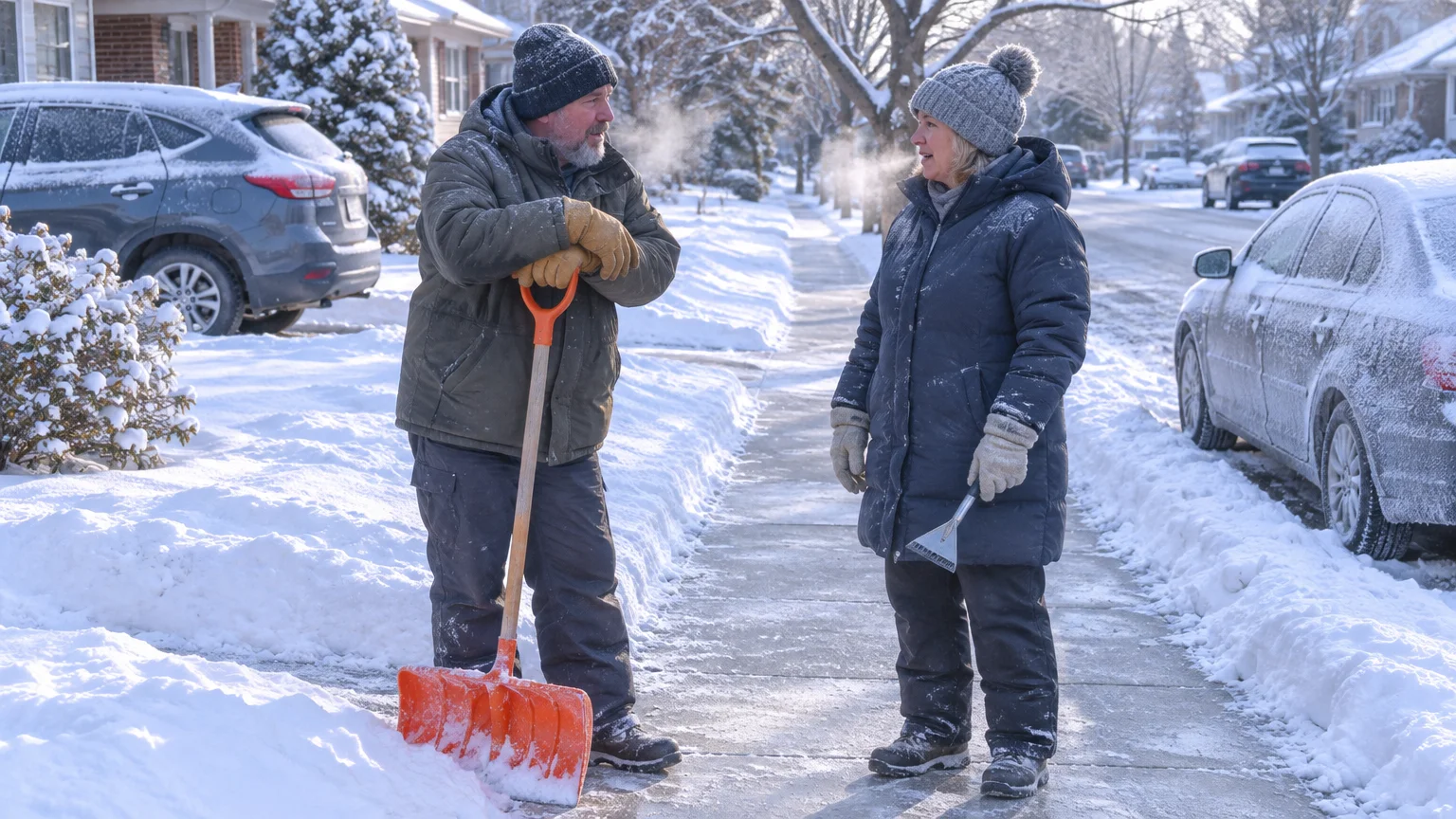
Practical Steps to Reconnect
You do not need a huge social circle to feel better. Research from 70 studies involving over 8,200 older adults shows that structured connection works best.
- Check in with yourself using the Three-Item UCLA Loneliness Scale, which asks how often you lack companionship, feel left out, or feel isolated.
- Pick group-based activities built around a shared task, such as a walking club, art class, or book group.
- Look for programs that combine exercise, social time, and emotional support, since combined formats show the strongest results.
- Use live video groups if you or an older loved one have trouble leaving home.
- Get your hearing checked, because untreated hearing loss quietly pushes many older adults out of group talks.
- Start with small, low-pressure habits like chatting with a neighbor or volunteering two hours a week.
Resources from the American Psychological Association can also help you learn skills for easing social anxiety. Small, steady steps often work better than forcing big social events right away.
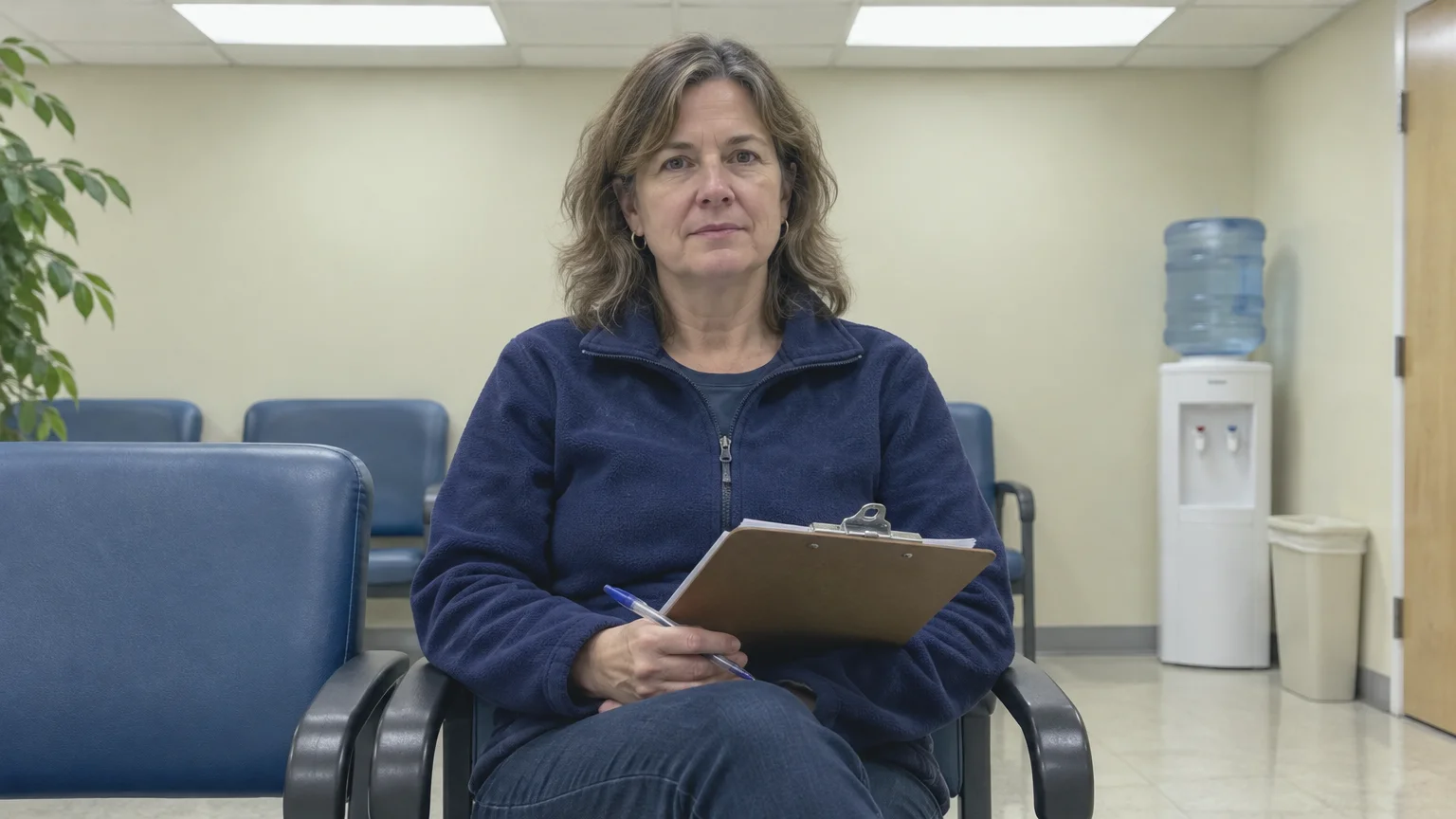
When Self-Help Isn’t Enough
Reaching out to friends helps mild loneliness, yet deeper pain sometimes calls for medical or therapy support. Reach out to a doctor or licensed counselor if you notice any of these signs.
- You feel hopeless, numb, or deeply sad most days for two weeks or longer.
- You have thoughts of self-harm or suicide, in which case you can call or text the 988 Suicide and Crisis Lifeline right away.
- You or a loved one notice sudden memory trouble, confusion, or trouble hearing group talks.
- You have ongoing chest pain, severe sleep loss, or physical symptoms that do not clear up.
Frequently Asked Questions
Can you feel lonely even if you are married or have friends?
Yes, because loneliness depends on emotional closeness, not just headcount. Around half of U.S. adults report measurable loneliness at times, including people in active households and busy workplaces.
Why does loneliness make people push others away?
Long-term loneliness triggers a threat response in the brain. That alert system makes neutral comments feel critical, so pulling away feels safer even when you want company.
How do doctors check for hidden loneliness?
Experts recommend that doctors ask three brief questions from the UCLA scale during routine visits. Doctors often pair this check with questions about life changes like retirement, bereavement, or hearing loss.
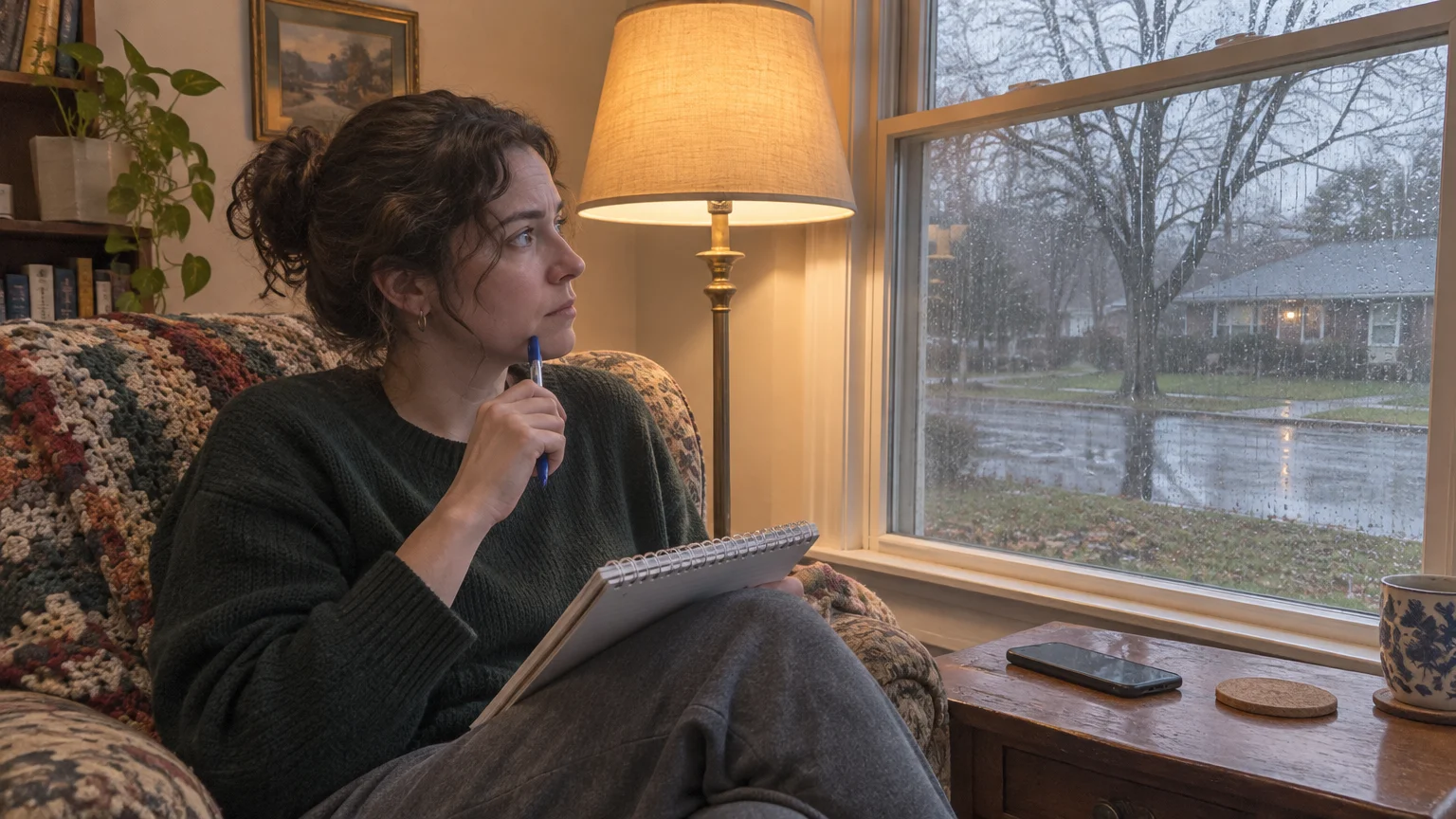
Your Next Step Forward
If any of these quiet signs sound familiar, treat them as helpful signals rather than personal flaws. Pick one small action today, such as texting an old friend or signing up for a local class.
This is educational content based on psychological research and general principles. Individual experiences vary significantly. For personalized guidance, consult a licensed therapist, psychologist, or counselor.
Last updated: November 2026. Psychology research evolves continuously—verify current findings with professional sources.