
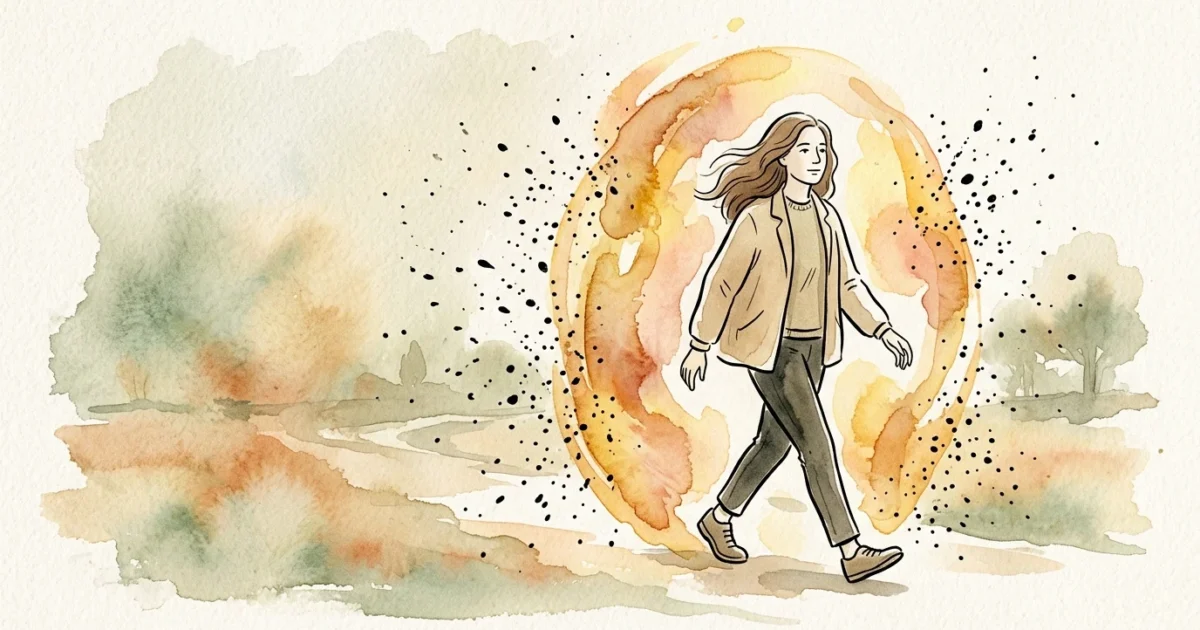
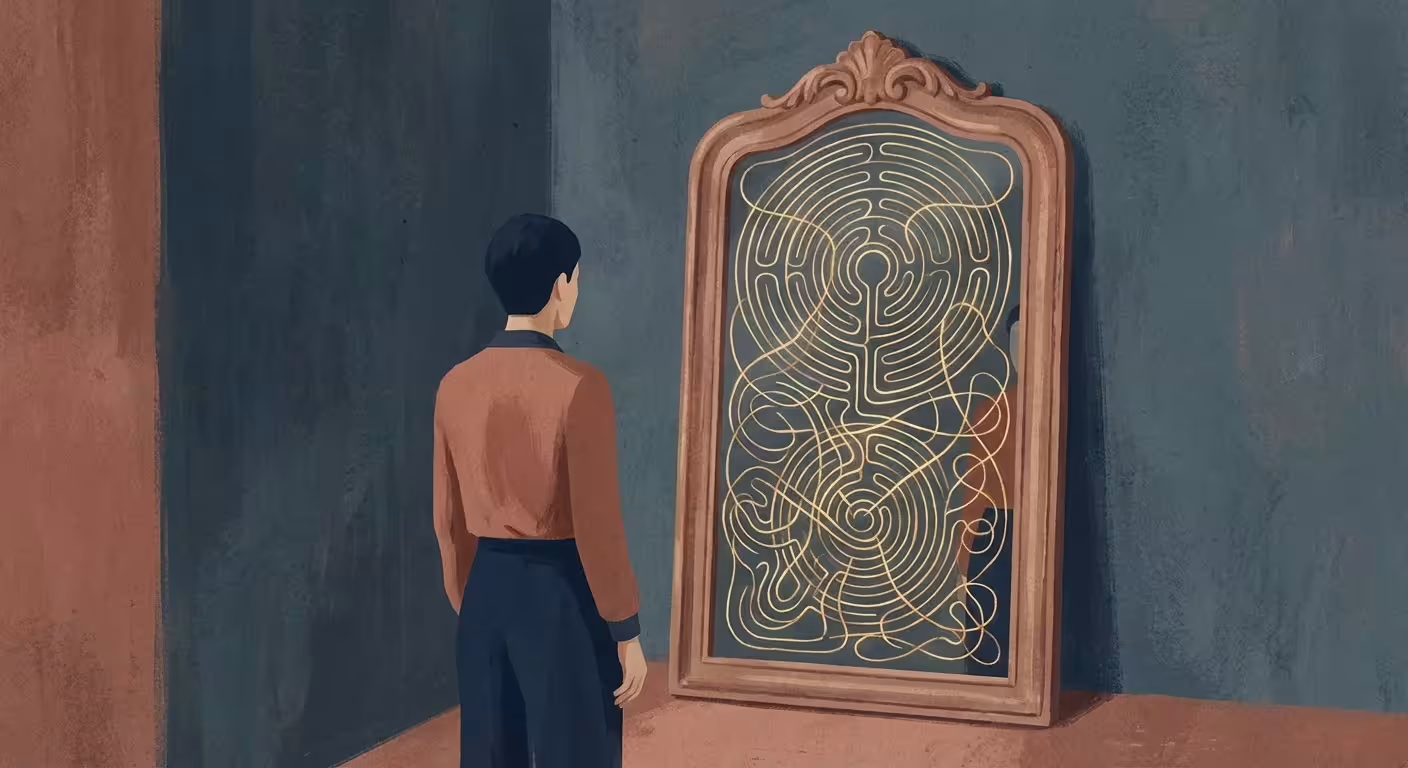
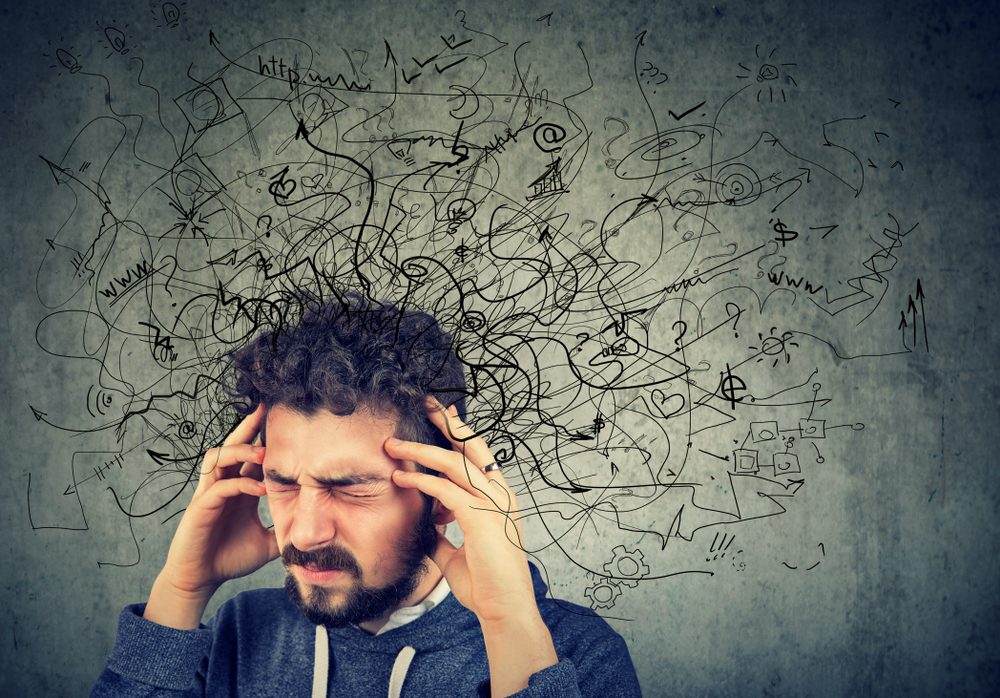
Psychological defense mechanisms are the mind’s automatic, unconscious strategies for managing emotional distress, anxiety, and painful truths. Before you even realize you are stressed, your brain deploys these invisible shields to maintain emotional equilibrium. While some defenses help you navigate sudden crises, relying on rigid or immature mechanisms can sabotage your relationships and stall personal growth. Psychiatrist George Vaillant famously categorized these behaviors into a four-tiered hierarchy, ranging from primitive reactions that distort reality to mature responses that build emotional resilience. By identifying your default psychological armor, you can shift from reactive survival mode to intentional emotional regulation, paving the way for deeper connections and genuine self-awareness.
What Are Defense Mechanisms (And Why Do We Use Them)?
Originally conceptualized by Sigmund Freud and later expanded upon by his daughter, Anna Freud, defense mechanisms are now universally recognized in modern psychology as essential tools the brain uses to protect itself. Whenever you encounter a scenario that threatens your self-concept or floods your nervous system with overwhelming anxiety, your mind instinctively intervenes. You do not consciously choose to deploy a defense mechanism; it operates entirely beneath your conscious awareness, functioning much like an emotional reflex.
Recent research highlights just how deeply ingrained these responses are. According to a 2025 study published in The Journal of Clinical Psychiatry, psychological defenses serve an adaptive biological function by mitigating the disorganizing effects of sudden stress on the mind. They allow you to continue functioning when reality becomes too painful to process all at once. However, the study also indicates that when individuals chronically rely on immature defenses, they experience higher rates of anxiety, interpersonal conflict, and emotional distress.
Understanding your defenses is not about eliminating them entirely. Instead, the goal is to observe them, understand the unmet needs driving them, and gradually replace rigid, unconscious reactions with flexible, conscious coping strategies. To explore deeper foundations of human behavior and mental health, you can consult resources from the American Psychological Association (APA).
The 4 Levels of Psychological Defenses
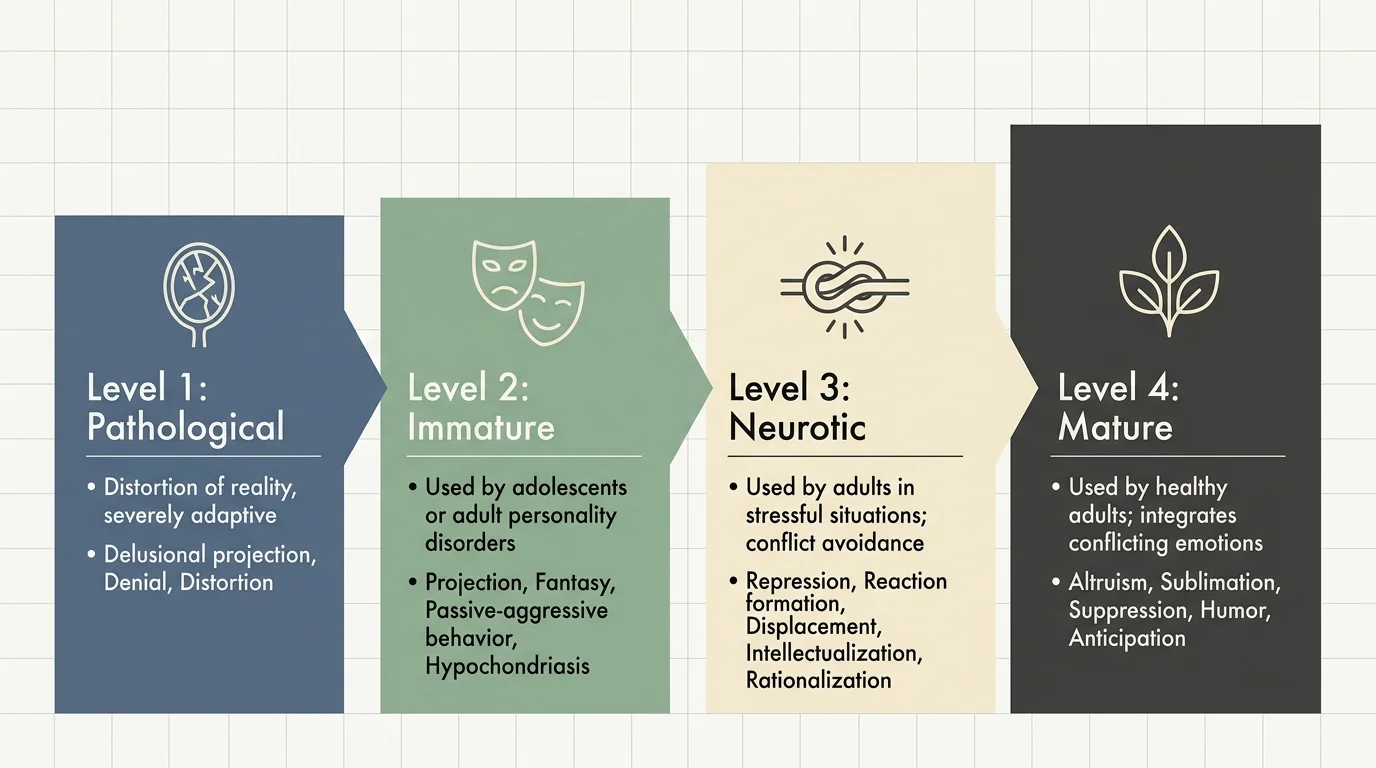
Not all psychological armor is built the same. Harvard psychiatrist George Vaillant organized defense mechanisms into an empirical, four-tiered classification system. His framework ranges from unhealthy mechanisms that completely distort reality to highly adaptive mechanisms that allow you to process difficult emotions constructively.
| Defense Level | Psychological Function | Impact on Reality | Common Examples |
|---|---|---|---|
| Level 1: Pathological | Eliminates the need to cope with a problem by completely altering or rejecting reality. Often associated with severe distress. | Severe distortion; the individual is entirely disconnected from factual reality. | Delusional projection, psychotic denial, extreme distortion. |
| Level 2: Immature | Lessens distress by shifting blame, acting out, or retreating into a fantasy. Common in adolescence but maladaptive in adulthood. | Partial distortion; reality is altered just enough to avoid personal accountability or emotional pain. | Projection, passive-aggression, acting out, intense fantasy. |
| Level 3: Neurotic | Changes how an emotion is felt or expressed rather than changing reality itself. Highly common in everyday adult life. | Reality is acknowledged but the emotional weight of it is compartmentalized, intellectualized, or redirected. | Displacement, repression, rationalization, intellectualization. |
| Level 4: Mature | Integrates conflicting emotions, acknowledges reality, and resolves internal tension in socially constructive ways. | Reality is fully accepted; emotional pain is processed and transformed into positive action or connection. | Sublimation, altruism, healthy humor, conscious suppression. |

10 Common Psychological Defense Mechanisms
You likely use a mixture of different defenses depending on the situation, your stress levels, and your relational dynamics. By familiarizing yourself with the most common psychological defense mechanisms, you can begin to catch yourself in the act and make more conscious choices.
1. Denial (Pathological / Immature)
Denial occurs when your mind refuses to accept a painful reality or verifiable fact. Because the truth is too overwhelming to process, your brain simply rejects its existence. You might see this when someone ignores glaring red flags in a toxic relationship, or when an individual with a substance use disorder insists they are only drinking socially. While denial can offer a brief buffer against sudden shock—such as the immediate aftermath of a sudden loss—staying in denial prevents you from taking the necessary steps to heal or resolve the problem.
2. Projection (Immature)
Projection is the act of taking your own uncomfortable feelings, traits, or insecurities and attributing them to someone else. If you feel deeply insecure about your intelligence at work, you might constantly complain that your colleagues are incompetent. If you harbor feelings of jealousy, you might accuse your partner of being overly suspicious of you. Projection serves to externalize the internal conflict, making it easier for you to attack the flaw in someone else rather than face it within yourself.
3. Passive-Aggression (Immature)
Instead of directly communicating anger or dissatisfaction, passive-aggression allows you to express hostility covertly. This often manifests as giving the silent treatment, making sarcastic remarks masked as jokes, or displaying weaponized incompetence—such as deliberately doing a household chore poorly so you are never asked to do it again. It shields you from the vulnerability of direct confrontation while still punishing the person who upset you, ultimately eroding trust in the relationship.
4. Displacement (Neurotic)
Displacement involves redirecting a strong emotional response from its original source to a safer, more accessible target. A classic example occurs when you receive a harsh reprimand from your boss; because yelling at your boss threatens your livelihood, you suppress the anger at work, only to come home and snap at your spouse or children over a minor inconvenience. Identifying displacement requires you to pause and ask, “Who or what am I actually angry at right now?”
5. Repression (Neurotic)
Unlike suppression, which is the conscious choice to set a stressful thought aside temporarily, repression happens entirely unconsciously. Your mind buries distressing thoughts, traumatic memories, or unacceptable impulses so deeply that you have no active memory of them. However, repressed emotions do not vanish; they often leak out in the form of unexplained physical symptoms, chronic anxiety, or sudden emotional triggers. Processing repressed material typically requires a safe, therapeutic environment.
6. Rationalization (Neurotic)
When you rationalize, you create logical, socially acceptable justifications for behaviors that are actually driven by unconscious impulses or poor choices. If you procrastinate on studying and fail an exam, you might tell yourself, “The test was unfairly written, and the professor doesn’t like me anyway.” Rationalization protects your ego from the sting of failure or guilt, but it completely strips you of personal accountability and the opportunity to learn from your mistakes.
7. Intellectualization (Neurotic)
Intellectualization neutralizes an emotionally painful situation by analyzing it clinically and objectively. If you experience a devastating breakup, you might hyper-focus on reading psychological studies about attachment theory and relationship statistics rather than allowing yourself to cry and grieve the loss. While gathering information is helpful, intellectualizing becomes a defense mechanism when it is used to entirely bypass the messy, necessary process of feeling your feelings.
8. Sublimation (Mature)
Considered one of the most adaptive defense mechanisms, sublimation involves channeling unacceptable or highly distressing impulses into productive, socially acceptable activities. An individual with intense aggressive impulses might channel that energy into rigorous martial arts training. Someone experiencing profound grief might pour their sorrow into creating beautiful music or art. Sublimation allows the emotion to be expressed and released rather than bottled up.
9. Humor (Mature)
Using humor to cope with pain is a highly sophisticated defense. Unlike pure deflection—where you crack a joke to change the subject—mature humor acknowledges the harsh reality of a situation while reframing it to make it survivable. Finding the absurdity in a dark situation reduces tension, fosters interpersonal connection, and demonstrates profound emotional resilience.
10. Altruism (Mature)
Altruism involves handling your own trauma or pain by dedicating your energy to helping others. A survivor of childhood trauma who becomes a devoted social worker or counselor is utilizing altruism. By guiding others through their darkness, you find meaning and healing in your own experiences. It transforms personal wounds into collective strength, provided you do not use it to entirely neglect your own ongoing need for self-care.

How Your Defense Style Impacts Your Relationships
Your defense mechanisms do not just dictate how you manage internal stress; they form the blueprint for how you interact with your loved ones. When you rely heavily on immature or neurotic defenses, you create invisible walls between yourself and your partner. True emotional intimacy requires vulnerability—the very thing defense mechanisms are designed to protect you against.
“Owning our story can be hard but not nearly as difficult as spending our lives running from it. Embracing our vulnerabilities is risky but not nearly as dangerous as giving up on love and belonging and joy—the experiences that make us the most vulnerable.” — Brené Brown, Ph.D., LMSW
If you suspect your emotional armor is taking a toll on your connections, watch for these common relational signs:
- Chronic Miscommunication: You find yourself frequently arguing about surface-level issues (like doing the dishes) rather than addressing the core emotional wounds (like feeling unappreciated), which is a hallmark of displacement.
- Lack of Accountability: You or your partner continuously rationalize poor behavior, making it impossible to issue a genuine apology or establish new, healthy boundaries.
- Emotional Distance: Intellectualizing conflict prevents you from empathizing with your partner’s emotional experience, leaving them feeling dismissed and unheard.
- Unfair Accusations: Frequent projection means you are fighting a distorted version of your partner, accusing them of motives and feelings they do not actually possess.
What Can Go Wrong: Misconceptions About Defenses
Because the term “defensive” carries a negative connotation in everyday conversation, there are several significant misconceptions about psychological defense mechanisms that can derail your personal growth.
Misconception: All defense mechanisms are toxic.
Reality: As George Vaillant’s hierarchy illustrates, mature defenses like sublimation and altruism are incredibly healthy. The goal of personal development is not to walk through life completely undefended, but to upgrade your defenses from rigid and distorting to flexible and mature.
Misconception: You can just consciously decide to stop using them.
Reality: By definition, psychological defense mechanisms operate unconsciously. You cannot simply flip a switch and turn off your tendency to project or rationalize. Change requires mindful observation over time. You must learn to catch the defense in action, pause, and gently redirect your behavior.
Misconception: Confronting someone’s defenses aggressively will make them see the truth.
Reality: When you aggressively attack someone’s denial or rationalization, you spike their anxiety. Because defenses are deployed to manage anxiety, attacking the defense usually causes the person to double down and fortify their emotional armor. Compassion and emotional safety are the only environments where people feel secure enough to lower their shields.

When to Seek Professional Support
While everyone utilizes defense mechanisms, they can sometimes become so entrenched that they severely impair your quality of life, relational health, and overall well-size. Recognizing when you need a professional guide is a vital act of self-advocacy. Consider reaching out to a therapist or counselor if you experience any of the following:
- Repeating Destructive Patterns: You find yourself repeatedly entering toxic relationships or self-sabotaging career opportunities, but you cannot figure out why.
- Physical Symptoms of Repression: You experience chronic tension, unexplained fatigue, or somatic pain that medical doctors cannot trace to a physical cause, suggesting deeply repressed emotional distress.
- Inability to Process Grief: You rely so heavily on intellectualization or denial that months or years after a major loss, you still have not allowed yourself to emotionally grieve.
- High Interpersonal Conflict: Your reliance on projection or passive-aggression is actively threatening your marriage, family dynamics, or employment.
Therapeutic modalities like Psychodynamic Therapy, Cognitive Behavioral Therapy (CBT), and Dialectical Behavior Therapy (DBT) are highly effective in helping you map your unconscious defenses. To explore treatment options and find verified providers, visit the National Institute of Mental Health (NIMH) or Psychology Today’s therapist directory.
Frequently Asked Questions
What is the difference between a coping mechanism and a defense mechanism?
The primary difference lies in awareness. Coping mechanisms are conscious, intentional strategies you use to manage stress, such as going for a run, practicing deep breathing, or journaling. Defense mechanisms operate unconsciously; they happen automatically without your awareness to protect you from immediate emotional pain. For more on conscious stress management, reputable sources like Verywell Mind offer extensive guides on healthy coping.
Can defense mechanisms change over time?
Yes. As you mature, gain life experience, and develop greater self-awareness, you naturally tend to shift from immature defenses toward more mature ones. Therapy accelerates this process by bringing unconscious habits into the conscious mind, where you can actively evaluate and change them.
Are defense mechanisms a sign of mental illness?
No. Every human being uses defense mechanisms; they are a normal part of psychological functioning. However, an overreliance on Level 1 (Pathological) or Level 2 (Immature) defenses can be associated with personality disorders, chronic anxiety, or depression.
Moving Forward: Lowering Your Emotional Armor
Understanding your psychological defense mechanisms is the first step toward genuine emotional freedom. When you notice yourself falling into old patterns—whether that means projecting your insecurities, intellectualizing your grief, or displacing your anger—pause and observe your behavior with curiosity rather than judgment. Emotional armor is heavy; you do not have to carry it everywhere you go. By slowly swapping immature defenses for mature coping strategies, you can build deeper relationships, foster self-trust, and navigate life’s challenges with resilience.
The information in this article is meant for educational purposes and general guidance. It does not replace individual therapy, counseling, or medical treatment. If you or someone you know is in crisis, contact the 988 Suicide & Crisis Lifeline by calling or texting 988.
Last updated: July 2026. Psychology research evolves continuously—verify current findings with professional sources.







Leave a Reply