

You are in the middle of a simple conversation when it suddenly turns into a courtroom trial. Whether the topic is how to load the dishwasher or the details of a past argument, your partner refuses to concede a single point. Dealing with someone who always has to be right is exhausting, leaving you feeling unheard and emotionally drained. This relentless drive to win every disagreement rarely stems from genuine confidence. Instead, it typically masks deep insecurity and emotional inflexibility. By recognizing the psychological traits driving this rigid behavior, you can shift from feeling frustrated to setting healthy boundaries. Understanding these eight specific traits helps you navigate difficult conversations, protect your emotional energy, and respond effectively.
The Psychology Behind the Need to Be Right
When you encounter someone who refuses to back down, your instinct might be to assume they are simply arrogant or stubborn. However, clinical psychology paints a more complex picture. For someone who chronically needs to be right, an argument is rarely just a debate over facts; it is perceived as an existential threat to their self-worth. If they are proven wrong, their fragile sense of self-esteem is jeopardized, triggering a fight-or-flight response.
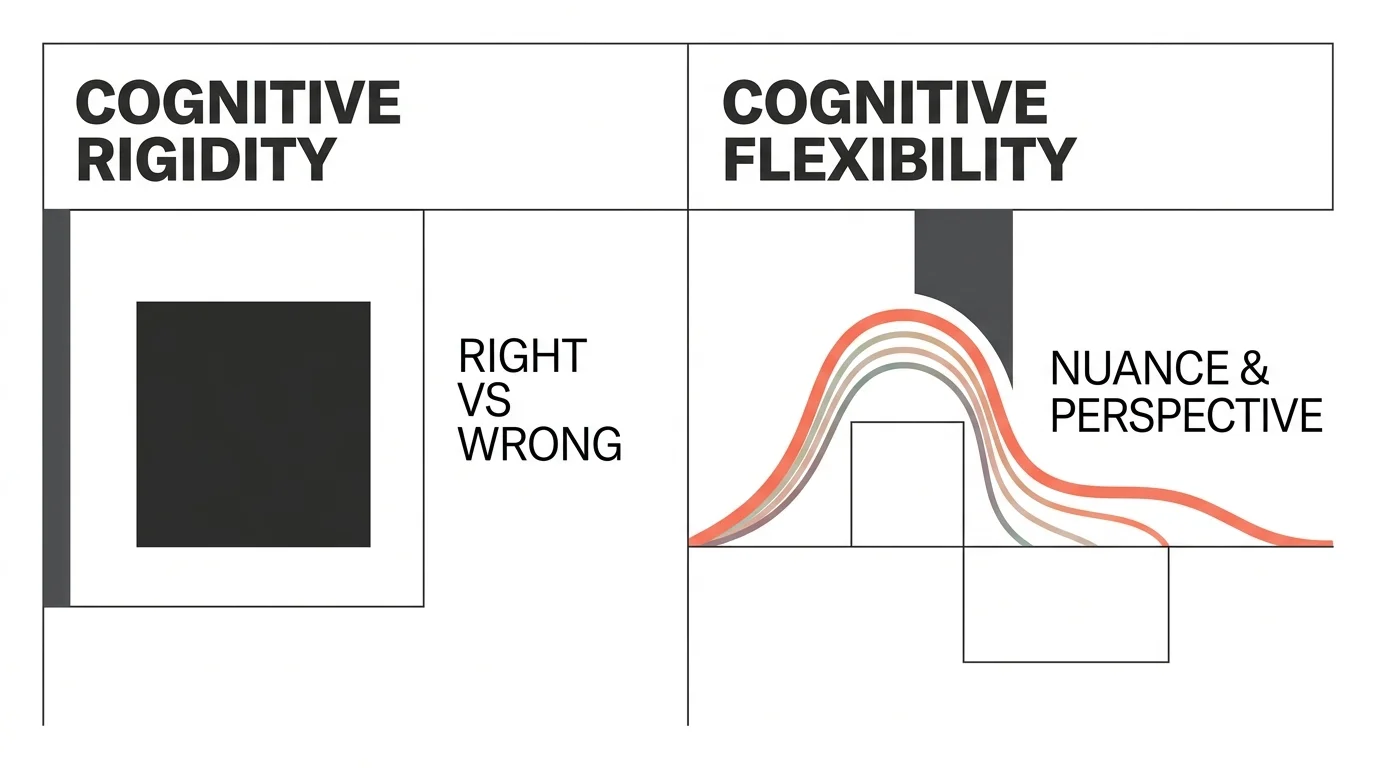
This dynamic is largely driven by a psychological concept known as cognitive rigidity—the inability to adapt one’s thinking to new information or changing environments. According to resources from the American Psychological Association, cognitive flexibility allows us to process opposing viewpoints and tolerate the discomfort of being incorrect. When that flexibility is absent, a person clings to their established beliefs as a survival mechanism. To them, conceding a point feels entirely unsafe, leading to the behavioral traits that make communication so challenging.
1. Cognitive Rigidity and Black-and-White Thinking
People who must always be right tend to view the world through a binary lens: right versus wrong, good versus bad, smart versus foolish. They struggle to grasp the nuance that two opposing perspectives can hold truth simultaneously. If you suggest an alternative way to solve a problem, they interpret your suggestion not as a helpful addition, but as a direct declaration that their method is entirely wrong.
This black-and-white thinking creates a barrier to collaborative problem-solving. Because they cannot synthesize differing viewpoints, they dismiss evidence that contradicts their narrative. You might bring objective data or undeniable proof to a discussion, only to watch them twist the facts to fit their preconceived framework. They are not intentionally trying to deceive you; their cognitive rigidity simply blocks them from integrating information that shatters their reality.

2. Defensiveness as a Default Setting
In a healthy dynamic, feedback is met with curiosity. For the person who always has to be right, any feedback—no matter how gently delivered—is met with an impenetrable wall of defensiveness. Dr. John Gottman, a leading relationship researcher and founder of The Gottman Institute, identified defensiveness as one of the “Four Horsemen of the Apocalypse”—the four communication styles most likely to predict the end of a relationship.
When this trait is active, the individual deflects responsibility to protect their ego. If you say, “I felt hurt when you were late to dinner,” they will instantly respond with, “Well, if you hadn’t rushed me out the door this morning, I wouldn’t have been stressed and forgotten the time.” They counter-attack rather than listen. Over time, this chronic defensiveness trains you to walk on eggshells, silencing your own needs just to keep the peace.

3. Conversational Monopolizing (Listening Only to Rebut)
Have you ever spoken to someone and realized they are not actually listening to your words, but merely waiting for you to pause so they can launch their counter-argument? People obsessed with being right do not converse to connect; they converse to conquer.
They view conversations as competitive arenas. While you share your feelings or a different viewpoint, they are scanning your sentences for loopholes or inaccuracies they can exploit. This trait manifests as frequent interrupting, talking over you, or aggressively fact-checking minor details of your story that do not matter to the overarching point. By monopolizing the conversational floor, they maintain control of the narrative and prevent you from articulating a solid counter-perspective.
4. Moving the Goalposts During Disagreements
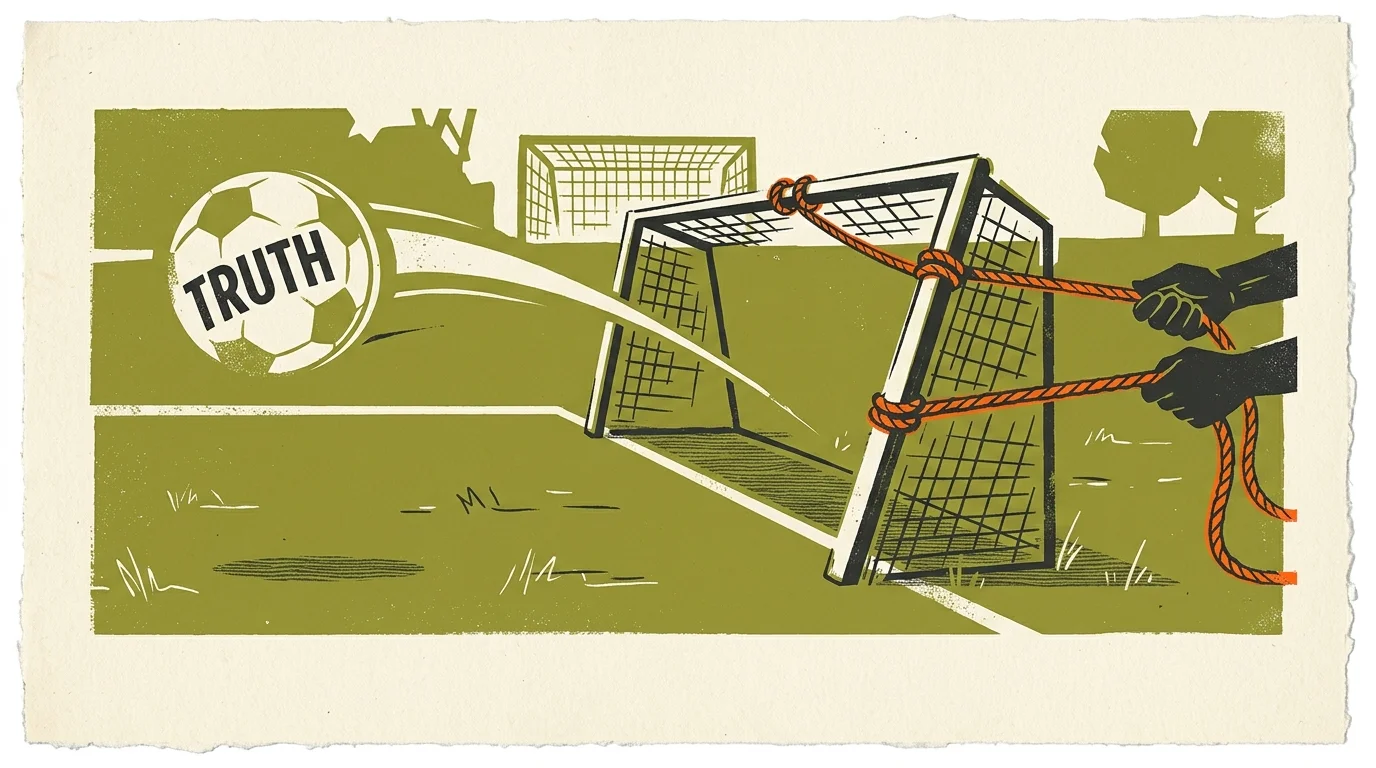
One of the most frustrating traits of someone who refuses to lose an argument is their tendency to “move the goalposts.” Just as you successfully address their initial complaint or prove your point, they seamlessly change the topic or shift the criteria for the argument.
If you provide evidence that you did, in fact, pay a bill on time, they will pivot and attack how you organize your finances overall. The argument morphs continuously so that they can remain in the offensive position. This tactic, often categorized as a logical fallacy, keeps you off-balance and constantly defending yourself against newly manufactured accusations, ensuring they never have to concede the original point.

5. Chronic Invalidation of Your Reality
When someone’s worldview dictates that they are always correct, it naturally follows that anyone who disagrees with them must be wrong, irrational, or overly emotional. This leads to the chronic invalidation of your experiences and feelings. They might employ phrases designed to undermine your confidence, such as:
- “You are making a big deal out of nothing.”
- “You’re remembering it wrong; that’s not how it happened.”
- “You are being too sensitive.”
- “No one else would react the way you are right now.”
This trait borders on gaslighting, even if it is unintentional. By consistently rewriting history to position themselves as the logical, correct party, they slowly erode your trust in your own perception and memory.

6. The “Non-Apology” Apology
A genuine apology requires vulnerability and the admission of a mistake—two things that terrify a person who always has to be right. When forced into a corner where an apology is socially required, they will deliver a “non-apology” that subtly shifts the blame back onto you.
Instead of saying, “I am sorry for speaking to you harshly,” they will say, “I am sorry you feel that way,” or “I’m sorry if you misinterpreted my tone.” Notice the careful phrasing: they are apologizing for your reaction, not their action. This maneuver allows them to perform the ritual of apologizing while protecting their ego from the sting of actual accountability.

7. Prioritizing Ego Over Emotional Connection
Healthy relationships require us to occasionally put our egos aside for the sake of emotional closeness. “Do you want to be right, or do you want to be connected?” is a common question used in couples therapy. For this individual, the ego always wins.
They would rather win a trivial argument about the exact year a movie was released than enjoy a peaceful evening with you. They sacrifice intimacy on the altar of being correct. This priority stems from a profound fear of vulnerability.
“Vulnerability is not winning or losing. It’s having the courage to show up when you can’t control the outcome.” — Brené Brown, PhD, MSW
Because they view vulnerability as a weakness rather than a strength, they construct a fortress of “rightness” around themselves, inadvertently locking out the very people trying to love them.
8. Projecting Flaws Onto Others
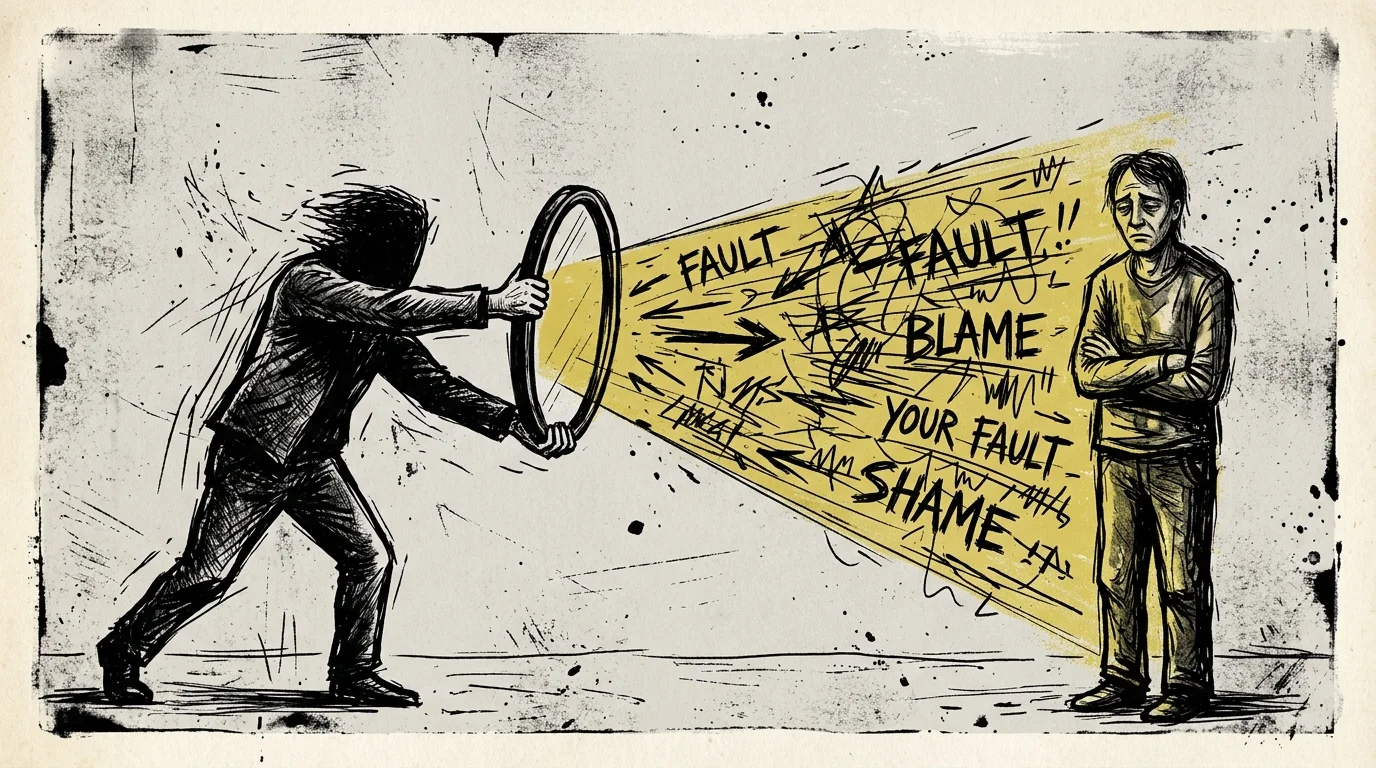
Projection is a psychological defense mechanism where a person subconsciously denies their own negative attributes by attributing them to someone else. Because an individual who must be right cannot tolerate the idea that they might be stubborn, inflexible, or argumentative, they will accuse you of exhibiting those exact traits.
During a disagreement, they might tell you that you are “impossible to reason with,” or claim that “you always have to have the last word,” perfectly describing their own behavior. This projection acts as a smokescreen, allowing them to remain the rational victim in their own narrative while assigning all relational dysfunction to you.

What Can Go Wrong: Misinterpreting the Need to Be Right
When dealing with these traits, it is remarkably easy to misdiagnose the root cause. We often label these individuals as narcissists, manipulators, or inherently selfish people. While it is true that these behaviors can overlap with narcissistic traits, assuming malice is usually incorrect and can lead to unhelpful relationship dynamics.
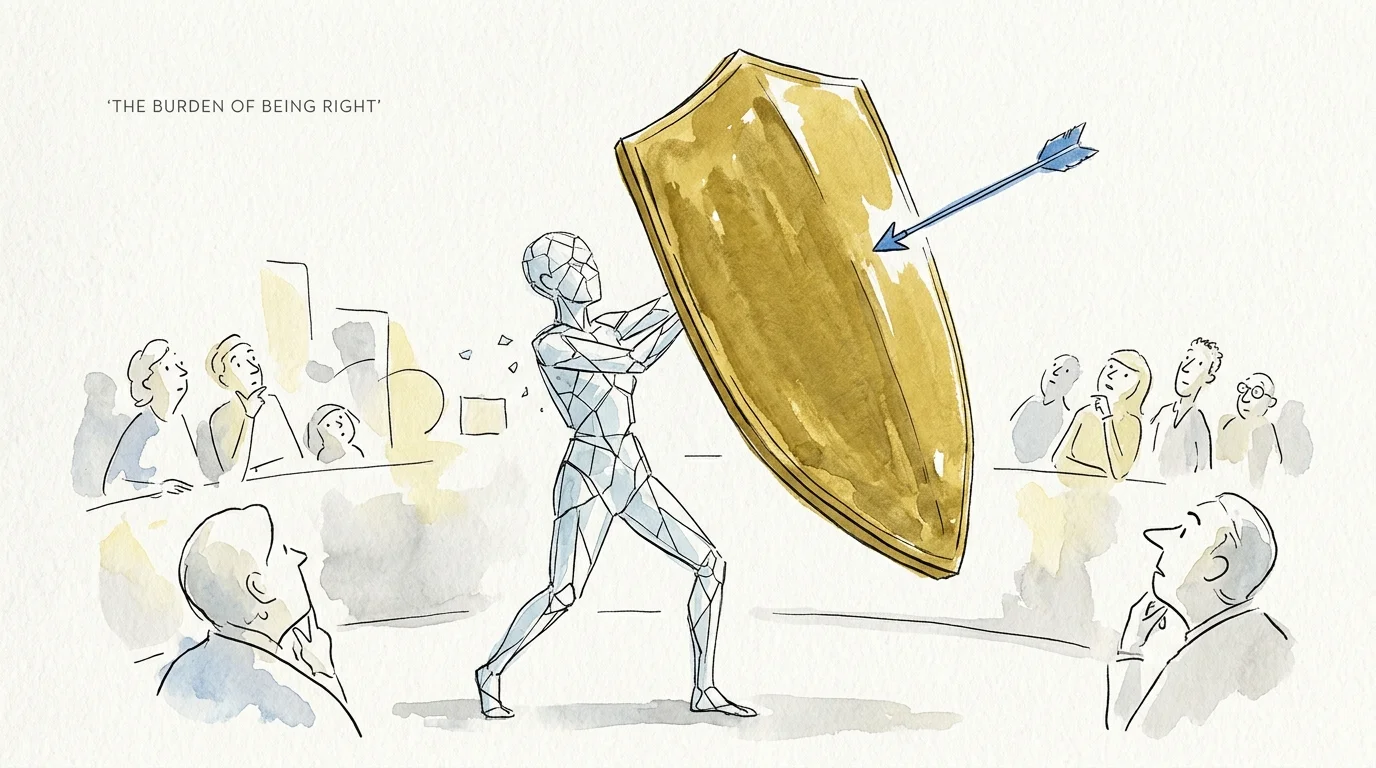
If you assume their behavior is a calculated attempt to break you down, you will likely respond with anger and counter-attacks, escalating the conflict. In reality, their behavior is often a maladaptive trauma response or a coping mechanism developed in childhood. Perhaps they grew up in an environment where mistakes were punished severely, or where they were only valued for their academic or intellectual achievements. By recognizing that their need to be right is a shield rather than a sword, you can approach the situation with boundary-driven compassion rather than reactive hostility.
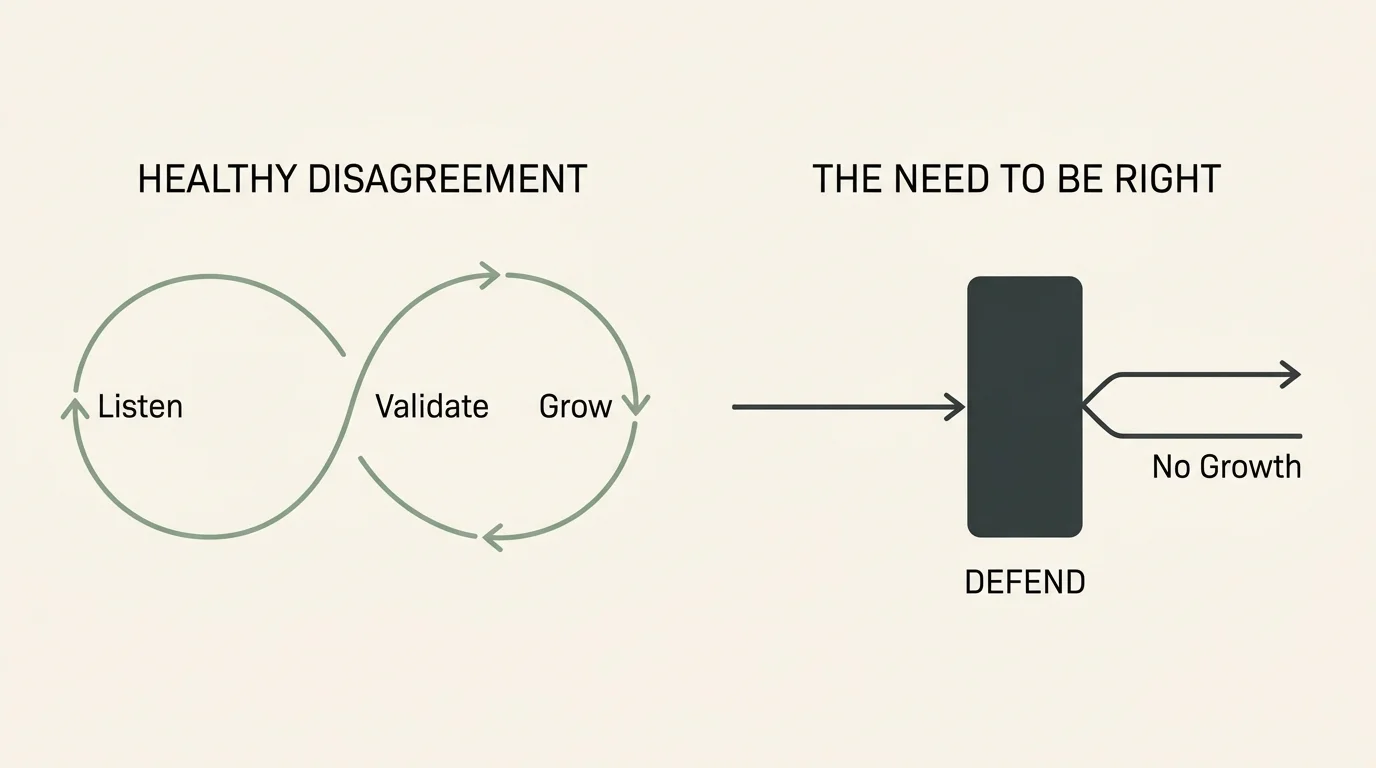
Healthy Disagreement vs. The Need to Be Right
Understanding the difference between an assertive partner and someone crippled by the need to be right can clarify your relationship dynamics. The table below outlines the distinct differences between healthy conflict and rigid argumentation.
| Healthy Disagreement | The Need to Be Right |
|---|---|
| Focuses on understanding the other person’s perspective. | Focuses exclusively on winning the argument and asserting dominance. |
| Involves active listening and validating the other’s emotions. | Involves listening only to find flaws to use as counter-arguments. |
| Readily admits mistakes and offers genuine apologies. | Deflects blame and uses “non-apologies” to avoid accountability. |
| Can tolerate ambiguity; agrees to disagree when necessary. | Sees compromise as a failure; must force the other to concede. |
| Prioritizes the health of the relationship over being factually correct. | Prioritizes ego protection, even if it damages trust and intimacy. |

Actionable Steps: How to Respond
You cannot control someone else’s cognitive rigidity, but you can control how you engage with it. If you are dealing with a partner, family member, or colleague who exhibits these traits, try implementing the following strategies to protect your peace:
- Drop the Rope: Imagine an argument is a game of tug-of-war. The only way to stop the game is to drop the rope. You do not have to attend every argument you are invited to. When the conversation turns circular, calmly state, “I don’t think we are going to see eye-to-eye on this,” and step away.
- Use “I” Statements: Minimize their defensiveness by focusing on your feelings rather than their behavior. Instead of saying, “You never listen to me,” try, “I feel disconnected when my perspective isn’t acknowledged.”
- Set Boundaries Around Disrespect: You can tolerate a difference of opinion, but you should not tolerate invalidation or name-calling. Say, “I am happy to discuss this with you, but I will not continue this conversation if my reality is dismissed.” Then, follow through by leaving the room if the boundary is crossed.
- Shift the Focus to Solutions: Bypass the debate over who is right by steering the conversation toward the future. Ask, “Regardless of how we got here, how can we solve this problem together moving forward?”
- Manage Your Own Nervous System: When someone invalidates you, it triggers your own fight-or-flight response. Practice deep breathing and ground yourself in your own truth. You do not need their agreement for your perspective to be valid.

When to Seek Professional Support
While establishing boundaries can significantly improve your daily interactions, some relational dynamics require the intervention of a licensed professional. You should consider seeking the support of a therapist or counselor if:
- The need to be right escalates into emotional abuse, name-calling, or persistent gaslighting that damages your self-esteem.
- You find yourself constantly experiencing anxiety, depression, or a “walking on eggshells” feeling in your own home.
- The communication breakdown is threatening the foundation of your marriage or long-term partnership, and attempts to resolve conflicts independently always fail.
- You begin to question your own memory, sanity, or worth due to chronic invalidation.
Couples counseling—particularly methods backed by clinical research, such as Emotionally Focused Therapy (EFT) or the Gottman Method—can help both partners uncover the underlying emotional needs driving the conflict. If your partner refuses to attend therapy, individual counseling can still provide you with vital coping mechanisms and boundary-setting skills.
Frequently Asked Questions
Why do some people always need to be right?
The need to always be right usually stems from deep-seated insecurity, fear of vulnerability, or cognitive rigidity. For these individuals, admitting fault feels like a fundamental threat to their self-worth or identity, prompting their nervous system to react defensively. It is rarely about the facts of the argument and almost entirely about protecting their ego.
Can you have a healthy relationship with someone who is never wrong?
It is very challenging to maintain emotional intimacy with someone who cannot admit fault. A healthy relationship requires mutual compromise, validation, and shared accountability. However, if the person is willing to recognize their behavior and actively work on their emotional flexibility—often through professional therapy—the relationship dynamic can improve over time.
How do you win an argument with someone who always has to be right?
The most effective strategy is choosing not to play the game. You cannot “win” a logic-based argument against someone who is using emotional defense mechanisms. Instead of trying to prove them wrong, state your perspective calmly, hold your emotional boundaries, and disengage from circular debates. Protecting your peace is the ultimate victory.
Moving Forward
Navigating a relationship with someone who always has to be right requires immense patience and an unshakable sense of your own self-worth. It is important to remember that their inability to validate your perspective is a reflection of their internal limitations, not a reflection of your reality. You do not need their concession to validate your experiences.
Focus on cultivating your own emotional resilience and setting boundaries that protect your energy. Whether you choose to work through these challenges in couples therapy or practice radical detachment in your interactions, prioritize your mental well-being. By recognizing these traits for what they are—a shield against vulnerability—you can step out of the courtroom dynamic and reclaim the peace in your daily life.
The information in this article is meant for educational purposes and general guidance. It does not replace individual therapy, counseling, or medical treatment. If you or someone you know is in crisis, contact the 988 Suicide & Crisis Lifeline by calling or texting 988.
Last updated: February 2026. Psychology research evolves continuously—verify current findings with professional sources.









Leave a Reply