
Emotional abuse often begins so subtly that you might find yourself questioning your own memory and judgment long before you realize what is actually happening. Unlike physical violence, psychological manipulation leaves no visible bruises, making it incredibly difficult to identify and validate. It frequently thrives in the shadows of a relationship, disguised as intense love, overprotectiveness, or “just a joke.” Recognizing the signs of an emotionally abusive relationship is the critical first step toward reclaiming your autonomy and protecting your mental health. By understanding specific tactics like gaslighting, chronic invalidation, and coercive control, you can break the cycle of confusion. You deserve a partnership built on mutual respect, and identifying these nine clear behavioral patterns will help you evaluate your reality and take necessary action.

The Invisible Wounds of Psychological Abuse
Psychological and emotional abuse leaves profound, enduring scars that fundamentally alter how you interact with the world. Without the obvious physical evidence of violence, survivors frequently struggle to have their experiences validated by friends, family, and even legal systems. Current data highlights the staggering scale of this issue. According to a 2025 survey by the Office for National Statistics, emotional abuse remains the most prevalent form of domestic abuse reported, far outstripping physical violence. Similarly, data from the European Union Agency for Fundamental Rights indicates that nearly half of young adult women report experiencing psychological violence in intimate partnerships.
Unlike a singular traumatic event, emotional abuse functions as a slow, deliberate drip of psychological manipulation. Over time, this consistent erosion of your self-esteem rewires how you perceive reality. It generates a state of chronic stress, often leading to severe anxiety, clinical depression, and complex post-traumatic stress disorder. Understanding that emotional abuse is a systemic pattern of dominance—not just a bad mood or a rough patch—is essential for recognizing the toxicity in your own relationship. An abuser uses these behaviors to secure power, ensuring that you feel too weak, confused, or unlovable to leave.

9 Signs You Might Be in an Emotionally Abusive Relationship
Emotional abuse thrives on confusion. By familiarizing yourself with the specific tactics used to maintain control, you can begin to separate your partner’s manipulative narrative from the actual truth. Watch for these nine behavioral patterns.
1. Gaslighting and Reality Distortion
Gaslighting is one of the most insidious forms of emotional manipulation. It occurs when a partner deliberately twists facts, denies previous statements, or insists that your memory of an event is flawed. The primary goal is to make you doubt your own sanity, rendering you more dependent on the abuser’s version of reality. They might say things like, “I never said that, you are making things up,” or “You are always overreacting.” Over time, this constant invalidation causes severe cognitive dissonance. You know what you experienced, but the person you love is vehemently denying it. According to the American Psychological Association, chronic gaslighting fundamentally destabilizes your sense of self-trust, making it incredibly difficult to make independent decisions or trust your own intuition.
2. Chronic Contempt and Belittling
While all couples express frustration, an abusive partner uses contempt to position themselves as superior. They weaponize sarcasm, mockery, and mean-spirited teasing to strip away your dignity. You might notice them rolling their eyes when you speak, mimicking your voice, or insulting your intelligence in front of others. If you express hurt, they immediately deflect by claiming you are “too sensitive” or “cannot take a joke.” This dynamic goes beyond typical relationship conflict; it is an active effort to diminish your worth. It makes you feel small, stupid, and unworthy of a healthy connection.
3. Isolation from Your Support System
An emotionally abusive partner recognizes that your friends and family are a threat to their control. They methodically cut you off from your support network, ensuring you rely entirely on them for validation and companionship. This isolation rarely starts with a direct command. Instead, it begins subtly. They might manufacture conflicts with your best friend, complain that your family disrespects them, or guilt-trip you for spending time away from home. They might ask, “Why do you need to go out with them when we could be together?” Before you realize it, your world shrinks. You stop making plans to avoid the inevitable argument, leaving you alone with the abuser and vulnerable to further manipulation.
4. Coercive Control and Micromanagement
Coercive control is an overarching strategy designed to strip away your independence. Your partner dictates everyday choices, from what you wear and who you speak to, to how you spend your free time. They may demand the passwords to your phone and social media accounts, track your location via GPS, or require you to check in constantly when you are out. Research recognizes coercive control as a primary foundation for domestic and family violence, noting it as a severe infringement on human autonomy. If your partner frames this surveillance as “worrying about your safety” or “total relationship transparency,” recognize it for what it is: a mechanism to keep you trapped and monitored.
5. Love Bombing Followed by Devaluation
Abusive relationships rarely start abusively. In the beginning, you may experience “love bombing”—an intense, overwhelming display of affection, grand gestures, and declarations of soulmate-level connection. The abuser mirrors your desires, making you feel perfectly understood and cherished. However, this idealization is a trap. Once they feel secure in your attachment, the devaluation phase begins. The affection is abruptly withdrawn and replaced with harsh criticism and emotional coldness. Because you remember the intense love from the beginning, you work tirelessly to regain their approval. This cyclical pattern of intense highs and agonizing lows creates a trauma bond, tying you to the abuser through intermittent reinforcement.
6. The Silent Treatment as a Weapon
Taking a brief timeout to cool off during an argument is a healthy communication strategy. However, the silent treatment is fundamentally different. An emotionally abusive partner uses prolonged silence as a punitive measure to assert dominance. They will ignore your physical presence, refuse to answer questions, and emotionally starve you until you break down and apologize—even if you did nothing wrong. This tactic is designed to make you feel invisible and desperate. It forces you to take on the emotional labor of repairing the relationship, while the abuser retains all the power. Over time, the mere threat of the silent treatment is enough to keep you compliant and fearful of voicing your needs.
7. Shifting Blame and Playing the Victim (DARVO)
Emotionally abusive individuals rarely take accountability for their actions. When confronted about their behavior, they employ a psychological tactic known as DARVO: Deny, Attack, and Reverse Victim and Offender. First, they deny the abusive behavior occurred. Then, they attack your credibility or character. Finally, they reverse the roles, claiming that they are the true victim of your “unreasonable” expectations or “cruel” accusations. For instance, if you confront them about yelling at you, they might say, “I would not have to yell if you were not so incompetent and stressful to live with.” This manipulative gymnastics leaves you exhausted, confused, and apologizing for their bad behavior.
8. Unpredictable Explosions (Walking on Eggshells)
Living with an emotionally abusive partner often feels like navigating a minefield blindfolded. Their mood swings are erratic and disproportionate to the situation. A minor inconvenience, like a misplaced key or a delayed dinner, can trigger an explosive rage or a prolonged sulking session. Because you never know which version of your partner will walk through the door, you develop a hyper-vigilant state of anxiety. You constantly monitor their mood, adjusting your behavior, your tone, and your environment to prevent an outburst. This chronic state of “walking on eggshells” is emotionally draining and severely damages your nervous system over time.
9. Financial and Resource Manipulation
While sometimes categorized separately as economic abuse, financial manipulation is deeply intertwined with emotional control. An abusive partner will restrict your access to shared bank accounts, sabotage your employment opportunities, or put you on a strict “allowance” that forces you to beg for basic necessities. They might ruin your credit by taking out loans in your name or demand that you hand over your paycheck for them to “manage.” By controlling the resources, they ensure that leaving the relationship feels logistically impossible. This dependency amplifies the emotional abuse, as you feel trapped not just by psychological manipulation, but by severe financial reality.
Healthy Conflict vs. Emotional Abuse
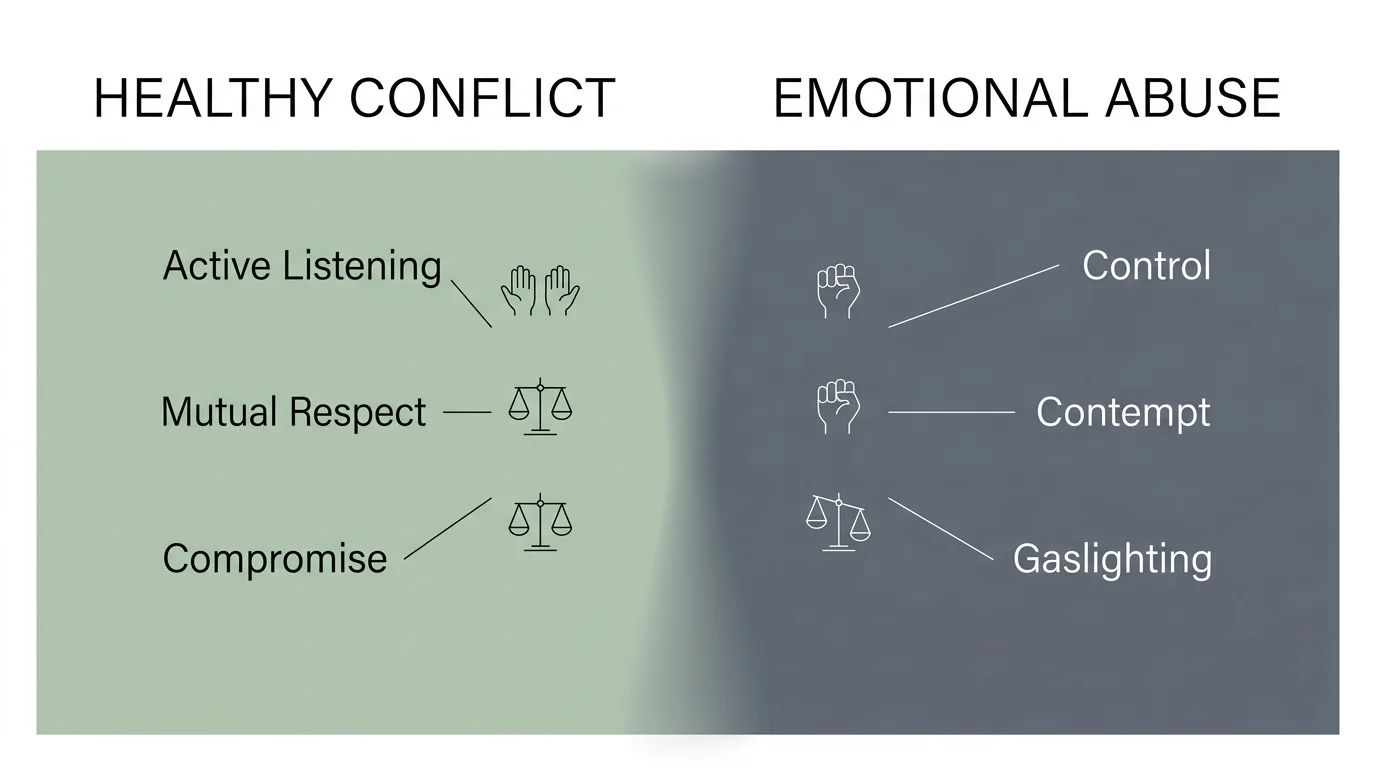
It is entirely normal to argue with your partner. However, healthy disagreements focus on resolving an issue, whereas abusive conflicts focus on destroying your self-esteem. The table below outlines the stark differences between a rough patch and psychological manipulation.
| Relational Dynamic | Healthy Conflict | Emotionally Abusive Conflict |
|---|---|---|
| Focus of the Argument | Specific behaviors or external problems. | Your character, intelligence, or worth as a person. |
| Goal of the Dispute | Seeking mutual understanding and compromise. | Asserting dominance, “winning,” and punishing you. |
| Atmosphere | Safe and respectful, even when voices are raised. | Fearful, unpredictable, and hyper-vigilant. |
| Accountability | Both partners own their mistakes and apologize. | The abuser deflects blame and demands your apology. |
| Resolution | The conflict ends, and the relationship is repaired. | The issue is never truly resolved; it is used against you later. |
The Role of Contempt in Toxicity
“Contempt is the sulfuric acid of love.” — John Gottman, Ph.D.
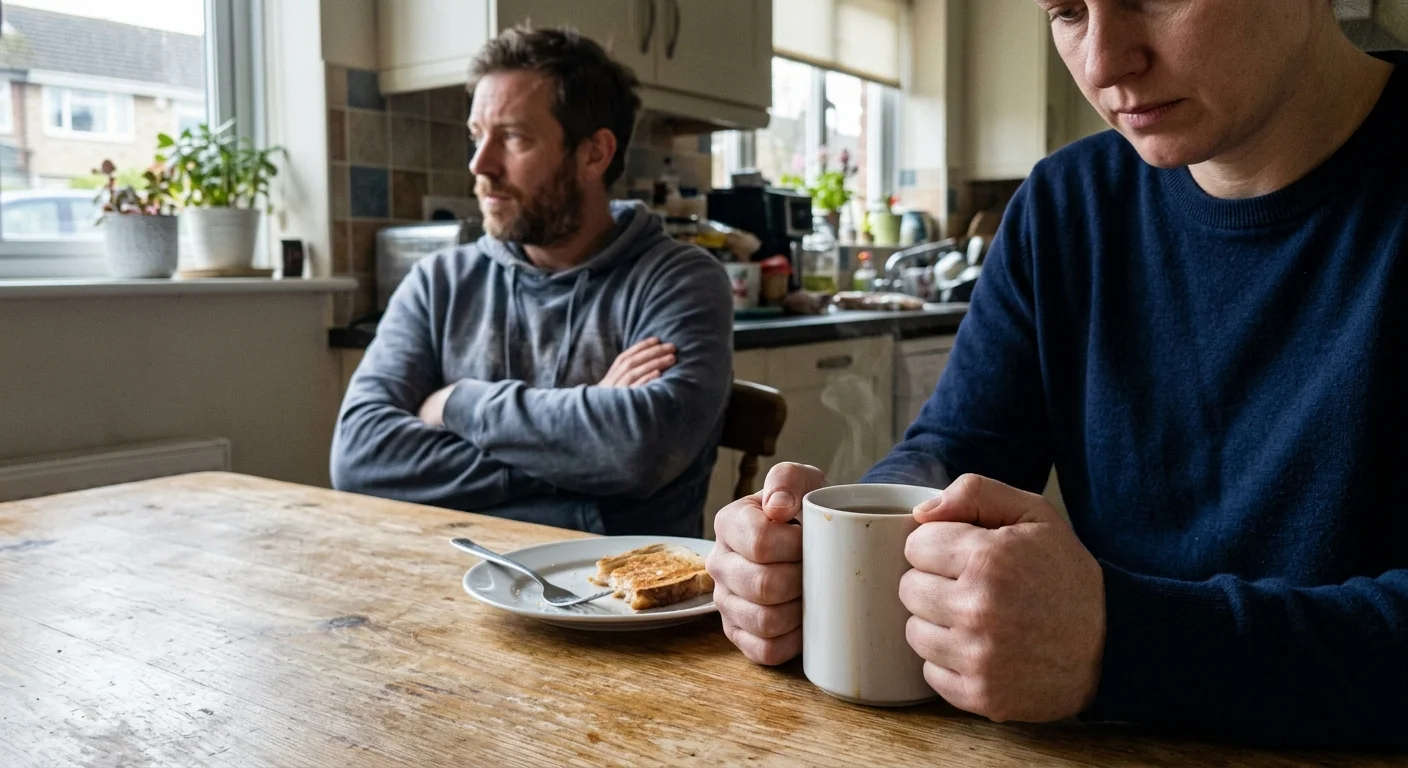
When analyzing toxic relationship dynamics, researchers frequently point to contempt as the most destructive element. The Gottman Institute has spent decades studying how couples communicate, identifying contempt as the single biggest predictor of relationship failure. Contempt goes far beyond criticism. It is fueled by long-simmering negative thoughts and is expressed through a lens of absolute superiority.
In an emotionally abusive relationship, contempt is the weapon of choice. It manifests as sneering, hostile humor, name-calling, and public humiliation. The abuser does not just want to express dissatisfaction; they want to make you feel worthless. Research indicates that being on the receiving end of chronic contempt not only destroys your self-esteem but actively degrades your physical health, lowering your immune system response due to chronic stress. Recognizing contempt is vital, as it confirms that the abuser is not trying to connect with you—they are trying to control you by dismantling your self-worth.
Patterns to Watch For: Common Misconceptions
Emotional abuse often goes unrecognized because societal narratives around domestic violence tend to focus exclusively on physical assault. It is crucial to unlearn these misconceptions to see your relationship clearly.
- “But they never hit me.” Abuse does not require physical contact. Emotional and psychological violence can cause just as much—if not more—long-term neurological trauma than a physical blow.
- “They only act this way because they love me so much.” Jealousy, possessiveness, and stalking are not signs of deep love. They are signs of deep insecurity and a desire for absolute control.
- “I provoked them into doing it.” Abusers condition you to believe that their bad behavior is your fault. You are never responsible for someone else’s choice to be cruel or manipulative.
- “They had a traumatic childhood, so I need to be patient.” While trauma can explain poor coping mechanisms, it does not excuse ongoing abuse. You cannot heal someone else’s trauma by allowing them to destroy your mental health.

When Self-Help Isn’t Enough
Reading about emotional abuse can bring a sense of clarity, but navigating your way out of a toxic dynamic is incredibly difficult to do alone. Because abusers isolate their victims and systematically destroy their self-confidence, seeking external support is often a matter of survival. You should seek immediate professional guidance if you experience any of the following scenarios:
- You fear for your physical safety. Emotional abuse frequently escalates into physical violence, particularly when the abuser senses they are losing control. If you feel threatened, do not wait for the behavior to turn physical.
- You are experiencing severe depression or suicidal ideation. The chronic stress of emotional abuse can lead to severe mental health crises. If you feel completely hopeless or are having thoughts of self-harm, contact the 988 Suicide & Crisis Lifeline immediately.
- You feel completely detached from reality. If gaslighting has left you unable to trust your own memory, making everyday decisions impossible, a trauma-informed therapist can help you rebuild your cognitive trust.
- Your children are witnessing the abuse. If your partner’s manipulative behavior is impacting your children—either because they are witnessing it or becoming targets themselves—professional intervention is required to protect their developmental well-being.
You can find verified mental health resources and treatment locators through the Substance Abuse and Mental Health Services Administration (SAMHSA).
Frequently Asked Questions
Can an emotionally abusive relationship be fixed?
Repairing an abusive relationship requires the abuser to take full, unprompted accountability for their actions, seek intense behavioral therapy, and demonstrate long-term, consistent change. While change is theoretically possible, it is extremely rare. Couples counseling is generally contraindicated when active abuse is present, as the abuser often weaponizes the therapy sessions against the victim.
Is emotional abuse illegal?
Legal definitions of domestic violence are evolving. In several regions, including the UK and parts of Australia, coercive control is now recognized as a criminal offense. In the United States, laws vary significantly by state, but extreme forms of emotional abuse—such as stalking, harassment, and severe financial exploitation—can offer grounds for protective orders.
Why is it so hard to leave an emotionally abusive partner?
Leaving is difficult because emotional abuse creates a trauma bond. The cycle of extreme highs (love bombing) and extreme lows (devaluation) creates an addiction-like chemical attachment in the brain. Additionally, the abuser has likely isolated you from your support network and decimated your self-esteem, making the prospect of leaving feel logistically and emotionally impossible.
Moving Forward and Seeking Safety
“Daring to set boundaries is about having the courage to love ourselves, even when we risk disappointing others.” — Brené Brown, Ph.D.
Realizing that you are in an emotionally abusive relationship is a painful, disorienting experience. It requires you to grieve the relationship you thought you had while simultaneously finding the strength to protect your future. Remember that the confusion, anxiety, and self-doubt you feel are not personal failings; they are the intentional symptoms of psychological manipulation. Rebuilding your life begins with setting firm boundaries and reconnecting with the support systems your partner tried to sever.
You do not have to navigate this transition alone. Reach out to a trusted friend, contact a domestic violence advocate, or speak with a licensed therapist to formulate a safe exit strategy. This is educational content based on psychological research and general principles. Individual experiences vary significantly. For personalized guidance, consult a licensed therapist, psychologist, or counselor.
Last updated: July 2026. Psychology research evolves continuously—verify current findings with professional sources.







Leave a Reply