

You wake up, pour the coffee, commute, work, scroll, sleep, and repeat. The days blur together, and while nothing is drastically wrong, nothing feels particularly right, either. This sense of emotional flattening isn’t just you having a bad week; it is a recognized psychological state often called languishing. You are functional and meeting your basic obligations, yet you are deeply disconnected from a sense of purpose, joy, or meaning. Recognizing the subtle difference between surviving and thriving is the first step toward reclaiming your vitality. If you suspect you have traded genuine engagement for a comfortable but numb routine, you need to understand the quiet signs that you are just existing, not truly living.
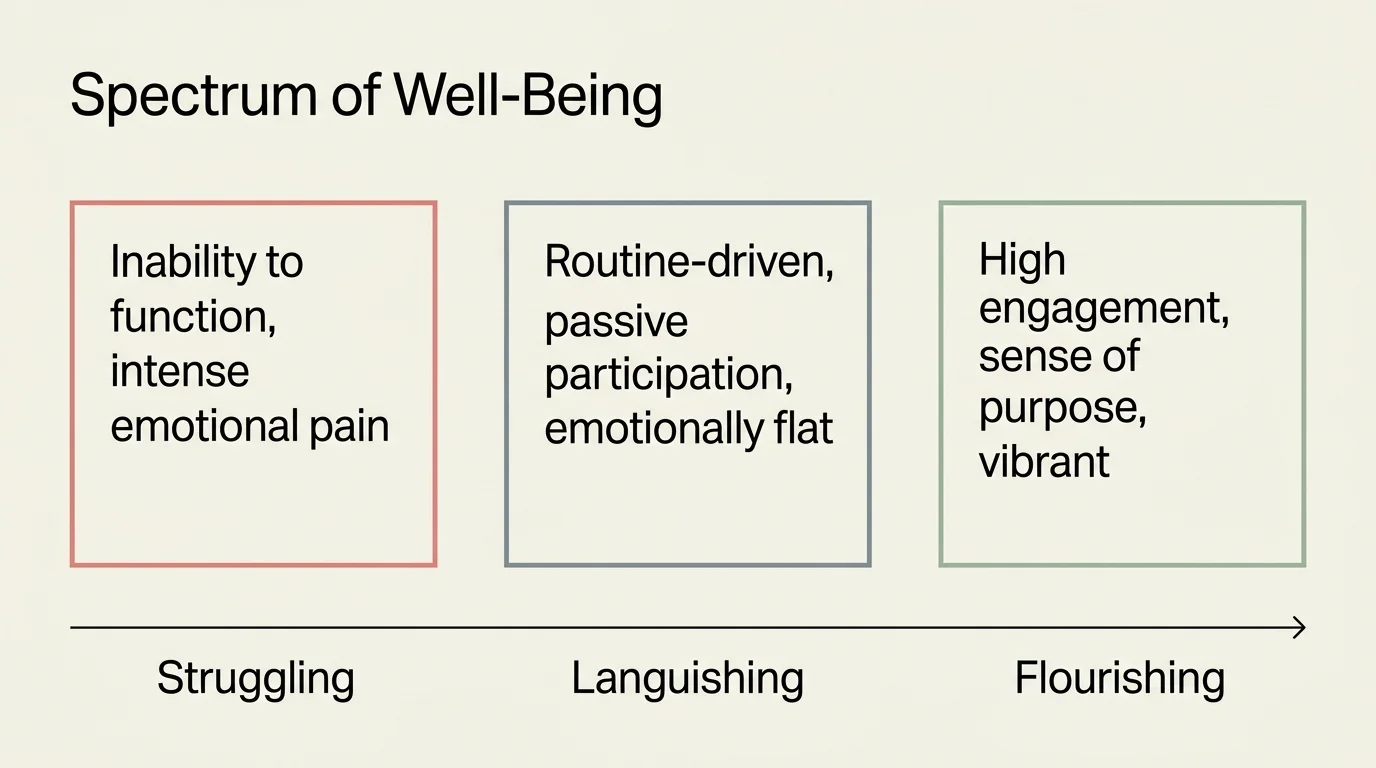
At a Glance: The Spectrum of Well-Being
Psychologists view mental health not as a simple on-and-off switch, but as a continuum. You do not have to be actively depressed to feel stuck. Understanding where you fall on this spectrum can help you clarify your emotional reality before you dive into the specific signs.
| State of Mind | Core Characteristics | Emotional Experience |
|---|---|---|
| Flourishing (Truly Living) | High engagement, a sense of purpose, active participation in relationships. | Vibrant, curious, resilient in the face of setbacks, emotionally accessible. |
| Languishing (Just Existing) | Routine-driven, passive participation, avoidance of unstructured time. | Numb, bored, chronically mildly fatigued, emotionally flat. |
| Struggling (Clinical Distress) | Inability to function, intense emotional pain, severe withdrawal. | Overwhelmed, despairing, hopeless, physically exhausted. |
1. Your Default State Is “Autopilot”
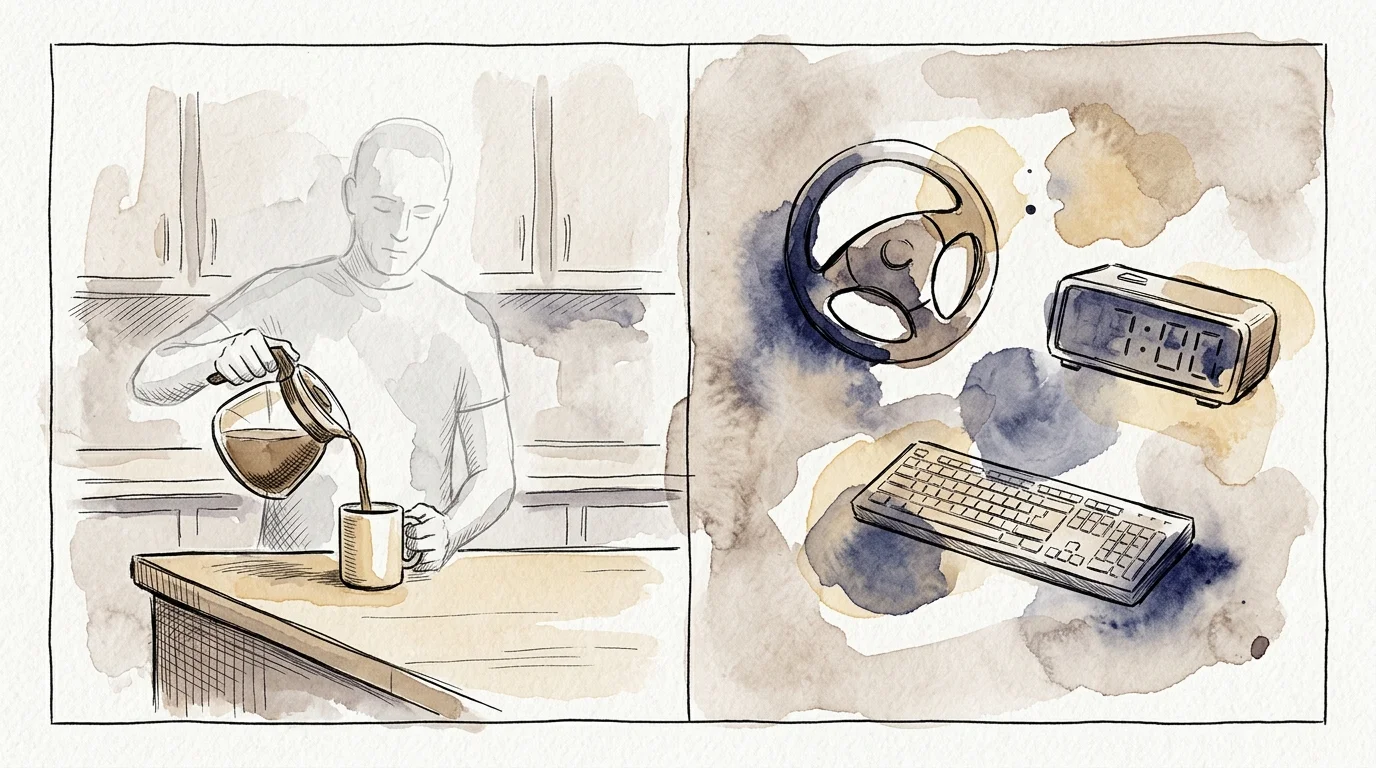
Habits are neurologically efficient; they save our brains from expending energy on mundane decisions. However, efficiency is not the same as vitality. A recent 2025 study published in Psychology & Health revealed that approximately 65 percent of our daily behaviors are initiated on autopilot, meaning they are triggered automatically by our environment rather than conscious choice.
When you are merely existing, this autopilot mechanism takes over your entire life, not just your morning routine. You drive home without remembering the commute. You eat a meal without tasting the food. You say “I love you” out of habit rather than feeling the emotional weight of the words. You have outsourced your daily existence to muscle memory.
How to shift this: Introduce micro-interruptions to your routine. Drive a different route to work. Eat your breakfast at the dining table instead of over the sink. By changing the environmental cues that trigger your autopilot, you force your brain to wake up and engage with the present moment.
2. The “Anhedonia Whisper”: Things Are Fine, but Nothing Brings Real Joy
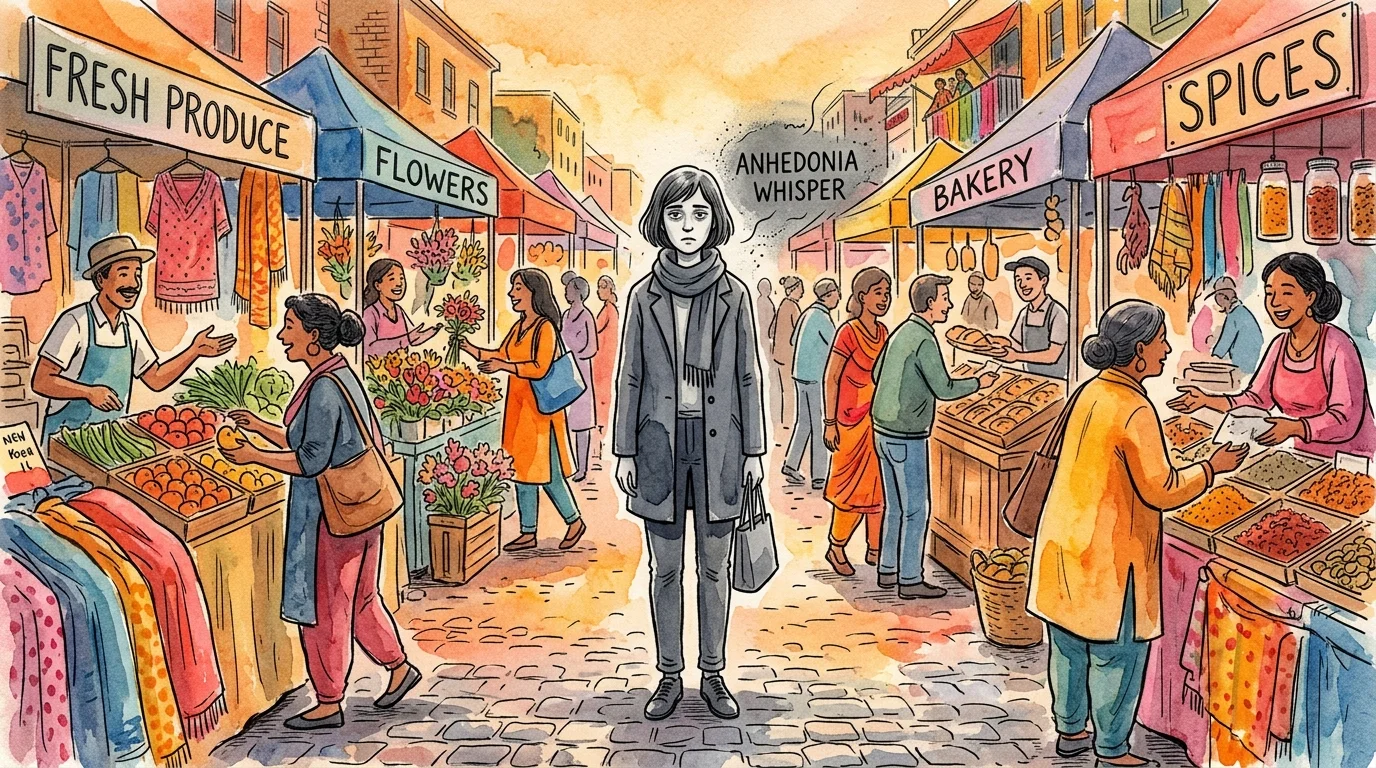
Anhedonia is a clinical term describing the inability to feel pleasure, a common hallmark of major depression. But there is a milder, subtler version of this—often referred to as languishing—that permeates the lives of people who are just existing. According to the 2024 AXA Mind Health Report, roughly 29 percent of people globally are currently languishing, while another 32 percent are just “getting by”.
You might go to a concert, attend a friend’s wedding, or take a vacation, but the joy feels muted. You recognize logically that you should be having fun, but the emotion doesn’t penetrate your chest. You are an observer of your own life, watching yourself go through the motions of happiness without actually feeling the warmth of it.
How to shift this: Stop chasing massive spikes of dopamine and start noticing micro-joys. Reconnecting with pleasure requires you to practice savoring small things—the warmth of a mug, the exact color of the evening sky, the texture of a blanket. Savoring is an active mental process that trains the brain to register positive emotions again.

3. You Crave Distraction Over Connection
When you are disconnected from your inner self, quiet moments feel intolerable. To fill the void, you turn to passive distraction. Digital platforms are designed perfectly for this state of mind. Research indicates that the average human attention span on a digital screen has collapsed to roughly 47 seconds, and adults regularly spend upward of six to seven hours a day consuming online media.
Mindless scrolling is the ultimate tool for someone who is just existing. It requires zero emotional investment, zero vulnerability, and zero active thought. If your first instinct upon sitting down is to reach for your phone to numb out, you are using distraction to avoid the discomfort of your own company. You are consuming content, but you are starving for genuine connection.
How to shift this: Create physical boundaries with your devices. Leave your phone in another room when you watch a movie or eat dinner. Let yourself feel the initial discomfort of boredom. Boredom is often the precursor to creativity and self-reflection, both of which are required to start living again.
4. You Have a Persistent Sense of “Waiting” for Life to Start
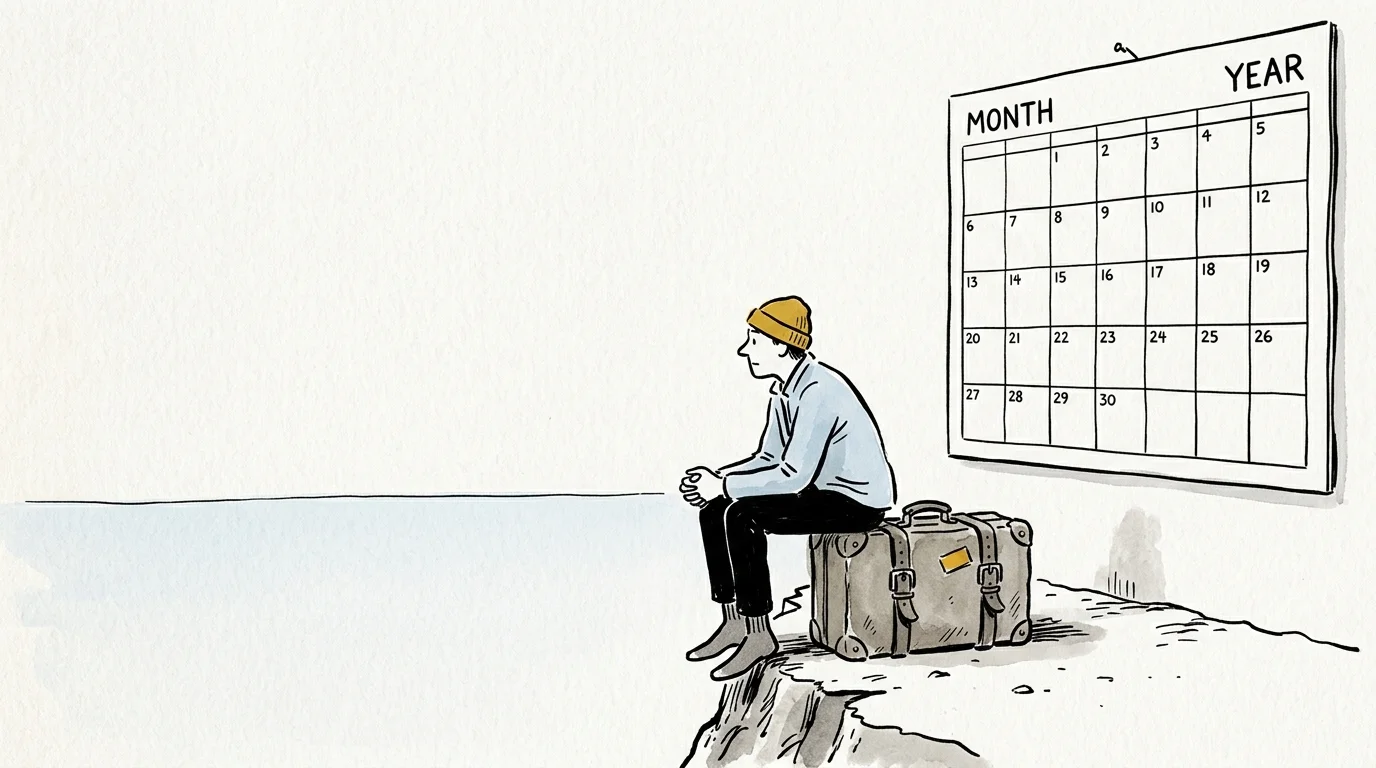
People who are truly living understand that their life is happening right now, in the messy, imperfect present. When you are just existing, you fall victim to the “I will be happy when” syndrome. You convince yourself that your real life will begin once you get the promotion, lose the weight, find the partner, or pay off the debt.
This psychological deferment means you never have to take responsibility for your happiness today. You treat your current circumstances as a waiting room. The tragic reality is that there is no magical future milestone that permanently alters your baseline of happiness. If you do not know how to live today, you will not suddenly know how to live tomorrow.
“Those who have a ‘why’ to live, can bear with almost any ‘how’.” — Viktor Frankl, MD, PhD
How to shift this: Anchor yourself in the present by identifying one meaningful action you can take today that aligns with your values. Stop treating your current life as a rehearsal. If you want to be a writer, write a single paragraph today. If you want to be more adventurous, explore a new neighborhood this afternoon.

5. You’ve Stopped Actively Participating in Your Relationships
Human connection requires energy, curiosity, and vulnerability. When you are operating in survival mode, relationships devolve into mere logistics. You talk to your partner about who is buying groceries and when the bills are due, but you stop asking them about their hopes, fears, or random thoughts.
This emotional withdrawal is widespread. The American Psychological Association’s 2025 Stress in America survey found that 50 percent or more of adults report feeling isolated, left out, or lacking companionship often or some of the time. You can be married, live in a bustling household, and still be profoundly lonely because you have stopped allowing yourself to be seen.
How to shift this: Ask open-ended questions. Instead of asking your partner or friend, “How was work?” ask, “What was the most surprising part of your day?” Reintroduce curiosity into your relationships. Connection is not a passive state; it is an active practice.
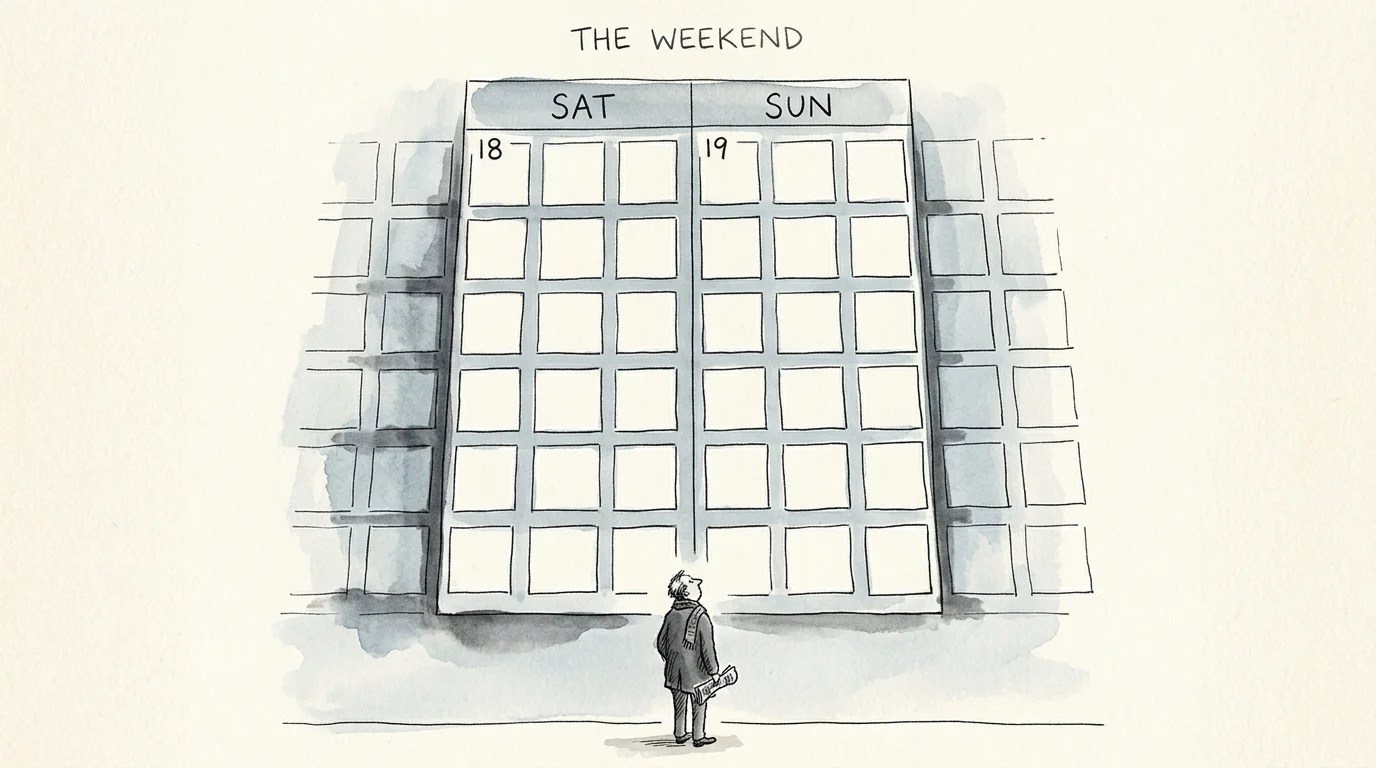
6. You Dread Free Time Because It Lacks Structure
A classic, subtle sign of just existing is the Sunday night dread—not necessarily because you hate your job, but because the weekend left you alone with your thoughts. During the workweek, external structure dictates your behavior. Your boss, your schedule, and your deadlines tell you who to be and what to do.
When the weekend arrives and that scaffolding is removed, the emptiness rushes in. Because you have lost touch with your intrinsic desires and hobbies, free time feels like an oppressive void. You might end up sleeping excessively, scrolling for hours, or artificially inflating your schedule with busywork just to avoid facing the silence.
How to shift this: Reclaim your weekends by scheduling low-stakes, high-engagement activities. Do not schedule chores; schedule a hike, a museum visit, or a baking project. Give your free time a gentle, enjoyable structure so you do not fall back into the void.

7. You Feel Deeply Exhausted Without Physical Exertion
There is a distinct difference between the satisfying fatigue that follows a long hike or a focused workday and the heavy, dull exhaustion of a stagnant life. If you are constantly tired despite getting adequate sleep and not engaging in strenuous physical activity, you are likely experiencing emotional fatigue.
Suppressing your desires, ignoring your emotional needs, and maintaining a facade of “being fine” requires a tremendous amount of cognitive energy. Apathy is exhausting. Your brain is burning calories simply to maintain the status quo and keep deeper existential distress at bay.
How to shift this: Acknowledge the emotional toll of avoidance. Sometimes, a “lazy” day makes you more tired because you are actively resisting your feelings. Try engaging in a small, physically active task—like a ten-minute walk or gentle stretching—to help reset your nervous system and bridge the gap between your mind and body.
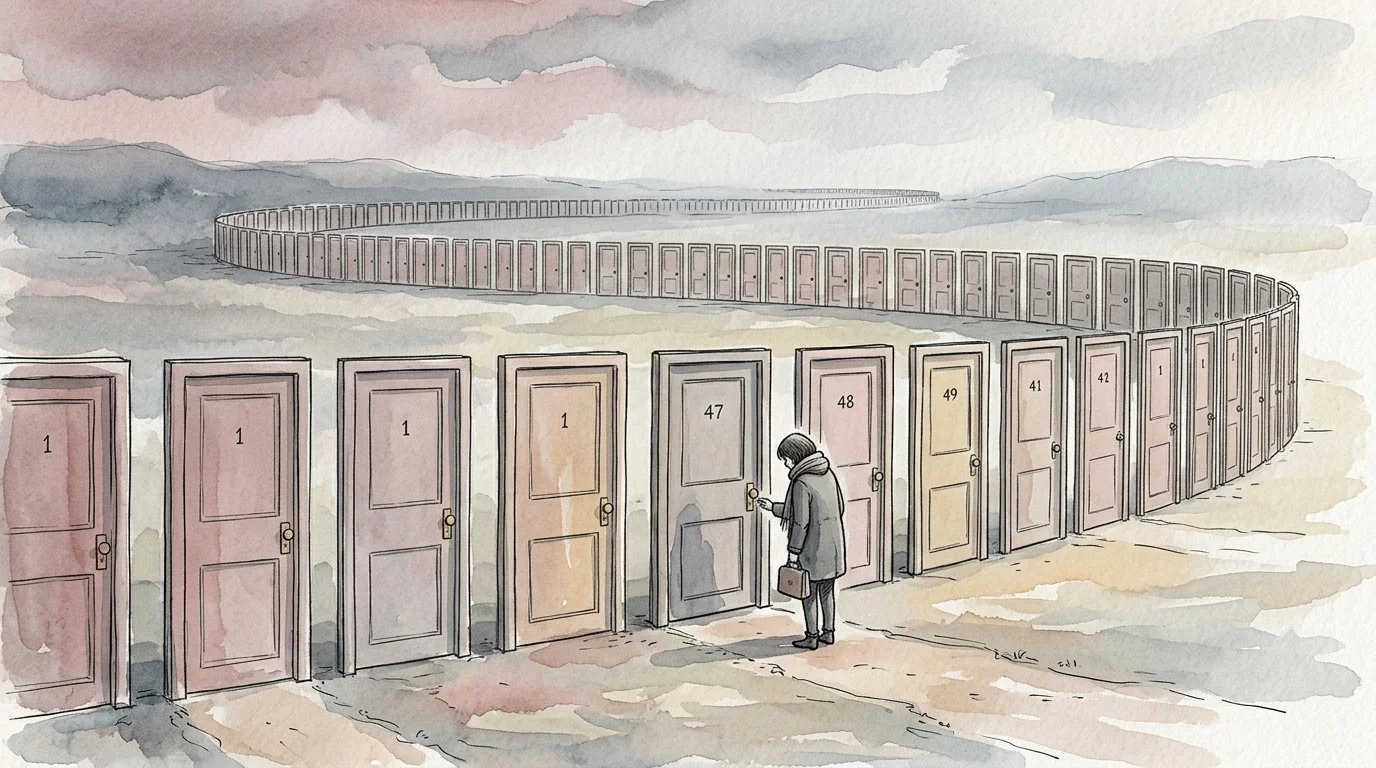
8. Your Future Feels Like a Repetition of Today
Psychologists use the term prospection to describe our mental ability to generate and evaluate future possibilities. When a person is thriving, their prospection is vibrant; they look forward to upcoming events, they brainstorm solutions to future problems, and they daydream about new experiences.
When you are just existing, your prospection collapses. If someone asks you where you see yourself in five years, your mind goes blank, or you simply imagine doing the exact same thing you are doing today. You have lost the capacity for positive anticipation. The future does not feel like an open canvas; it feels like an unavoidable chore.
How to shift this: Start small with short-term prospection. Plan something enjoyable for next week—a dinner with a friend, a visit to a bookstore, or watching a movie you have wanted to see. Rebuilding your capacity to look forward to the future starts with anticipating small, near-term joys.

9. Comfort Has Completely Overtaken Curiosity
There is absolutely nothing wrong with comfort. Our nervous systems need safety and predictability to function properly. However, when comfort becomes the only metric by which you make choices, growth stops.
If you have stopped reading new books because rereading old ones is safer; if you order the exact same meal at every restaurant; if you actively avoid any conversation that might challenge your worldview—you are trading your vitality for a false sense of security. Living requires stepping into the unknown.
“Vulnerability is not winning or losing; it’s having the courage to show up and be seen when we have no control over the outcome.” — Brené Brown, PhD, MSW
How to shift this: Commit to one low-risk novelty a week. Listen to a genre of music you normally ignore. Cook a recipe with an ingredient you have never used. Novelty stimulates the brain’s reward centers and helps pull you out of stagnation.
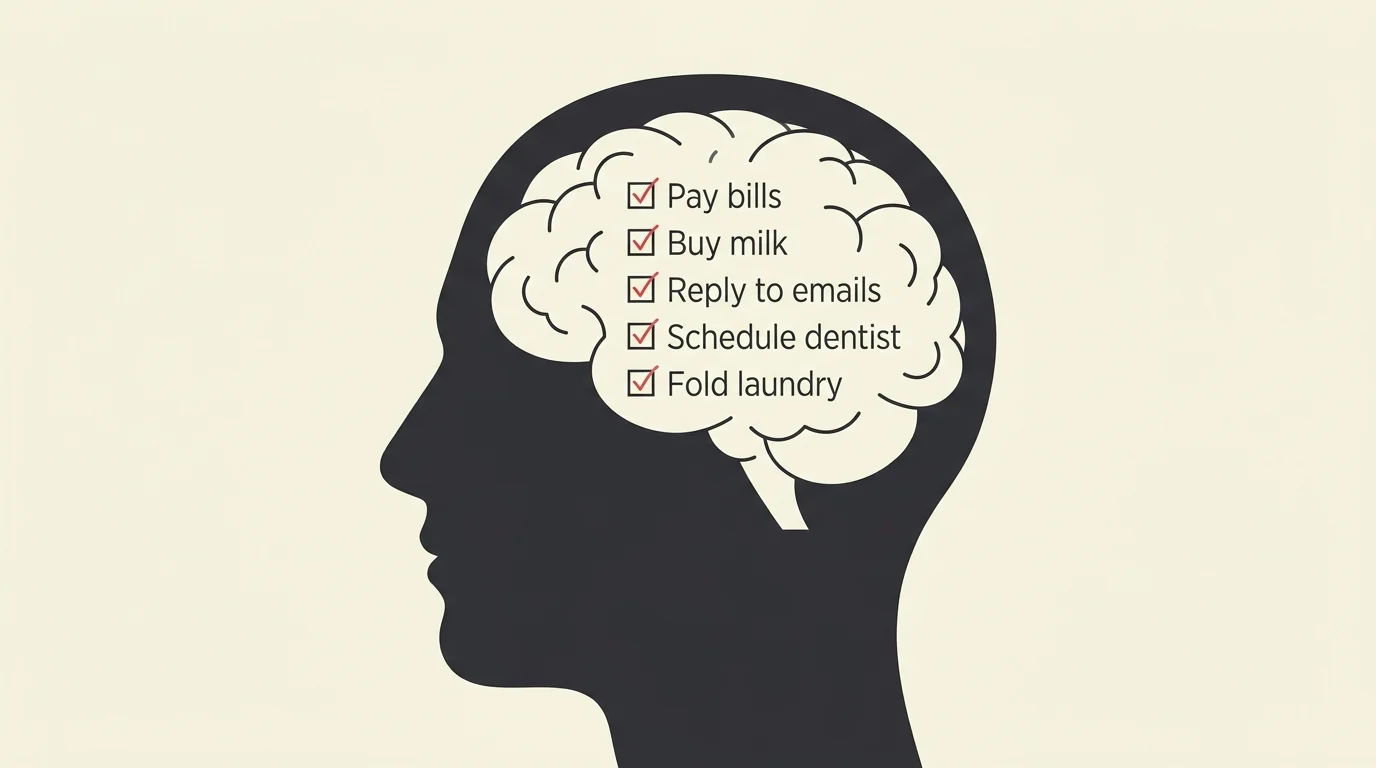
10. Your Inner Monologue Is Just a To-Do List
Pay attention to the voice inside your head. When we are engaged with life, our inner monologue is dynamic. We reflect on conversations, we wonder about the universe, we process our feelings, and we imagine creative scenarios.
When you are just existing, that inner voice shrinks down into a relentless, administrative to-do list. Did I take out the trash? I need to email the accountant. What is for dinner? I should buy more laundry detergent. Your internal world is completely consumed by logistics, leaving no room for wonder, reflection, or emotional processing.
How to shift this: Try journaling for just five minutes a day with a strict rule: you are not allowed to write about tasks, chores, or logistics. Write about a memory, a feeling, a dream, or an observation. Force your internal monologue to stretch beyond the boundaries of your daily errands.
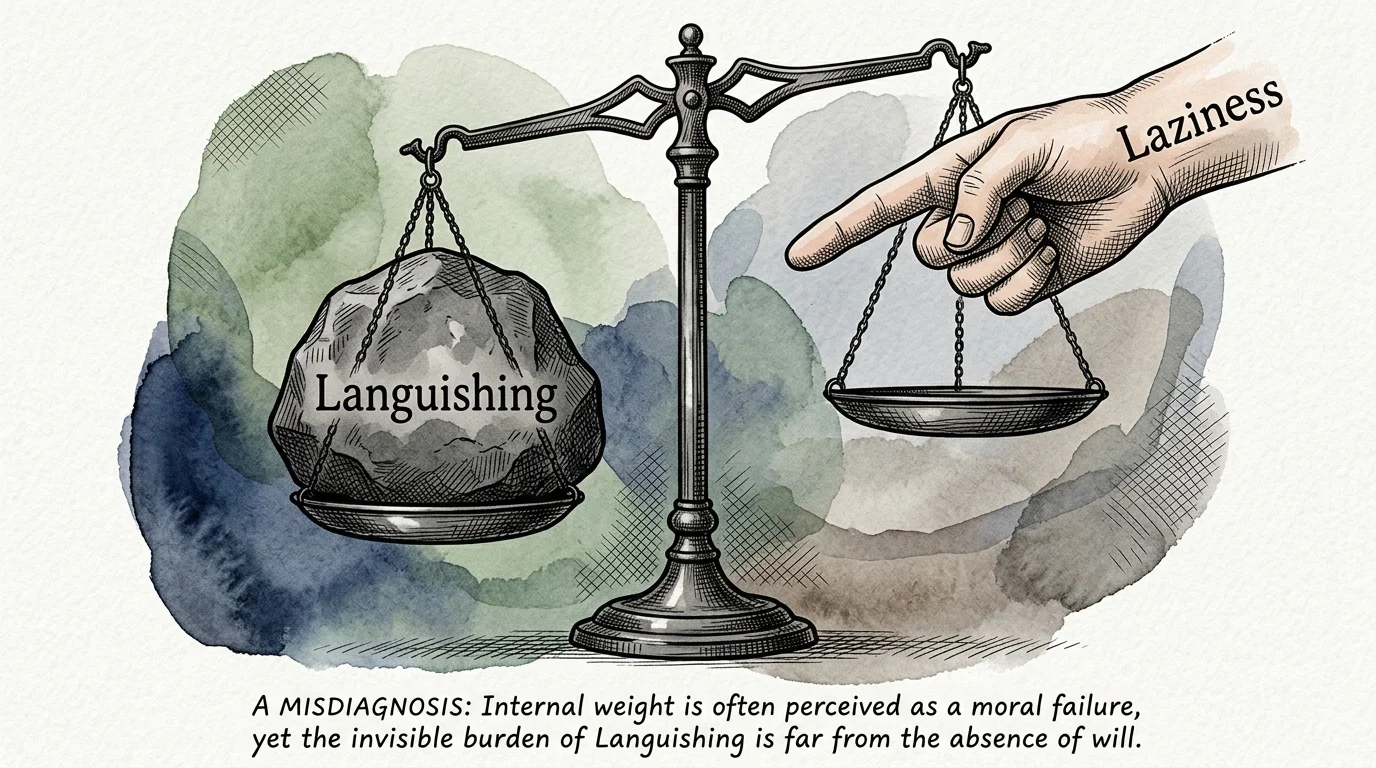
What Can Go Wrong: Misdiagnosing Languishing as Laziness
One of the most dangerous things you can do when you feel this way is to misdiagnose your emotional numbness as a character flaw. Many people realize they are just going through the motions and immediately label themselves as “lazy,” “unmotivated,” or “broken.” This self-shaming creates a vicious cycle. The worse you feel about yourself, the further you retreat into your comfortable, numb routine.
Another common trap is the urge to blow up your life just to feel something. People stuck in an emotional rut sometimes make impulsive, destructive decisions—quitting a decent job without a plan, ending a salvageable relationship, or making reckless financial choices—because the chaos provides a temporary illusion of vitality. Real change comes from making deliberate, micro-adjustments to your daily habits, not from burning your life to the ground.

When to Seek Professional Support
While languishing is a common human experience, it can sometimes be a stepping stone into a major depressive episode. If you are struggling to pull yourself out of this state, it may be time to consult a mental health professional. Consider seeking support if you notice the following:
- Your numbness turns into despair: You transition from feeling “meh” to feeling an active sense of hopelessness or worthlessness.
- You stop meeting basic self-care needs: You are no longer able to maintain your hygiene, nutrition, or sleep schedule.
- You rely on substances to cope: You find yourself using alcohol, drugs, or even severe behavioral compulsions (like excessive gambling) to alter your emotional state.
- Your isolation becomes severe: You are actively ignoring friends, family, and loved ones for extended periods.
Authoritative resources like the American Psychological Association or Psychology Today can help you find a licensed therapist in your area who specializes in cognitive behavioral therapy or existential therapy, both of which are highly effective for treating this kind of emotional stagnation.
Frequently Asked Questions
What is the difference between languishing and depression?
Depression is a clinical mood disorder characterized by intense emotional pain, persistent sadness, profound hopelessness, and an inability to function in daily life. Languishing is the absence of positive well-being. When you are languishing, you can still go to work and pay your bills, but you feel empty, joyless, and unmotivated.
How do I break out of a rut when I have absolutely no energy?
Start ridiculously small. Do not attempt a total life overhaul. If you have zero energy, pick one tiny habit to change—like drinking a glass of water outside in the morning, or listening to one new song a day. Action often precedes motivation. You do not need to feel energized to take a small step; taking the small step is what eventually creates the energy.
Can a relationship survive if both partners are just existing?
Yes, but it requires intentional intervention. Relationships often fall into a state of “parallel play” where partners coexist without connecting. To survive, at least one partner needs to initiate a shift. You can start by expressing your feelings without blame (e.g., “I’ve been feeling disconnected from myself and from us lately. Can we spend twenty minutes tonight just talking?”). Verywell Mind offers excellent, research-backed guides on re-establishing intimacy in long-term relationships.
Reclaiming Your Vitality: Gentle Next Steps
Moving from a state of mere existence to a life of vibrant engagement is not an overnight transformation. It is a slow, gentle process of waking yourself up. You do not need to quit your job, move to a new city, or completely reinvent your personality. You simply need to start noticing your life again. Reintroduce small novelties, practice active curiosity with the people around you, and allow yourself to feel the full spectrum of your emotions—even the uncomfortable ones. By intentionally stepping off autopilot, you give yourself the permission to step back into the driver’s seat of your own life.
The information in this article is meant for educational purposes and general guidance. It does not replace individual therapy, counseling, or medical treatment. If you or someone you know is in crisis, contact the 988 Suicide & Crisis Lifeline by calling or texting 988, or visit the 988 Lifeline website. For more information on mental health research, visit the National Institutes of Health (NIH).
Last updated: February 2026. Psychology research evolves continuously—verify current findings with professional sources.







Leave a Reply