
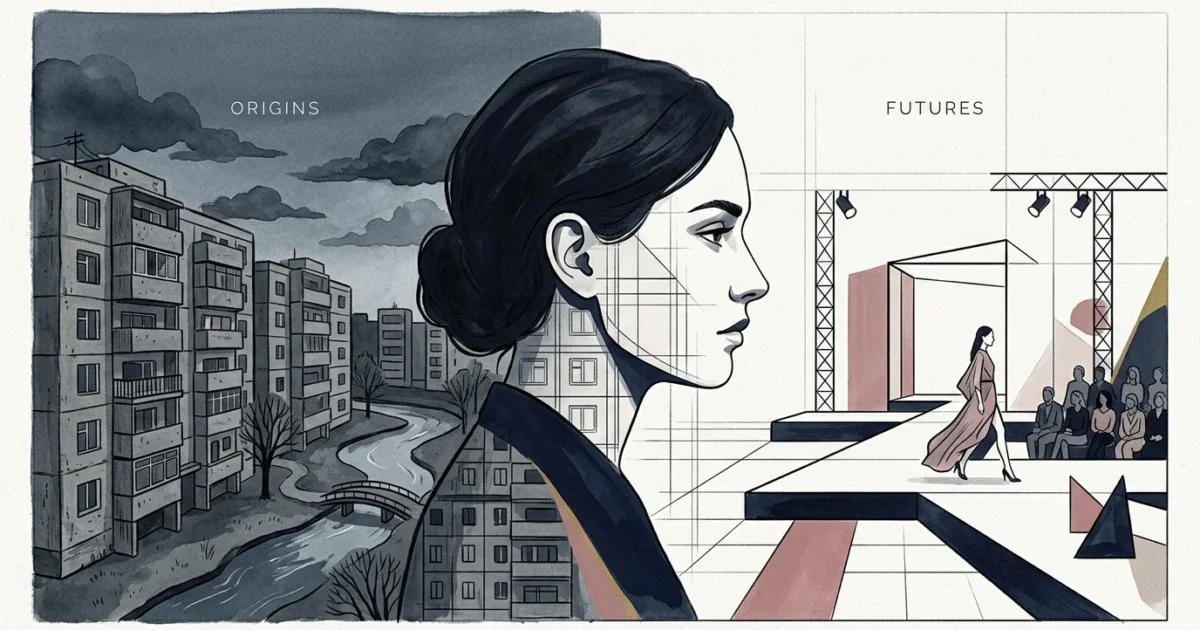
Long before the East Wing and the relentless glare of global scrutiny, Melania Trump was a quiet, observant design student from the small industrial town of Sevnica, Slovenia. Understanding who she was before meeting Donald Trump in 1998 offers a fascinating psychological window into the architecture of a highly curated, intensely private personality. By examining the impact of her upbringing in communist Yugoslavia, her early drive for reinvention, and her deeply stoic emotional baseline, you can gain valuable insights into how environment shapes character. Her journey from the Sava River to the runways of Milan and New York highlights the profound ways early cultural conditioning dictates how we set boundaries, manage stress, and protect our inner worlds in adulthood.

The Architecture of Privacy: Growing Up in Communist Yugoslavia
Born Melanija Knavs on April 26, 1970, in Novo Mesto, she spent her formative years in the quiet river town of Sevnica. Her early environment was grounded in a structured, working-class reality; her mother, Amalija, worked as a patternmaker in a textile factory, while her father, Viktor, managed car and motorcycle sales. During this era, Slovenia existed as a republic within communist Yugoslavia under the authoritarian rule of President Josip Broz Tito.
Growing up in a heavily monitored socialist state leaves an undeniable imprint on a developing psyche. In environments where public conformity is strictly enforced, citizens routinely cultivate emotional compartmentalization as a means of psychological survival. A comprehensive 2023 overview published in the National Library of Medicine highlights how the collective historical trauma of Eastern Europe’s totalitarian regimes produced lasting psychosocial effects, most notably a pervasive, deeply ingrained distrust of external observation. When a culture dictates that safety lies in silence, children learn to rely on rigid internal boundaries.
You can observe similar mechanisms in your own psychological landscape. If you were raised in an environment where vulnerability was punished, over-scrutinized, or deemed unsafe, you likely developed a highly fortified internal world. For a young Melania, the cultural backdrop of 1970s Yugoslavia fostered a baseline centered on stoic self-reliance and the vigilant curation of her personal thoughts.
The Ambitious Departure: Reinvention and Identity Formation
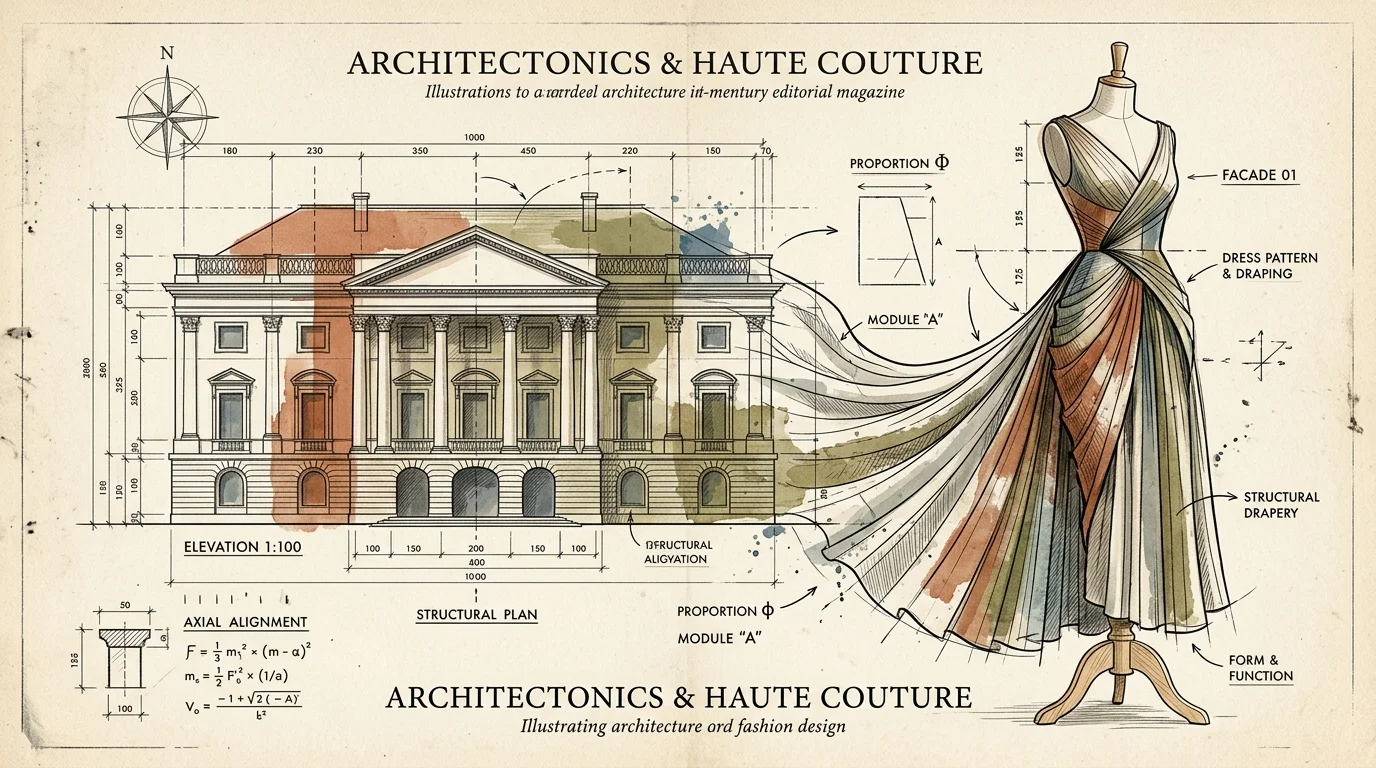
Before launching a modeling career, Melanija Knavs enrolled at the University of Ljubljana to study architecture and design. This brief academic pursuit offers a revealing psychological metaphor. Architecture requires meticulous planning, a deep understanding of structural integrity, and an appreciation for how an external facade protects an internal space. Although she left the university after one year to model internationally, that architectural mindset remained a central component of her personality.
Her bold transition from Sevnica to the demanding fashion capitals of Milan, Paris, and eventually New York City in 1996 represents a monumental psychological leap. Completely uprooting your life and reinventing yourself in a foreign culture requires high levels of a personality trait known as conscientiousness. According to the American Psychological Association, highly conscientious individuals are deeply goal-oriented, disciplined, and uniquely capable of delaying immediate comfort for long-term stability.
For an ambitious immigrant navigating new languages and industries, physical image often serves as the primary tool for establishing agency. Changing her name from Melanija Knavs to the more globally adaptable Melania Knauss was a strategic act of identity consolidation. When you strip away your familiar geographic and social safety nets, you must construct a psychological fortress of your own making. The extreme visual composure she maintained on the runway translated seamlessly into her personal life, demonstrating how driven individuals utilize aesthetic control to manage underlying internal stress.
Assortative Mating: The Introvert and the Showman
Melania Knauss met Donald Trump at a Manhattan fashion industry party in 1998. To the casual observer, the pairing appeared entirely contradictory. Why does a deeply private, conflict-avoidant introvert align her life with a hyper-public, relentlessly extroverted real estate mogul? Cultural narratives frequently insist that “opposites attract,” operating on the assumption that disparate personalities naturally balance one another out.
Modern relationship psychology, however, tells a different story. A sweeping 2023 meta-analysis conducted by the University of Colorado Boulder examined millions of couples over more than a century. The massive study, published in the journal Nature Human Behaviour, found that partners actually match on similar traits in 82 to 89 percent of cases—a phenomenon known as assortative mating. The research confirmed that couples consistently seek out partners who share their foundational values, political inclinations, and baseline ambitions.
Yet, the researchers identified one fascinating exception to this rule. When evaluating the specific traits of introversion and extroversion, they discovered that relationship matching is essentially a coin toss. You are just as likely to build a successful life with someone who possesses a vastly different social battery as you are with someone identical to you.
In a high-stakes partnership, an extrovert-introvert dynamic creates a highly functional, systemic balance. The extroverted partner absorbs the societal energy and commands the public stage, acting as a lightning rod. Meanwhile, the introverted partner operates as the quiet anchor of the private sphere. Because they do not compete for the same type of social validation, the relationship system remains structurally sound.

Patterns to Watch For: Misconceptions About Quiet Partners
Society routinely misinterprets quiet partners in dynamic relationships. Onlookers frequently project narratives of helplessness, passivity, or feeling “trapped” onto highly stoic women. This misconception stems directly from the extrovert ideal—a pervasive cultural bias that equates loudness with power and equates silence with submission.
If you tend to be the quieter partner in your own relationship, you likely recognize this frustrating pattern. Friends or family members may assume you lack strong opinions simply because you refuse to broadcast them. In reality, maintaining emotional restraint requires immense psychological discipline. In the context of her biography, Melania’s public silence is not a void; it is a meticulously maintained boundary.
Consider how this mechanism operates during high-stress situations. While highly expressive individuals use words to process their environment, introverts with high self-monitoring skills use silence to retain control. By refusing to engage in public emotional displays, the quiet partner maintains full ownership of their psychological state. When you begin to view stoicism as an active, defensive posture rather than a passive retreat, you realize that choosing when not to speak is a profound exercise of personal agency.
Navigating Fundamental Differences: The Gottman Perspective
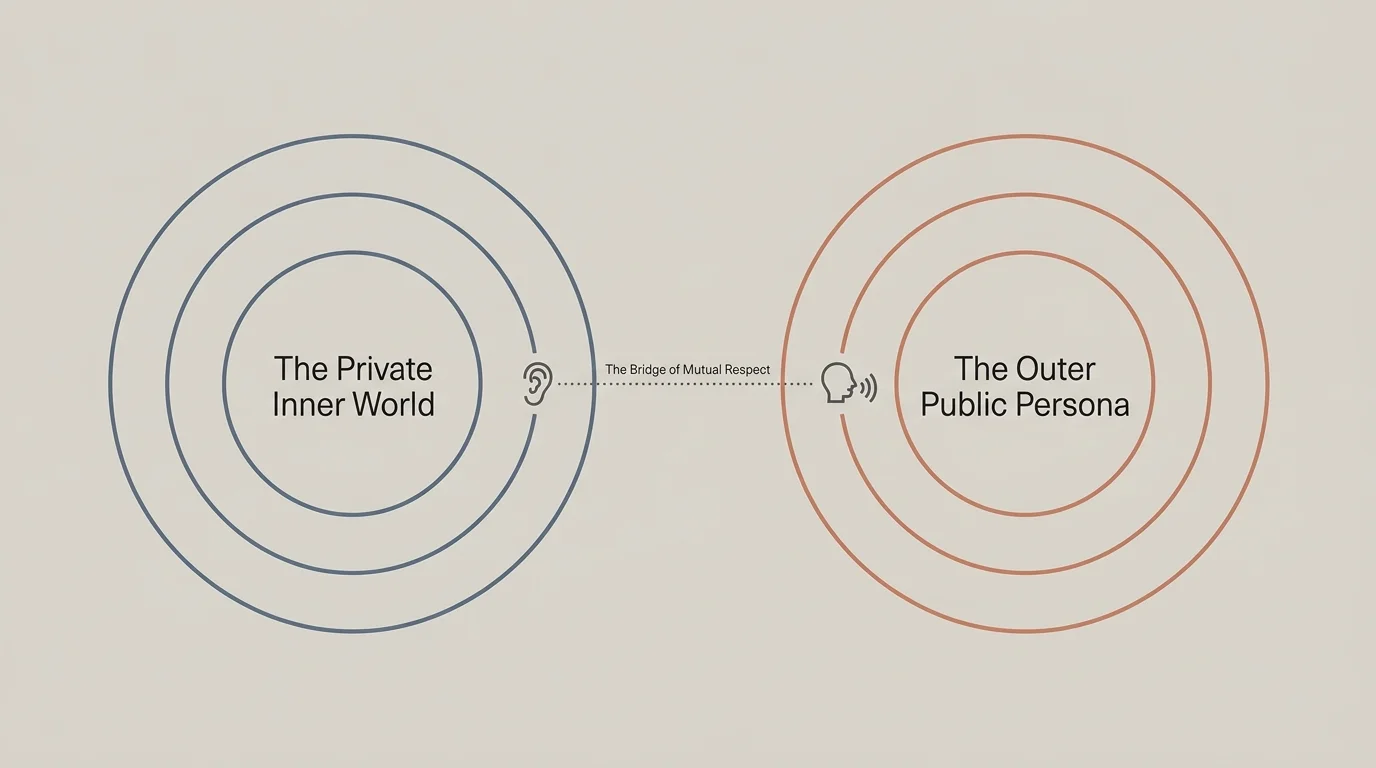
When two vastly different coping styles merge under one roof, friction is inevitable. Enduring couples do not survive by eliminating their differences; they survive by managing them with respect. Dr. John Gottman, globally renowned for his decades of research into marital stability, emphasizes that attempting to fundamentally change a partner’s baseline personality is a fast track to resentment.
“Most marital arguments cannot be resolved. Couples spend year after year trying to change each other’s mind—but it can’t be done. This is because most of their disagreements are rooted in fundamental differences of lifestyle, personality, or values. By fighting over these differences, all they succeed in doing is wasting their time and harming their marriage.” — John Gottman, Relationship Researcher and Founder of The Gottman Institute
In any relationship featuring one highly expressive partner and one highly contained partner, peace requires profound mutual acceptance. The extrovert must respect the introvert’s need for retreat and privacy, just as the introvert must tolerate the extrovert’s need for external stimulation and audience.
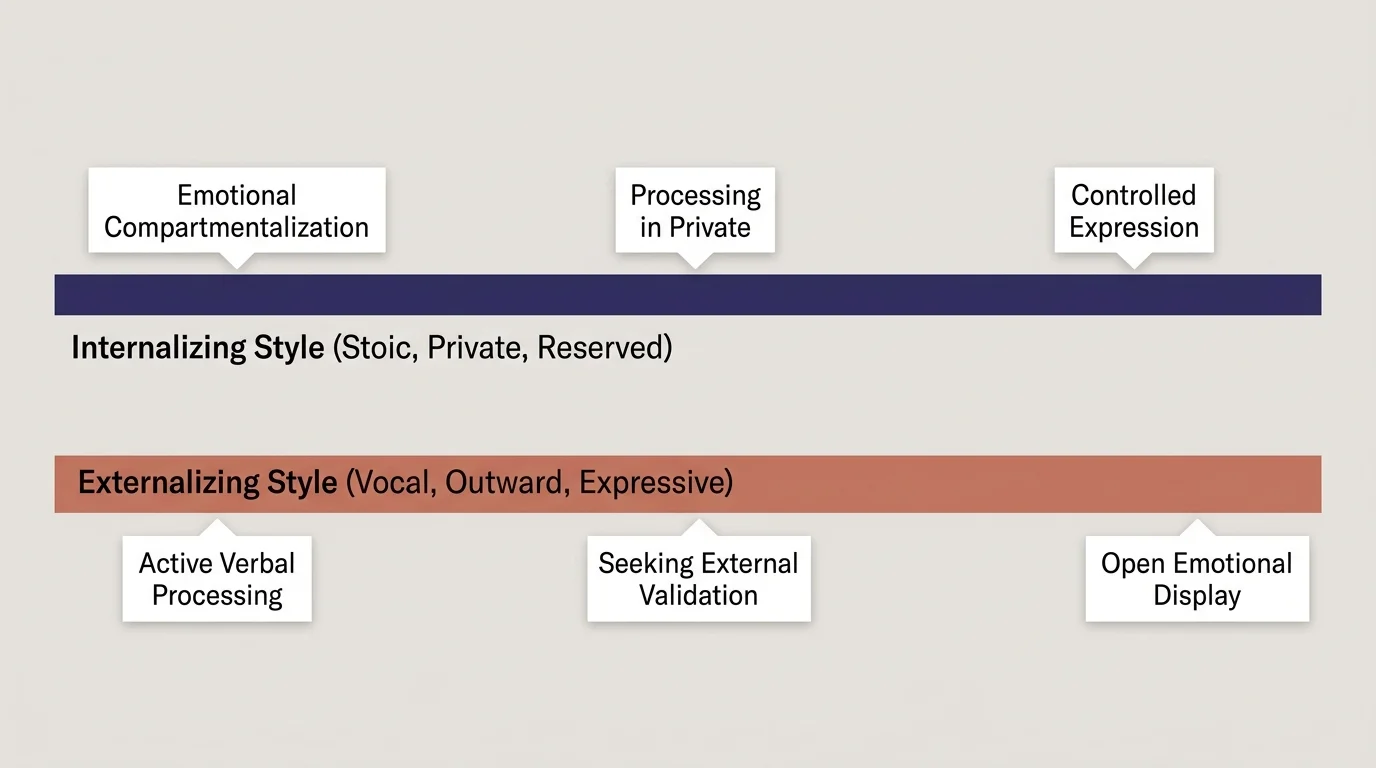
Comparing Coping Styles in Relationships
Understanding how different personalities manage external pressure can help you navigate your own relationship dynamics. Here is how high-privacy and high-disclosure coping styles typically differ:
| Psychological Metric | Internal Processing (High-Privacy) | External Processing (High-Disclosure) |
|---|---|---|
| Primary Stress Response | Withdrawal, silence, and emotional compartmentalization. | Verbalization, seeking audience, and externalizing blame. |
| Boundary Setting | Rigid and unspoken; enforced through physical or emotional distance. | Fluid and vocal; enforced through confrontation or debate. |
| Source of Agency | Self-containment and the refusal to react to provocation. | Controlling the narrative through volume and frequency of communication. |
| Vulnerability | Guarded intensely; shared only with a highly restricted inner circle. | Leveraged openly to connect with others or sway public opinion. |
When Self-Help Isn’t Enough: Navigating Extreme Emotional Distance
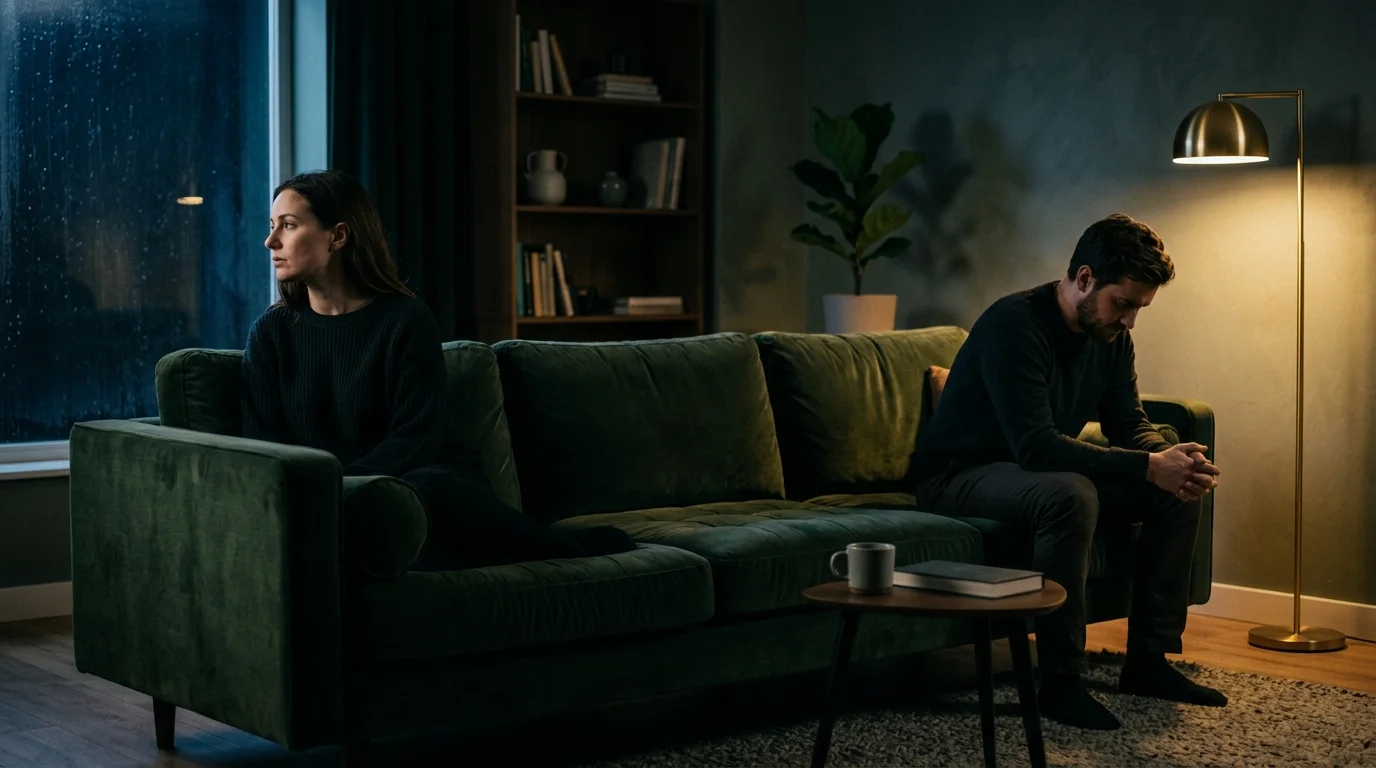
While stoicism and self-containment are valid and often highly effective coping mechanisms, extreme emotional compartmentalization can sometimes tip into unhealthy territory. If you or your partner lean heavily toward the high-privacy end of the spectrum, it is crucial to recognize when self-protection becomes a barrier to well-being. Professional support from a licensed therapist may be beneficial if you notice the following patterns:
- Refusal of essential care: When a commitment to projecting strength prevents you from seeking necessary medical, psychological, or emotional help during a crisis.
- Profound relational isolation: When your boundaries become so rigid that you experience deep loneliness, feeling completely detached from your own support systems.
- Chronic stonewalling: When communication in your relationship breaks down entirely, and silence is used as a weapon to punish a partner rather than a tool for personal reflection.
- Exhaustion from image curation: When the need to control how others perceive you generates severe anxiety, hypervigilance, or daily emotional burnout.
Frequently Asked Questions
Where did Melania Trump grow up?
She grew up in Sevnica, a small industrial town situated along the Sava River in Slovenia, which was part of communist Yugoslavia during her childhood.
What did Melania Trump do before meeting Donald Trump?
Before meeting her future husband in 1998, she briefly studied architecture and design at the University of Ljubljana before launching a successful international modeling career in Milan, Paris, and New York City.
Do introverts and extroverts make good couples?
Yes. While research shows couples usually match on core values and ambitions, introversion and extroversion pair up randomly. When managed with mutual respect, this dynamic creates a highly functional system where partners do not compete for the same social energy.
Owning Your Personal Narrative
Examining the psychological framework of highly public figures allows you to reflect on your own relationship dynamics and emotional boundaries. Melania Knavs’ journey from a quiet Yugoslavian town to international prominence was built on a foundation of intense emotional self-regulation, strategic reinvention, and an unwavering commitment to privacy. You do not need to share a person’s lifestyle or worldview to recognize the psychological mechanics that drive them.
Ultimately, you hold the power to define your own boundaries. Whether you process the world loudly alongside others or quietly within your own mind, your emotional architecture is valid. Protect your inner life, honor your natural coping style, and extend that same understanding to the people you choose to share your life with.
The information in this article is meant for educational purposes and general guidance. It does not replace individual therapy, counseling, or medical treatment. If you or someone you know is in crisis, contact the 988 Suicide & Crisis Lifeline by calling or texting 988.
Last updated: July 2026. Psychology research evolves continuously—verify current findings with professional sources.








Leave a Reply