

A late-night text appears just as you decide to move on, pulling you right back into a cycle of false hope. This intermittent emotional feeding—known as breadcrumbing—keeps you tethered to a dynamic that rarely progresses beyond superficial engagement. You invest genuine vulnerability, only to receive sporadic bursts of affection that vanish the moment you ask for consistency. Psychologists describe this as intermittent reinforcement, a conditioning loop that makes unpredictable attention addictive and deeply damaging to your self-esteem. Recognizing these subtle manipulation tactics empowers you to step off the emotional rollercoaster. Identifying these ten specific behaviors protects your well-being from partners who want the benefits of your presence without any of the actual commitment.

What Is Breadcrumbing, Exactly?
Breadcrumbing occurs when someone strings you along by dropping small morsels of interest—an occasional text, a social media like, or a vague promise to meet up—without any real intention of building a committed relationship. They provide just enough attention to keep you romantically interested, but never enough to offer security or emotional safety.
This dynamic is increasingly common in modern dating. According to research published in the journal Escritos de Psicología, slightly more than three in every ten young adults report having experienced or initiated breadcrumbing in the past 12 months. Despite its prevalence, being on the receiving end carries a heavy emotional toll. Studies reveal that individuals who experience breadcrumbing report significantly higher levels of loneliness, feelings of helplessness, and lower overall satisfaction with life.
The Psychology of the Crumb: Why You Stay Hooked
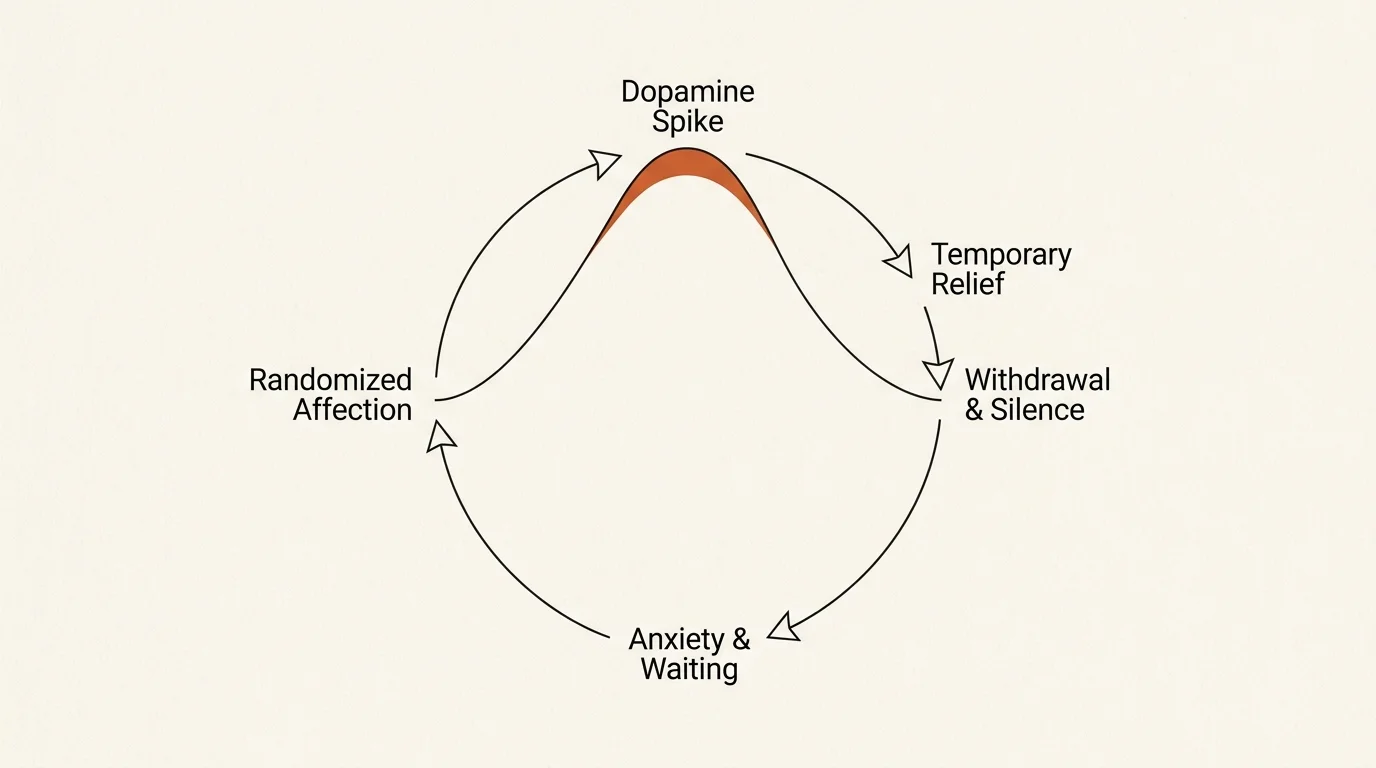
If you find yourself unable to walk away from a partner who treats you inconsistently, you are not weak. You are caught in a powerful behavioral conditioning mechanism known as intermittent reinforcement. Originating from psychologist B.F. Skinner’s research on operant conditioning, this concept explains why unpredictable rewards are far more addictive than consistent ones.
When your partner’s warmth and attention are guaranteed, your nervous system remains calm. However, when their affection is randomized—sometimes they ignore you for days, and other times they shower you with compliments—your brain experiences massive dopamine spikes during the “good” moments. You become neurologically hooked on the relief of finally hearing from them, mistaking this trauma-induced chemical rush for genuine passion. Resources from institutions like the American Psychological Association frequently highlight how these unpredictable emotional cycles trap individuals in toxic loops.
10 Undeniable Signs You Are Being Breadcrumbed
1. The Flirt-and-Fade Routine
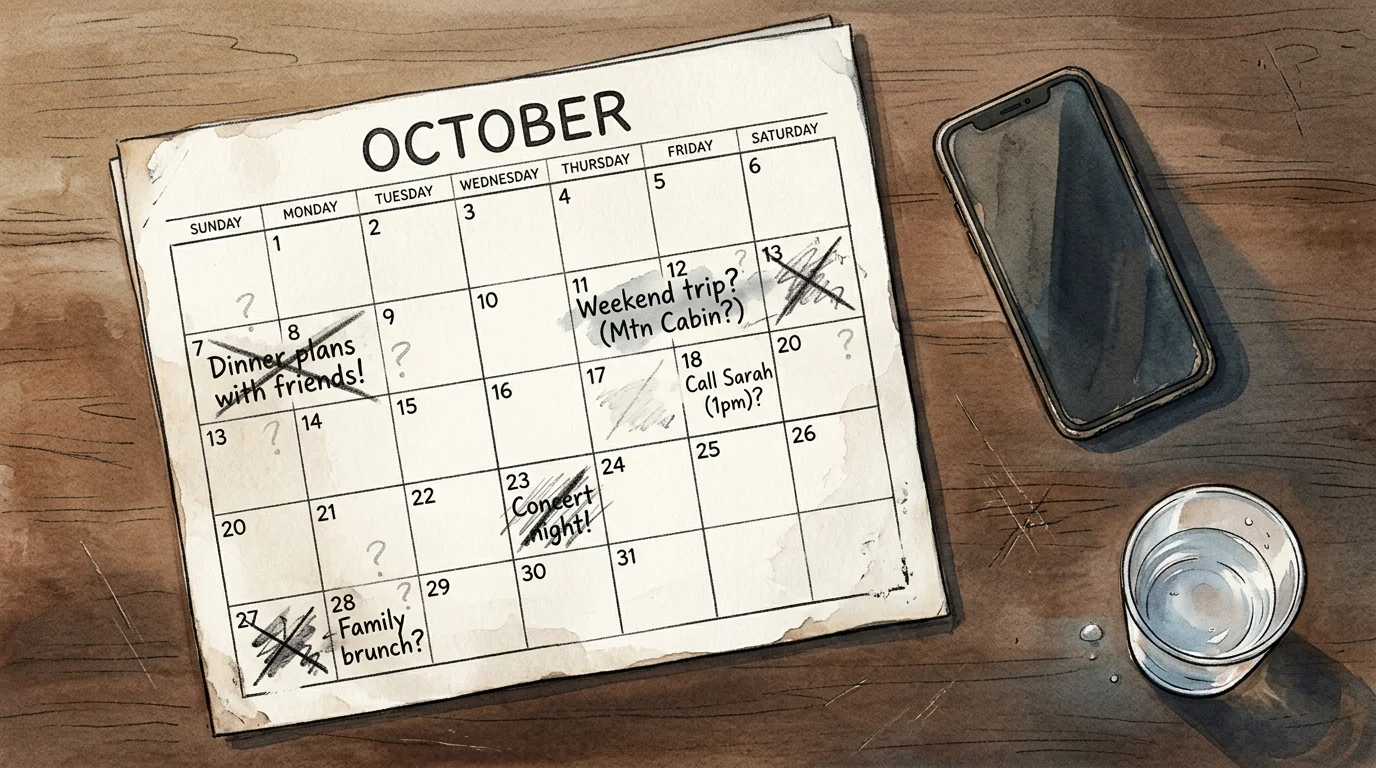
One of the most disorienting aspects of breadcrumbing is the dramatic shift in their engagement level. For a few days, they might text you constantly, sharing memes and making you feel like the center of their universe. Your brain registers this as a genuine connection forming. Then, inexplicably, they fade away. The texts drop off, your messages are left on read, and the warmth is replaced by a chilling silence. They reel you in just enough to secure your interest, then pull back to avoid the expectations that come with consistent communication.
2. Future-Faking Without Follow-Through
Breadcrumbers excel at selling a dream. They enthusiastically suggest weekend getaways, mention a great restaurant you “have to try together,” or talk about introducing you to their friends. However, these plans remain entirely theoretical. When you try to nail down a specific day or time, they suddenly become elusive. They might say, “Let us see how the week goes,” or “I am swamped right now, but definitely soon.” Future-faking gives you the illusion of momentum while allowing them to avoid any concrete obligations.
3. The Late-Night “Check-In”
When you look at your message history, a distinct pattern emerges. They rarely text you during the daylight hours when people handle their real-world responsibilities. Instead, their name lights up your phone at 11:30 PM on a Thursday. These low-effort check-ins indicate that you are a convenience rather than a priority. They want the warmth of your attention without the responsibility of a proper, daytime courtship.
4. Social Media Orbiting
You have not heard from them in four days, yet they are the first person to view your Instagram story. They might even “like” your post or send a fire emoji in response to a photo. This behavior allows them to maintain a presence in your digital life without doing the actual work of conversing with you. They orbit your world from a safe distance, ensuring you do not forget about them.
5. A Refusal to Define the Relationship
Any attempt to establish clarity about your relationship status is met with resistance, vaguely worded excuses, or accusations that you are rushing things. They thrive in the gray area.
“These tactics of maintaining unclear relationships and prolonging break-ups all produce what I call stable ambiguity; too afraid to be alone, but unwilling to fully engage in intimacy building.” — Esther Perel, Psychotherapist and Author
6. Panic Engagement When You Pull Away
You finally decide you have had enough. You stop initiating contact and begin redirecting your energy toward your own life. Almost as if they have a sixth sense for your waning interest, they suddenly reach out with an uncharacteristically sweet message or a nostalgic memory. This panic engagement is designed to pull you back into their orbit just as you start to break free.
7. Superficial Emotional Depth
Your interactions lack genuine emotional vulnerability. When you attempt to share a vulnerable story about your day, express a deeper feeling, or seek comfort, they deflect. They respond with a generic emoji, a joke, or a swift subject change. They want the fun and lighthearted aspects of dating but refuse to hold space for your authentic emotional experiences.
8. Guilt-Tripping When You Demand More
When you finally muster the courage to ask for basic consistency, they flip the script. They accuse you of having unrealistic expectations or claim you are adding unnecessary pressure to their already stressful life. By making you feel needy or demanding, they successfully dodge accountability for their own neglectful behavior.
9. Conversations Lead Nowhere
You maintain long, drawn-out texting streaks that never culminate in an actual, face-to-face date. You begin to feel like you have acquired a digital pen pal who occasionally flirts with you, rather than a romantic partner building a life alongside you. The relationship exists entirely inside your phone.
10. Your Gut Sends Warning Signals
Your body knows the truth long before your mind accepts it. When you are entangled with a breadcrumber, your nervous system remains in a constant state of hyperarousal. You jump at every phone notification, experience a sinking feeling in your stomach when they disappear, and feel chronically emotionally exhausted. A healthy relationship brings peace; breadcrumbing brings perpetual anxiety.
Breadcrumbing vs. Genuine Connection
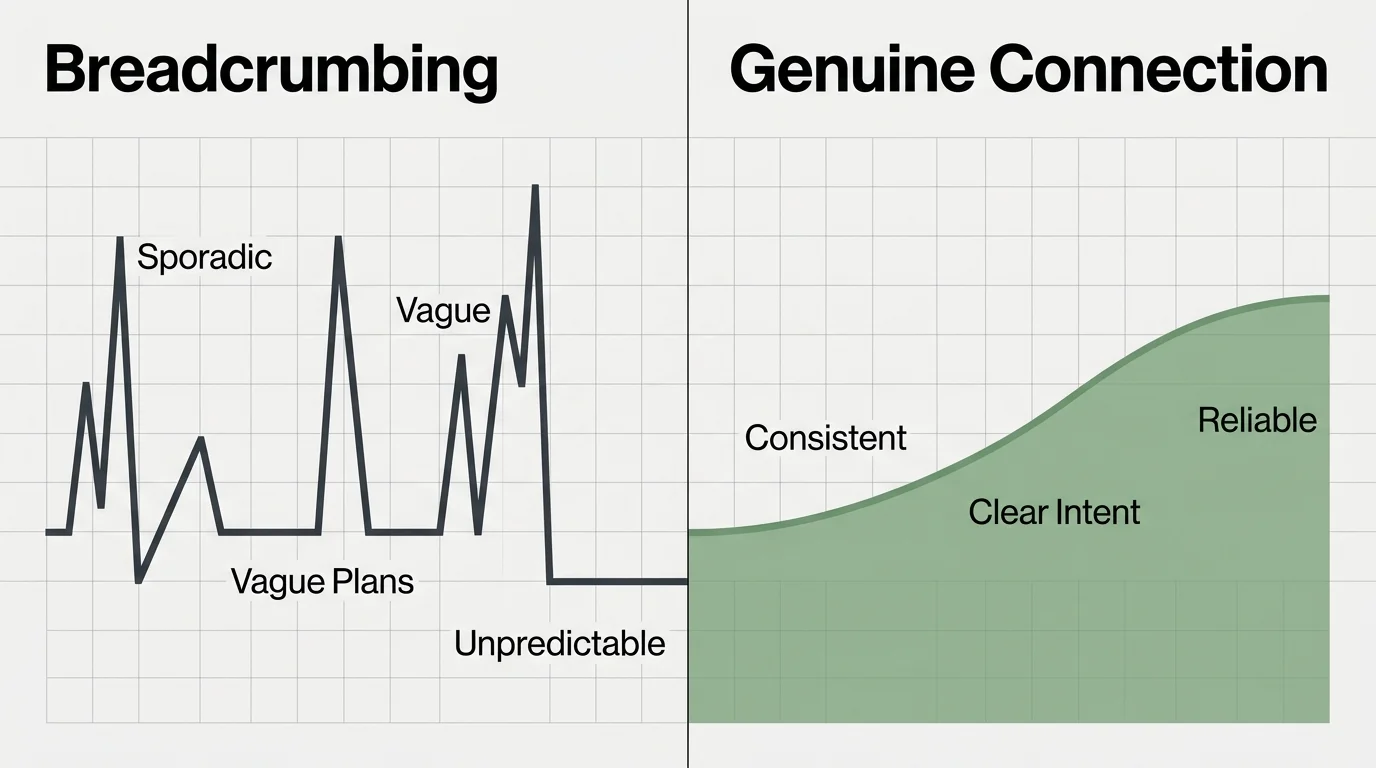
Recognizing the difference between someone taking it slow and someone stringing you along is vital for your emotional health. Use this comparison to evaluate your current dynamic:
| Relationship Aspect | Breadcrumbing Dynamic | Genuine Connection |
|---|---|---|
| Communication | Sporadic, unpredictable, and entirely on their terms. Leaves you feeling anxious. | Consistent, reliable, and reciprocal. Creates a baseline of emotional safety. |
| Making Plans | Vague suggestions of future hangouts that are frequently canceled or forgotten. | Concrete dates with set times. They honor their commitments and respect your time. |
| Handling Conflict | They withdraw, ghost, or label your completely normal needs as “too demanding.” | They address issues directly, validate your feelings, and work toward a mutual resolution. |
| Your Emotional State | High anxiety, over-analyzing every text, and questioning your fundamental worth. | Calm certainty, feeling secure in their interest, and experiencing peace of mind. |

Myths Worth Debunking About Breadcrumbing
- Myth: They are just incredibly busy. Reality: People make time for what they value. Even CEOs and world leaders find thirty seconds to text the people they care about. Chronic inconsistency is a choice, not a scheduling conflict.
- Myth: If you become more accommodating, they will commit. Reality: Breadcrumbing is about their emotional avoidance, not your worthiness. Bending over backward to prove your value only signals that you will tolerate their bare-minimum effort.
- Myth: Breadcrumbing only happens on dating apps. Reality: While common in early dating, this dynamic can infiltrate long-term relationships and even marriages when one partner emotionally checks out but refuses to officially end the partnership.
Signs It’s Time to Talk to a Therapist
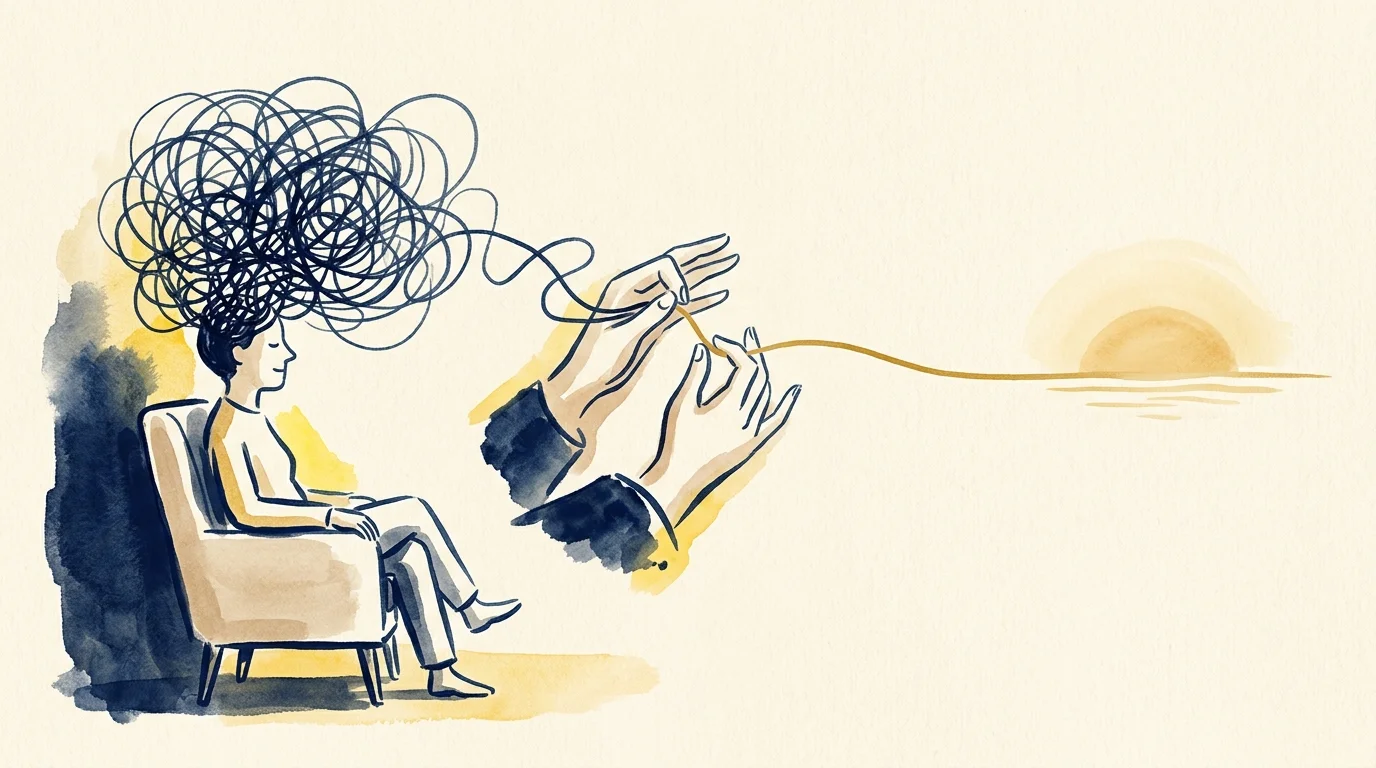
Prolonged exposure to intermittent reinforcement can deeply impact your mental health. Consider speaking with a licensed mental health professional if you experience the following:
- Your self-esteem has plummeted, and you find yourself constantly questioning your attractiveness or worthiness of love.
- The anxiety surrounding the relationship disrupts your sleep, appetite, or ability to focus at work.
- You obsessively monitor their digital footprint, checking their location or analyzing their social media activity to soothe your panic.
- You recognize a recurring pattern of accepting bare-minimum behavior across multiple romantic relationships.
Frequently Asked Questions
Why do people breadcrumb in relationships?
People breadcrumb to maintain access to a partner’s attention and validation without investing the emotional labor required for a real relationship. It often stems from an avoidant attachment style, a fear of intimacy, or a desire to keep their dating options open while keeping you on the back burner.
Is breadcrumbing a form of emotional manipulation?
Yes. While not always consciously malicious, breadcrumbing is inherently manipulative. It relies on intermittent reinforcement to keep you emotionally attached while denying you the stability and respect of a clearly defined relationship.
Should I call out a breadcrumber?
You can politely state your boundaries, but do not expect a productive conversation. Often, the most powerful response is to silently redirect your energy. Walking away without demanding closure protects your peace and removes their access to your emotional resources.
How to Break the Cycle and Demand More
Stepping away from a breadcrumber requires intentional action and a firm grip on your own boundaries. Experts at The Gottman Institute emphasize that healthy partnerships require daily effort.
“In a relationship, commitment is a choice we make every single day, over and over again. We choose it even when we are tired and overworked and stressed out.” — John Gottman, Ph.D., Psychological Researcher
If your partner refuses to make that daily choice, you must choose yourself. Here are practical steps you can take to break the cycle:
- Name the behavior for what it is. Acknowledge that you are dealing with manipulation, and stop making excuses for their inconsistency.
- Stop rewarding the bare minimum. When they send a low-effort text after days of silence, resist the urge to reply immediately. Better yet, do not reply at all.
- Establish a hard boundary. Decide what level of communication you will accept. If they cannot meet that baseline, remove their access to you.
- Redirect your energy. Pour the time you spend analyzing their mixed signals into friendships, hobbies, or guidance from platforms like Verywell Mind to rebuild your self-worth.
You deserve a partner who is certain about you. True intimacy is built on consistency, reliability, and mutual effort. When you finally stop accepting breadcrumbs, you clear the space at your table for a relationship that truly sustains you. This is educational content based on psychological research and general principles. Individual experiences vary significantly. For personalized guidance, consult a licensed therapist, psychologist, or counselor.
Last updated: July 2026. Psychology research evolves continuously—verify current findings with professional sources.









Leave a Reply