Psychology Diary

The First Step Toward Change Is Awareness

  • Home
  • Relationships
  • Mental Health
  • Expert Tips
  • Life
  • Family
  • Marriage

An Introduction to Mindfulness and Meditation for Seniors

August 31, 2025 · Expert Tips

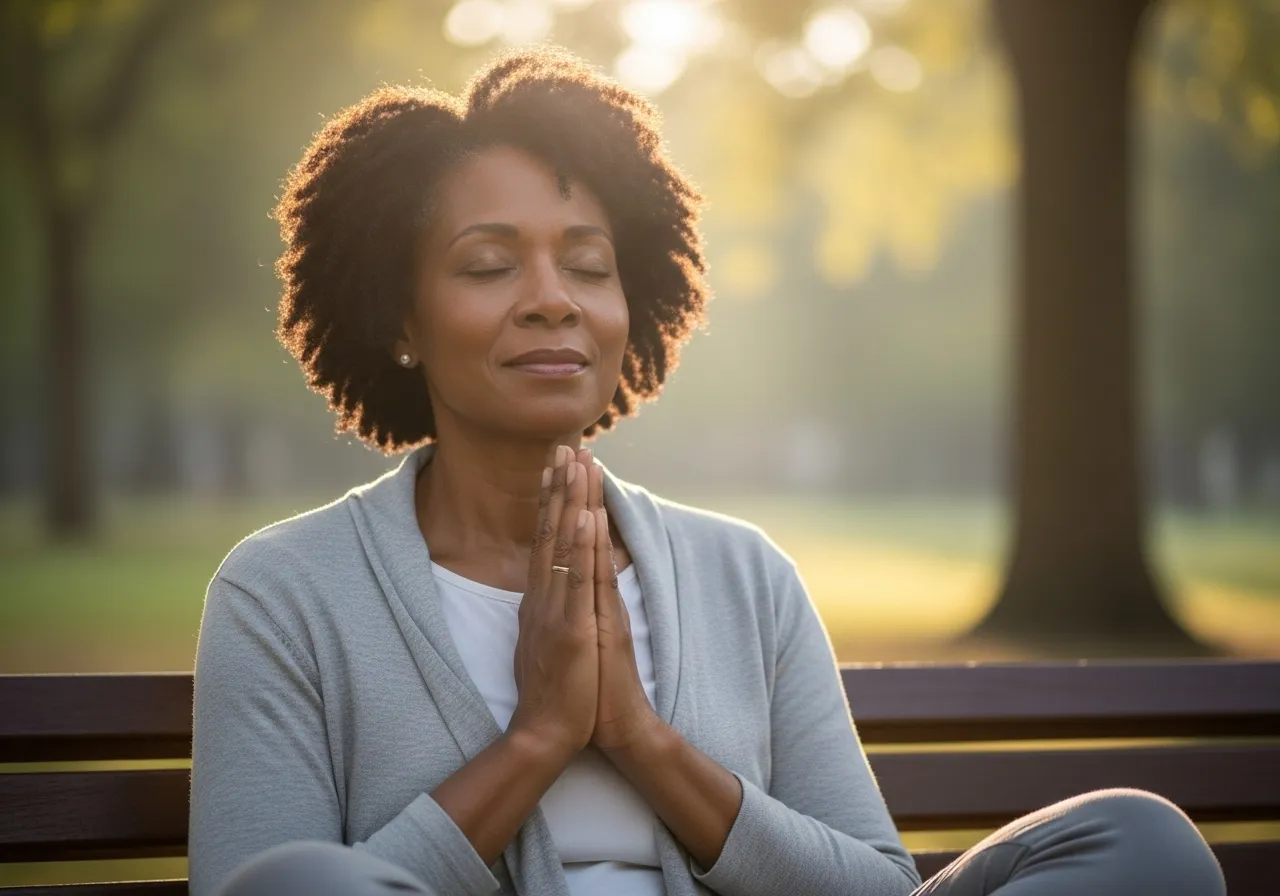
Black senior woman meditating peacefully on park bench.

Why Consider This Practice After 50? The Science-Backed Benefits

The decision to start a new habit is often easier when we understand the potential rewards. The practice of mindfulness and meditation is supported by a growing body of scientific research, particularly for its positive impact on the aging process. While it is not a panacea, consistent practice can be a powerful tool for enhancing quality of life. Here are some of the key benefits relevant to seniors.

Effective Stress Reduction

As we age, we may face unique stressors, from managing health issues to navigating changes in our social roles. Chronic stress keeps our body in a state of high alert, known as the “fight-or-flight” response, leading to an overproduction of the stress hormone cortisol. Over time, this can contribute to health problems like high blood pressure, weakened immune function, and sleep disturbances. Mindfulness meditation helps activate the body’s relaxation response, or the “rest-and-digest” system. By focusing on the breath and grounding yourself in the present, you can calm your nervous system, lower your heart rate, and reduce the physiological impact of stress. This is a primary reason many people seek out guided meditation for seniors for anxiety.

Improved Focus and Cognitive Function

It is normal to notice some changes in cognitive abilities with age. You might find it takes longer to recall a name or that you are more easily distracted. Mindfulness practice is a form of attention training. Each time you notice your mind wandering and gently bring it back to your breath, you are strengthening the neural networks responsible for focus and concentration. Research suggests this may have benefits for working memory, which is the ability to hold and manipulate information for short periods, like remembering a phone number while you dial it. While not a cure for cognitive decline, it is a proactive way to engage your brain. The National Institute on Aging (NIA) provides extensive information on what constitutes normal cognitive aging versus signs that may warrant a medical evaluation.

Enhanced Emotional Regulation

Life can present emotionally challenging situations, such as grief, frustration with physical limitations, or loneliness. Mindfulness teaches you to observe your emotions with curiosity rather than being consumed by them. You learn to recognize a feeling like sadness or anger as it arises, name it (“Ah, there is sadness”), and allow it to be there without reacting impulsively. This doesn’t mean you suppress emotions; it means you develop a more balanced and compassionate relationship with them. This skill can lead to a greater sense of emotional stability and resilience in the face of adversity.

Support for Physical Health

The mind and body are deeply connected. By reducing stress, mindfulness can have a positive ripple effect on physical health. Studies have linked regular meditation practice with improvements in sleep quality, a modest reduction in blood pressure, and better management of chronic pain. For individuals with conditions like arthritis, mindfulness can help change their relationship with pain. Instead of tensing up against the discomfort, they learn to observe the sensation with less fear and resistance, which can reduce its perceived intensity. It is crucial to remember that meditation is a complementary practice and should never replace medical treatment prescribed by your doctor. General evidence overviews from the American Psychological Association (APA) can offer more insight into the mind-body connection.

Pages: 1 2 3 4 5 6 7 8 9 10 11

Share this article

Facebook Twitter Pinterest LinkedIn Email

Leave a Reply Cancel reply

Your email address will not be published. Required fields are marked *

Search

Latest Posts

  • A person sits alone on a sofa at dusk, looking exhausted and leaning their head on their hand in a dimly lit, lived-in living room. 8 Signs You’re Emotionally Drained By Someone Close To You
  • Illustration of a person looking into a mirror, oblivious to the people around them who are fading into the background. 8 Keys to Recognizing the Faces of Egocentric Behavior
  • A mixed media collage of an anatomical heart being slowly stained by dark ink, symbolizing the corrosive nature of unspoken resentment. 7 Signs Someone Is Secretly Resentful Toward You
  • A mixed-media collage showing a human silhouette with a fractured internal wooden frame, representing the delicate architecture of trust. 8 Behaviors That Reveal Someone Has Deep Trust Issues
  • An elderly man sits alone at a kitchen table in soft afternoon light while his adult daughter watches from the doorway with concern. Why Some People Become More Difficult With Age—According to Psychologists
  • Conceptual paper-craft illustration of a brain with glowing neural pathways and botanical growth representing cognitive health. The Link Between Physical Activity and Mental Sharpness After 60
  • A senior woman in a sunlit room excitedly examines a green leaf through a magnifying glass, surrounded by plants and gardening tools. Why Seniors Who Stay Curious Live Longer—And How to Cultivate It
  • A man in his 60s working with clay in a pottery studio, symbolizing the transition from a career to a new personal purpose. How to Rebuild Your Identity and Purpose After You Stop Working
  • A single coffee mug on a wooden table next to an empty chair in a sunlit kitchen, representing the quiet of loss. How to Cope with Grief After Losing a Spouse in Retirement
  • An older woman in a knit sweater sits on a porch at dawn, holding a steaming mug and looking thoughtfully at a misty garden. The Power of Gratitude: How Seniors Can Use It to Live Happier Lives

Newsletter

Get the latest posts delivered to your inbox.

Related Articles

temperaments

4 Types of Temperaments: Curious About Yours?

Were you ever curious about what temperaments are all about? When it comes to temperament,…

Read More →

8 Common Reasons Why Couples Fight

Fighting is normal. Friends argue, relatives argue and partners argue too. In every human relationship,…

Read More →
confident or a narcissist

How to Tell if Someone Is Confident or a Narcissist

Confident or a narcissist? This is the real question! It’s not uncommon to mistake confidence…

Read More →
resilient2

6 Easy Ways to Be More Resilient and Manage Stress

Resilience is typically associated with one’s capacity to overcome obstacles and difficult circumstances. In actuality,…

Read More →
seniors

5 Important Things Seniors Wished They Knew Before They Aged

These are all the lessons you can learn from seniors and apply them at any…

Read More →
married life ready

Big Life Lessons: 10 Red Flags You’re Not Ready to Get Married Just Yet

Are you ready to make this important step in your life and be married or…

Read More →
work

5 Ways to Work From Home and Stop Kids From Interrupting You

Have you ever wondered if there’s a way to do work more efficiently? One of…

Read More →
nightmares

Tired of Nightmares? 4 Strategies for Restful Sleep

Are you struggling with nightmares? Scary dreams, also known as nightmares, are anxiety-inducing, and most…

Read More →

Your In-Laws Might Cause You These 9 Common Troubles

You have to consider your in-laws too when you are getting married! When you decide…

Read More →

Psychology Diary

The First Step Toward Change Is Awareness

Inedit Agency S.R.L.
Bucharest, Romania

contact@psychologydiary.com

Explore

  • About Us
  • Advertiser Disclosure
  • Contact Us
  • Disclaimer
  • Do not sell my personal information
  • Editorial Policy
  • Frequently Asked Questions
  • Privacy Policy
  • Terms and Conditions
  • Subscribe
  • Unsubscribe

Categories

  • Expert Tips
  • Family
  • Life
  • Marriage
  • Mental Health

© 2026 Psychology Diary. All rights reserved.