
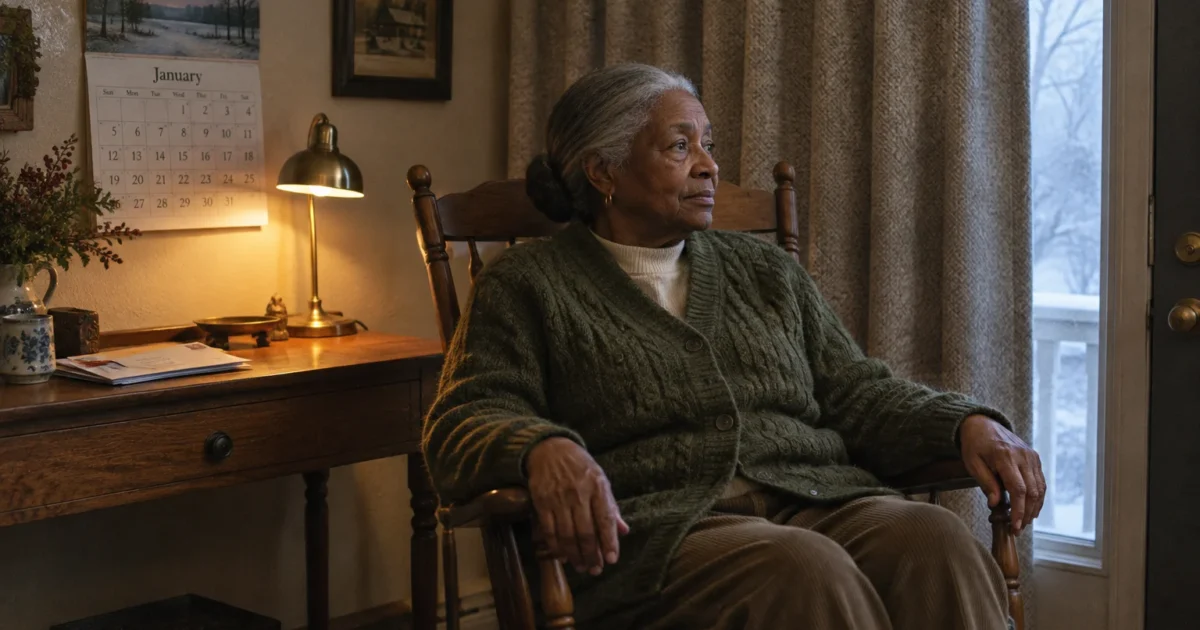
As autumn fades into winter, you might notice an aging parent, spouse, or neighbor growing quiet, sluggish, or unusually irritable. Seasonal mood shifts often disguise themselves as ordinary aging, yet they represent a distinct and treatable biological disruption.
Recognizing these subtle behavioral shifts early preserves your loved one’s physical safety, cognitive sharpness, and daily independence throughout the darkest months. Understanding the warning signs enables you to distinguish mild seasonal fatigue from clinical winter depression.
When daylight disappears, internal body clocks falter. Learning what to look for empowers you to take decisive, compassionate action before the winter deepens.
The Science of Seasonal Mood Shifts in Older Adults
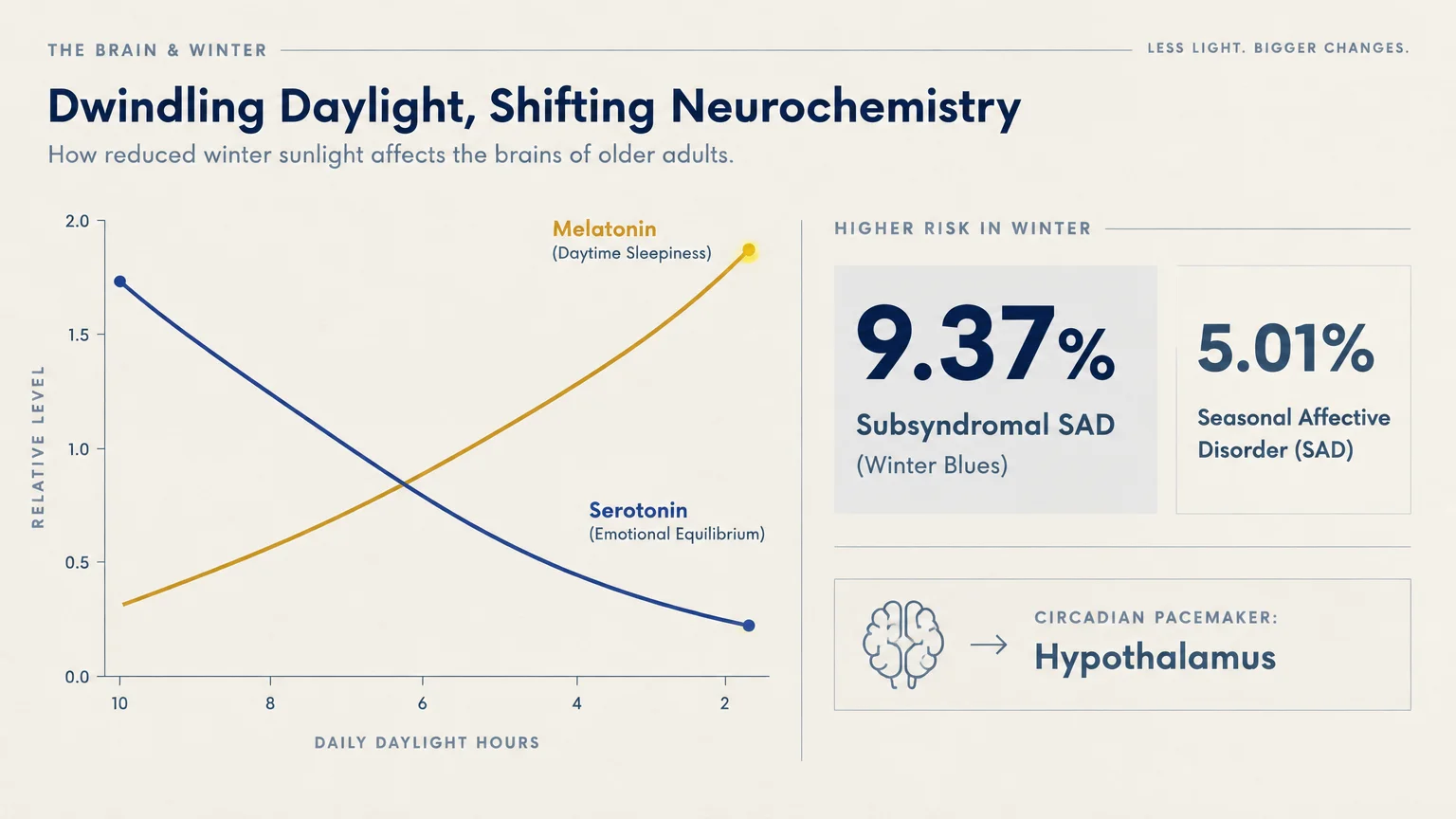
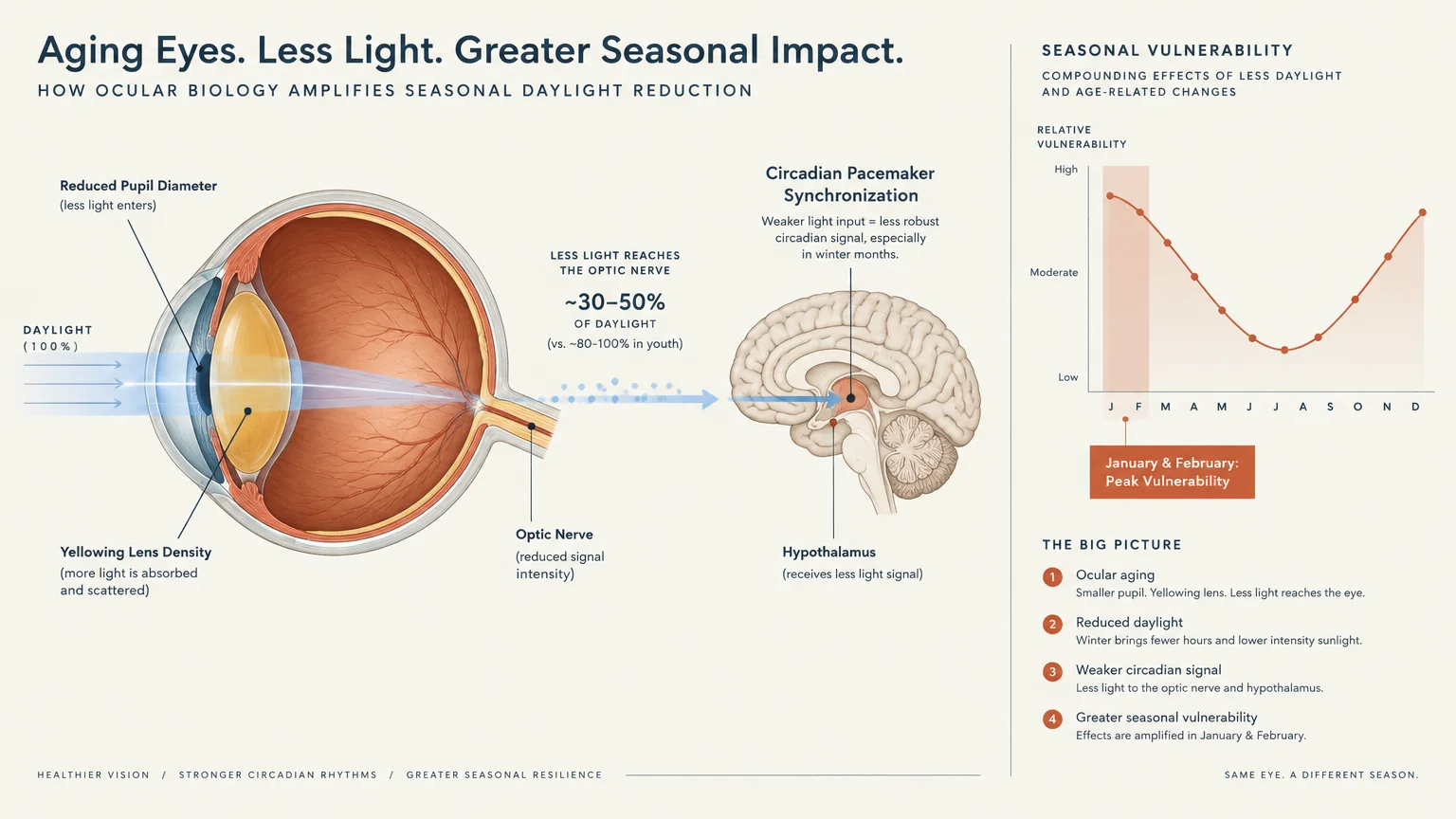
Seasonal mood changes stem from an acute sensitivity to dwindling natural sunlight. Reduced daylight disrupts the circadian pacemaker located in the brain’s hypothalamus.
This neurological disruption prompts an overproduction of melatonin, which causes relentless daytime sleepiness; simultaneously, brain levels of serotonin drop rapidly. Serotonin regulates emotional equilibrium, appetite, and sleep continuity.
According to the American Psychological Association, approximately 5% of adults in the United States experience clinically significant Seasonal Affective Disorder (SAD). A global meta-analysis of 32,866 participants confirmed that 5.01% of the population suffers from full-syndrome SAD.
That same investigation revealed that subsyndromal SAD—commonly termed the “winter blues”—affects 9.37% of people worldwide. Meanwhile, summer-pattern SAD remains rare, impacting just 0.57% of individuals.
Women receive a SAD diagnosis four times more often than men. Although new clinical diagnoses decline as adults reach older age, individuals aged 65 and older who already possess vulnerabilities experience severe winter burdens.
Aging eyes compound this vulnerability because yellowing retinas and smaller pupils reduce the amount of light reaching the brain. Consequently, the brain struggles to synchronize its internal clock with external seasonal shifts.
The National Institute of Mental Health reports that seasonal depressive episodes typically persist for 4 to 5 months. For most seniors in the Northern Hemisphere, January and February present the steepest emotional challenges.
Winter Blues vs. Clinical Seasonal Affective Disorder
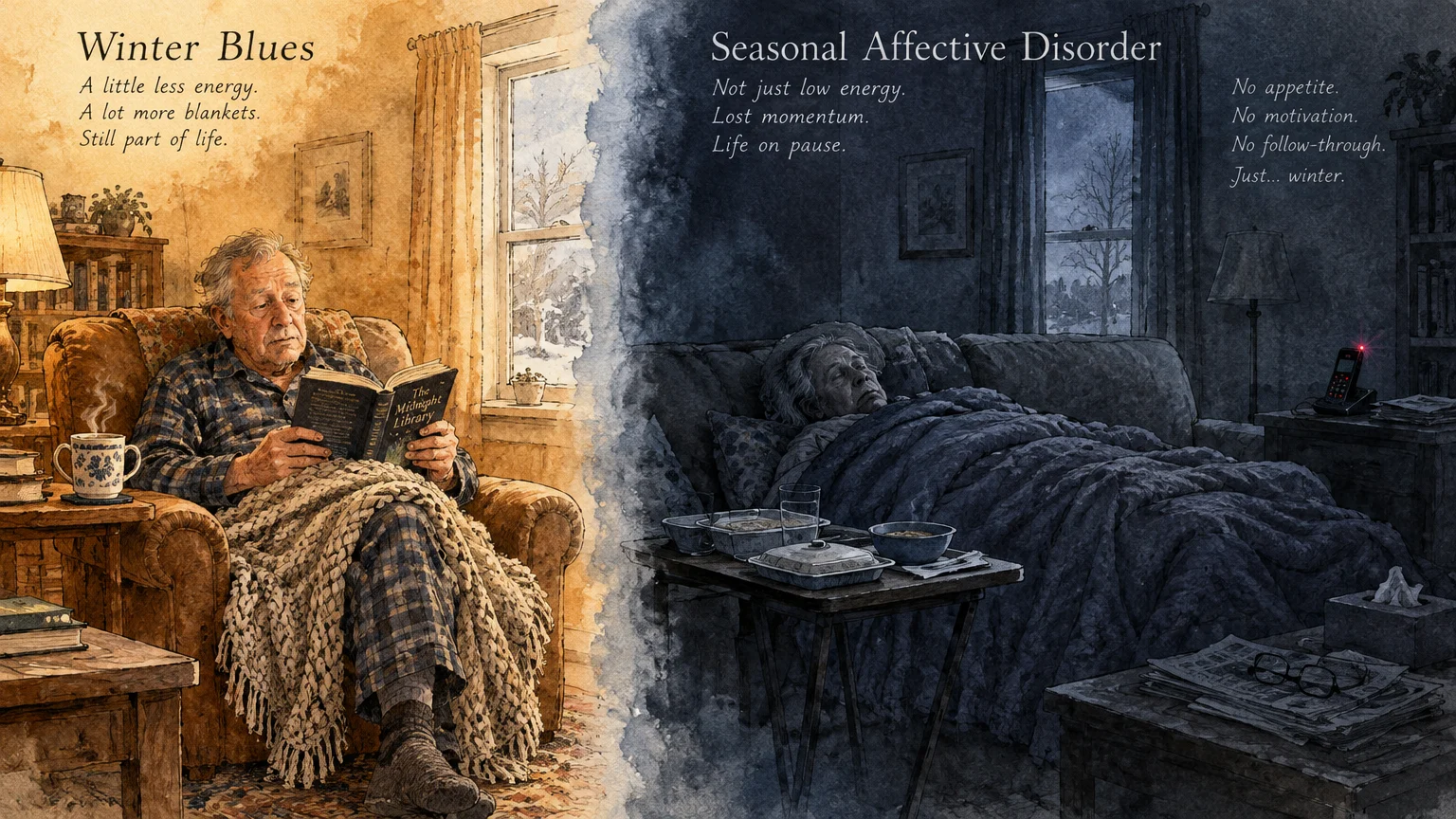
You must understand the distinct boundary separating passing melancholy from clinical depression. The winter blues cause mild sluggishness, yet older adults still manage daily appointments, cook basic meals, and converse with loved ones.
In contrast, clinical SAD—officially categorized in the DSM-5-TR as Major Depressive Disorder with Seasonal Pattern—substantially impairs daily executive functioning. The diagnostic framework requires a persistent sad, anxious, or empty mood for at least 2 weeks, occurring across 2 consecutive years.
The following comparison table outlines the vital distinctions between standard seasonal sluggishness and clinical winter depression.
| Trait / Symptom | Subsyndromal “Winter Blues” | Seasonal Affective Disorder (SAD) |
|---|---|---|
| Daily Functioning | Minor sluggishness; completes essential daily chores and routines. | Severe disruption; neglects hygiene, meals, and medication schedules. |
| Sleep Architecture | Wants extra blankets; sleeps an additional 30 to 60 minutes. | Excessive hypersomnia (10+ hours) or persistent early-morning awakening. |
| Social Engagement | Prefers quiet evenings at home; stays receptive to phone calls. | Refuses visits, ignores telephone calls, and completely isolates. |
| Nutritional Patterns | Mild craving for comfort foods; weight remains largely stable. | Intense carbohydrate binging; noticeable seasonal weight gain or loss. |
| Emotional Outlook | Fleeting gloominess that lifts during stimulating social visits. | Persistent feelings of worthlessness, hopelessness, and intense apathy. |
| Diagnostic Threshold | Subclinical; does not satisfy criteria for major depression. | Symptoms persist most of the day, nearly every day, for at least 2 weeks over 2 straight years. |
Recognizing where your loved one falls on this spectrum helps you select the proper intervention. While lifestyle adjustments mitigate the winter blues, clinical SAD demands structured professional support.
12 Signs of Seasonal Mood Changes in Older Adults
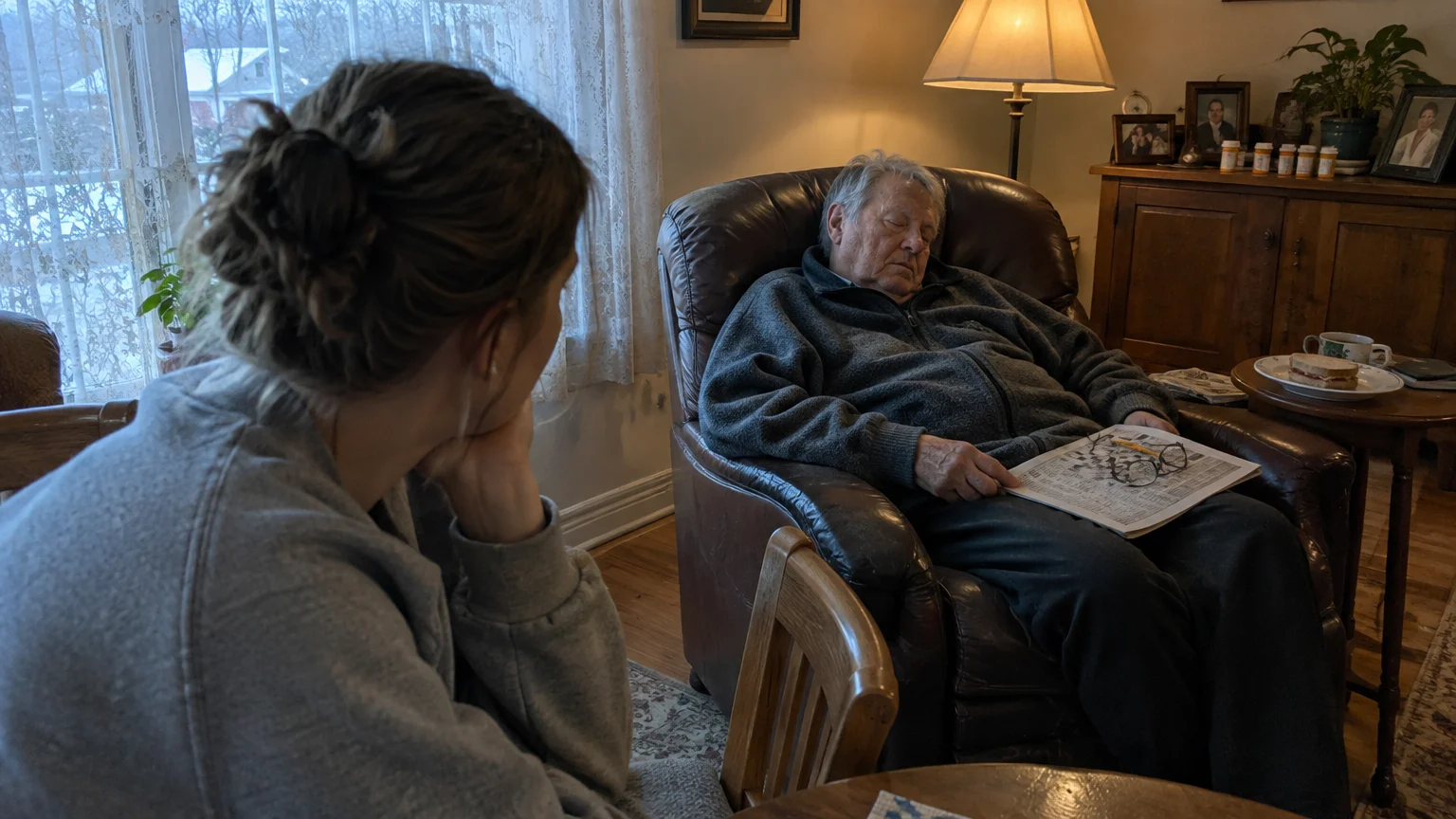
Because older adults frequently downplay psychological distress, seasonal mood changes manifest through physical, social, and functional alterations. Look for the following 12 patterns when days grow short.
1. Declining Energy and Morning Lethargy
An older adult may express persistent physical exhaustion despite spending nine or ten hours in bed. They move through morning tasks at half their normal pace and abandon basic housekeeping routines.
This biological fatigue differs markedly from common physical tiredness. It represents a metabolic and neurological slump caused by disrupted hormonal timing in the brain.
2. Hypersomnia and Disrupted Sleep Architecture
Watch for drastic extensions in nighttime sleep alongside frequent daytime naps. Your loved one may crawl into bed before sundown and struggle to awaken by mid-morning.
Paradoxically, this prolonged rest does not restore vigor. Excessive, non-restorative sleep frequently leaves older individuals feeling increasingly disoriented, heavy, and mentally groggy throughout the daylight hours.
3. Uncharacteristic Social Withdrawal
Notice when an active senior abruptly declines weekly card games, faith-based gatherings, or Sunday family dinners. They may invent vague excuses to avoid visitors or let phone calls ring through to voicemail.
Social retreat deepens seasonal distress rapidly. Isolation strips away the external stimulation that older nervous systems require to maintain healthy mood levels.
4. Intense Cravings for Carbohydrates
Observe shifts in eating patterns, particularly an insatiable desire for starches, pastries, breads, and sugary treats. Carbs provide a temporary, artificial spike in brain serotonin, functioning as unconscious self-medication.
This behavior often leads to sudden winter weight gains. For older adults managing type 2 diabetes or cardiovascular conditions, these dietary fluctuations introduce dangerous metabolic instability.
5. Cognitive Fog and Executive Hesitation
Winter depression frequently mimics neurodegenerative conditions. An older individual might struggle to balance their checkbook, manage complex medication schedules, or track multi-step conversations.
Clinicians refer to this phenomenon as depressive pseudodementia. Once daylight returns or mood treatment begins, this cognitive fog typically disperses, differentiating it from irreversible dementia.
6. Anhedonia and Disinterest in Hobbies
Take note when an older adult abandons treasured pastimes like gardening, knitting, reading, or woodworking. They may stare at the television for hours without registering what they watch.
Anhedonia—the biological inability to experience pleasure—signals deep neurological shifts. When joy vanishes from customary pursuits, seasonal depressive forces have established a firm foothold.
7. Heightened Irritability and Agitation
Not all seasonal mood disorders look like weeping or quiet despondency. Older adults, particularly men, frequently externalize seasonal despair through sharp comments, chronic annoyance, and explosive frustration over minor inconveniences.
This irritability often masks terrifying internal vulnerability. When daily tasks require exhausting effort, an older individual’s emotional tolerance drops precipitously.
8. Amplification of Physical Aches and Pains
Depression and physical distress share identical neural pathways in the brain. During winter, an older adult may report sudden surges in arthritis flares, back pain, or tension headaches.
According to researchers at Harvard Health, depressed states amplify nociceptive signaling, making chronic physical conditions feel drastically more excruciating than they do during summer.
9. Pervasive Feelings of Guilt or Worthlessness
Listen closely to the themes dominating your loved one’s conversation. They may express unreasonable remorse over long-past events or declare that they impose an unacceptable burden on family members.
These distorted cognitions reveal severe mood disturbance. Left unaddressed, negative rumination erodes an older adult’s will to participate in their own healthcare.
10. Neglect of Personal Grooming and Domestic Upkeep
A pristine house that turns chaotic provides an unmistakable physical warning. You may discover unwashed clothing piling up, spoiled food remaining in the refrigerator, or missed doses inside pill organizers.
Personal hygiene habits often deteriorate concurrently. Skipping baths, wearing soiled garments, or ignoring dental care highlights profound emotional exhaustion and loss of daily executive motivation.
11. Extreme Anxiety Regarding Winter Logistics
Observe whether your loved one exhibits disproportionate terror regarding routine winter logistics. A modest snowfall forecast may trigger panic over losing heat, running out of groceries, or falling on ice.
While environmental precautions make sense for seniors, paralyzing fear confines them indoors for months. This self-imposed confinement eliminates all ambient sunlight exposure, exacerbating seasonal biochemical decline.
12. Passive Expressions of Despair or Emptiness
Pay strict attention to subtle, passive comments like “I am just taking up space” or “I will not mind when my time comes.” Older adults rarely state suicidal intentions in dramatic, direct language.
Passive despair reflects acute psychological agony that warrants immediate intervention. Dismissing these utterances as common grumbling places an older adult’s life in direct jeopardy.
“When we are no longer able to change a situation, we are challenged to change ourselves.” — Viktor E. Frankl, Neurologist, Psychiatrist, and Author
Unique Compounding Factors for Seniors
Seasonal mood changes do not occur in an emotional vacuum. Several physiological, sociological, and environmental stressors converge in later life to magnify the impact of darker months.
- Mobility Restrictions and Fall Hazards: Packed snow, slick driveways, and freezing rain terrify frail older adults. This fear eliminates independent walks and community outings, enforcing involuntary home isolation.
- Bereavement and Holiday Anniversaries: Winter holidays remind seniors of deceased spouses, departed siblings, and long-lost friends. Grieving historical losses amid low sunlight amplifies depressive vulnerability.
- Sensory and Ocular Aging: Aging corneas and crystalline lenses absorb larger volumes of blue wavelengths. The brain receives markedly fewer lux units of ambient daylight, impairing circadian adjustment.
- Chronic Medical Comorbidities: Winter exacerbates chronic obstructive pulmonary disease, hypertension, and degenerative joint diseases. Dealing with concurrent physical pain drains an older person’s emotional stamina.

What Can Go Wrong: Critical Misconceptions
Misinterpreting seasonal mood disruptions carries severe risks. Families and clinicians frequently make diagnostic mistakes that delay healing and compromise health.
The most pervasive error involves dismissing seasonal lethargy as “normal aging.” Slower movement is physiological; losing the desire to engage with life is pathological and requires intervention.
Another dangerous trap involves confusing depressive cognitive slowing with irreversible Alzheimer’s disease. Rushing into neurological medications while overlooking a treatable seasonal mood disorder exposes older adults to unnecessary medication side effects.
Furthermore, families often encourage older adults to “just cheer up” or “push through it.” Willpower cannot correct misfiring pineal glands, low neurotransmitter levels, or altered circadian timing.
Finally, initiating bright light therapy without professional consultation poses genuine medical hazards. Older eyes with cataracts, glaucoma, or macular degeneration require medical clearance before using bright light boxes.
“The curious paradox is that when I accept myself just as I am, then I can change.” — Carl Rogers, Psychologist and Author

Evidence-Based Strategies to Reclaim Emotional Vitality
You can employ several proven, non-invasive therapeutic interventions to help older adults regain vitality during long winter stretches. Begin with environmental, circadian, and social realignments.
Phototherapy (Bright Light Therapy)
Bright light therapy represents the gold standard for managing winter depressive symptoms. The clinical standard mandates exposure to a specialized 10,000-lux light box for 20 to 30 minutes each morning, shortly after waking.
Position the light box at arm’s length, angled slightly downward toward the eyes, without staring directly into the bulbs. Because light boxes filter harmful UV rays, they provide circadian stimulation without damaging skin.
Crucially, older adults possessing eye conditions like glaucoma, cataracts, or macular degeneration must consult an ophthalmologist before starting. For healthy eyes, morning light suppresses lingering melatonin, restoring alertness within one to two weeks.
Circadian Consistency and Environmental Design
Anchor your loved one’s internal clock through unwavering daily schedules. Encourage waking up, consuming meals, and going to bed at identical times seven days a week.
Modify the home environment to welcome natural light. Trim overgrown bushes away from windows, open heavy window blinds early each morning, and position reading chairs near south-facing exposures.
Nutritious Meal Planning and Hydration
Counteract winter carbohydrate cravings by preparing nutrient-dense, warm meals rich in lean proteins, complex grains, and omega-3 fatty acids. These nutrients supply essential building blocks for serotonin production.
Encourage steady hydration throughout the day. Older adults experience diminished thirst reflexes, and even mild winter dehydration mimics cognitive confusion and muscular exhaustion.
Structured Physical Movement
Exercise acts as a potent antidepressant by stimulating endorphin release and improving neuroplasticity. Indoor physical activity bypasses outdoor ice hazards while delivering robust mental perks.
Encourage gentle chair yoga, stationary pedaling, or walking laps inside heated indoor shopping centers. Engaging in light physical activity for 20 minutes daily significantly lifts mood and sharpens cognitive processing.
Targeted Micro-Connections
Do not wait for an older adult to initiate social contact during depressive episodes. Establish short, predictable contact points throughout the winter week.
A ten-minute telephone check-in, a short porch visit, or a video call provides crucial social anchors. Consistent, bite-sized interactions provide regular emotional lifts without overwhelming a fatigued nervous system.

When to Seek Professional Support
While compassionate lifestyle modifications provide real relief, certain situations demand immediate medical or psychological evaluation. Delaying intervention risks severe functional decline or life-threatening neglect.
Seek professional assessment from a geriatrician, psychiatrist, or licensed clinical social worker under the following conditions:
- Severe Self-Neglect: The senior refuses to take life-sustaining medications, skips meals for multiple days, or cannot maintain basic personal hygiene.
- Pronounced Weight Fluctuations: Noticeable weight shifts occur rapidly, posing risks to heart function, blood sugar control, or mobility.
- Complete Functional Paralysis: The individual remains in bed nearly all day and night, unable to dress, stand, or complete basic bathroom visits.
- Expressions of Suicidal Ideation: The older adult verbalizes desires to die, gives away possessions, or states that everyone would be better off without them.
According to the Cleveland Clinic, combining phototherapy with cognitive behavioral therapy tailored for depression produces the most durable, long-term remission rates.
If you or an older loved one experiences an emotional crisis, immediate help is accessible. Call or text the 988 Suicide & Crisis Lifeline at 988 for free, confidential, 24/7 support.
Frequently Asked Questions
Can seasonal mood changes trigger dementia in seniors?
Seasonal mood changes do not cause dementia, but severe depression can closely mimic memory loss through depressive pseudodementia. When mood lifts, executive functioning and recall typically return to their previous baseline levels.
However, chronic untreated depression does create neuroinflammatory stress on the brain over time. Treating seasonal depression protects long-term cognitive health and clarifies whether underlying memory issues truly exist.
Is bright light therapy safe for seniors with cataracts or glaucoma?
Seniors with pre-existing ocular conditions should never start bright light therapy without formal approval from an eye care specialist. High-intensity light can stress compromised retinas or accelerate specific eye pathologies.
An ophthalmologist can recommend modified exposure durations, specialized blue-filtering fixtures, or alternative clinical interventions like talk therapy and medication adjustments.
How does seasonal depression differ from standard clinical depression?
Seasonal depression follows a strict temporal timeline, consistently starting in autumn or early winter and dissipating completely by spring or summer. Standard major depression can strike during any month, regardless of outdoor light levels.
Additionally, seasonal depression typically triggers hypersomnia, lethargy, and carbohydrate cravings, whereas classic depression often causes insomnia, agitation, and loss of appetite.
Are medications safe for older adults experiencing seasonal mood changes?
Physicians regularly prescribe selective serotonin reuptake inhibitors (SSRIs) or bupropion to treat seasonal mood disorders in seniors safely. Geriatricians tailor choices to minimize interactions with existing medications for blood pressure or arthritis.
Doctors often initiate these medications in early autumn before symptoms peak and gradually taper them off during late spring under careful clinical supervision.
Caring for an older adult during dark winter months requires patience, sharp observational skills, and consistent emotional warmth. By remaining alert to these 12 signs, you protect your loved one’s comfort, dignity, and independence throughout the season.
This is educational content based on psychological research and general principles. Individual experiences vary significantly. For personalized guidance, consult a licensed therapist, psychologist, or counselor.
Last updated: October 2026. Psychology research evolves continuously—verify current findings with professional sources.






Leave a Reply