
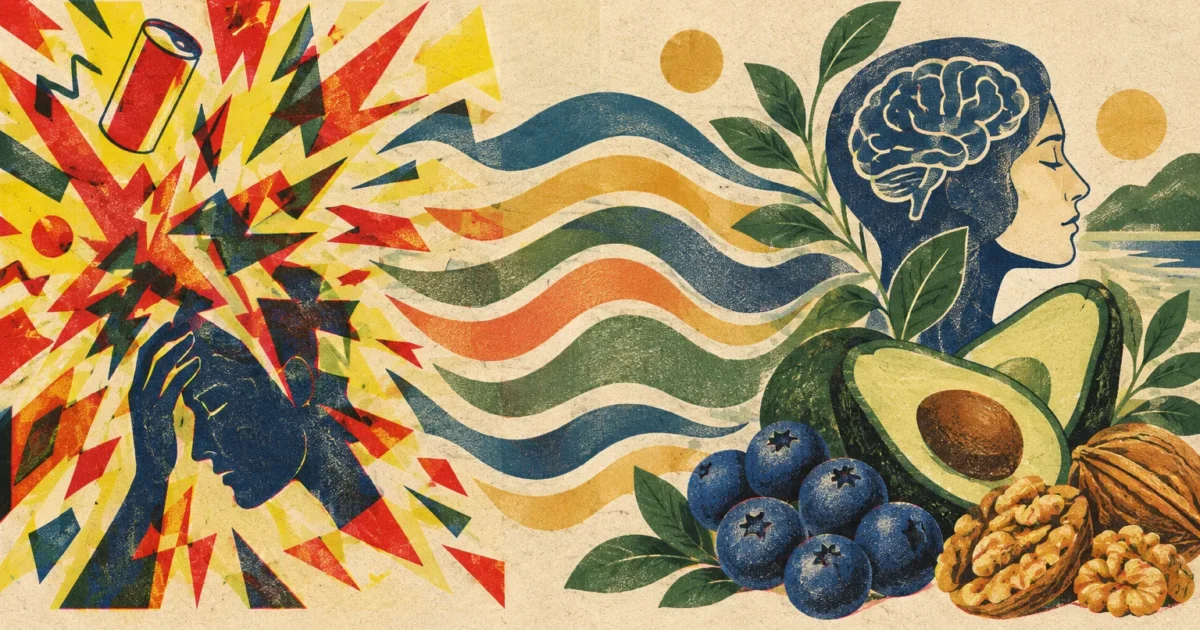
What you put on your plate directly influences how your brain produces dopamine and regulates sustained attention. Strategic dietary shifts can calm mental fog, stabilize restless energy, and support your daily executive functioning.
With 6.0% of U.S. adults—roughly 15.5 million people—living with an ADHD diagnosis, finding sustainable daily relief is essential. Over half of these individuals received their diagnosis in adulthood and frequently face systemic treatment hurdles.
While nutrition cannot cure ADHD, certain foods reliably trigger neurochemical crashes, physical restlessness, and brain fog. Swapping those triggers for nutrient-dense alternatives gives your nervous system the steady foundation it needs to thrive.
How Food Directly Impacts the ADHD Nervous System
Attention-deficit/hyperactivity disorder involves distinctive differences in neurotransmitter signaling, particularly regarding dopamine and norepinephrine. These chemical messengers govern motivation, impulse control, working memory, and emotional regulation.
When you consume foods that trigger rapid glycemic swings or systemic inflammation, you place acute physiological stress on an already sensitive nervous system. Sudden drops in blood glucose starve the brain of fuel, intensifying distractibility and executive dysfunction.
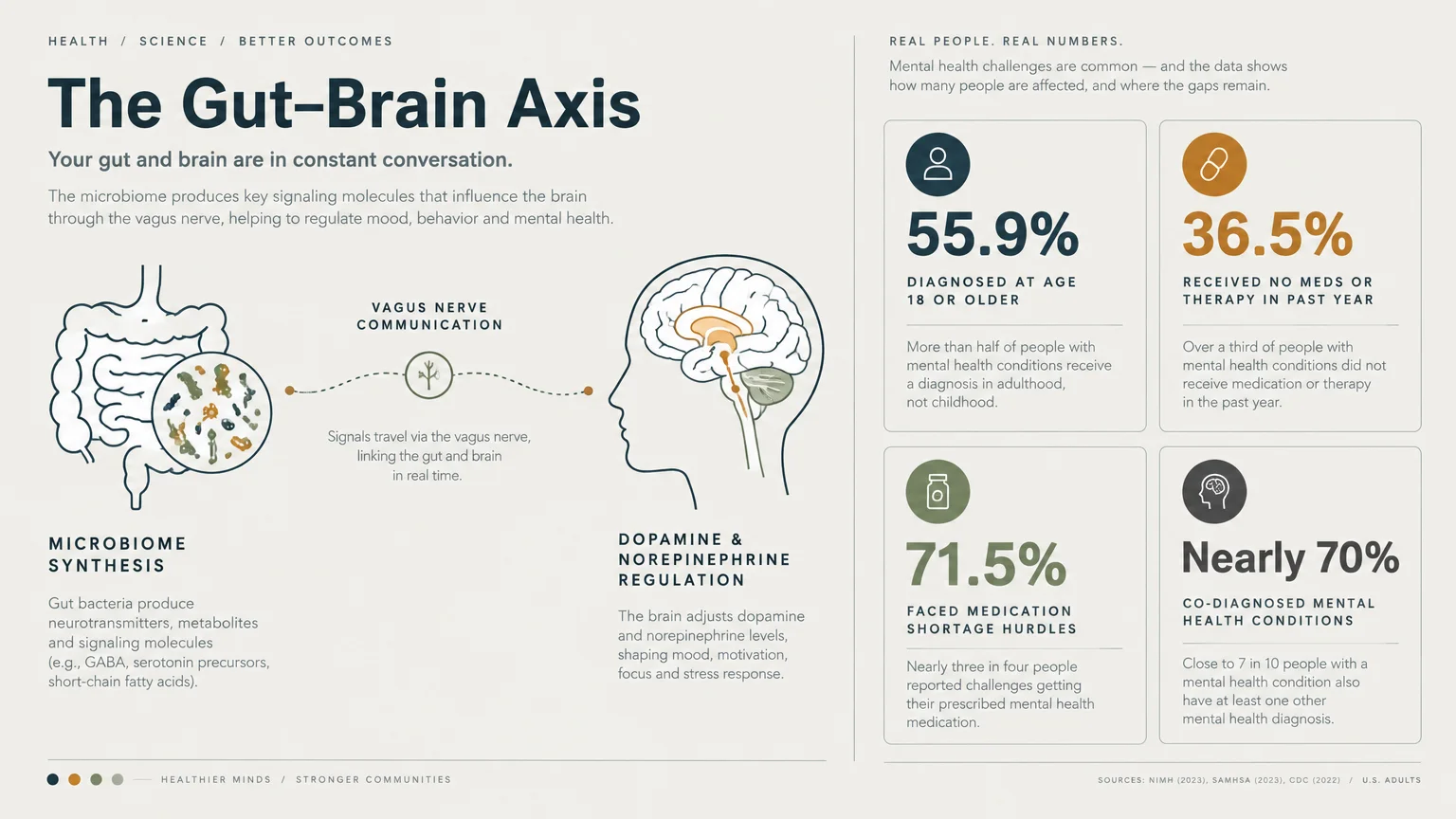
Recent public health data underscores why lifestyle strategies matter so profoundly. According to the Centers for Disease Control and Prevention (CDC), 55.9% of diagnosed adults received their ADHD diagnosis at age 18 or older.
Furthermore, 36.5% of adults with ADHD received neither prescription medication nor behavioral counseling in the past year. Navigating conventional care remains complicated for millions of neurodivergent individuals.
Pharmacy access presents another formidable barrier. Federal data indicates that 71.5% of adults prescribed stimulant medications reported difficulty filling their prescriptions due to widespread shortages.
Managing physical and emotional well-being also requires addressing overlapping health concerns. A December 2025 CDC report revealed that nearly 70% of clinical visits by adults with ADHD involved a co-diagnosed mental health condition, while 40.1% included a non-psychiatric chronic disorder.
Because the gut and brain communicate continuously through the vagus nerve, gut irritation quickly manifests as cognitive distress. Nourishing your gut microbiome supports serotonin and dopamine synthesis, creating greater psychological resilience throughout your day.
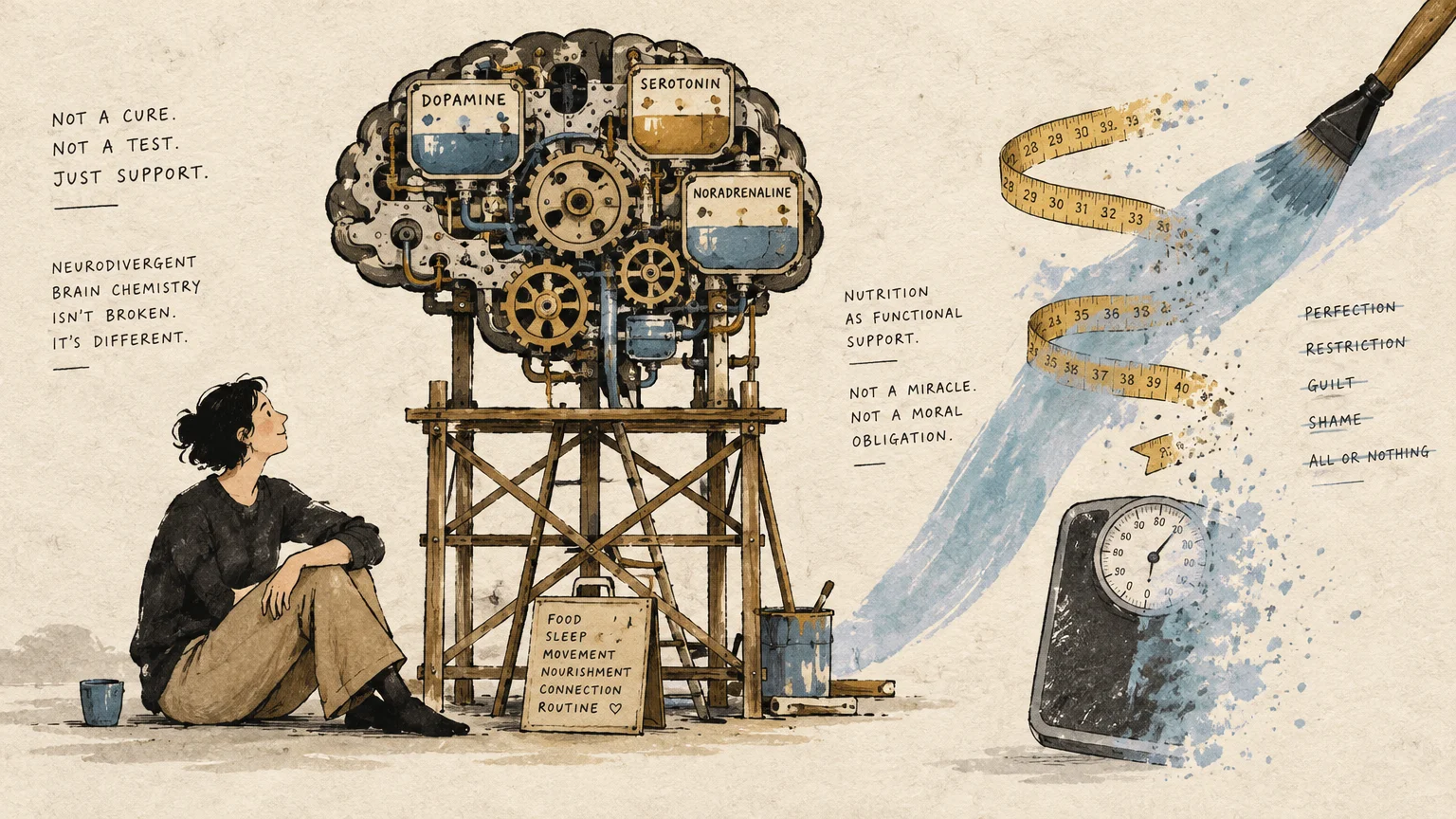
Understanding these biological links allows you to view nutrition as a functional support tool rather than a moral test. Making strategic dietary adjustments can soften daily symptom spikes and restore a baseline of steady mental clarity.
10 Foods That May Worsen ADHD Symptoms (and What to Eat Instead)
Certain dietary staples disrupt focus, provoke sensory sensitivities, or trigger neurochemical instability. Evaluating how these ten items affect your unique physiology helps you build an empowering, sustainable ADHD diet.
1. Synthetic Food Dyes and Artificial Colorings
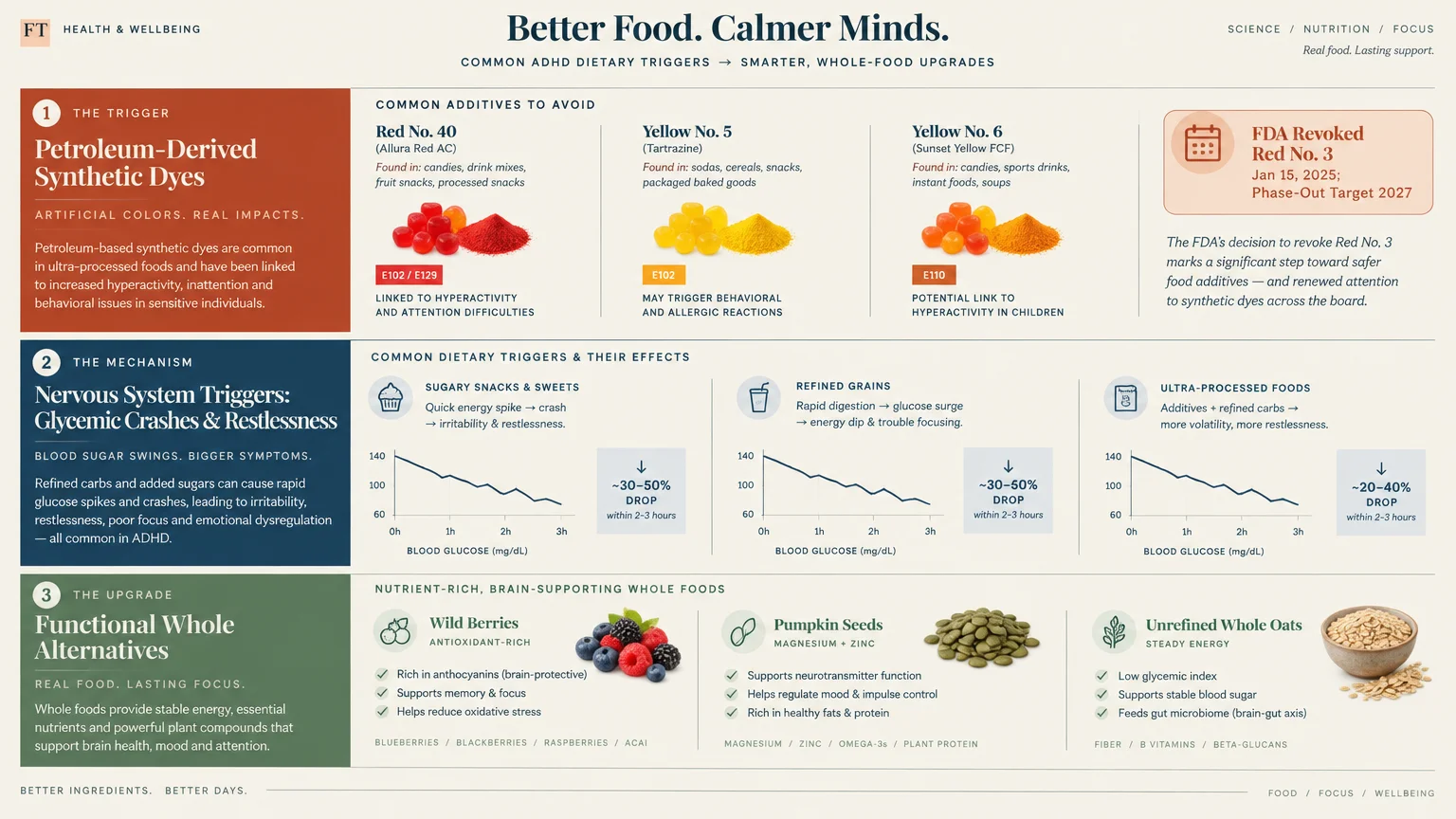
Petroleum-derived synthetic colorings—such as Red No. 40, Yellow No. 5, and Yellow No. 6—have long drawn clinical scrutiny. Research shows these synthetic additives can exacerbate hyperactivity, irritability, and restlessness in susceptible children and adults.
Regulatory authorities have taken decisive action to address these behavioral risks. On April 22, 2025, the U.S. Department of Health and Human Services (HHS) and the Food and Drug Administration (FDA) announced a federal initiative to phase out six major synthetic dyes by 2027.
Additionally, the FDA officially revoked approval for FD&C Red No. 3 on January 15, 2025, mandating food reformulation by January 15, 2027. Multiple states have followed suit; California and West Virginia enacted comprehensive bans taking effect in 2027 and 2028.
In Europe, foods containing these colorants have carried mandatory warning labels since 2009 stating they may impair activity and attention. Modern consumers now have access to safer, vibrant plant pigments.
What to choose instead: Select snacks tinted with FDA-approved natural colorants like butterfly pea flower, gardenia blue, beetroot red, paprika, or turmeric. Whole fruits like blueberries and raspberries also provide vibrant, antioxidant-rich color naturally.
2. Refined Sugars and High-Fructose Corn Syrup
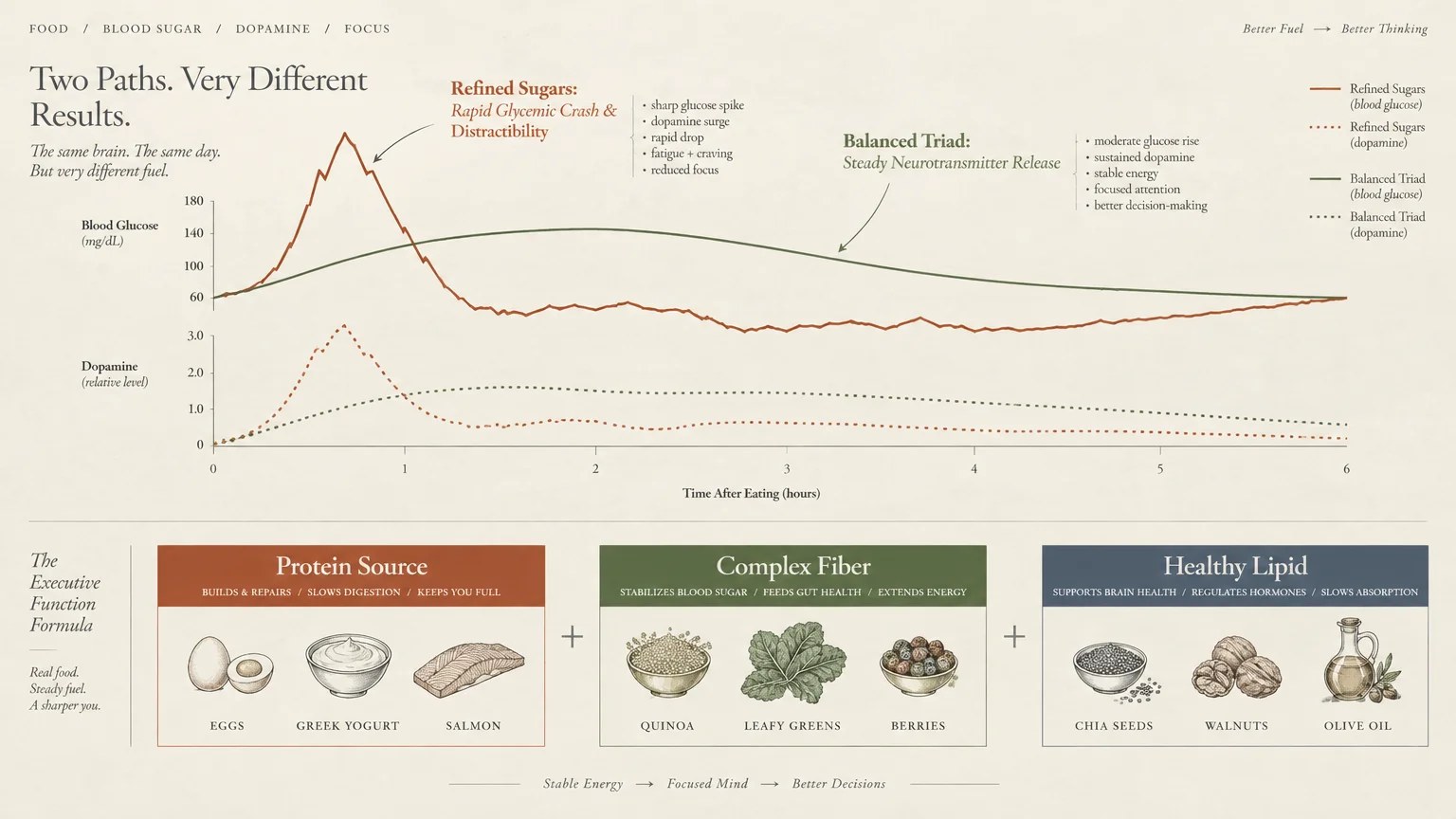
Simple sugars absorb rapidly into the bloodstream, triggering an immediate surge in blood glucose followed by an insulin spike. For a brain already seeking stimulation, this rapid rush delivers temporary alertness followed by a catastrophic crash.
During the ensuing glucose trough, the brain struggles to access steady fuel. This dip triggers irritability, brain fog, impulsivity, and intense cravings for more rapid-acting carbohydrates.
Over time, chronic blood sugar volatility exacerbates systemic inflammation, which dulls dopamine receptor sensitivity. Breaking this cycle requires trading empty sweets for sustained cellular energy.
What to choose instead: Reach for fiber-rich whole fruits like green apples, blackberries, or pears paired with raw almond butter. The dietary fiber slows carbohydrate absorption, delivering steady glucose to your brain for hours.
3. Highly Caffeinated Energy Drinks and Excess Coffee
Many adults with ADHD lean on heavy caffeine doses to self-medicate low dopamine levels. While modest caffeine can temporarily enhance alertness, concentrated energy drinks deliver overwhelming stimulant loads that stress your adrenal system.
Mega-doses of caffeine spike cortisol and adrenaline, worsening baseline sensory overwhelm and physical jitteriness. When combined with prescription stimulants, excess caffeine can trigger tachycardia, muscle tension, and intense rebound anxiety.
Late-day caffeine consumption also impairs slow-wave sleep and rapid eye movement (REM) stages. Chronic sleep disruption severely compromises next-day executive function, mimicking severe ADHD symptom flares.
What to choose instead: Transition to ceremonial-grade green tea, matcha, or roasted chicory root. Green tea provides modest caffeine balanced by L-theanine, an amino acid that promotes calm, alert focus without jittery spikes.
4. Ultra-Processed Snacks and Refined Grains
Packaged convenience foods like white crackers, potato chips, and instant noodles undergo extensive industrial refining. This processing strips away essential micronutrients—including magnesium, zinc, and B vitamins—that your brain needs to synthesize neurotransmitters.
These refined carbohydrates behave like pure sugar once digested, causing rapid blood glucose instability. They also lack the dietary fiber needed to support a healthy, balanced gut microbiome.
According to researchers at Harvard Health, diets heavy in ultra-processed foods correlate with higher rates of mood instability and cognitive fatigue. Prioritizing intact foods protects your daily cognitive endurance.
What to choose instead: Stock your pantry with complex carbohydrates such as steel-cut oats, quinoa bowls, roasted chickpeas, and sprouted whole-grain toast. These options release glucose gradually, keeping your attention span steady.
5. Deep-Fried Foods and Industrial Seed Oils
Commercial fast foods and fried snacks are commonly prepared in refined seed oils repeatedly heated to high temperatures. This process generates oxidized lipids and promotes an excessive ratio of omega-6 to omega-3 fatty acids.
An elevated omega-6 balance fuels neuroinflammation, which interferes with neuronal membrane fluidity and synaptic communication. Sluggish neural transmission makes sustaining attention and filtering sensory distractions significantly more exhausting.
Diets rich in damaged fats can also provoke digestive discomfort. When your gastrointestinal tract experiences low-grade distress, your executive functioning inevitably suffers.
What to choose instead: Prepare meals using cold-pressed extra virgin olive oil, avocado oil, or unrefined coconut oil. Incorporate baked wild salmon, sardines, chia seeds, and walnuts to flood your nervous system with anti-inflammatory omega-3 fatty acids.
6. Artificial Sweeteners
Diet sodas and sugar-free protein bars often rely on synthetic non-nutritive sweeteners such as aspartame, sucralose, and acesulfame potassium. Many neurodivergent individuals consume these products intending to avoid sugar-induced glycemic crashes.
However, emerging research indicates that certain artificial sweeteners alter the delicate balance of your gut microbiota. Dysbiosis in the digestive tract impairs the natural synthesis of vital neurochemicals, including GABA and dopamine precursors.
Some individuals also report experiencing headaches, brain fog, and heightened sensory irritability following aspartame ingestion. Choosing pure, unadulterated hydration spares your nervous system these synthetic metabolic disruptions.
What to choose instead: Flavor your water with fresh citrus slices, crushed mint leaves, or cucumber ribbons. If you need mild sweetness, use small amounts of pure maple syrup, raw honey, or pure organic stevia leaf extract.
7. Processed Meats Containing Nitrates and Sodium Benzoate
Processed deli meats, hot dogs, sausages, and cured bacon frequently contain chemical preservatives like sodium nitrate and sodium benzoate. These compounds extend retail shelf life but can provoke systemic oxidative stress in sensitive bodies.
Sodium benzoate, particularly when combined with common food acids, can stimulate histamine release from mast cells. Elevated systemic histamine often manifests as brain fog, sleep disruption, migraines, and heightened physical restlessness.
Furthermore, these meats typically carry heavy sodium loads that promote mild dehydration. Even minor dehydration noticeably impairs short-term memory and sustained vigilance.
What to choose instead: Choose pasture-raised fresh chicken, roasted turkey breast, pasture-raised eggs, or organic tempeh. These whole protein sources deliver clean amino acids like tyrosine, which your brain directly uses to manufacture dopamine.
8. Gluten and Dairy (For Biologically Sensitive Individuals)
Neither gluten nor dairy inherently causes ADHD, and universal elimination is rarely necessary. However, individuals with ADHD display higher rates of gastrointestinal disorders and subtle food intolerances than the general population.
If you have an underlying non-celiac gluten sensitivity or a cow’s milk protein allergy, consuming these foods triggers intestinal inflammation. This localized inflammation releases cytokines into circulation, crossing the blood-brain barrier and worsening brain fog.
Chronic digestive distress also depletes physical energy and elevates stress hormones. If you suspect an intolerance, a structured medical evaluation can identify whether these proteins hinder your focus.
What to choose instead: If an elimination trial reveals sensitivity, explore gluten-free grains like wild rice, millet, and buckwheat. Substitute cow’s milk with unsweetened almond milk, coconut yogurt, or calcium-fortified oat milk.
9. High-Sodium Frozen Dinners and Pre-Packaged Meals
Pre-packaged frozen meals and shelf-stable lunch bowls offer alluring convenience when executive dysfunction derails your cooking plans. Unfortunately, many of these ultra-processed options contain massive sodium concentrations and artificial flavor enhancers.
Excessive sodium intake without sufficient water intake strains vascular hydration, leaving you feeling fatigued, sluggish, and unfocused. Flavor enhancers like monosodium glutamate (MSG) can also provoke sensory sensitivities in certain neurodivergent individuals.
Relying on heavily packaged meals also deprives you of fresh living enzymes and phytonutrients. These micronutrients play crucial roles in shielding brain tissue from everyday oxidative wear.
What to choose instead: Assemble your own low-effort convenience kits by freezing batches of homemade lentil soups or turkey chili in single-serve glass containers. Pair them with pre-washed baby spinach for an instant, nourishing meal.
10. Alcohol and Nighttime Cocktails
Many adults use alcohol in the evening to quiet a racing ADHD mind and ease sensory overstimulation. While alcohol acts as a central nervous system depressant that temporarily induces relaxation, it severely damages restorative sleep architecture.
Alcohol fragments your nighttime rest by suppressing REM sleep, leaving your brain unrefreshed the following morning. It also drastically depletes dopamine stores, intensifying executive dysfunction and emotional dysregulation throughout the following day.
Clinical data from the National Institute of Mental Health (NIMH) highlights the intricate relationship between neurodevelopmental traits and mood vulnerability. Using alcohol to manage evening restlessness often exacerbates next-day anxiety loops.
What to choose instead: Establish a restorative evening wind-down ritual featuring tart cherry juice mixed with sparkling water. Tart cherry juice naturally provides melatonin, while a supplement of magnesium glycinate can gently soothe physical restlessness before bed.
Nutritional Swaps for Sustained Executive Function
Reviewing practical dietary modifications side by side makes planning your weekly grocery trips straightforward. Use this comparison table to identify immediate, high-impact replacements for common trigger foods.
| Category / Trigger Food | How It Affects ADHD Symptoms | Optimal Brain-Supporting Swap |
|---|---|---|
| Synthetic Food Dyes (Red 40, Yellow 5) | Triggers hyperactivity, sensory agitation, and behavioral restlessness. | Foods colored naturally with beetroot, butterfly pea flower, or fresh berries. |
| Refined White Sugar & Corn Syrup | Causes rapid dopamine surges followed by severe energy crashes and brain fog. | Low-glycemic whole fruits (berries, green apples) paired with raw nut butters. |
| Energy Drinks & Excess Caffeine | Spikes cortisol, disrupts sleep cycles, and induces rebound anxiety. | Ceremonial matcha or green tea rich in calming L-theanine. |
| Ultra-Processed Grains & Snack Chips | Lacks essential zinc, B vitamins, and magnesium; causes rapid glycemic swings. | Complex carbohydrates like steel-cut oats, quinoa, and roasted chickpeas. |
| Deep-Fried Fast Foods (Omega-6 heavy) | Promotes neuroinflammation, impairing efficient synaptic signaling. | Baked wild salmon, walnuts, chia seeds, and extra virgin olive oil. |
| Artificial Sweeteners (Aspartame) | Disrupts the gut microbiome, interfering with neurotransmitter production. | Infused sparkling water with citrus and mint, or modest pure raw honey. |
| Processed Deli Meats with Nitrates | Elevates histamine and sodium levels, worsening physical restlessness. | Fresh roasted chicken breast, pastured eggs, or organic tempeh. |
| Reactive Dairy / Gluten | Drives systemic inflammatory cytokine production in sensitive individuals. | Gluten-free ancient grains (millet, buckwheat) and unsweetened plant milks. |
| Commercial Frozen Dinners | Triggers mild cellular dehydration, fatigue, and sluggish processing speeds. | Home-frozen batch meals like hearty lentil stews and turkey chili. |
| Alcoholic Nightcaps | Suppresses restorative REM sleep and severely depletes next-day dopamine. | Tart cherry juice with sparkling water and calming chamomile tea. |
Common Misconceptions About ADHD and Nutrition
Nutritional psychology attracts widespread debate, and popular social media channels frequently circulate oversimplified advice. Examining these persistent myths through an evidence-based lens protects you from unhelpful dietary extremes.
Myth 1: “Dietary Changes Can Completely Cure ADHD”
ADHD is a complex, highly heritable neurodevelopmental condition characterized by structural and functional brain variations. No clinical evidence indicates that nutritional protocols can eradicate ADHD or alter fundamental neurodivergent biology.
Nutrition functions as a powerful supportive modality, not a standalone cure. Optimizing your meals stabilizes your biological baseline, helping other evidence-based interventions work far more effectively.
Myth 2: “Sugar Is the Primary Cause of ADHD”
Decades of epidemiological research disprove the assertion that sugar consumption causes ADHD. The condition originates from genetic and neurological factors rather than childhood treats.
However, individuals with ADHD frequently experience intense sugar cravings due to baseline dopamine deficiencies. While sugar does not cause the disorder, refined sweets certainly intensify daily hyperactivity and concentration difficulties.
Myth 3: “Everyone with ADHD Must Adopt an Extreme Elimination Diet”
Rigid, highly restrictive elimination diets pose serious emotional and physiological risks for neurodivergent adults. Hyper-focusing on restrictive food rules can trigger disordered eating patterns or exacerbate food-related sensory aversions.
According to clinical guidance from the American Psychological Association (APA), sustainable behavioral adaptations prioritize gradual addition over drastic deprivation. Adding protective foods is far healthier than obsessively cutting calories.

Overcoming Executive Dysfunction in the Kitchen
Knowing what to eat solves only half the problem; executive dysfunction often makes planning, cooking, and cleaning feel insurmountable. Implementing low-friction meal strategies ensures you nourish your brain even when cognitive reserves run low.
- Assemble “No-Cook” Protein Plates: Avoid multi-step recipes on exhausting evenings. Combine pre-boiled eggs, raw almonds, pre-sliced cheddar, baby carrots, and hummus on a single plate in under three minutes.
- Keep High-Protein Essentials in Plain Sight: Visual memory limitations mean out-of-sight foods quickly spoil forgotten in crisper drawers. Store protein bars, nuts, and fresh apples in clear bins on your kitchen counter.
- Embrace Frozen, Pre-Chopped Produce: Washing, peeling, and dicing vegetables consumes substantial executive functioning. Buy pre-chopped frozen broccoli, bell peppers, and berry medleys to eliminate prep friction entirely.
- Anchor Balanced Snacks to Existing Daily Habits: Pair balanced eating with tasks you already execute without fail. Enjoy a handful of walnuts and a glass of water every morning while waiting for your coffee to brew.
- Keep an Emergency Pantry Stash: Prepare for days when medication shortages or sensory overwhelm strike. Stock shelf-stable bone broth, canned wild sardines, pumpkin seeds, and pre-cooked brown rice packets for zero-effort fuel.

Self-Compassion in Dietary Changes
Changing long-standing dietary habits often unearths feelings of guilt, shame, and frustration. Neurodivergent individuals frequently endure harsh self-criticism after impulsive late-night snacking or letting fresh groceries spoil.
Shame is an exceptionally poor motivator for lasting behavioral transformation. When you berate yourself for dietary missteps, you spike stress hormones that further impair prefrontal cortex function.
“The curious paradox is that when I accept myself just as I am, then I can change.” — Carl Rogers, Ph.D.
Practicing non-judgmental awareness allows you to treat dietary adjustments as an ongoing, curious experiment. When you notice sluggishness after eating certain foods, treat that observation as helpful feedback rather than a personal failure.
Sustainable nutritional wellness develops through patience and self-compassion. Meeting your biological needs with gentle consistency creates the psychological safety your nervous system requires to thrive.

Finding the Right Professional Help
Navigating ADHD and nutrition independently can feel overwhelming, particularly when dealing with overlapping medical concerns. Partnering with qualified healthcare professionals ensures your wellness strategy remains safe, comprehensive, and tailored to your specific biology.
Consider seeking specialized clinical support if you experience any of the following scenarios:
- Suspected Food Allergies or Severe Sensitivities: If you suspect celiac disease, severe food allergies, or systemic intolerances, consult an allergist or gastroenterologist before initiating restrictive elimination protocols.
- Co-Occurring Disordered Eating or Sensory Aversions: If rigid food rules, binge eating, or Avoidant/Restrictive Food Intake Disorder (ARFID) arise, work with a registered dietitian specializing in neurodivergent care.
- Complex Medication Interactions: When adjusting your diet while taking prescription stimulants, discuss your plans with your psychiatrist to avoid adverse interactions with blood pressure or appetite.
- Persistent Depressive or Anxiety Symptoms: If severe brain fog or emotional dysregulation resists lifestyle modifications, engage a licensed mental health professional through resources like Cleveland Clinic for formal assessment.
Frequently Asked Questions
Can changing my diet allow me to stop taking ADHD medication?
Dietary improvements cannot replace prescribed medication for most individuals. Proper nutrition supports optimal baseline brain health, which may allow your medical provider to refine your treatment plan, but you should never stop medication without direct clinical supervision.
How quickly will I notice a difference after cutting out trigger foods?
Blood sugar stabilization and reduced caffeine jitters provide noticeable relief within twenty-four to forty-eight hours. Reductions in systemic inflammation, improved digestive comfort, and clearer mental stamina typically emerge over two to four weeks of consistent dietary changes.
What is the most effective breakfast for adult ADHD focus?
The optimal ADHD breakfast prioritizes high protein, healthy fats, and low-glycemic complex carbohydrates. An omelet cooked with spinach and avocado, paired with a small bowl of fresh blueberries, provides stable neurotransmitter building blocks without inducing a morning glucose crash.
Do artificial food dyes affect adults, or only children with ADHD?
While historic research focused primarily on children, emerging neurochemical evidence confirms that synthetic dyes can negatively influence adult nervous systems as well. Adults sensitive to synthetic additives frequently report heightened internal restlessness, sleep disturbances, and diminished concentration.
Building a Sustainable Path Forward
Transforming your nutritional habits does not require perfection or radical lifestyle overhauls. Focusing on one intentional food swap each week builds steady momentum while protecting your daily executive reserves.
Celebrate small victories as you learn how your unique nervous system responds to clean, nourishing fuel. By replacing triggering ingredients with nutrient-dense alternatives, you create a supportive internal environment where your focus, creativity, and resilience can flourish.
The information in this article is meant for educational purposes and general guidance. It does not replace individual therapy, counseling, or medical treatment. If you or someone you know is in crisis, contact the 988 Suicide & Crisis Lifeline by calling or texting 988.
Last updated: October 2026. Psychology research evolves continuously—verify current findings with professional sources.








Leave a Reply