

You can look entirely composed on the outside while an unrelenting storm churns beneath the surface. Silent anxiety lets you meet deadlines and support friends, yet it privately depletes your physical and mental stamina.
Recognizing these hidden anxiety signs gives you the power to reclaim your peace before chronic stress causes physical burnout. Pinpointing the pattern marks your first step toward lasting calm.
This guide highlights twelve primary indicators of internal anxiety and delivers research-backed strategies to help you soothe your nervous system today.
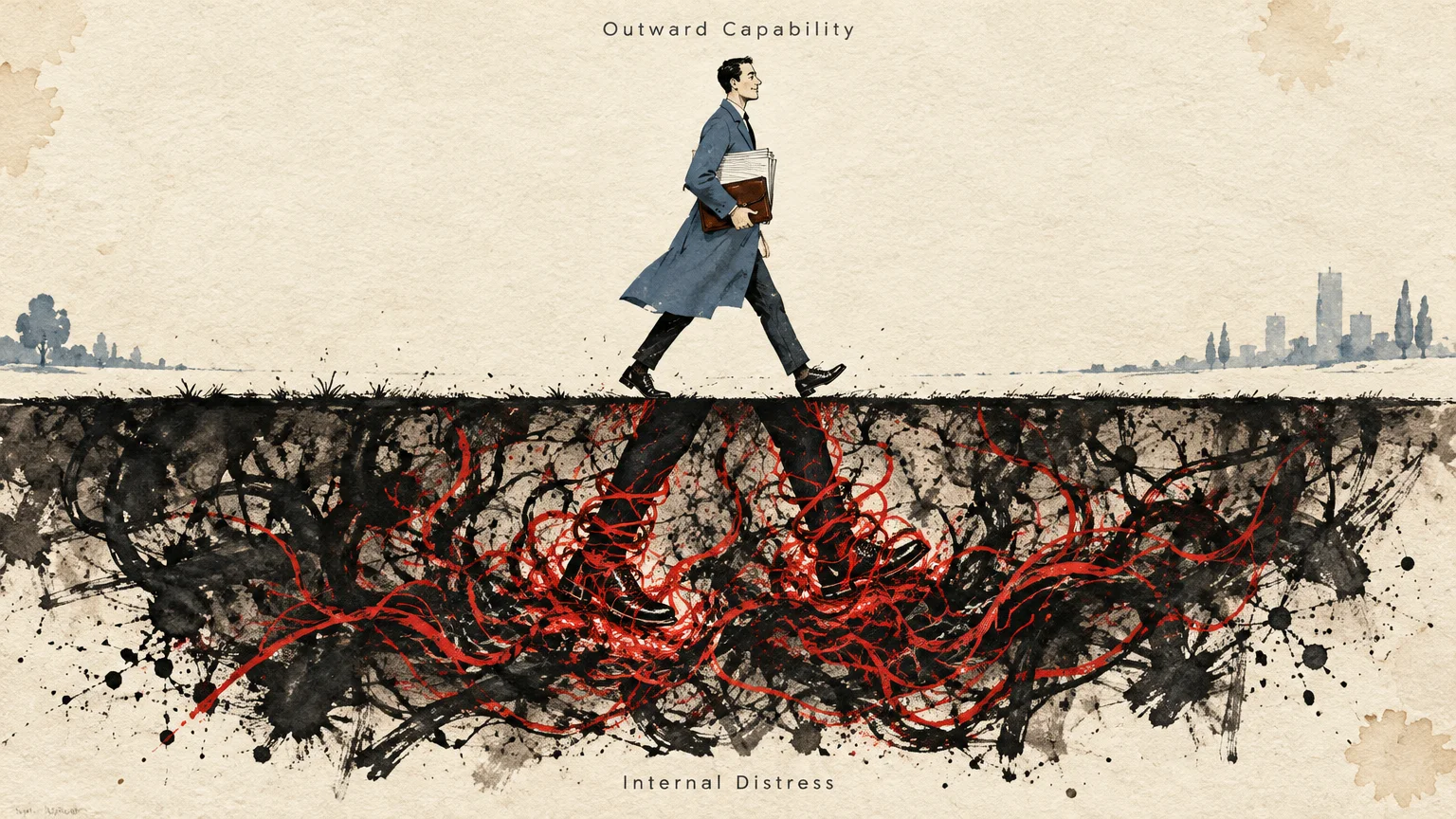
Understanding Silent Anxiety and Its Hidden Toll
Silent anxiety—frequently called high-functioning anxiety—describes internal distress masked by outward capability. You maintain your daily responsibilities while battling ongoing psychological tension.
The Diagnostic and Statistical Manual of Mental Disorders does not classify silent anxiety as a standalone diagnosis. Mental health professionals treat it as a subtle presentation of generalized anxiety.
According to the National Institute of Mental Health (NIMH), anxiety disorders affect tens of millions of adults each year. Many individuals endure significant distress without exhibiting obvious outward distress.
Because you appear composed, friends and colleagues rarely suspect your inner struggle. This dynamic fosters isolation and prevents you from seeking early support.
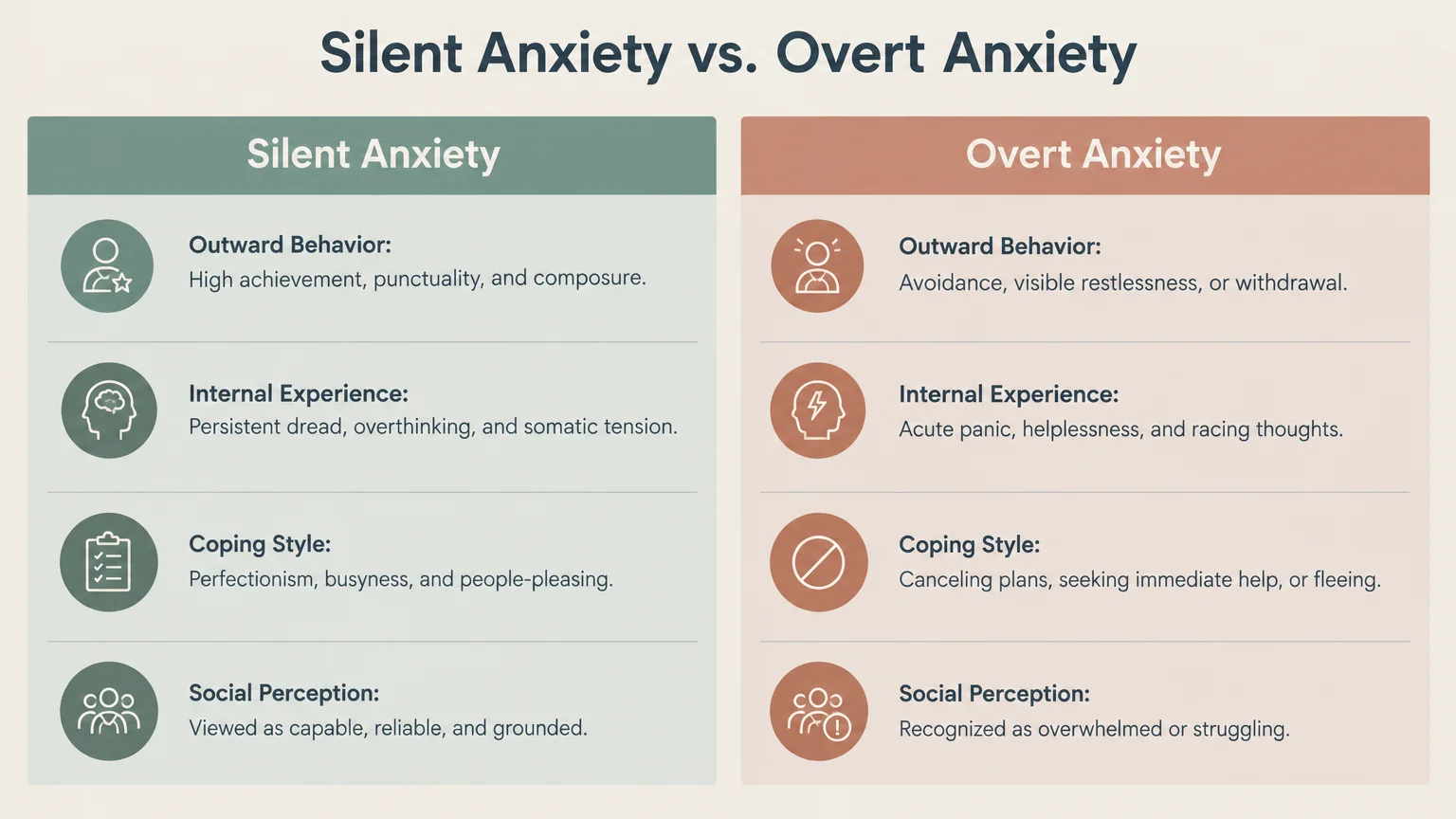
Silent Anxiety vs. Overt Anxiety
Understanding how internal anxiety differs from visible panic helps you recognize subtle distress patterns. Both forms involve nervous system dysregulation, but they manifest through contrasting outward behaviors.
Overt anxiety usually prompts withdrawal, visible agitation, or panic attacks. In contrast, silent anxiety drives you toward overachievement, hyper-control, and emotional suppression.
| Dimension | Silent Anxiety | Overt Anxiety |
|---|---|---|
| Outward Behavior | High achievement, punctuality, and composure | Avoidance, visible restlessness, or withdrawal |
| Internal Experience | Persistent dread, overthinking, and somatic tension | Acute panic, helplessness, and racing thoughts |
| Coping Style | Perfectionism, busyness, and people-pleasing | Canceling plans, seeking immediate help, or fleeing |
| Social Perception | Viewed as capable, reliable, and grounded | Recognized as overwhelmed or struggling |
While overt anxiety demands immediate social support, silent anxiety remains hidden behind a mask of competence. This invisibility prolongs the emotional burden you carry alone.
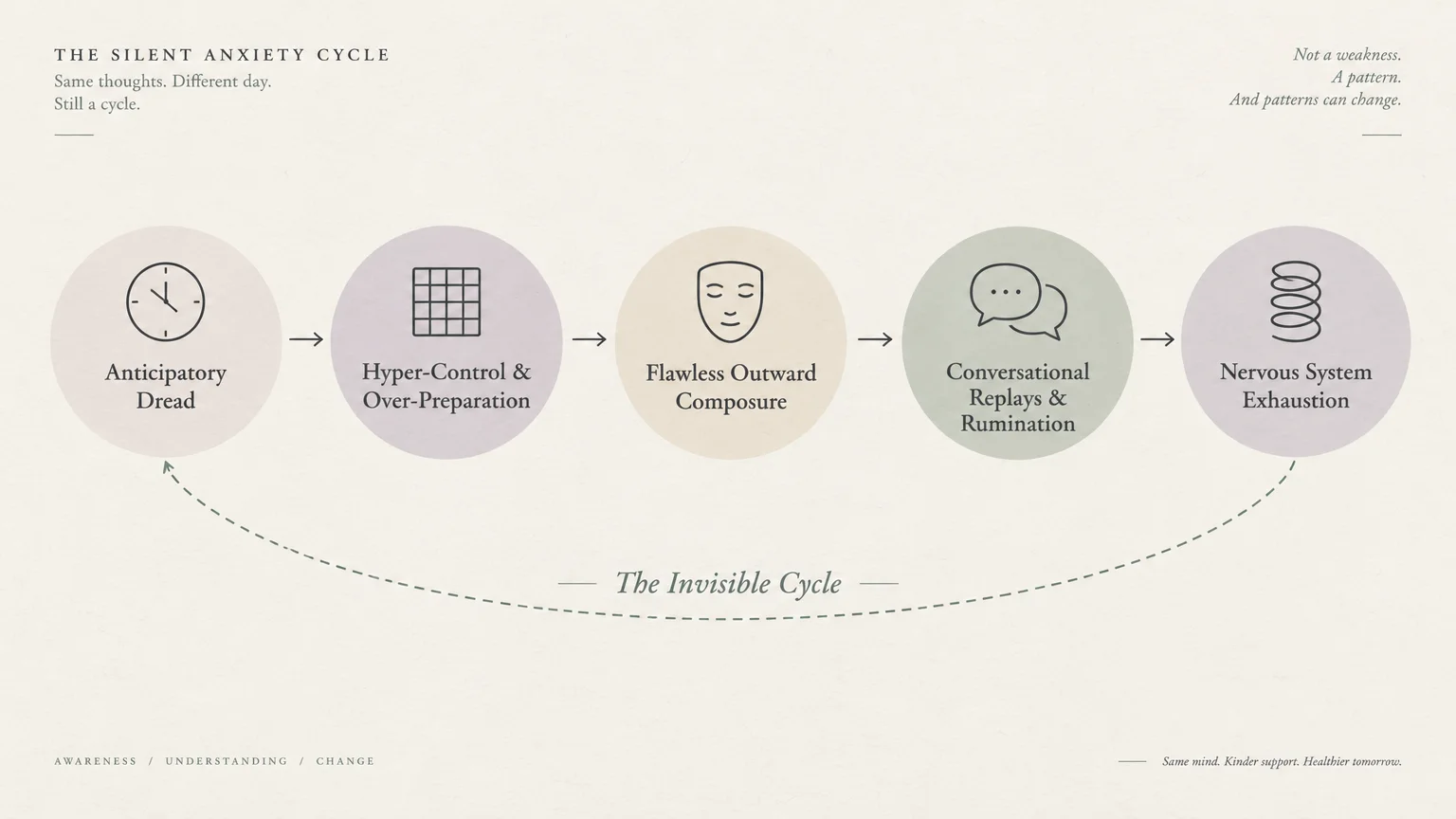
12 Signs You’re Dealing With Silent Anxiety
Recognizing subtle behavioral cues helps you identify internal anxiety before chronic stress leads to total exhaustion. Pay attention to how these twelve signs manifest in your daily life.
1. Chronic Overthinking and Conversational Replays
You analyze casual conversations long after they finish. You search ordinary comments for hidden disapproval or evidence of an imagined social mistake.
This habit consumes tremendous cognitive energy. It keeps your mind tethered to perceived flaws that others never noticed.
Over time, relentless rumination convinces your nervous system that ordinary interactions pose social danger.
2. Habitual People-Pleasing to Prevent Conflict
You agree to extra projects and personal favors even when your plate is overflowing. The thought of disappointing someone triggers sharp internal distress.
People-pleasing operates as an anxiety shield. You manage other people’s perceptions to protect yourself from criticism or abandonment.
Saying no feels intolerable because conflict disrupts your fragile sense of security.
3. A Compulsive Need for Constant Busyness
Downtime feels threatening rather than restorative. When you finally sit down, quiet moments allow suppressed worries to flood your awareness.
You fill your schedule with tasks to outrun uncomfortable emotions. Stillness feels like vulnerability, so you stay perpetually productive.
Rest feels unproductive and provokes guilt rather than rejuvenation.
4. Perfectionism Driven by Fear of Exposure
Your high standards do not always reflect healthy ambition. Instead, they serve as a defensive strategy against external judgment.
“Perfectionism is a twenty-ton shield that we lug around thinking it will protect us, when in fact it’s the thing that’s really preventing us from being seen.” — Brené Brown, Ph.D., LMSW
You treat minor oversights as catastrophic proof of inadequacy. This mindset turns everyday obligations into grueling performance tests.
5. Unexplained Physical Tension and Somatic Symptoms
Silent anxiety frequently bypasses conscious thought and lodges in your body. You might experience chronic jaw clenching, tight shoulders, or persistent digestive upset.
According to the Mayo Clinic, chronic emotional stress triggers ongoing muscle tension and alters gastrointestinal function. Your body signals the distress your mind tries to suppress.
These physical aches persist even when you believe you are feeling mentally calm.
6. Paralysis Over Minor, Low-Stakes Decisions
Selecting a dinner recipe or drafting a routine email feels agonizing. You fear making an imperfect choice and regretting it.
This micro-paralysis occurs because your cognitive bandwidth is already exhausted. Managing baseline internal anxiety leaves little energy for minor calculations.
7. Emotional Masking Behind Hyper-Competence
You project an image of effortless control. Peers view you as the reliable anchor who handles high-pressure situations with poise.
Behind that competent mask, you feel brittle and close to burning out. You hide your vulnerability to protect your reputation.
Asking for assistance feels like admitting defeat, so you shoulder burdens alone.
8. Covert Reassurance Seeking
You reread sent messages multiple times and review completed reports obsessively. You seek reassurance covertly without revealing your deep self-doubt.
These repetitive checks temporarily calm your nervous system. Unfortunately, they reinforce the damaging belief that your instincts cannot be trusted.
9. Nocturnal Rumination and Disrupted Sleep
You feel exhausted throughout the day, yet your brain activates as soon as your head hits the pillow. Suppressed thoughts demand attention in the quiet darkness.
You mentally rehearse upcoming challenges and anticipate worst-case outcomes. This nocturnal arousal disrupts restorative sleep and locks you into a cycle of fatigue.
10. Silent Sensory Overload and Quick Irritability
Loud sounds, clutter, and multiple competing demands overwhelm you quickly. You feel an unexpected surge of internal irritation over minor sensory triggers.
Because you cannot express this annoyance outwardly, you swallow it. Repressing your natural reactions drains your remaining emotional energy.
11. Persistent Anticipatory Dread
Even during stable periods, you brace for an impending crisis. You live with an uneasy conviction that peace is temporary.
This chronic hypervigilance prevents you from savoring successes. Your sympathetic nervous system remains stuck in threat-detection mode.
Relaxing feels dangerous because you believe letting your guard down invites disaster.
12. Severe Emotional Depletion After Socializing
Social events leave you exhausted, even when you genuinely enjoy the company. Performing outward confidence requires relentless self-monitoring.
You require extensive quiet time to recharge your depleted nervous system. This social fatigue often leads you to withdraw from future gatherings.
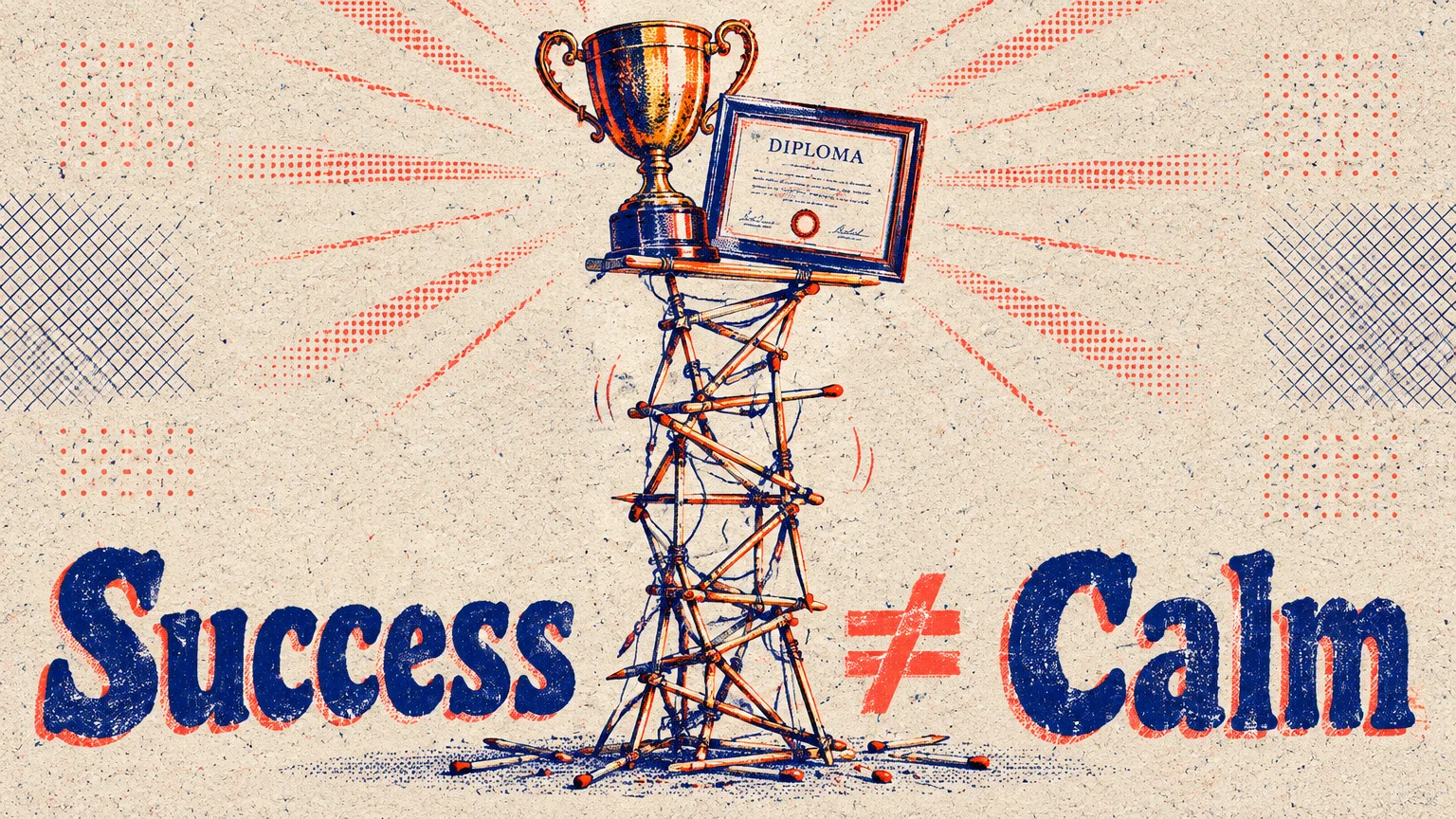
Myths Worth Debunking
Misunderstandings surrounding anxiety symptoms prevent many people from recognizing their own pain. Dispelling these myths brings clarity and self-compassion to your healing process.
- Myth 1: Outward success means you do not have anxiety. Achievement often disguises intense distress. High performers frequently channel anxiety into meticulous work to stay in control.
- Myth 2: Silent anxiety resolves on its own. Suppressed worry rarely disappears without deliberate effort. Unaddressed tension often evolves into clinical depression or physical illness over time.
- Myth 3: Anxiety always looks like visible panic. Visible shaking and hyperventilation are not required for a diagnosis. Hidden anxiety signs operate beneath the surface without obvious behavioral clues.
Challenging these assumptions validates your private struggles. You do not need to experience an outward breakdown to deserve support and relief.

Practical Strategies to Soothe Internal Anxiety
Managing silent anxiety requires proactive tools that calm your physiological stress response. Practice these concrete strategies to rebuild your emotional resilience.
- Use Physiological Sighs: Inhale deeply through your nose, take a second short sip of air, and exhale slowly through your mouth. This breathing pattern rapidly resets your autonomic nervous system.
- Designate a Worry Window: Allocate fifteen minutes each afternoon to write down recurring worries. If anxious thoughts surface earlier, gently delay them until your scheduled window.
- Establish Micro-Boundaries: Practice declining non-essential commitments without offering lengthy explanations. Protecting your time lowers your baseline emotional load.
- Practice Intentional Imperfection: Complete a minor task to ninety percent perfection on purpose. Experiencing minor imperfections without catastrophe retrains your threat response.
The American Psychological Association (APA) highlights that consistent behavioral changes help reshape neural pathways. Select one technique and practice it consistently this week.

Signs It’s Time to Talk to a Therapist
While daily self-regulation strategies offer relief, professional support provides structured, enduring healing. Consider scheduling a session with a licensed mental health professional if you notice these scenarios:
- Persistent Somatic Illness: You suffer from chronic insomnia, digestive disorders, or tension headaches that medical exams cannot explain.
- Emotional Numbness: You no longer feel joy from accomplishments, experiencing only relief that disaster was avoided.
- Damaged Intimacy: Concealing your distress creates emotional distance between you and your partner or family.
- Inability to Disengage: You cannot stop working or planning, even when your body demands rest.
Evidence-based modalities like Cognitive Behavioral Therapy (CBT) and Acceptance and Commitment Therapy (ACT) teach you to relate differently to anxious thoughts. A qualified therapist helps you dismantle the fear driving your perfectionism.
Resources from the National Alliance on Mental Illness (NAMI) can connect you with compassionate, local practitioners. Seeking professional guidance is an act of courage.
Frequently Asked Questions
Can silent anxiety trigger physical health problems?
Yes. Sustained internal anxiety keeps cortisol and adrenaline elevated, which can contribute to high blood pressure, weakened immunity, and chronic gastrointestinal issues over time.
Is silent anxiety a recognized medical diagnosis?
No. Silent anxiety is a descriptive term rather than an official DSM diagnosis. Clinicians typically diagnose the underlying condition as generalized anxiety disorder or persistent depressive disorder.
How can I support a partner with silent anxiety?
Offer a calm, non-judgmental presence and resist the urge to offer immediate solutions. Encourage them to rest and reassure them that their worth is not tied to productivity.
What therapy works best for high-functioning anxiety?
Cognitive Behavioral Therapy (CBT) and Acceptance and Commitment Therapy (ACT) are both highly effective. They help individuals challenge cognitive distortions and embrace psychological flexibility.
Moving Forward With Self-Compassion
Living with silent anxiety feels like carrying an invisible weight everywhere you go. Acknowledging that burden represents the first step toward putting it down.
Give yourself permission to pause, delegate tasks, and rest without guilt. Your value exists in who you are, not in how much you can endure quietly.
This article provides general educational information about psychology and relationships. It is not a substitute for professional therapy or medical advice.
Everyone’s situation is unique—if you’re struggling, please reach out to a licensed mental health professional.
Last updated: October 2026. Psychology research evolves continuously—verify current findings with professional sources.







Leave a Reply