

The health of your relationships dictates the quality of your life, making it essential to identify the blind spots that unintentionally alienate others. Even minor, unexamined social habits—like prioritizing a screen over a conversation or chronically shifting the spotlight back to yourself—can erode intimacy and trust over time. Most people do not consciously choose to sabotage their connections. Instead, they fall back on protective psychological mechanisms or unchecked communication patterns that silently communicate a lack of care. Recognizing these interpersonal behaviors requires radical self-awareness. By understanding the psychology of how we distance ourselves, you can actively replace alienating reflexes with habits that foster genuine connection, emotional safety, and lasting mutual respect.
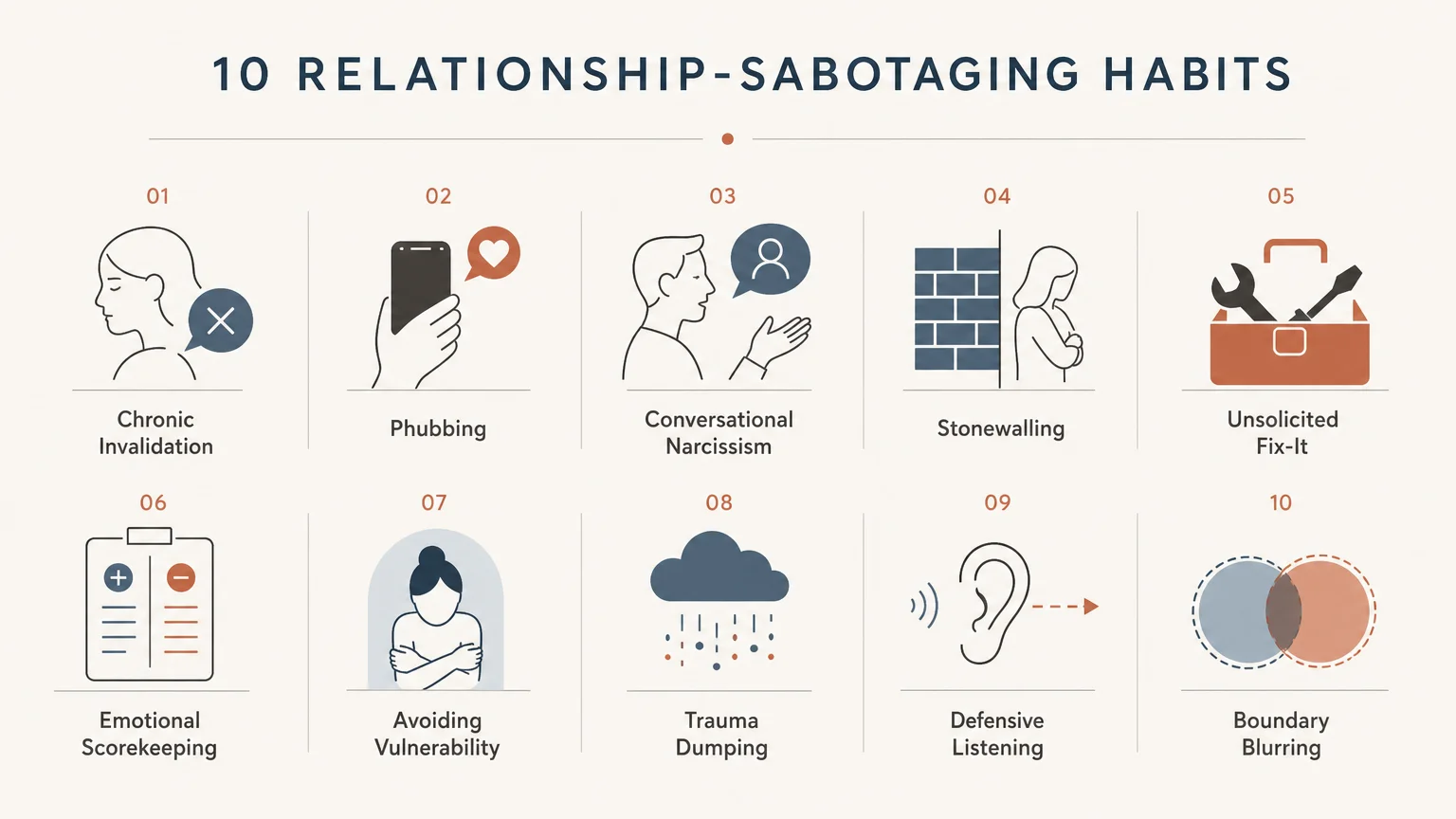
At a Glance: 10 Relationship-Sabotaging Habits
If you are looking to quickly audit your interpersonal habits, here are the core behaviors that frequently create emotional distance:
- Chronic Invalidation: Dismissing or minimizing someone else’s emotional reality.
- Phubbing: Choosing your smartphone over the person sitting in front of you.
- Conversational Narcissism: Constantly steering the topic back to yourself.
- Stonewalling: Shutting down entirely during moments of conflict.
- Unsolicited “Fix-It” Mode: Offering logical solutions when the person simply needs empathy.
- Emotional Scorekeeping: Treating relationships like transactional ledgers.
- Avoiding Vulnerability: Hiding your authentic self to avoid potential rejection.
- Trauma Dumping: Offloading heavy emotional baggage without the listener’s consent.
- Defensive Listening: Listening only to formulate your rebuttal.
- Boundary Blurring: Failing to respect the physical, emotional, or energetic limits of others.

1. Chronic Emotional Invalidation
Emotional invalidation occurs when you communicate—intentionally or not—that another person’s feelings are unreasonable, irrational, or unacceptable. Statements like “You’re overreacting,” “Just look on the bright side,” or “It’s not that big of a deal” might feel like helpful attempts to shift someone’s perspective. In reality, they shut the other person down.
Current psychological frameworks, particularly those rooted in Marsha Linehan’s biosocial theory, highlight how damaging this behavior can be. When you consistently invalidate someone, you trigger their nervous system’s threat response. Over time, chronic invalidation teaches people that they cannot trust you with their authentic emotions, prompting them to withdraw completely to protect their psychological safety.
What to do instead: Practice validating the emotion before addressing the logic. You do not have to agree with someone’s perspective to validate their feelings. A simple shift to, “I can see why you would feel so overwhelmed right now,” builds an immediate bridge of connection.

2. “Phubbing” (Phone Snubbing)
The act of ignoring someone in favor of your phone has become so pervasive that researchers coined the term “phubbing.” While it may seem like a harmless modern habit, the data tells a different story. According to comprehensive 2026 relationship statistics, partnered adults spend an average of 27% of their time together using a smartphone, and 51% report that their partner is frequently distracted by their device during conversations.
Phubbing acts as a micro-rejection. When you check your notifications while someone is speaking, you nonverbally communicate that they are less important than whatever is happening on your screen. Meta-analytic research shows that frequent partner phubbing leads to direct declines in intimacy, responsiveness, and overall relationship satisfaction.
What to do instead: Establish tech-free zones or times in your daily routine. If you are expecting an urgent message, communicate this upfront: “I am listening to you, but I might need to check my phone in a minute for an important email.”

3. Conversational Narcissism
Coined by sociologist Charles Derber, conversational narcissism describes the subtle, often unconscious habit of constantly steering a discussion back to yourself. It typically manifests through the “shift-response.” For example, if a friend says, “I’m feeling really burned out at work,” a conversational narcissist will reply, “I’m exhausted too. My boss has been giving me so many projects.”
While this is often done as an attempt to relate or show shared experience, it actually strips the floor from the speaker. It turns dialogue into a competition for the spotlight, leaving the other person feeling unheard and invisible.
What to do instead: Utilize the “support-response.” When someone shares an experience, ask a follow-up question that keeps the focus on them. “That sounds incredibly draining. How long have you been feeling this burned out?”

4. Stonewalling During Conflict
Stonewalling happens when a listener withdraws from an interaction, shuts down, and simply stops responding. They might avoid eye contact, tune out, or literally walk away from a discussion. Dr. John Gottman, a leading relationship researcher, identified stonewalling as one of the “Four Horsemen” of communication that can predict relationship failure with over 90% accuracy.
Gottman’s research indicates that stonewalling is usually a biological response to physiological flooding. When heart rates exceed 100 beats per minute during an argument, rational communication becomes physically impossible. However, to the person on the receiving end, stonewalling feels like a punitive withdrawal of love and a refusal to resolve the issue.
What to do instead: If you feel overwhelmed during a conflict, communicate your need for a pause explicitly. Say, “I’m feeling too overwhelmed to think clearly right now. I need 20 minutes to calm down, but I promise we will finish this conversation.”

5. Unsolicited “Fix-It” Mode
When someone you care about is distressed, your immediate instinct might be to solve their problem. You offer advice, draft action plans, and point out logical solutions. While well-intentioned, jumping straight into “fix-it” mode can push people away.
People often share their struggles to co-regulate their emotions, not to receive a lecture. Unsolicited advice can feel patronizing and implies that the person is incapable of solving their own problems. It bypasses the crucial step of emotional attunement.
What to do instead: Ask for consent before offering solutions. Try using the simple clarifying question: “Do you just need to vent right now, or are you looking for advice?” This respects their autonomy and meets them exactly where they are.
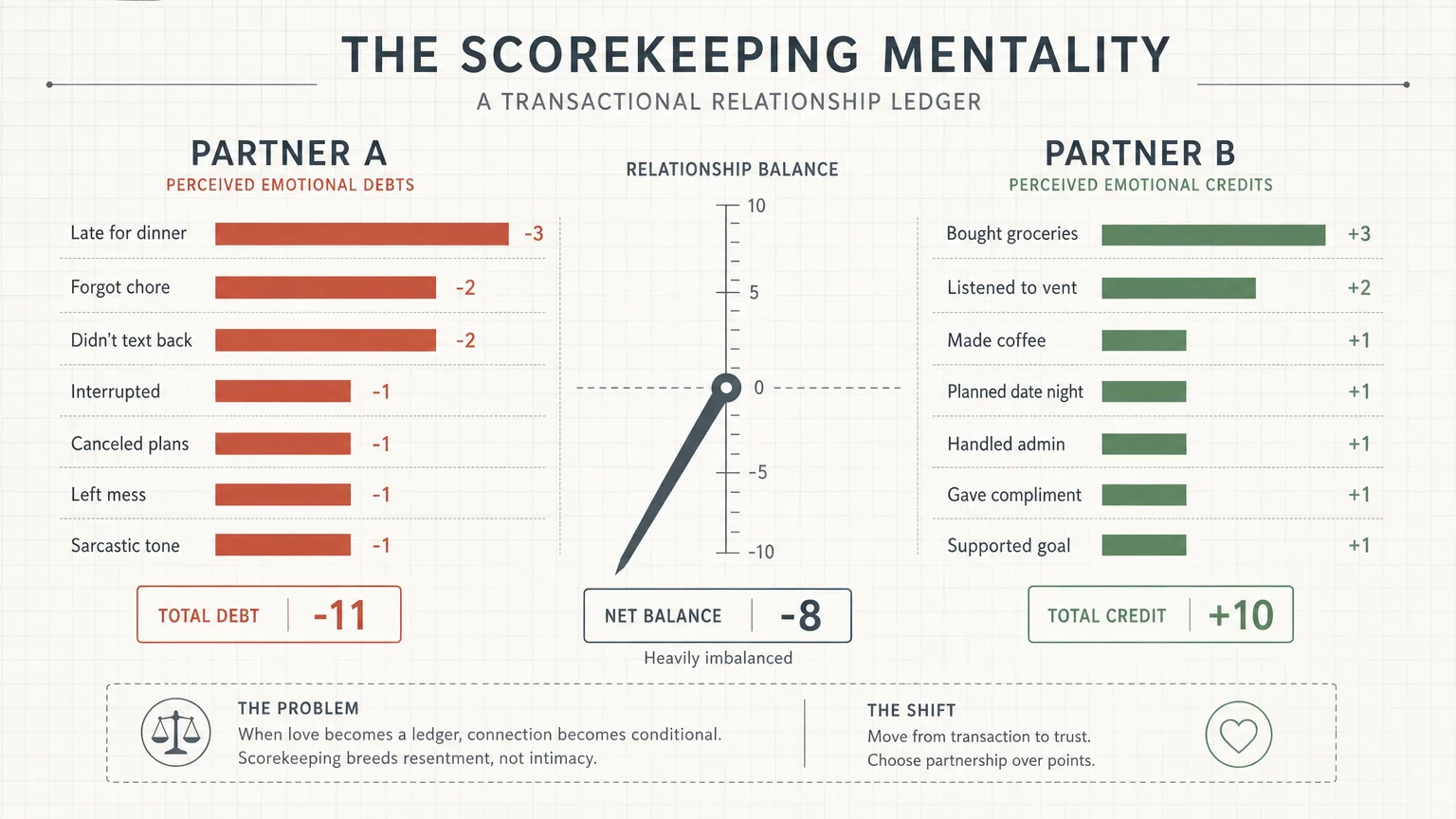
6. The “Scorekeeping” Mentality
Scorekeeping turns a relationship into a transactional ledger. It happens when you mentally log every favor you do, every compromise you make, and every mistake the other person commits—and then use that tally as leverage in future interactions.
Relationships thrive on a communal framework, where individuals give out of genuine care for the other person’s welfare. Transitioning into an exchange-based dynamic breeds resentment. If you are constantly saying, “I did the dishes three times this week, so you owe me,” you replace emotional connection with a business negotiation.
What to do instead: Address imbalances as unified problems rather than personal debts. Instead of keeping a tally, say, “I’ve been feeling a bit overwhelmed with household chores lately. Can we figure out a better way to divide them?”

7. Avoiding Vulnerability
Many people build emotional walls to protect themselves from judgment or rejection. They use sarcasm to deflect serious moments, refuse to admit when they are wrong, or hide their true feelings. While this keeps you “safe” from potential hurt, it also guarantees emotional isolation.
Human connection requires us to let our guard down. As researcher Brené Brown famously articulated, vulnerability is the core of meaningful interaction.
“Vulnerability is not winning or losing; it’s having the courage to show up and be seen when we have no control over the outcome.” — Brené Brown, PhD
What to do instead: Start small. Share a minor insecurity with a trusted friend, or admit to a mistake without making excuses. Authentic relationships are built on shared humanity, flaws and all.

8. Trauma Dumping Without Consent
While being vulnerable is crucial, there is a distinct line between healthy emotional sharing and “trauma dumping.” Trauma dumping involves spontaneously offloading intense, heavy, or distressing emotional material onto someone without checking if they have the mental capacity to receive it.
This behavior can overwhelm friends and partners, forcing them into the role of a therapist. It violates emotional boundaries and can trigger anxiety in the listener, eventually causing them to distance themselves to protect their own mental health.
What to do instead: Practice emotional pacing and ask for consent. Before diving into a heavy topic, ask, “I’m struggling with something pretty heavy right now. Do you have the bandwidth to listen?”

9. Defensive Listening
Defensive listening occurs when you listen to someone not to understand their perspective, but to find flaws in their argument and construct your rebuttal. When you listen defensively, you treat the conversation like a battlefield. You interrupt, cross-examine, and invalidate their experience to protect your own ego.
Pioneering psychologist Carl Rogers emphasized that true empathy requires stepping into the other person’s frame of reference. If you are constantly defending your intentions, you miss the impact your actions had on the other person.
What to do instead: Practice reflective listening. Before defending your actions, repeat back what you heard: “It sounds like you felt really dismissed when I made that comment. Am I understanding that right?”

10. Boundary Blurring
Pushing people away isn’t always about creating distance; sometimes it stems from being too close. Boundary blurring happens when you fail to respect where you end and the other person begins. This can manifest as enmeshment, giving unsolicited opinions on personal matters, showing up unannounced, or expecting someone to fulfill all your emotional needs.
Healthy relationships require oxygen. When you overstep personal boundaries, you create a suffocating dynamic that inevitably leads the other person to pull away to regain their sense of autonomy.
What to do instead: Learn to recognize and celebrate the boundaries of others. Accept the word “no” without taking it as a personal rejection, and cultivate your own distinct hobbies, friendships, and coping mechanisms.
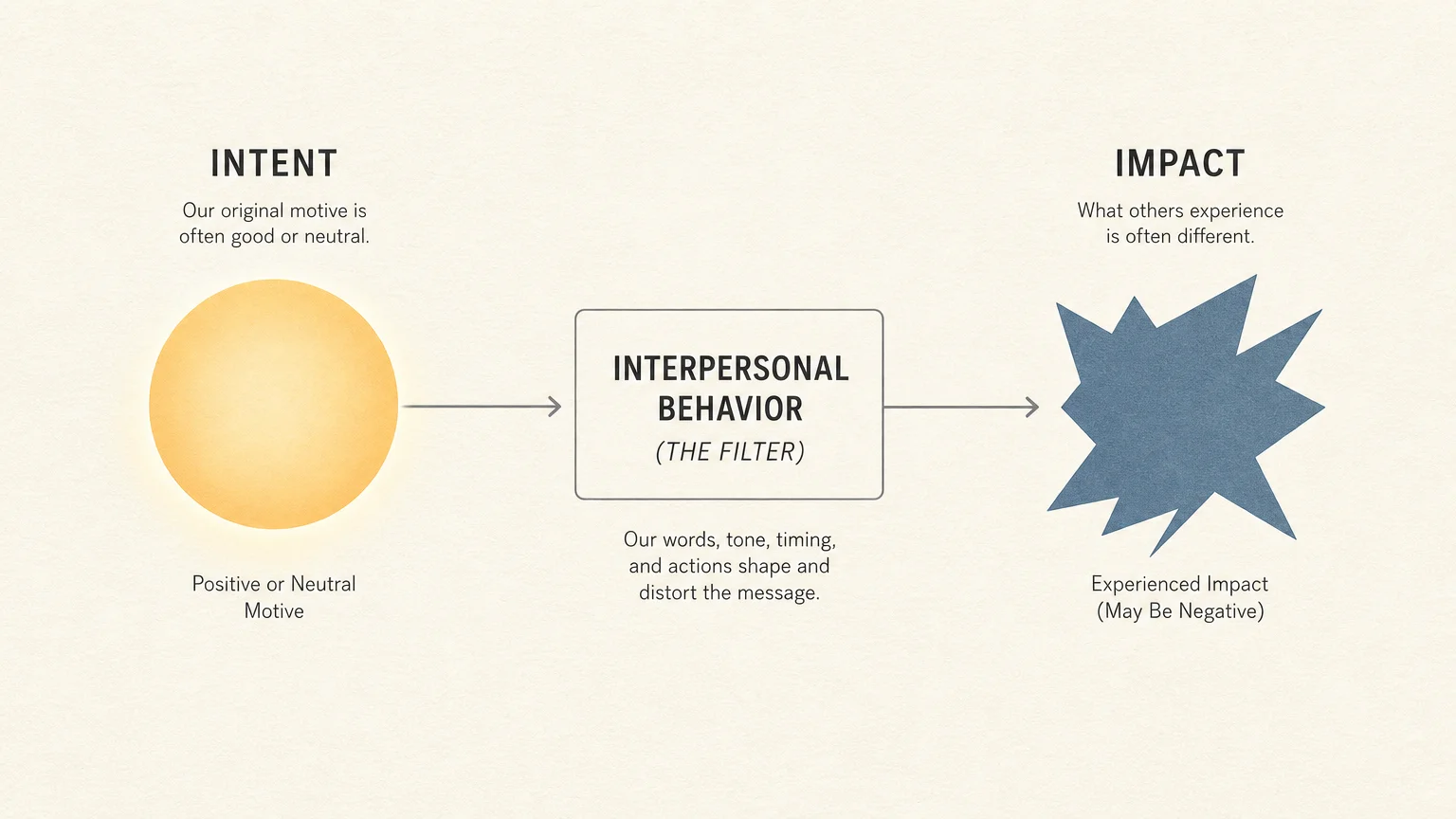
Patterns to Watch For: Intent vs. Impact
One of the most common misconceptions in interpersonal psychology is that good intentions neutralize bad behavior. You might not mean to invalidate your partner when you offer a logical solution, and you might not intend to make your friend feel ignored when you check your phone.
However, successful relationships require us to separate our intent from our impact. When someone points out a behavior that pushes them away, the natural reflex is to defend your character. Shifting your focus from “I didn’t mean to hurt you” to “I see that my actions hurt you” is a profound step in building emotional intelligence. Acknowledge the impact first; your intentions can be discussed once the emotional injury is repaired.
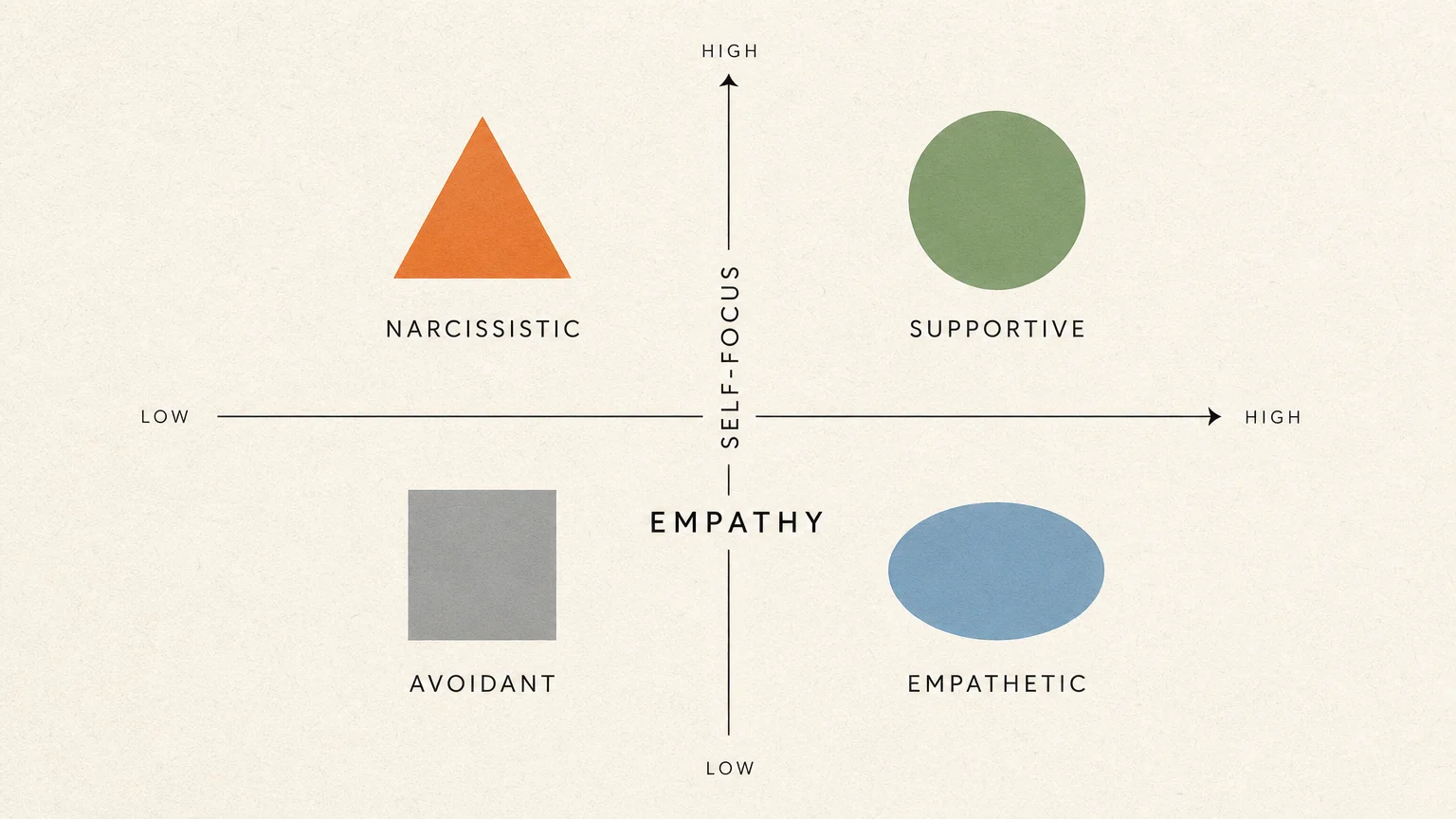
Impact of Communication Styles
To better conceptualize how these habits operate in daily life, consider how slight adjustments in communication can shift an interaction from alienating to connecting.
| Behavioral Trigger | Pushing Away (Alienating Habit) | Drawing In (Connecting Habit) |
|---|---|---|
| Your partner is upset about work. | “You just need to quit and find a new job.” (Unsolicited advice) | “That sounds incredibly stressful. I’m so sorry.” (Validation) |
| A friend shares a personal win. | “Oh yeah, I actually did something similar last year!” (Conversational Narcissism) | “That is amazing! How are you going to celebrate?” (Support-Response) |
| You feel overwhelmed during a fight. | Going silent, rolling your eyes, and leaving the room. (Stonewalling) | “I’m flooded right now. Let’s pause and talk in 30 minutes.” (Self-Advocacy) |
| Your phone buzzes during dinner. | Looking down and scrolling while nodding along. (Phubbing) | Leaving the phone in your pocket or face down out of reach. (Presence) |

When Self-Help Isn’t Enough
While developing self-awareness is a crucial first step, deeply ingrained relational habits often stem from past trauma, attachment wounds, or underlying mental health conditions. It may be time to seek professional support if you notice the following scenarios:
- Repeated Relationship Failures: You find yourself in a recurring cycle where friendships or romantic relationships end for the same stated reasons, despite your efforts to change.
- Severe Conflict Patterns: Your arguments consistently escalate into the “Four Horsemen” (criticism, contempt, defensiveness, and stonewalling), making repair attempts impossible.
- Trauma Responses: Your defensive listening or stonewalling is driven by intense physiological panic or PTSD triggers that you cannot regulate on your own.
- Extreme Empathy Gaps: You genuinely struggle to understand why your actions hurt others, or you find it exceptionally difficult to prioritize anyone else’s emotional needs.
A licensed therapist can help you identify your blind spots, process underlying attachment wounds, and provide evidence-based tools to rebuild interpersonal skills.
Moving Forward
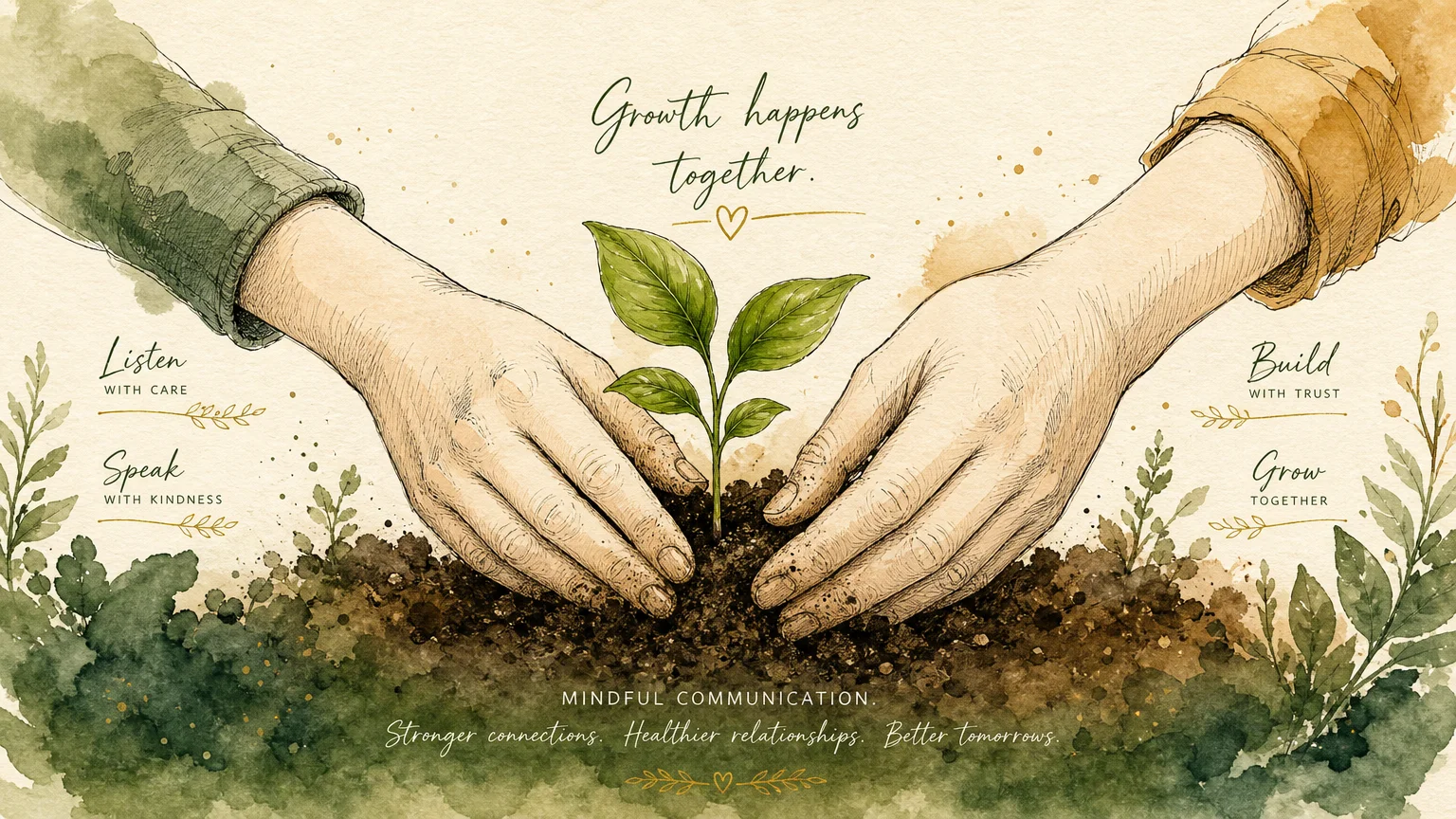
Changing how you interact with others is not about achieving social perfection. Everyone occasionally interrupts, checks their phone during a chat, or gives unsolicited advice. The goal is to build awareness of your default patterns and increase the frequency of your repairing behaviors.
When you catch yourself engaging in a habit that pushes people away, view it as an opportunity rather than a failure. A sincere apology and a mid-conversation course correction—“Actually, I just realized I made that story about myself. I want to hear more about your experience”—can build more trust than if you had communicated flawlessly from the start. Start with one behavior, practice it consistently, and watch how the emotional safety in your relationships begins to transform.
This article provides general educational information about psychology and relationships. It is not a substitute for professional therapy or medical advice. Everyone’s situation is unique—if you’re struggling, please reach out to a licensed mental health professional.
Frequently Asked Questions
Can relationship-sabotaging behaviors be unlearned?
Yes. Behaviors like defensive listening and stonewalling are often learned coping mechanisms. Through neuroplasticity and intentional practice—often aided by cognitive behavioral therapy (CBT) or couples counseling—individuals can rewire their responses and develop healthier communication habits.
How do I tell my partner they are pushing me away?
Use “I” statements that focus on how the behavior makes you feel rather than attacking their character. For example, instead of saying “You never listen to me,” try, “I feel disconnected when you check your phone while I’m sharing about my day.” This reduces defensiveness and opens the door for collaborative problem-solving.
Is stonewalling a form of emotional abuse?
While chronic, intentional stonewalling can be used as a manipulative tactic to punish or control a partner (often called the silent treatment), in many cases, stonewalling is an involuntary physiological response to being emotionally overwhelmed. The distinction lies in the intent and the willingness to repair the interaction once calm.
Helpful External Resources:
- The Gottman Institute – Evidence-based approaches to relationship health and conflict resolution.
- American Psychological Association: Relationships – Psychological research on human connection and social dynamics.
- National Institute of Mental Health (NIMH) – Resources for understanding trauma responses and emotion regulation.
Last updated: June 2026. Psychology research evolves continuously—verify current findings with professional sources.








Leave a Reply