

A routine visit home feels strangely cautious, leaving you tiptoeing around everyday subjects. Simple inquiries about doctor appointments, home repairs, or driving suddenly spark quiet defensiveness.
As family roles evolve, unspoken tension between aging parents and adult children frequently replaces open communication. Both generations often experience grief and anxiety, yet neither side openly names the underlying fear.
Recognizing these quiet relationship fractures helps you protect your connection before persistent silence hardens into emotional estrangement. Here is how to identify this hidden friction and restore mutual respect.
The Hidden Drivers of Aging Parent Relationships
Family tension rarely begins with a loud argument. Instead, it accumulates through subtle shifts in physical capability, emotional reliance, and personal independence.
Developmental psychologists refer to these shifting dynamics as “developmental schisms.” As adult children gain greater responsibility, their aging parents navigate gradual personal and physical losses.
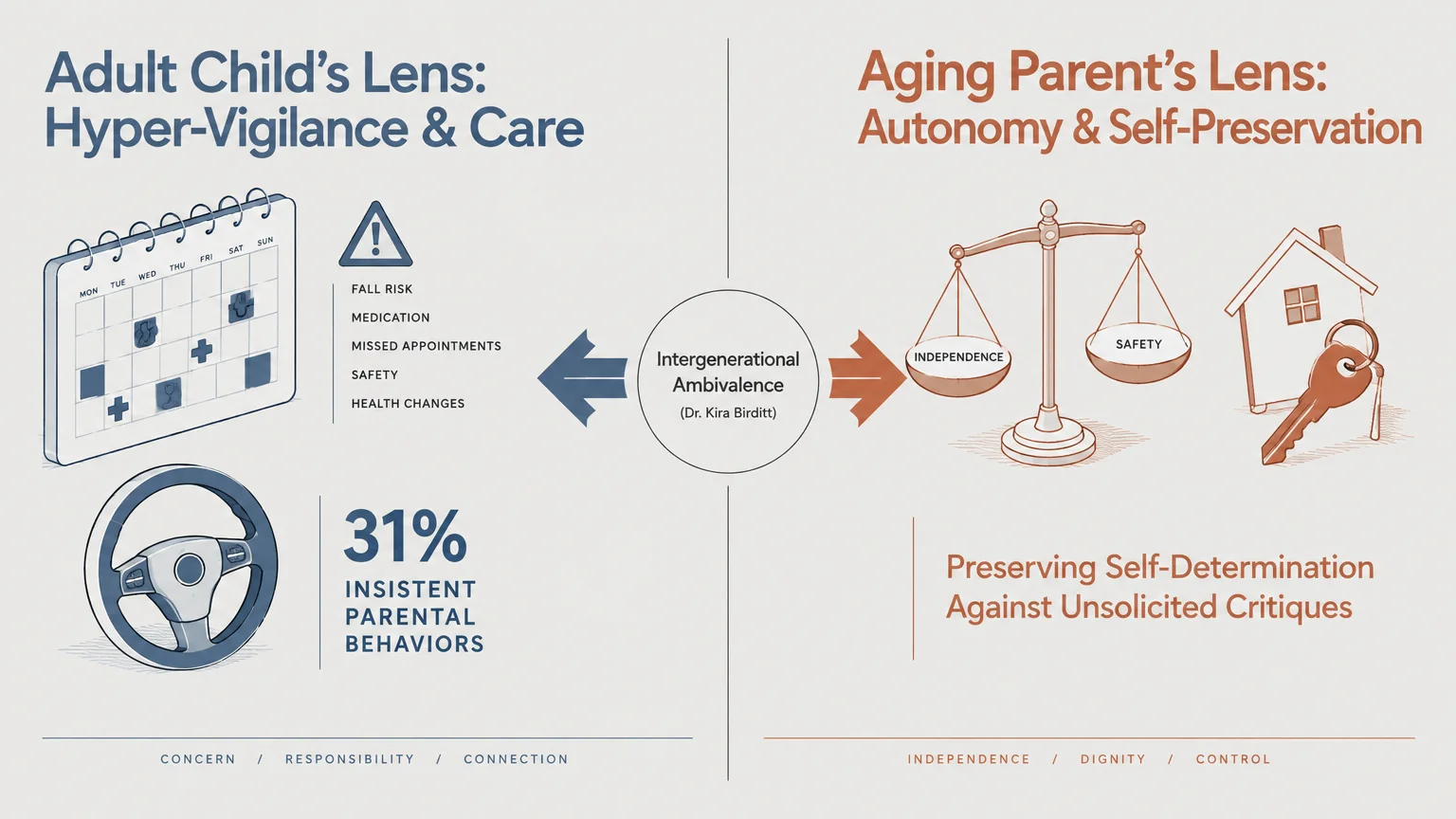
A study led by Dr. Kira Birditt in the Journal of Psychology and Aging demonstrates that intergenerational ambivalence is a normal developmental experience. Adult children worry about their parents’ health, while parents worry about unsolicited lifestyle critiques.
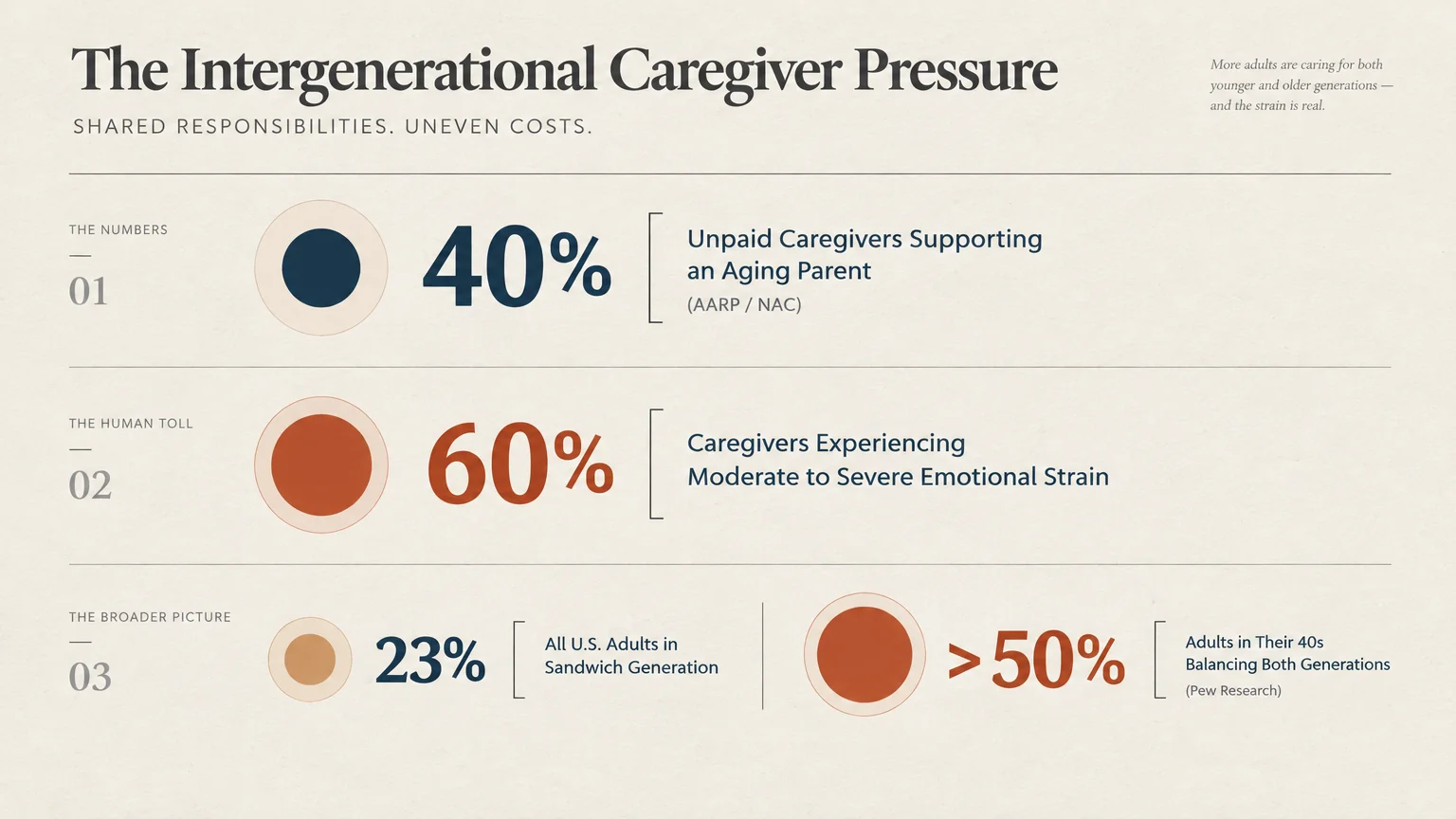
Caring for older relatives creates immense logistical and emotional pressure. According to a joint study by AARP and the National Alliance for Caregiving, 40% of unpaid family caregivers support an aging parent.
That same study found that over 60% of caregivers experience moderate to severe emotional strain. This relentless stress silently bleeds into casual conversations and weekly phone calls.
The “sandwich generation” faces even higher pressure points. Research from the Harvard Health Publishing network underscores how balancing aging parents alongside dependent children creates widespread psychological exhaustion.
Data from the Pew Research Center indicates that roughly 23% of American adults—and over 50% of adults in their 40s—simultaneously care for both generations. This dual responsibility rapidly drains patience and goodwill.
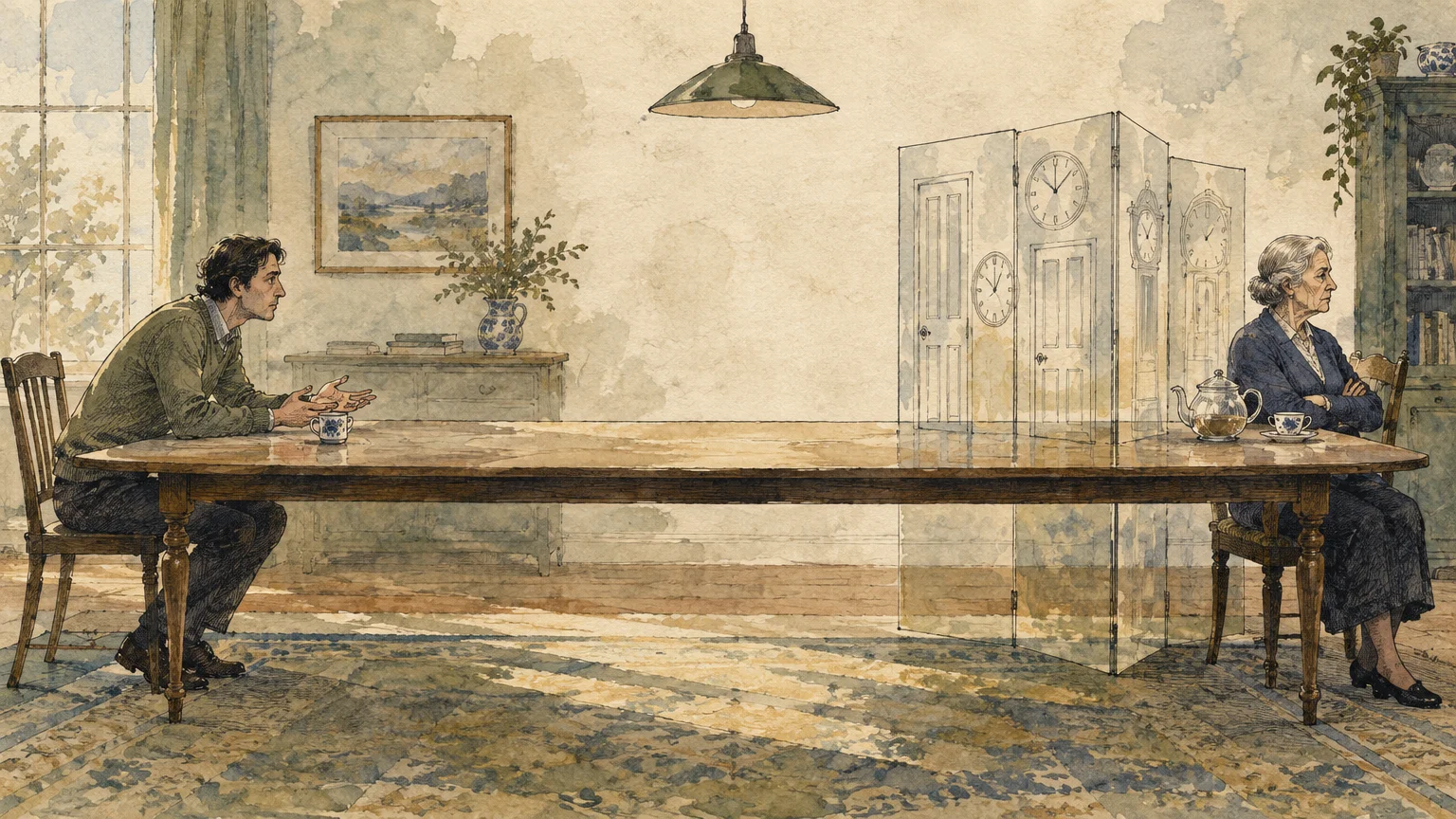
9 Signs of Unspoken Tension Between Aging Parents and Adult Children
Unspoken family tension manifests in predictable emotional habits. Identifying these behaviors early allows both parties to address the root causes before long-term resentment sets in.
1. Defensive Minimization (“Everything Is Fine”)
When you ask about daily routines or medical updates, your parent abruptly changes the subject. They offer vague, robotic assurances that everything is under control.
This dismissal rarely reflects reality; rather, it serves as a protective shield. Your parent may fear that sharing vulnerabilities will invite unwanted intervention or loss of agency.
2. The “Stubbornness” Shield (Hyper-Vigilant Autonomy Defense)
Adult children frequently complain that aging parents refuse sensible advice regarding mobility aids, home safety modifications, or driving. This dynamic often reads as stubborn defiance.
Research led by Dr. Allison Heid at Penn State and the University of Michigan challenges this narrative. The study found that 31% of adult children reported frequent “insistent” parental behaviors, while 17% noted risky decisions.
Rather than deliberate obstinacy, parents act this way to assert basic dignity. What looks like obstinance to an adult child is often an elder’s desperate attempt to preserve self-determination.
3. Conversational Superficiality and Guarded Responses
Your interactions may stay confined to the weather, local news, or benign neighborhood updates. Genuine emotional depth disappears from your weekly check-ins.
This surface-level interaction functions as an emotional demilitarized zone. Both sides tacitly agree to stay superficial because deeper topics feel emotionally perilous.
4. Indirect Triangulation
Instead of addressing an issue with you directly, your parent vents their frustrations to your sibling, an aunt, or a family friend. You hear about their grievances second-hand.
Triangulation reduces immediate anxiety for the parent, but it severely fractures trust. It allows unresolved grievances to fester without risking direct confrontation.
5. Disproportionate Irritation Over Micro-Decisions
A misplaced set of keys, a delayed grocery run, or an unwashed dish triggers a harsh, outsized reaction. The emotional intensity far outweighs the practical trigger.
These minor flare-ups act as release valves for deeper anxieties. The real issue is rarely the misplaced item; it is the terrifying reality of vulnerability and shifting family roles.
6. The Performance of Helplessness or Resentful Independence
Unspoken tension manifests at two extremes: exaggerated helplessness or complete refusal of necessary help. Both extremes function as silent relationship tests.
A parent who refuses minor assistance fears slipping into total dependence. Conversely, exaggerated dependence can be an unspoken plea for presence and companionship.
7. Covert Caregiver Resentment
If you manage bills, prescriptions, or transportation, you may notice internal feelings of bitter frustration. You might find yourself sighing audibly or feeling numb during care tasks.
The American Psychological Association (APA) notes that chronic caregiver stress often triggers guilt and unexpressed anger. Caregivers frequently suppress these feelings because admitting frustration feels shameful.
8. The Role-Reversal Chill and Infantilization
Adult children often slip into a parental tone, speaking to their aging parents as if managing a child. In response, parents withdraw emotionally into cold silence.
No adult wants to be parented by their own offspring. This conversational dynamic strips away self-worth and triggers immediate resentment on both sides.
9. Avoidance and Reluctance to Finalize Plans
Calls become shorter, texts go unreturned for days, and scheduling family gatherings feels like negotiating a contract. Both parties quietly postpone time together.
This physical and digital avoidance is a telltale sign of relational burnout. Distance becomes the easiest way to avoid walking on emotional eggshells.
“Stonewalling is not a lack of feeling; it is a defense against physiological and emotional overwhelm.” — Dr. John Gottman, Relationship Researcher and Co-Founder of The Gottman Institute
Generational Perspectives: Understanding Both Sides of the Tension
Resolving friction requires seeing the situation through both generational lenses. Misunderstandings multiply when neither side understands the other person’s baseline emotional reality.
| Issue | The Aging Parent’s Experience | The Adult Child’s Experience | Constructive Reframing |
|---|---|---|---|
| Driving Cessation | “Losing the car means losing my freedom, community, and adulthood.” | “I am terrified you will injure yourself or someone else on the road.” | Focus on mobility alternatives rather than immediate license surrender. |
| Home Modifications | “Installing grab bars makes my home look like an assisted living facility.” | “A single fall could end your ability to live independently.” | Frame adjustments as tools for prolonged independence, not signs of decline. |
| Unsolicited Advice | “I have decades of life experience; my child treats me like a novice.” | “I am exhausted and trying to prevent avoidable emergencies.” | Ask permission before giving solutions: “Would you like my input or just a listening ear?” |
| Communication Gaps | “My child only calls when they want to manage my schedule or tasks.” | “I have barely an hour to spare between work, kids, and caregiving.” | Schedule short, dedicated visits focused entirely on connection rather than tasks. |
What Can Go Wrong: The Cost of Chronic Silence
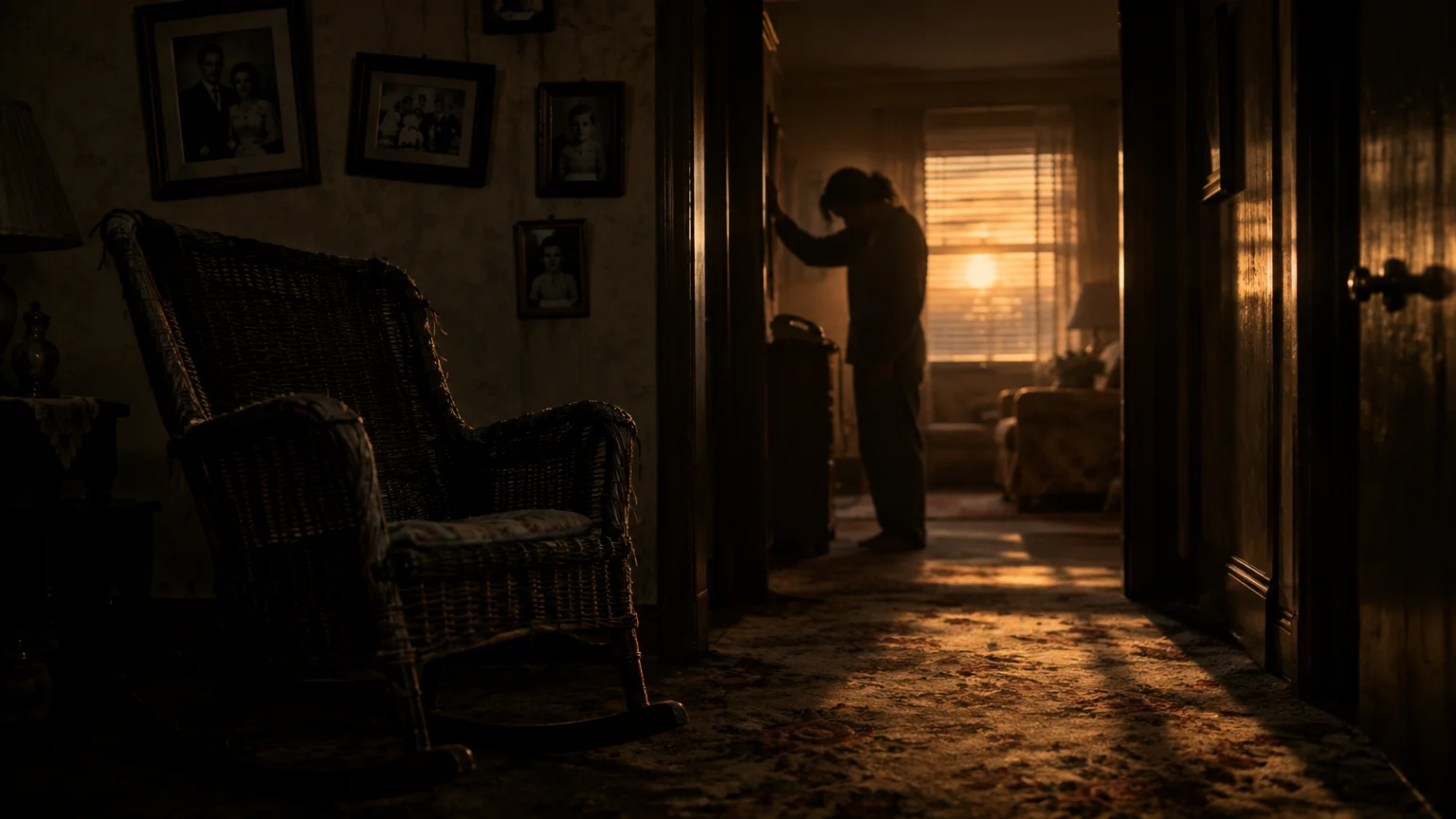
Ignoring unspoken family tension does not protect family harmony. In reality, sustained avoidance gradually poisons connection until sudden ruptures occur.
Dr. Karl Pillemer’s landmark Cornell Family Estrangement Study found that roughly 27% of American adults report being estranged from a relative. Approximately 10% experience a complete rift specifically with a parent or child.
These rifts rarely happen overnight. They stem from years of unresolved role transitions, boundary ambiguity, and suppressed resentment.
Chronic interpersonal strain also exacts a heavy toll on physical and emotional health. Sustained family conflict increases systemic inflammation, accelerates cognitive decline, and deepens depressive disorders in older adults.
For adult children, unresolved tension drives chronic burnout, anxiety, and profound guilt. Left unaddressed, you risk losing the remaining years of meaningful connection to silent defensiveness.

Actionable Steps to Neutralize Unspoken Family Friction
Defusing intergenerational tension requires intentional, structural shifts in how you interact. Try these evidence-based strategies from The Gottman Institute and family systems therapy:
- Validate the loss before suggesting solutions: Acknowledge how difficult lifestyle changes feel before offering logistical remedies. Say: “I realize giving up winter driving is frustrating, and I respect your desire for autonomy.”
- Separate logistics from genuine connection: Stop turning every interaction into a administrative review. Dedicate distinct visits purely to sharing meals, looking at old photographs, or watching sports together.
- Eliminate infantilizing directives: Replace command language (“You need to eat more protein”) with collaborative questions (“What sounds appetizing for lunch today?”).
- Establish emotional decompression zones: If you are providing hands-on care, utilize community respite programs. Stepping away preserves your emotional capacity to show up with warmth.
- Use a “softened startup” during sensitive topics: Avoid launching into hard discussions during transitions. Bring up concerns calmly during moments of low stress.

When to Seek Professional Support
Some interpersonal challenges exceed the tools of everyday conversation. In these moments, professional intervention offers an objective, emotionally safe container.
Consider engaging a licensed therapist, geriatric care manager, or mediator if you notice the following red flags:
- Suspected cognitive decline masked as conflict: Early-stage dementia frequently presents as irritability, suspicion, and severe personality changes rather than simple memory loss.
- Persistent caregiver exhaustion or depression: When caregiving responsibilities produce chronic insomnia, panic symptoms, or clinical depression, professional mental health support is vital.
- Escalating hostility and verbal abuse: If interactions consistently devolve into cruelty, manipulative guilt, or prolonged silent treatments, family therapy provides vital boundary structures.
- Acute safety crises and refusal of care: If an aging relative refuses basic medical care, hygiene routines, or safe living conditions, contact an eldercare coordinator or social worker.
Resources from the National Alliance on Mental Illness (NAMI) and local family support agencies can help you find specialized professionals who understand eldercare psychology.
Frequently Asked Questions
Why does my aging parent get angry when I try to help them?
Your assistance can feel like a direct threat to their self-worth. For an aging parent, accepting help often signals a painful loss of independence and competence.
How can adult children manage caregiver stress without feeling guilty?
Guilt is a standard caregiver emotion, but self-sacrifice eventually breeds quiet resentment. Setting clear boundaries and scheduling personal respite time ensures your care remains sustainable.
What is the difference between normal aging friction and toxic family dynamics?
Normal tension involves friction over evolving capabilities and safety. Toxic dynamics involve persistent manipulation, emotional blackmail, or intentional humiliation that persists across decades.
How do I talk to my parent about giving up driving without starting a fight?
Involve a neutral third party, such as their physician or a driving rehabilitation specialist. Focus the conversation on risk reduction and alternative transportation arrangements rather than their diminishing skills.
Navigating role reversals with aging parents requires exceptional patience, empathy, and personal boundaries. Focus on protecting the emotional relationship rather than controlling every logistical outcome.
This article provides general educational information about psychology and relationships. It is not a substitute for professional therapy or medical advice. Everyone’s situation is unique—if you’re struggling, please reach out to a licensed mental health professional.
Last updated: February 2026. Psychology research evolves continuously—verify current findings with professional sources.







Leave a Reply