

Leaving a primary career often leaves an unexpected emotional void, shifting your daily identity and social baseline overnight. Finding meaningful part time jobs retirees actually love can restore structured purpose, cognitive sharpness, and community connections without sacrificing your hard-earned freedom. Research from the Pew Research Center (2023) shows that 66% of workers aged 65 and older report high job satisfaction—outpacing every younger age cohort. Whether you want to mentor young professionals, preserve local parks, or support non-profits, purposeful work in retirement offers psychological vitality. By aligning your post-retirement hours with intrinsic values, you transform routine labor into a deeply rewarding chapter of personal growth.
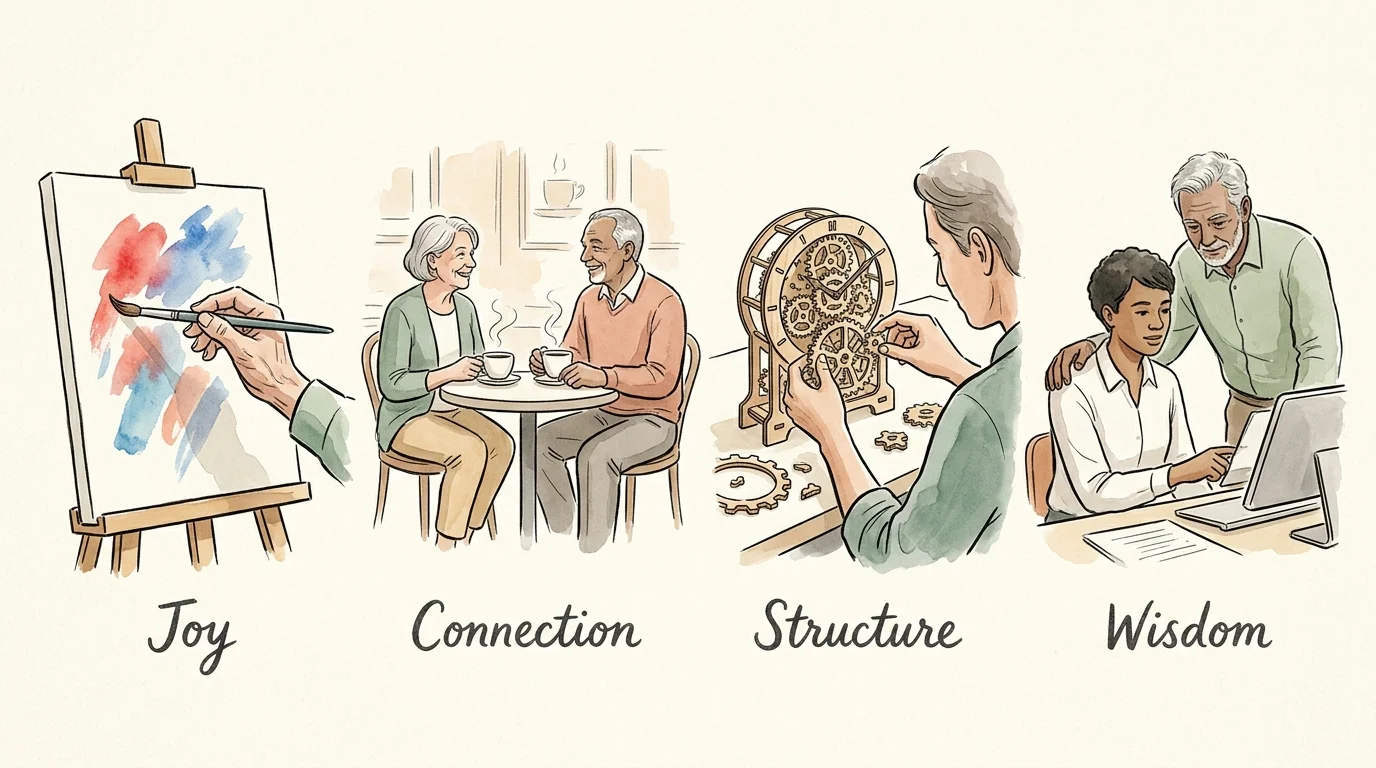
The Essentials: Key Insights on Post-Retirement Work
Before exploring specific roles, it helps to understand why certain part-time positions provide exceptional emotional satisfaction during your second act. The standard workplace dynamic changes significantly once financial survival stops being your primary motivator.
- Intrinsic Motivation Drives Joy: Choosing work based on personal passion rather than income requirements dramatically raises everyday job satisfaction.
- Social Connection Prevents Isolation: Regular interaction with colleagues, patrons, or students protects against loneliness and supports emotional resilience.
- Cognitive Health Thrives on Structure: Engaging in modest, regular challenges builds cognitive reserve and keeps core problem-solving skills sharp.
- Generativity Enhances Fulfillment: Sharing accumulated wisdom with younger generations generates deep psychological rewards and long-lasting personal meaning.
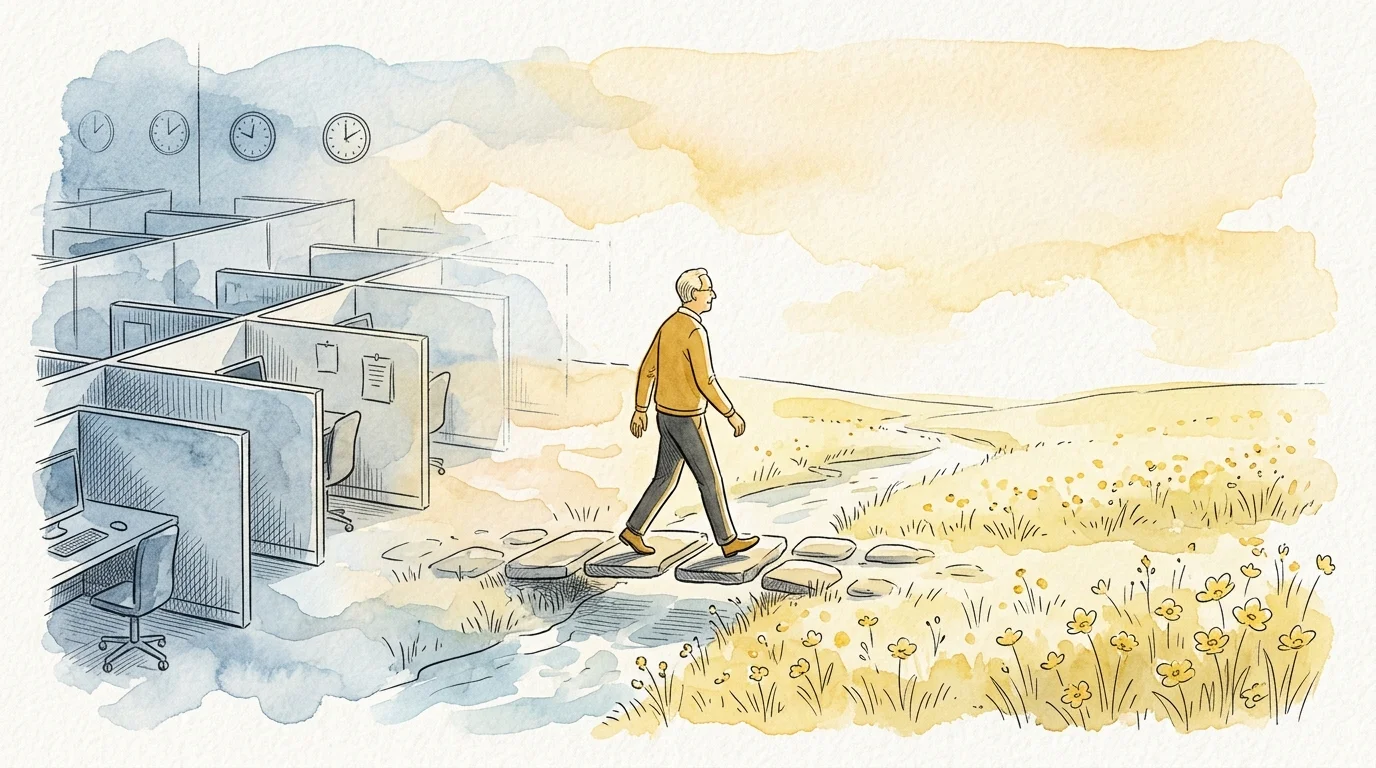
The Psychological Shift: Why Fulfilling Work Matters After Retirement
Transitioning out of full-time employment involves much more than updating a weekly schedule; it alters your fundamental relationship with identity, daily rhythm, and social belonging. For decades, professional responsibilities provided an automatic blueprint for your mornings, personal relationships, and sense of personal value. When that blueprint suddenly disappears, many adults experience a disorienting loss of direction, sometimes described by psychologists as “retirement shock.”
Data highlights a growing trend of older adults returning to work on their own terms. According to the Pew Research Center (2023), roughly 19% of Americans aged 65 and older were employed in 2023—nearly double the labor participation rate recorded in 1987. Furthermore, the U.S. Bureau of Labor Statistics projects that adults over 65 will remain the fastest-growing demographic segment of the workforce through the coming decade. While financial considerations prompt some individuals to work, major studies from T. Rowe Price and AARP (2023) reveal that non-financial motivators—such as staying mentally active, building social connections, and finding renewed purpose—are driving forces behind this shift.
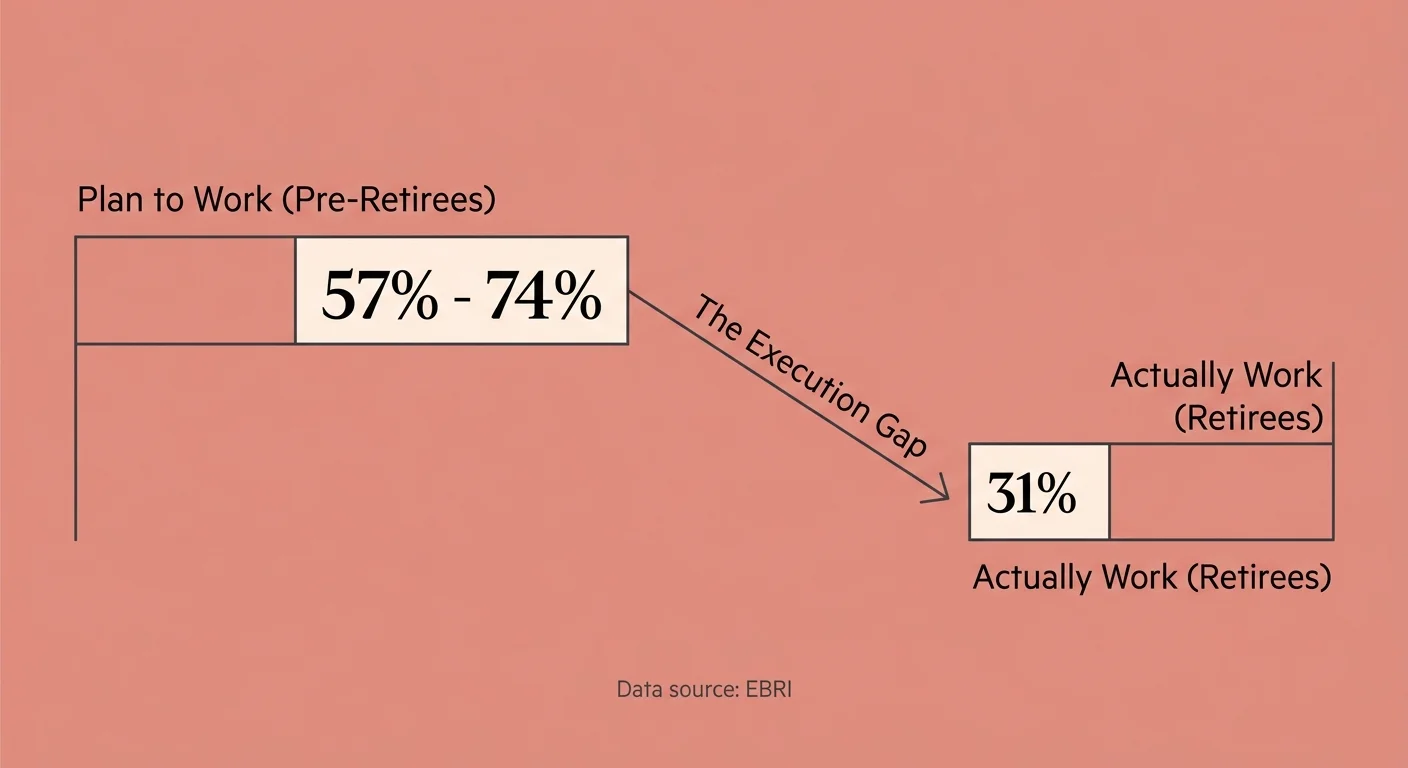
Interestingly, a gap often exists between intentions and execution. Studies from the Employee Benefit Research Institute (2024–2026) show that while 57% to 74% of pre-retirees plan to pursue part-time employment, only about 31% of actual retirees maintain active jobs. Closing this gap requires shifting from passive job hunting to intentionally targeting jobs with purpose for seniors that honor your energy levels and physical limits.
Psychological health in later adulthood relies heavily on maintaining a sense of agency. Research published by the Harvard Health initiative indicates that regular intellectual engagement and structured social ties significantly reduce risk factors associated with cognitive decline and depression. When you engage in meaningful work after retirement, you protect your cognitive flexibility while building a vibrant daily routine.
“Those who have a ‘why’ to live, can bear almost any ‘how’.” — Viktor E. Frankl, Neurologist, Psychiatrist, and Author

Top Categories of Meaningful Part-Time Jobs for Retirees
Finding fulfilling work in retirement depends on identifying tasks that resonate with your personal strengths and life story. Retirees across the country consistently highlight five core employment areas as providing the highest sense of accomplishment and emotional satisfaction.
1. Mentorship, Education, and Youth Development
If you enjoy sharing knowledge and encouraging personal growth in others, educational environments offer deeply gratifying opportunities. Developmental psychologist Erik Erikson highlighted “generativity”—the adult drive to mentor and guide the next generation—as a cornerstone of healthy psychological aging.
- Adjunct Community College Instructor: Teach one or two specialized courses in your field without the administrative overhead of tenure-track roles.
- High School or Elementary Literacy Tutor: Help students overcome learning hurdles in localized school programs or non-profit reading centers.
- English as a Second Language (ESL) Coach: Assist immigrants and adult learners in developing conversational English skills to help them thrive in local communities.
- Youth Sports Coach or Mentor: Guide young athletes in developing teamwork, emotional discipline, and athletic skills through community recreational programs.
2. Non-Profit Support and Community Advocacy
Working for a mission-driven organization translates daily effort into visible community improvements. Non-profit positions allow you to redirect hard-earned project management, organization, or communication skills toward causes you care about deeply.
- Community Outreach Coordinator: Connect local residents with critical social services, food pantries, or housing initiatives.
- Grant Writing Assistant: Use clear writing and organizational skills to research and secure vital funding for charitable organizations.
- Volunteer Manager: Organize and encourage volunteer groups for regional charity initiatives, community gardens, or animal shelters.
- Event Planning Assistant: Coordinate fundraising galas, charity walks, and educational workshops for local non-profits.
3. Environmental, Botanical, and Cultural Preservation
Connecting with nature or rich cultural history offers a grounding, low-stress environment. Many retirees find that positions spending time outdoors or surrounded by art and history promote calm emotional states while nurturing lifelong interests.
- National or State Park Docent: Share environmental insights, guide visitors along scenic trails, and support conservation outreach efforts.
- Botanical Garden Specialist: Care for plant collections, assist nursery visitors, and teach workshops on sustainable home gardening.
- Historical Society Guide: Lead historical walking tours and deliver stories that bring local history alive for tourists and school groups.
- Museum Experience Host: Facilitate guest interactive exhibits and answer questions in specialized art, science, or local history museums.
4. Healthcare Support and Patient Advocacy
Empathetic individuals often find deep satisfaction in healthcare support roles that do not require clinical licenses. These positions focus on patient comfort, clear communication, and emotional support during challenging moments.
- Hospital Patient Navigator: Welcome patients, explain facility routines, and help families navigate complex medical spaces with calm clarity.
- Hospice Companion: Offer peaceful presence, light conversation, or quiet support to patients and families during end-of-life care.
- Senior Peer Counselor: Use structured active listening skills to help fellow seniors process life transitions, grief, or social isolation.
- Wellness Class Leader: Teach low-impact movement classes like tai chi, gentle yoga, or water aerobics at local community centers.
5. Artisan, Creative, and Community Retail Roles
Small-scale local retail environments focused on specialized crafts, literature, or artisan goods offer structured social contact without the intense sales pressure found in large corporate environments.
- Independent Bookstore Associate: Recommend favorite titles, organize literary events, and converse with fellow avid readers.
- Craft Workshop Instructor: Teach specialized hands-on skills such as woodworking, pottery, knitting, or watercolor painting.
- Artisan Studio Manager: Support local painters or sculptors by organizing gallery displays, managing inventory, and greeting visitors.
- Community Library Assistant: Help catalog materials, lead storybook hours, and manage local community learning spaces.
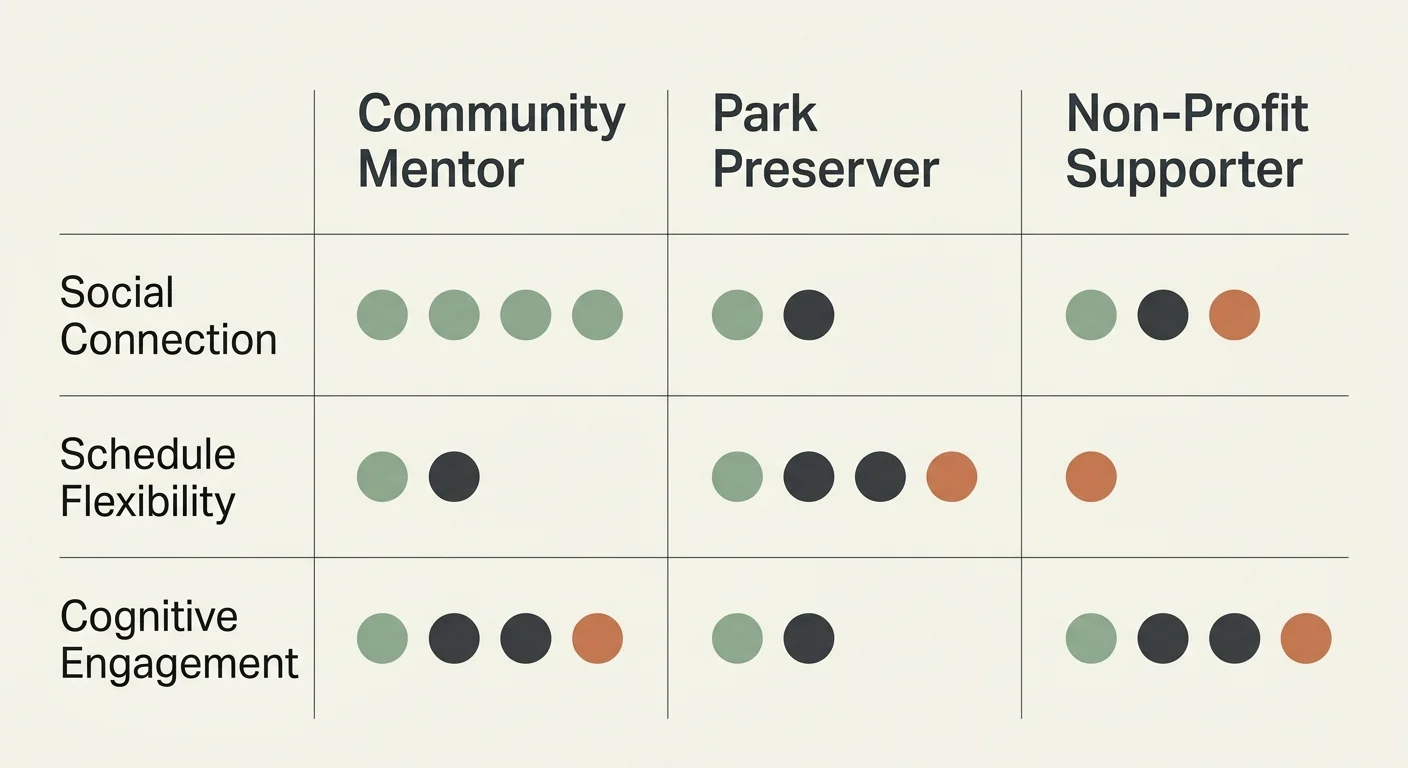
Comparing Meaningful Post-Retirement Roles
Evaluating potential positions requires balancing psychological rewards against energy expenditures and required time commitments. The table below outlines key dimensions across major job categories to help you select purposeful work in retirement that matches your lifestyle priorities.
| Job Category | Primary Psychological Benefit | Typical Weekly Hours | Social Interaction Level | Schedule Flexibility |
|---|---|---|---|---|
| Education & Mentorship | Generativity & intellectual vitality | 5 – 15 hours | High (group settings) | Moderate (fixed course times) |
| Non-Profit Advocacy | Altruistic purpose & agency | 10 – 20 hours | Moderate to High | High (flexible project deadlines) |
| Nature & Cultural Preservation | Stress reduction & physical movement | 8 – 16 hours | Moderate (visitor-focused) | High (seasonal or shift-based) |
| Healthcare Support | Deep emotional connection & empathy | 6 – 12 hours | High (one-on-one focused) | Moderate (scheduled visitor slots) |
| Creative & Artisan Retail | Creative expression & light socialization | 10 – 20 hours | Moderate (casual patronage) | Moderate (set shift hours) |
Patterns to Watch For: Common Misconceptions About Retirement Work
Pursuing work in your sixties, seventies, or beyond requires a different mental approach than managing mid-career ladder climbing. Unrealistic expectations or falling back into old habits can transform an intended source of joy into a source of stress. Watch for these common misunderstandings when exploring meaningful part time jobs retirees frequently pursue.
Misconception 1: “I must remain in my former industry to stay useful.”
Many retirees assume their past job title dictates their future options. In reality, core skills like organization, emotional intelligence, and crisis resolution transfer effortlessly into entirely new domains. Leaving your former industry behind often releases lingering professional stress and invites fresh intellectual growth.
Misconception 2: “Working part-time in retirement means I failed financially.”
Societal conditioning often links employment exclusively to financial necessity. However, clinical perspective shows that returning to work often reflects psychological wisdom rather than financial distress. Choosing to stay active signals a healthy desire for structure, connection, and purposeful engagement.
Misconception 3: “Any part-time job will bring fulfillment.”
Taking a job simply to fill calendar hours can quickly lead to boredom or emotional burnout. Positions with high workplace friction, chaotic management, or repetitive manual tasks without clear value rarely offer true fulfillment. Ensure the company culture respects your personal experience and boundaries.
Misconception 4: “I need to work significant hours for it to be meaningful.”
A job does not require a 20-hour weekly commitment to yield real mental health benefits. Research consistently indicates that even four to eight hours of targeted, high-meaning work per week can offer the cognitive spark and social connection you need while preserving time for leisure.

How to Identify Your Personal “Purpose Profile”
To pinpoint the ideal position, consider conducting an honest personal audit. Rather than looking solely at job listings, evaluate how potential activities affect your daily emotional and physical energy.
- Audit Your Energy Drivers: Reflect on moments during your career or personal life when you felt most energized. Did fulfillment come from solving complex technical challenges, comforting someone through a tough stretch, organizing chaotic schedules, or working with your hands outdoors?
- Set Firm Boundary Constraints: Define your non-negotiables before filling out applications. Determine the maximum hours you wish to work each week, how far you are willing to commute, and whether standing or walking for long periods fits your physical comfort.
- Map Roles to Core Personal Values: Align candidate jobs with what matters most to you today. If environmental sustainability is a priority, focus on botanical or park positions. If youth development brings you joy, prioritize educational environments.
- Test Options with Low-Risk Micro-Roles: Try volunteering or taking seasonal short-term roles before accepting permanent part-time positions. Short test runs help you evaluate company culture and physical demands without long-term commitments.
Resource platforms at the American Psychological Association offer helpful self-assessment models for navigating major career transitions, emphasizing that personal values should remain your primary compass during late-life career shifts.

When Work in Retirement Feels Overwhelming
If post-retirement work starts causing anxiety, physical exhaustion, or frustration, pause and reevaluate your commitment. Retirement is meant to be a chapter characterized by personal choice and self-care; work should enrich your life, not diminish your overall well-being.
Consider stepping back or consulting a qualified professional if you encounter any of these situation signals:
- Work responsibilities trigger persistent fatigue, sleep disruptions, or bodily physical strain.
- Employer demands infringe upon carefully planned family time, rest, or essential personal travel routines.
- The work culture feels punitive, aggressive, or unappreciative of your contributions.
- You experience lingering grief or anxiety related to leaving your previous career that simple schedule adjustments do not resolve.
Therapists specializing in life transitions can help you process shifts in personal identity, establish firm boundaries with employers, and build a daily schedule that blends purposeful effort with restorative rest. You can find guidance on stress management techniques and counseling options through the Verywell Mind directory or similar evidence-backed resources.
Frequently Asked Questions
How many hours a week should a retiree work in a part-time job?
Most retirees find that working between 8 and 15 hours per week hits the psychological sweet spot. This range offers sufficient structure and social contact while protecting ample time for family, hobbies, and relaxation. Individual preferences vary, so start small and scale up slowly if desired.
Can I work part-time without negatively impacting my Social Security benefits?
If you have reached your full retirement age (FRA), you can earn any amount from working without reducing your Social Security benefits. If you are under your FRA, earnings above specific annual limits may temporarily reduce your monthly payments. Check official Social Security guidelines or consult a financial planner to evaluate your specific situation.
How do I address age gap concerns when applying for part-time jobs?
Focus your application on emotional maturity, dependability, clear communication skills, and real-world problem-solving experience. Frame your age as a strength that brings reliability and composure to the workplace. Seek out employers and non-profits that explicitly values cross-generational teams.
What if I start a job and realize it is not a good fit for me?
Remember that you hold the agency in this professional stage. Give appropriate professional notice, thank the employer for the opportunity, and re-examine your “Purpose Profile.” Treat the experience as useful data that guides your next decision rather than a personal failure.
Moving Forward with Intention
Reinventing your relationship with work during retirement gives you a rare opportunity to rewrite your daily story. By stepping away from old performance pressure and stepping into roles rooted in personal meaning, you can turn a part-time job into a rich source of health, connection, and joy.
Take time to explore your options slowly. Talk with local non-profits, drop by neighborhood institutions, and listen to what your own internal compass tells you. Pursuing purposeful engagement on your own terms remains one of the most effective ways to nurture your health and enjoy a truly satisfying retirement.
The information in this article is meant for educational purposes and general guidance. It does not replace individual therapy, counseling, or medical treatment. If you or someone you know is in crisis, contact the 988 Suicide & Crisis Lifeline by calling or texting 988.
Last updated: February 2026. Psychology research evolves continuously—verify current findings with professional sources.









Leave a Reply