Psychology Diary

The First Step Toward Change Is Awareness

  • Home
  • Relationships
  • Mental Health
  • Expert Tips
  • Life
  • Family
  • Marriage

The Science of Happiness: 7 Simple Habits to Boost Your Joy in Retirement

August 31, 2025 · Life

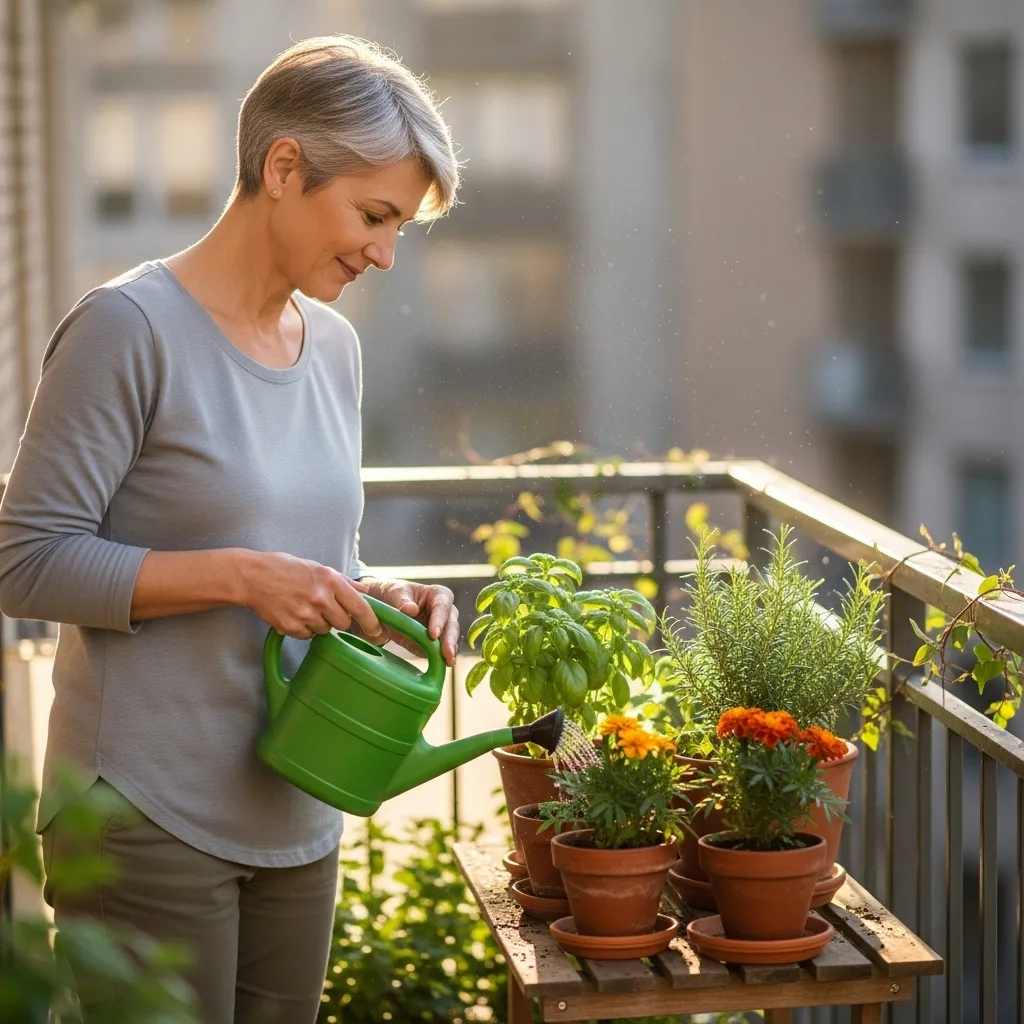
Woman watering plants on sunny balcony.

A Final Word on Your Journey to Joy

Your retirement is a unique and personal chapter of your life, one that you have the power to shape. Happiness is not a passive state you arrive at, but an active process of cultivation. It is built in the small moments: the grateful thought before you sleep, the 10-minute walk in the sunshine, the brave and kind boundary you set with a loved one, the curiosity that leads you to open a new book.

These seven habits are not a rigid prescription. They are an invitation. They are tools grounded in science and offered with compassion to help you build a retirement lifestyle rich with meaning, connection, and authentic joy. Be patient with the process. Be kind to yourself. And know that the effort you put into your own well-being is the greatest gift you can give to yourself and to the family you love.

Your next step is simple: Choose just one habit from this list that feels the most accessible or appealing to you right now. Commit to practicing it, in a small way, for the next seven days. Notice how it feels. At the end of the week, you can decide to continue with it, or you can choose another to explore. This is your journey. Enjoy the discovery.

This article is for informational purposes only and does not constitute medical, psychological, legal, or financial advice. The content is not intended to be a substitute for professional advice, diagnosis, or treatment. Always seek the advice of a qualified health provider with any questions you may have regarding a medical or mental health condition. If you or someone you know is in immediate danger or considering self-harm, please call your local emergency services. In the U.S., you can connect with people who can support you by calling or texting 988 anytime to reach the 988 Suicide & Crisis Lifeline. If you are experiencing intimate partner violence, you can find help and resources at the National Domestic Violence Hotline.

Pages: 1 2 3 4 5 6 7 8 9 10 11 12

Share this article

Facebook Twitter Pinterest LinkedIn Email

One response to “The Science of Happiness: 7 Simple Habits to Boost Your Joy in Retirement”

  1. Cheryl Zaouk says:
    February 17, 2026 at 10:18 am

    Good 👍 advice

    Reply

Leave a Reply Cancel reply

Your email address will not be published. Required fields are marked *

Search

Latest Posts

  • An ink and watercolor illustration of a parent at a table, looking at a phone from which a thorny vine grows. 10 Hidden Signs Your Adult Child Is Toxic
  • A conceptual paper collage showing a silhouette framed by overlapping paper layers, symbolizing a shrinking world. 10 Signs Your Spouse Is Controlling You
  • An adult in a knit sweater sits on a window sill on a gray day, looking out over a misty city with a steaming mug. 10 Subtle Signs You're Just Existing, Not Truly Living
  • Editorial illustration of a person surrounded by a protective warm watercolor aura, deflecting dark droplets on textured paper. 10 Common Psychological Defense Mechanisms - Which One Do You Use?
  • A mixed-media collage silhouette of a person made from torn paper, charcoal sketches, and ink washes, representing fragmented self-trust. 9 Signs of an Emotionally Abusive Relationship
  • A mixed media collage of a human silhouette with layered torn paper in indigo and gold, symbolizing trapped physical energy and healing. 10 Signs Your Body is Holding Trauma
  • An illustration of an adult walking forward, casting a shadow that reveals a towering parental figure behind them. 10 Signs You Were Raised by a Narcissist
  • An editorial gouache illustration of a woman's profile transitioning from concrete architecture to elegant fashion lines. Who Was Melania Before She Met Donald Trump? (A Psychological Portrait)
  • An ink and watercolor illustration of a person holding a large ceramic vase with glowing gold cracks, symbolizing hidden internal pressure. The Psychology of the Person Who Is Always Fine Until They Absolutely Aren't
  • A woman sits in a sunlit home library, looking thoughtfully out a window with an open book on her lap. 12 Signs of a High IQ

Newsletter

Get the latest posts delivered to your inbox.

Related Articles

narcissistic personality disorder

Identifying Narcissists: Blink and You’ll Miss These 10 Subtle Signs

How easy is it to recognize a narcissistic personality disorder in a person? Narcissism has…

Read More →
fake people, mind games

Watch Out! 8 Shocking Habits That Fake People Share

Watch out! There are many fake people out there and you need to protect your…

Read More →

These 5 Money Issues Can Bring Trouble In ANY Relationship

How often are you and your partner confronted with money issues? Whether we want to…

Read More →
things

Seniors Only: 8 Things You Should Stop After 60

8. Stop stressing so much Stress has a major impact on your mental and physical…

Read More →

15 Unmistakable Signs You’re Falling In Love

You no longer think about your ex Remember that ex you used to be stuck…

Read More →
habits, relationship breakup

22 Amazing Everyday Habits That Will Help You Look Younger

We wish there would be a magic trick to instantly make you look younger, but…

Read More →
Living Alone

6 Smart Tips on Adjusting to Living Alone as a Senior

Don’t Be Afraid to Ask for Help We know how hard living alone at 55…

Read More →
Putin

Uncomfortable Similarities: 5 Ways Putin Can Be Compared With Hitler

Unethical? Neither Men Has Issues With Seeing Their Own People Suffer When 1945 came around,…

Read More →
Dementia

10 Things That Nearly Double Your Risk of Dementia

Dementia is one of those conditions we all fear, but just a few truly understand…

Read More →

Psychology Diary

The First Step Toward Change Is Awareness

Inedit Agency S.R.L.
Bucharest, Romania

contact@psychologydiary.com

Explore

  • About Us
  • Advertiser Disclosure
  • Contact Us
  • Disclaimer
  • Do not sell my personal information
  • Editorial Policy
  • Frequently Asked Questions
  • Privacy Policy
  • Terms and Conditions
  • Subscribe
  • Unsubscribe

Categories

  • Expert Tips
  • Family
  • Life
  • Marriage
  • Mental Health

© 2026 Psychology Diary. All rights reserved.