Psychology Diary

The First Step Toward Change Is Awareness

  • Home
  • Relationships
  • Mental Health
  • Expert Tips
  • Life
  • Family
  • Marriage

The Science of Happiness: 7 Simple Habits to Boost Your Joy in Retirement

August 31, 2025 · Life

Smiling woman using laptop for online learning at home.

Putting It All Together: Your Weekly Happiness Plan

Seeing all seven habits at once can feel overwhelming. The key is to integrate them into your life gently and sustainably. Think of it as a weekly rhythm, not a rigid checklist. You might design a week that looks something like this:

On Monday, you could focus on gratitude by taking five minutes in the evening to jot down three good things. On Tuesday, nurture social connection by scheduling that 20-minute call with your sister. Wednesday might be your lifelong learning day, where you spend an hour on your online history course. On Thursday, you get your gentle movement in with a long walk through the park. Friday is a great day to reflect on your purpose, perhaps by making a call to a local charity you’re interested in. Over the weekend, you can practice mindful presence while enjoying a meal with family and hold your healthy boundaries in mind during conversations.

Another powerful tool for family life is the brief, low-pressure **family meeting**. This isn’t a formal, tense affair. It’s a 15-minute weekly check-in with your partner or even a scheduled call with adult children to improve communication. A simple agenda might be:

1. Appreciations: Start by sharing one thing you appreciate about the other person from the past week.
2. Coordination: What’s on the calendar for the week ahead? Do we need to coordinate any plans or appointments?
3. Support: Is there one thing I can do to make your week a little easier?

This simple structure, borrowed from family therapy practices, can preempt misunderstandings and build a consistent habit of positive communication. It creates a dedicated space to connect, reducing the chance that important conversations get lost in the shuffle of daily life.

Remember, the goal is progress, not perfection. If you have a week where you only manage one habit, that is a success. Be compassionate with yourself. This is a practice for the rest of your life, not a race.


Pages: 1 2 3 4 5 6 7 8 9 10 11 12

Share this article

Facebook Twitter Pinterest LinkedIn Email

One response to “The Science of Happiness: 7 Simple Habits to Boost Your Joy in Retirement”

  1. Cheryl Zaouk says:
    February 17, 2026 at 10:18 am

    Good 👍 advice

    Reply

Leave a Reply Cancel reply

Your email address will not be published. Required fields are marked *

Search

Latest Posts

  • An ink and watercolor illustration of a parent at a table, looking at a phone from which a thorny vine grows. 10 Hidden Signs Your Adult Child Is Toxic
  • A conceptual paper collage showing a silhouette framed by overlapping paper layers, symbolizing a shrinking world. 10 Signs Your Spouse Is Controlling You
  • An adult in a knit sweater sits on a window sill on a gray day, looking out over a misty city with a steaming mug. 10 Subtle Signs You're Just Existing, Not Truly Living
  • Editorial illustration of a person surrounded by a protective warm watercolor aura, deflecting dark droplets on textured paper. 10 Common Psychological Defense Mechanisms - Which One Do You Use?
  • A mixed-media collage silhouette of a person made from torn paper, charcoal sketches, and ink washes, representing fragmented self-trust. 9 Signs of an Emotionally Abusive Relationship
  • A mixed media collage of a human silhouette with layered torn paper in indigo and gold, symbolizing trapped physical energy and healing. 10 Signs Your Body is Holding Trauma
  • An illustration of an adult walking forward, casting a shadow that reveals a towering parental figure behind them. 10 Signs You Were Raised by a Narcissist
  • An editorial gouache illustration of a woman's profile transitioning from concrete architecture to elegant fashion lines. Who Was Melania Before She Met Donald Trump? (A Psychological Portrait)
  • An ink and watercolor illustration of a person holding a large ceramic vase with glowing gold cracks, symbolizing hidden internal pressure. The Psychology of the Person Who Is Always Fine Until They Absolutely Aren't
  • A woman sits in a sunlit home library, looking thoughtfully out a window with an open book on her lap. 12 Signs of a High IQ

Newsletter

Get the latest posts delivered to your inbox.

Related Articles

holidays alone

12 Ways to Enjoy the Holidays by Yourself

Let’s set something straight: being alone for the holidays doesn’t necessarily mean you are unloved…

Read More →

15 Signs You’re In A One-Sided Friendship

Maybe not all your friendships are as good as they seem to be… Friendships are…

Read More →

10 Signs Your Partner Is Lying to You, According to Studies

Let’s face it, we all tell little white lies once in a while, and some…

Read More →

4 Reasons Why We Keep Electing Narcissists and Sociopaths

It isn’t common for narcissists and sociopaths to rule the world… If you believe that…

Read More →
no

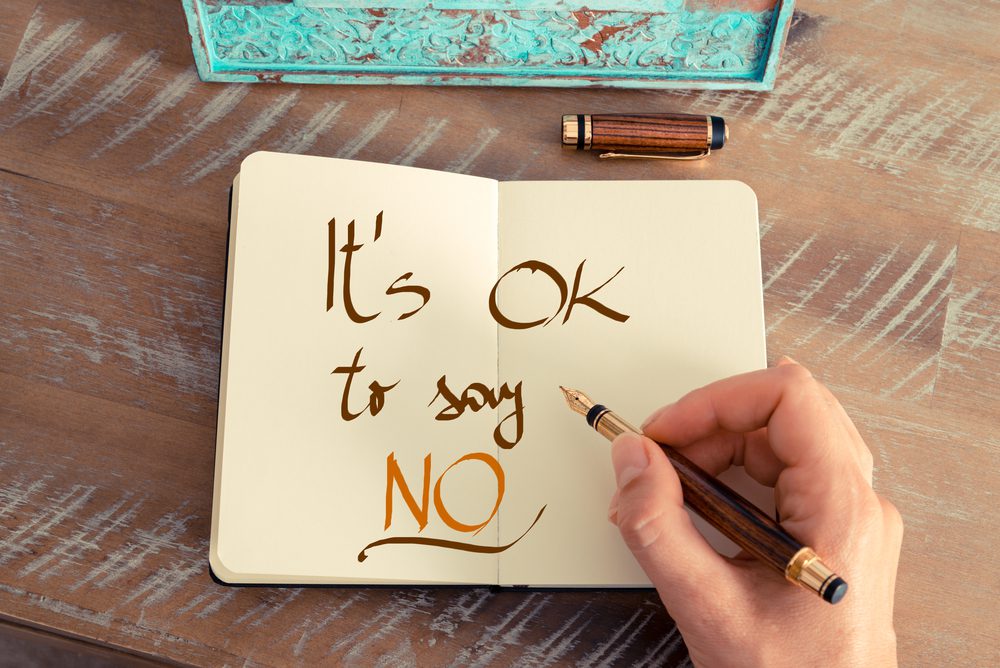
8 Times You Should Say ‘NO’ for a Better Life

8. Take your time when responding to messages After social media began to be part…

Read More →

Feeling Lonely: 5 Best Things To Say To Someone Experiencing This

Do you know someone who is feeling way too lonely? Being alone can be very…

Read More →
money

5 Ways to Talk to Your Friends About Money Issues During Hard Times

Do you or your friends have money issues? The coronavirus pandemic has taken our social…

Read More →
manipulation tactics

9 Manipulation Tactics (and How To Fight Them)

Psychopaths walk among us. Here’s how to fight their manipulation tactics! Individuals with psychopathic tendencies…

Read More →

These 5 Money Issues Can Bring Trouble In ANY Relationship

How often are you and your partner confronted with money issues? Whether we want to…

Read More →

Psychology Diary

The First Step Toward Change Is Awareness

Inedit Agency S.R.L.
Bucharest, Romania

contact@psychologydiary.com

Explore

  • About Us
  • Advertiser Disclosure
  • Contact Us
  • Disclaimer
  • Do not sell my personal information
  • Editorial Policy
  • Frequently Asked Questions
  • Privacy Policy
  • Terms and Conditions
  • Subscribe
  • Unsubscribe

Categories

  • Expert Tips
  • Family
  • Life
  • Marriage
  • Mental Health

© 2026 Psychology Diary. All rights reserved.