

You walk into a room and instantly register the unspoken tension hanging in the air. Your mind reaches conclusions seconds before your conscious thoughts assemble the logical proof.
If you experience these rapid perceptual flashes, you likely possess an intuitive personality. Cognitive neuroscience shows this ability stems from sophisticated subconscious pattern recognition rather than mystical guesswork.
Recognizing whether you are a highly intuitive person helps you harness rapid decision-making while protecting your emotional energy. Here are the defining signs of intuition backed by psychological science.
The Science Behind Your Inner Compass
Psychologists describe intuition as rapid, non-conscious information processing. Your brain constantly catalogs sensory inputs, emotional cues, and contextual patterns without your explicit awareness.
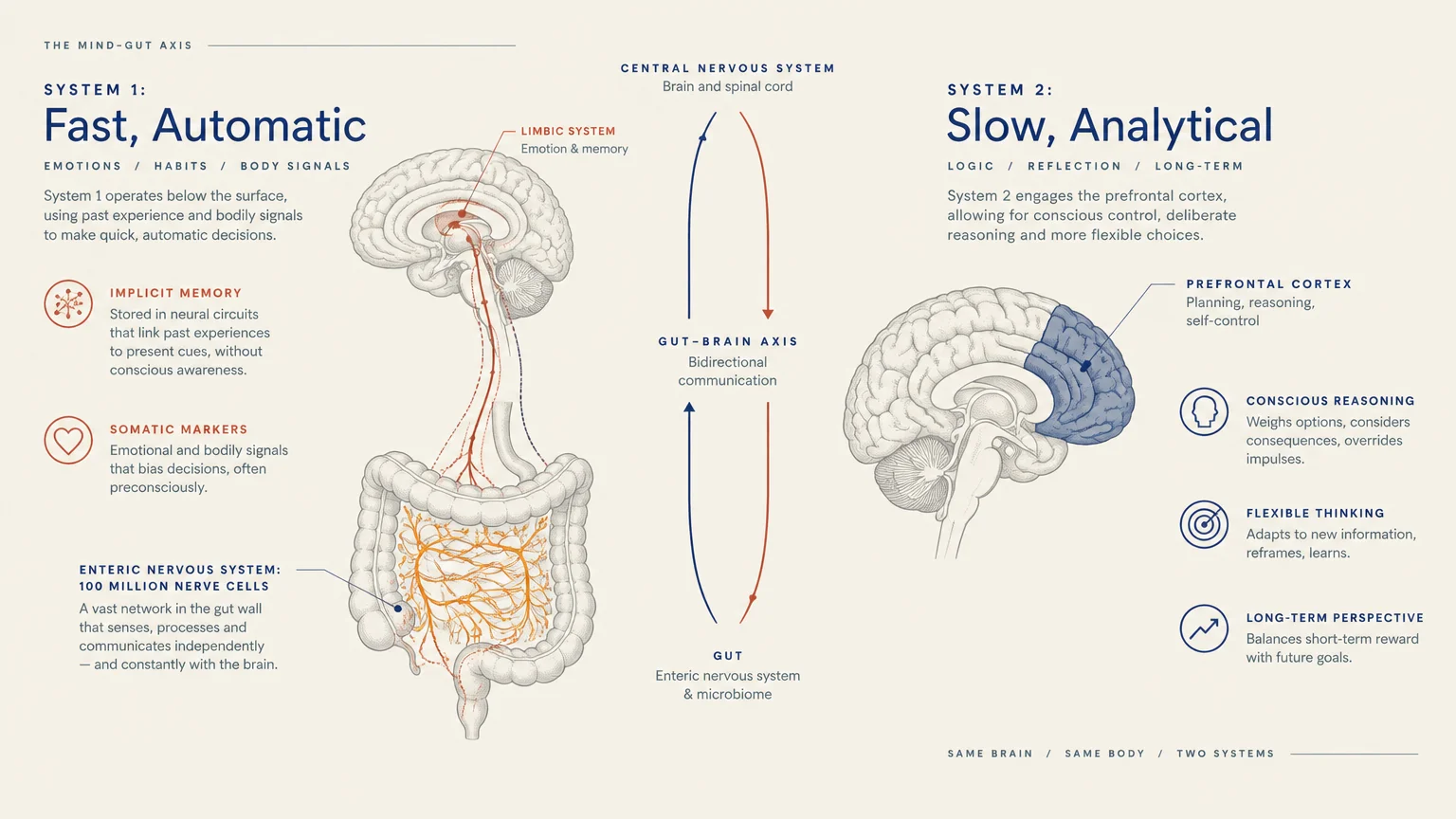
According to research highlighted by the American Psychological Association, the human mind operates using two distinct cognitive modes: System 1 (fast, automatic) and System 2 (slow, analytical).
Your intuitive faculties draw heavily on System 1 processing. It accesses millions of past experiences stored within your implicit memory bank.
Neurobiologist Antonio Damasio introduced the somatic marker hypothesis to explain how bodily sensations guide these cognitive shortcuts. Physical cues—such as a sinking sensation in your stomach—signal emotional memories before your conscious mind evaluates them.
Furthermore, medical experts at Harvard Health note that the enteric nervous system acts as a “second brain.” Over 100 million nerve cells line your gastrointestinal tract, communicating directly with your central nervous system.
When you feel a strong gut instinct, your digestive tract is genuinely reflecting complex neural feedback. Highly intuitive people simply maintain a stronger connection to these biological signals.
10 Signs You’re a Highly Intuitive Person
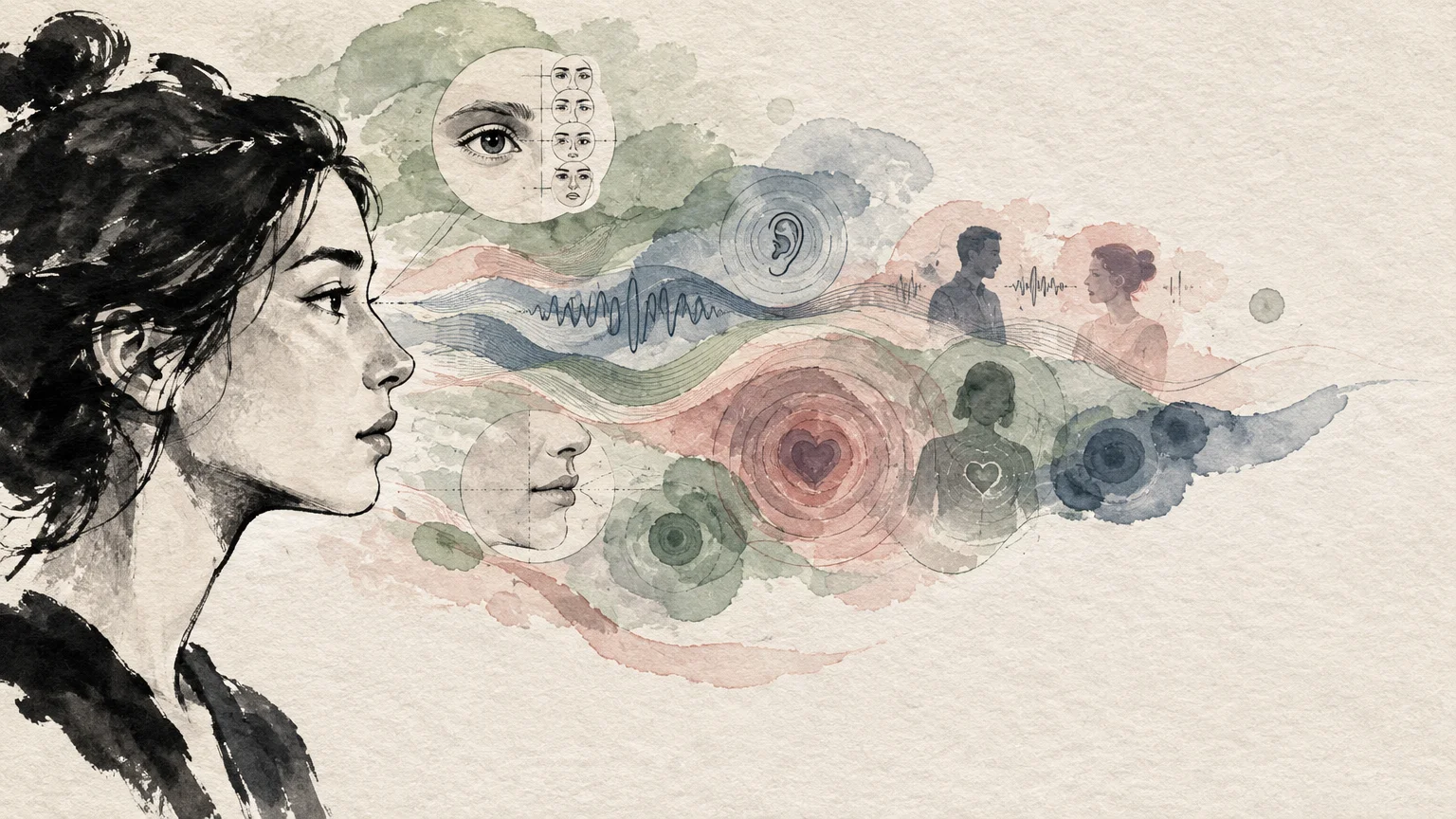
While everyone experiences occasional intuitive flashes, certain individuals experience them consistently. Here are ten validated signs that reflect a deeply intuitive nature.
1. You Read Micro-Expressions and Subtle Nonverbal Cues
You notice fleeting changes in facial expressions that others miss entirely. A momentary eyebrow twitch or tightened jaw tells you an entire emotional story.
Psychological studies on “thin-slicing” reveal that humans can extract vast amounts of interpersonal data within seconds. Your brain rapidly synthesizes these micro-signals into accurate evaluations.
2. You Experience Visceral Physical Sensations
Your body frequently alerts you to situations before your analytical brain catches up. You may feel a sudden tightness in your chest, a flutter in your stomach, or goosebumps.
These physiological shifts represent your autonomic nervous system responding to subtle environmental cues. Highly intuitive individuals listen to these somatic prompts instead of ignoring them.
3. You Possess Deep Empathic Intuition
You do not just observe how other people feel; you physically sense their emotional states. When a friend feels dejected or agitated, your own mood shifts in tandem.
This empathic intuition relies on mirror neuron systems, which fire both when you act and when you observe others acting. It allows you to simulate another person’s inner reality automatically.
4. You Accurately Gauge the Atmosphere of a Room
Stepping across a threshold immediately informs you of the collective dynamic. You can instantly tell whether people were just laughing or engaging in a bitter dispute.
Social psychologists refer to this as emotional contagion. Because your sensory processing is finely tuned, ambient social tension registers on your nervous system like static electricity.
5. You Experience Vivid, Informative Dreams
Your dreams often feel cinematic, emotionally complex, and rich with symbolic meaning. After waking, you frequently understand an interpersonal problem with greater clarity.
During rapid eye movement (REM) sleep, your brain consolidates emotional memories and identifies non-linear associations. Highly intuitive thinkers utilize this nocturnal processing to resolve daytime dilemmas.
6. You Form Accurate First Impressions
You rarely get fooled by charismatic facades or rehearsed professional personas. Within the first two minutes of meeting someone, your inner compass forms an impression that holds true over time.
Research published through Psychology Today confirms that initial intuitive judgments about personality traits often match long-term observational evaluations. Your subconscious filters out surface noise to detect authenticity.
7. You Require Intentional Solitude to Decompress
Processing endless micro-cues and social energies drains your internal battery quickly. Without regular quiet time, you feel overwhelmed, irritable, or cognitively exhausted.
Solitude provides your central nervous system with the space needed to recalibrate. It allows you to separate your own feelings from the ambient emotions you absorbed throughout the day.
8. You Experience Sudden Creative Breakthroughs
Solutions to intricate challenges often arrive when you are not actively thinking about them. While showering, walking, or resting, a fully formed insight suddenly clicks into place.
Cognitive psychologists call this the incubation effect. While your conscious mind relaxes, your default mode network continues working in the background to connect distant conceptual dots.
9. You Sense Incongruence Instantly
When someone says they are fine with a cheerful voice, your instincts flash a warning signal if their demeanor feels hollow. You pinpoint hypocrisy and withheld truths with uncanny precision.
Your brain rapidly detects discordance between vocal tone, word choice, and physical posture. You react to the dissonance rather than the curated script.
10. You Trust Unexplained Inner Prompts
You frequently feel nudged to take a different travel route, reach out to an old acquaintance, or postpone a decision. In hindsight, these impulses regularly prove advantageous or protective.
This hallmark trait marks a developed intuitive personality. You have learned that your internal guidance system delivers reliable insight, even when concrete rationale is not immediately available.
Intuition vs. Anxiety: How to Tell the Difference
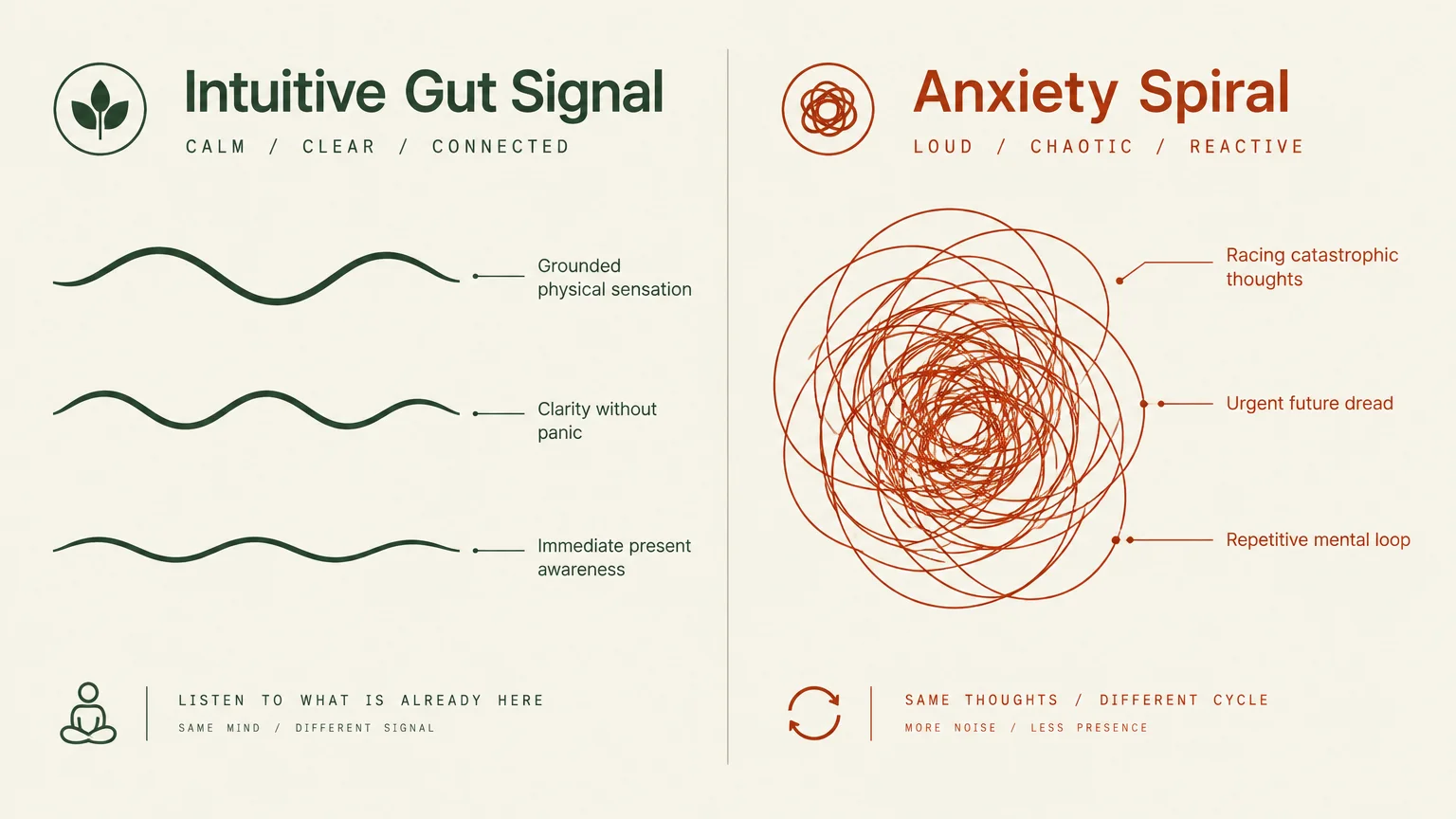
Many perceptive people confuse anxious hypervigilance with genuine intuition. Discerning between these two inner voices is essential for making sound life choices.
Intuition provides clarity that feels steady and neutral, even when presenting difficult information. Anxiety, by contrast, feels frantic, urgent, and catastrophic.
Clinical data from the National Institute of Mental Health indicates that anxiety stems from fear conditioning and perceived threats. It traps you in repetitive “what-if” loops rather than present-moment awareness.
| Feature | Intuition | Anxiety |
|---|---|---|
| Emotional Tone | Calm, grounded, and emotionally neutral | Frantic, fearful, and urgent |
| Physical Sensation | Open chest, centered gut feel, steady breathing | Muscle tension, racing heart, shallow breathing |
| Thought Pattern | Direct insight (“Pay attention here”) | Repetitive loops (“What if catastrophe happens?”) |
| Time Orientation | Present moment | Projected future worst-case scenarios |
Review this comparison when you feel unsure about an internal signal. Pausing to examine physical sensations and emotional tone reveals the true origin of your impulse.

The Power of Trusting Your Inner Experience
Embracing your intuition requires developing deep self-trust and psychological openness. Renowned psychologist Carl Rogers emphasized that self-actualized individuals rely heavily on their internal frame of reference.
“Experience is, for me, the highest authority. The touchstone of validity is my own experience.” — Carl Rogers, Ph.D., Groundbreaking Humanistic Psychologist
When you validate your personal perceptions, you cease outsourcing decision-making to external authorities. You begin honoring the rich reservoir of wisdom your nervous system gathers every day.
Myths Worth Debunking About Intuition
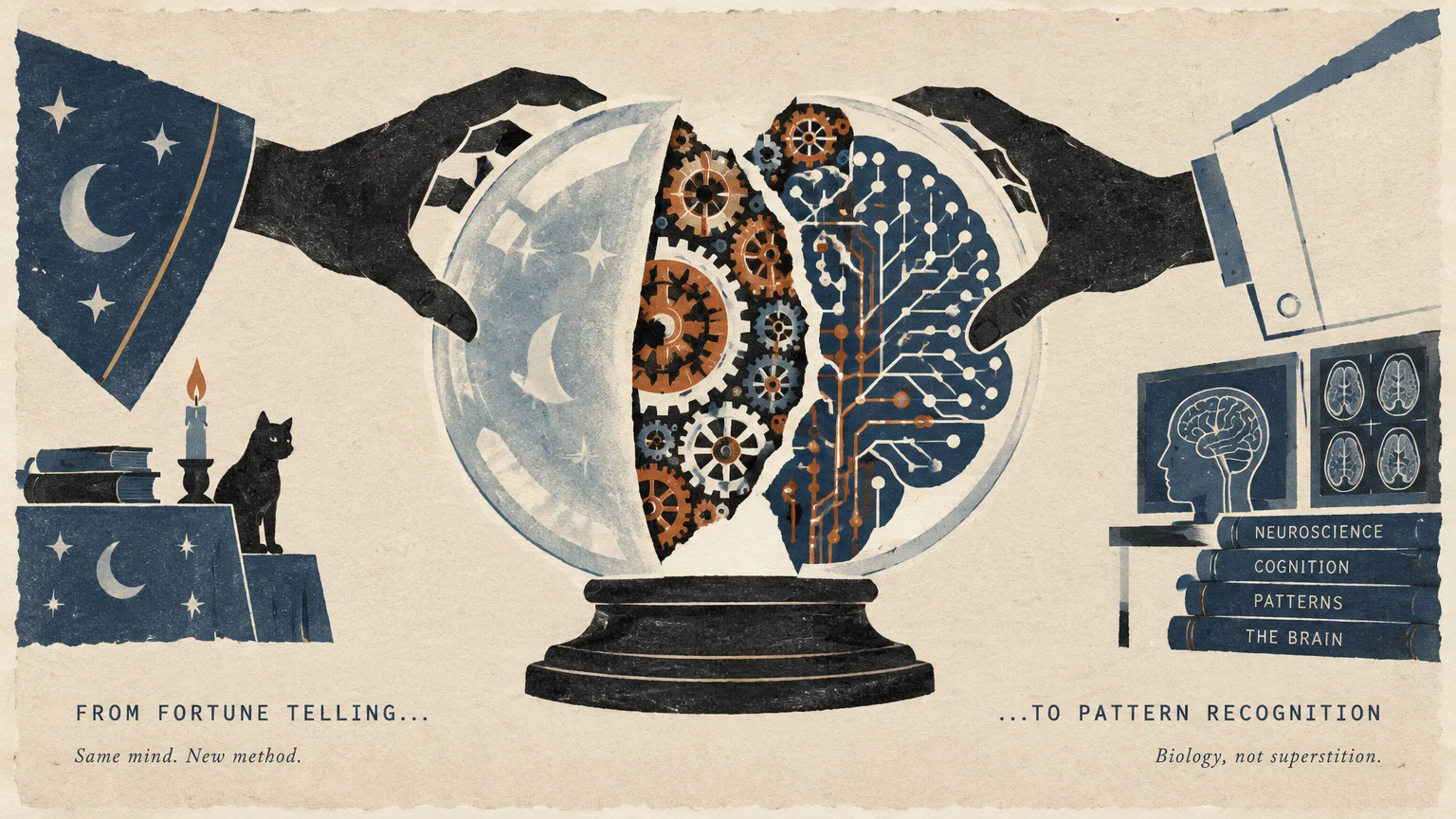
Cultural misconceptions often dismiss intuition as irrational or unscientific. Debunking these common myths helps you treat your intuitive abilities with intellectual respect.
Myth 1: Intuition Is Superstition or Magic
Intuition is rooted firmly in biology, neuroanatomy, and statistical probability processing. Your brain functions like a high-speed prediction engine that continuously cross-references sensory patterns against stored memories.
Myth 2: Highly Intuitive People Ignore Rational Logic
Effective decision-making balances intuitive pattern detection with analytical verification. The strongest thinkers use intuition to generate novel hypotheses and logic to test them rigorously.
Myth 3: Your Gut Instinct Is Always Infallible
Implicit biases, unresolved trauma, and emotional exhaustion can distort your gut feelings. Intuition offers valuable input, but you must evaluate it within its proper context.

Practical Ways to Strengthen Your Intuitive Abilities
Intuition functions like a cognitive muscle that grows stronger with deliberate cultivation. You can refine your inner guidance system using several grounded daily practices.
- Practice Body Scanning: Dedicate three minutes daily to observing physical sensations without judgment, noticing subtle somatic shifts.
- Journal Your Hunches: Write down your initial impressions regarding decisions, then review them later to track accuracy over time.
- Create Daily White Space: Give your brain unstructured quiet time away from digital screens so your default mode network can process background information.
- Engage in Mindful Breathing: Diaphragmatic breathing dampens sympathetic arousal, allowing quiet intuitive signals to emerge above baseline stress.
Consistency matters far more than intensity when training intuitive perception. Small, daily moments of inward reflection produce noticeable cognitive gains.

Signs It’s Time to Talk to a Therapist
Strong sensory processing and emotional sensitivity can sometimes blur into clinical distress. If your perceptual depth begins causing impairment, professional therapy provides vital tools for emotional regulation.
Consider consulting a licensed mental health professional if you experience these scenarios:
- Chronic Hypervigilance: You constantly scan your environment for danger and cannot relax, which often signals unresolved trauma rather than intuition.
- Overwhelming Emotional Burnout: Absorbing the feelings of others leaves you severely depleted, depressed, or unable to function in your daily routine.
- Paralyzing Decision Anxiety: You feel trapped in catastrophic thought loops and second-guess every instinct to the point of inaction.
- Relationship Impairment: You project assumed motives onto partners or friends without verifying facts, damaging interpersonal trust and intimacy.
Therapy approaches like Cognitive Behavioral Therapy (CBT) and Somatic Experiencing help you differentiate between traumatic triggers and genuine intuitive wisdom.
Frequently Asked Questions
Can anyone become a highly intuitive person, or is it genetic?
While some genetic predisposition exists regarding sensory processing sensitivity, intuition is fundamentally a trainable skill. Anyone can strengthen their intuitive capabilities by practicing somatic awareness, active listening, and reflective journaling.
How does trauma affect your gut instinct?
Trauma often sensitizes your nervous system to perceive threat where none exists. This hypervigilance can masquerade as intuition, causing you to mistake fear-based triggers for reliable instinctual warnings.
What is the difference between empathic intuition and being an empath?
Empathic intuition refers to the cognitive and neurological capacity to read emotional micro-cues accurately. Being an empath describes a broader personality trait characterized by profound sensory sensitivity and high emotional absorption.
When should you rely on logic instead of your gut instinct?
You should prioritize analytical logic in unfamiliar environments where you lack prior experience or historical data. Intuitive pattern recognition works best in domains where you have accrued significant practical exposure.
Honoring Your Intuitive Voice
Your intuition is a sophisticated biological asset that synthesizes vast sensory data into actionable insight. Trusting this inner voice allows you to navigate relationships and critical decisions with greater self-assurance.
Honor your need for quiet reflection, establish healthy emotional boundaries, and let your instincts guide your journey forward.
This article provides general educational information about psychology and relationships. It is not a substitute for professional therapy or medical advice. Everyone’s situation is unique—if you’re struggling, please reach out to a licensed mental health professional.
Last updated: February 2026. Psychology research evolves continuously—verify current findings with professional sources.









Leave a Reply