
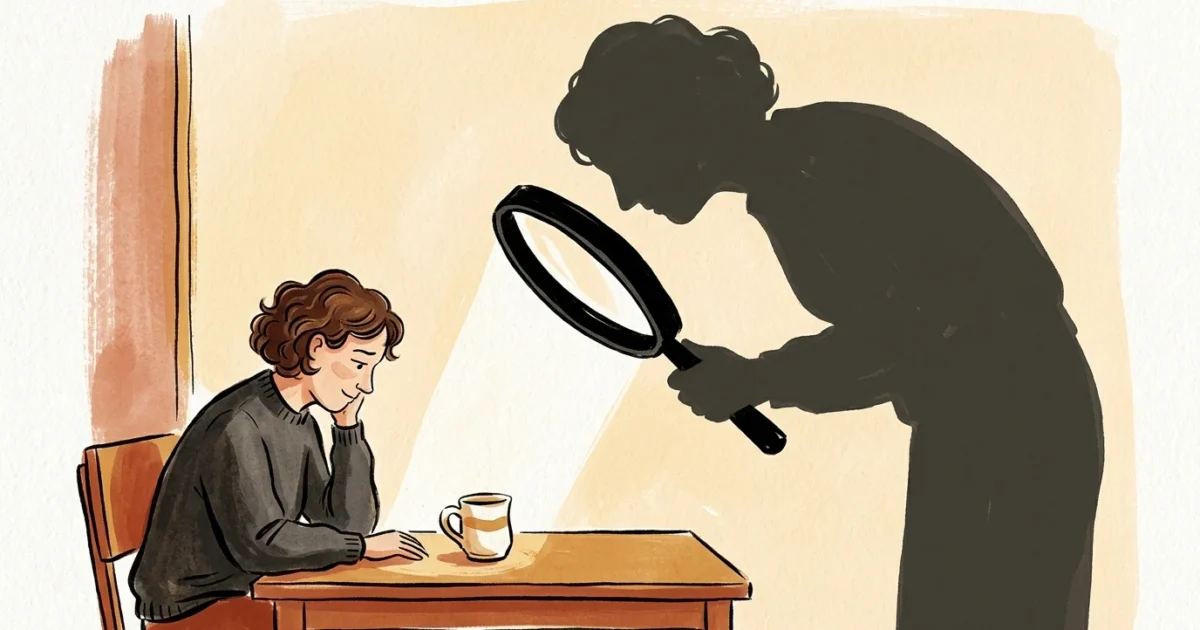
Holding yourself to impossible standards turns everyday mistakes into grueling psychological trials, slowly eroding your self-esteem and peace of mind. While healthy ambition propels personal growth, unrelenting self-criticism triggers chronic stress, burnout, and persistent emotional exhaustion. Recognizing when your internal dialogue shifts from constructive feedback to harsh punishment represents the crucial first step toward emotional resilience. By identifying the subtle psychological signals of excessive self-rigidity, you can dismantle destructive cognitive patterns and cultivate a healthier, evidence-based approach to achievement and personal well-being.
The Psychological Cost of Excessive Self-Criticism
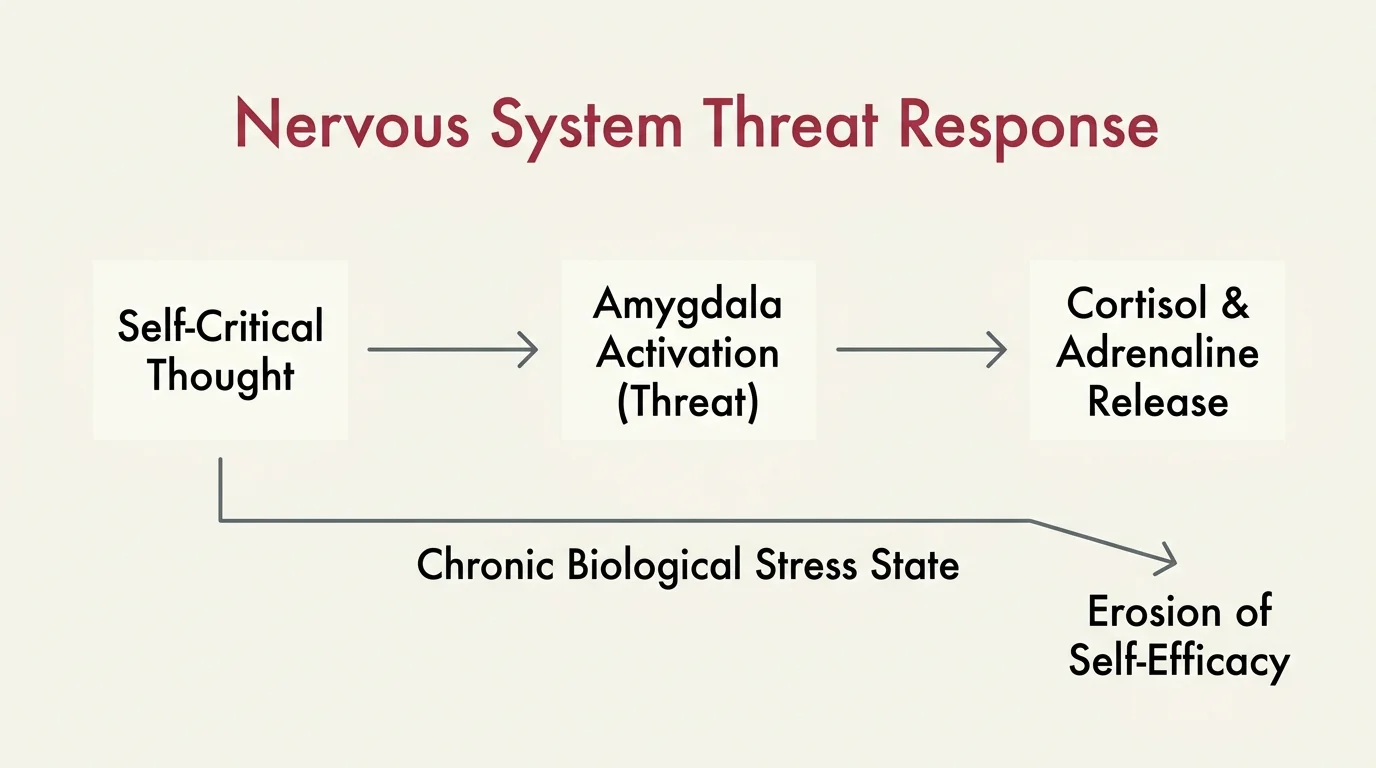
Many high achievers mistake self-criticism for self-discipline, believing that harsh self-scrutiny drives success. However, psychological research demonstrates that relentless self-judgment produces the opposite effect. According to studies published by the American Psychological Association, perfectionistic self-criticism correlates strongly with elevated rates of clinical anxiety, depressive disorders, and profound psychological burnout. Rather than motivating performance, chronic self-directed hostility activates your nervous system’s threat response.
When you judge yourself severely, your brain processes your own internal voice as a threat. This activates the amygdala, releasing stress hormones like cortisol and adrenaline into your bloodstream. Over time, this biological stress state wears down emotional regulation, disrupts decision-making, and undermines self-efficacy; the belief in your ability to handle difficult challenges. Shifting away from punitive internal monologue requires recognizing the subtle, ingrained behaviors that signal you are treating yourself far too harshly.
6 Clear Signs You Are Being Too Hard on Yourself
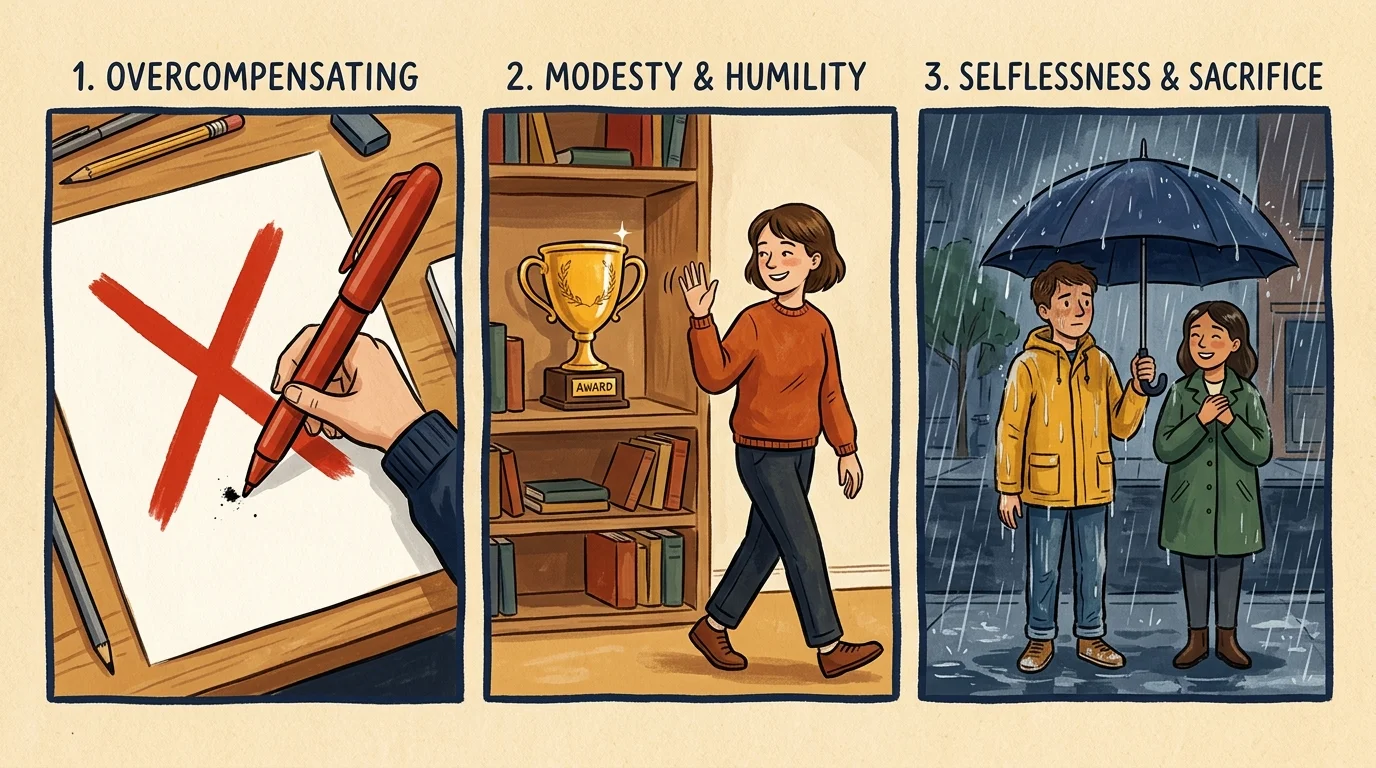
Harsh self-criticism rarely manifests overnight; it manifests as quiet cognitive habits that become your default way of processing life. Here are six major psychological indicators that your internal standards have become counterproductive and punitive.
1. You Frame Minor Mistakes as Moral Failures
If a missed typo in an email, a late arrival to a social gathering, or a minor oversight at work triggers deep shame, you likely struggle with cognitive distortions. In perfectionism psychology, this dynamic is known as black-and-white or all-or-nothing thinking. Instead of evaluating errors as contextual events, your inner critic converts every mistake into evidence of personal incompetence or failure. You don’t just register that you made a mistake; you conclude that you are a mistake.
2. You Routinely Discount Your Wins and Compliments
When someone offers genuine praise for your work or character, do you immediately deflect or downplay it? People who are excessively hard on themselves frequently attribute their achievements to external factors—luck, favorable timing, or low expectations from others—while taking full personal responsibility for every flaw. This pattern deprives your brain of experiencing positive reinforcement, reinforcing the inaccurate belief that you are never quite competent enough.
3. You Apply a Massive Empathy Double Standard
Consider how you respond when a colleague or friend confides that they made a mistake. You likely offer compassion, nuance, and reassurance. Yet, when you face the exact same scenario, your internal response becomes punitive and unforgiving. This discrepancy highlights a fundamental lack of self-directed empathy. Holding yourself to rigid standards that you would never demand from those you love reflects an unfair, self-defeating double standard.
“Self-compassion is simply giving the same kindness to ourselves that we would give to a good friend.” — Dr. Kristin Neff, Self-Compassion Researcher
4. You Replay Past Interactions in Continuous Rumination Loops
Do you lie awake at night replaying conversations from earlier in the day, analyzing every phrase you said? Rumination represents a core symptom of negative self-talk signs. Unlike productive problem-solving—which seeks practical solutions—rumination repeatedly cycles through past events with severe self-judgment. This habit keeps your body trapped in an elevated stress response long after the actual event has ended.
5. You Experience Somatic Signs of Chronic Psychological Stress
Your mind and body exist in continuous dialogue. When self-directed criticism runs continuously in the background, your physical body pays a measurable toll. Data from Mayo Clinic underscores that unmanaged emotional stress frequently manifests physically: tense shoulders, digestive discomfort, tension headaches, and shallow breathing. If you experience persistent physical tension without a clear medical cause, your nervous system may be reacting to your inner critic.
6. You Feel Overwhelming Guilt Whenever You Rest
For individuals dealing with severe perfectionism, rest feels like laziness rather than a biological necessity. You may find yourself unable to relax during downtime because your mind insists you should be working, organizing, or self-improving. Linking your human worth entirely to daily productivity creates an unsustainable cycle of toxic busyness, leading directly toward psychological exhaustion and chronic fatigue.

Harsh Self-Criticism vs. Constructive Self-Reflection
Disentangling healthy self-awareness from destructive self-criticism helps you maintain high standards without sacrificing emotional health. The following framework outlines key structural differences between these two internal states:
| Dimension | Harsh Self-Criticism | Constructive Self-Reflection |
|---|---|---|
| Core Focus | Identity and personal worth (“I am incapable.”) | Specific behavior and actions (“That strategy didn’t work.”) |
| Emotional Outcome | Shame, guilt, anxiety, emotional paralysis | Curiosity, clarity, motivation to adapt |
| Motivation Source | Fear of failure, rejection, or inadequacy | Desire for personal growth and learning |
| Response to Mistakes | Punishment, self-isolation, rumination | Analysis, self-compassion, practical adjustments |
| Impact on Resilience | Erodes self-confidence and increases distress | Builds self-efficacy and problem-solving skills |
Common Misconceptions About Being Tough on Yourself
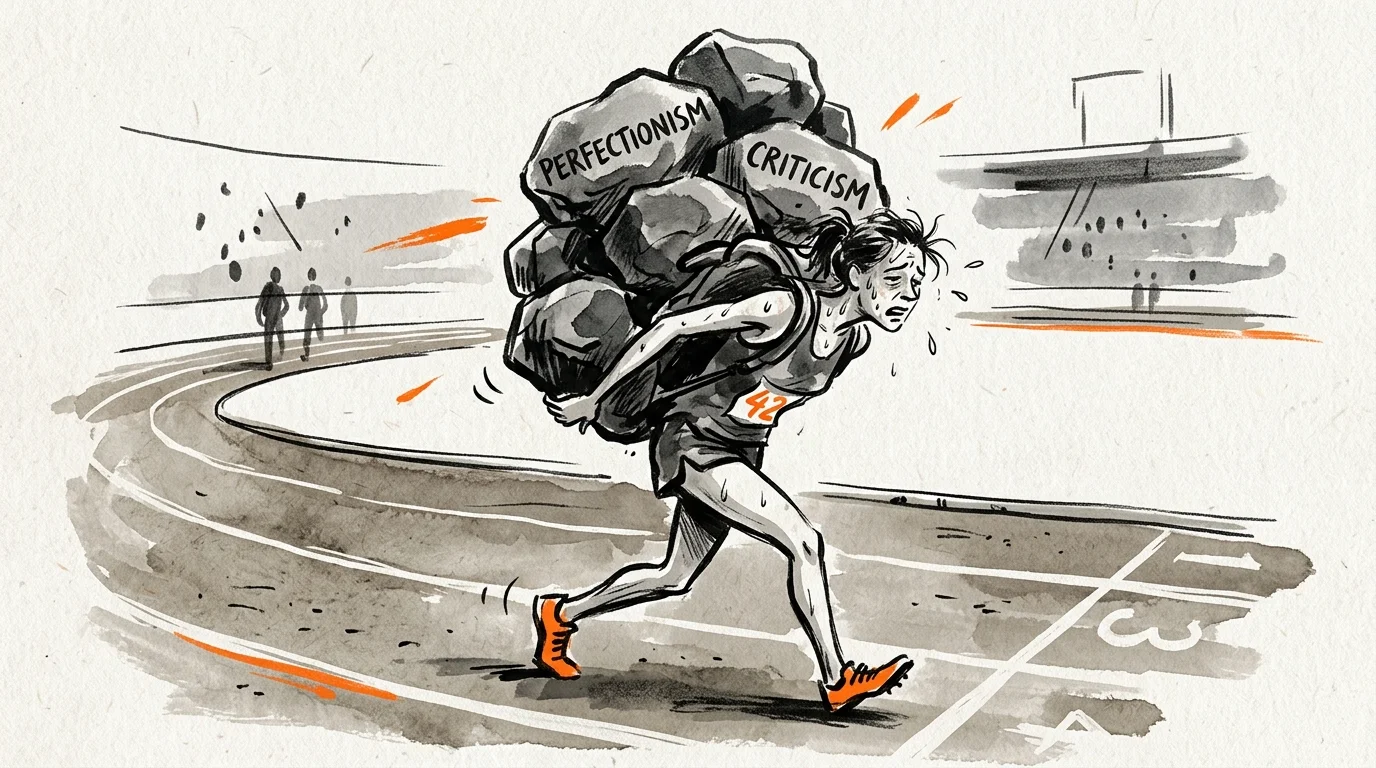
Understanding the psychological fallacies behind self-criticism allows you to let go of harsh habits without fearing that your personal standards will collapse.
Misconception 1: “Self-criticism keeps me motivated and disciplined.”
Many people fear that practicing self-kindness will make them complacent or lazy. However, research into Psychology Today behavioral models indicates that self-criticism actually increases procrastination and avoidance. Because the inner critic makes failure feel emotionally catastrophic, your brain naturally resists taking risks or engaging in challenging tasks.
Misconception 2: “Self-compassion means making excuses for bad behavior.”
Self-compassion does not mean avoiding accountability. True self-compassion involves taking objective responsibility for mistakes while treating yourself with warmth. Recognizing that human error is universal gives you the emotional stability required to admit fault and correct mistakes without falling into toxic shame.
Misconception 3: “Perfectionism is simply having high personal standards.”
Psychologists distinguish between healthy striving and maladaptive perfectionism. Healthy striving centers on setting ambitious goals while deriving satisfaction from the learning process. Perfectionism relies on the belief that error-free performance is required to earn worth, safety, or acceptance from others.

Evidence-Based Strategies to Cultivate Self-Compassion
Shifting your internal narrative requires deliberate, evidence-based cognitive practice. By engaging in targeted cognitive restructuring techniques, you can retrain your inner dialogue to build genuine psychological resilience.
“The curious paradox is that when I accept myself just as I am, then I can change.” — Carl Rogers, Psychologist
To implement practical self-compassion tips into your everyday life, experiment with these structured psychological tools:
- Practice Cognitive Re-framing (The Friend Test): When you catch yourself in a loop of negative self-talk, pause and write down your exact thought. Ask yourself: “Would I say these exact words to a friend I deeply care about?” If the answer is no, reframe the thought into language that is objective, fair, and encouraging.
- Externalize Your Inner Critic: Give your internal critical voice a distinct persona or name. Recognizing this voice as a separate, automatic cognitive habit rather than the absolute truth of who you are creates the psychological distance needed to question its accuracy.
- Track and Celebrate Incremental Progress: Counteract the brain’s natural negativity bias by keeping a daily log of small achievements. Highlight moments where you handled a situation well, showed effort, or embraced a learning experience, regardless of the final outcome.
- Incorporate Somatic Self-Soothing Techniques: When self-directed anxiety spikes, use physical gestures to calm your nervous system. Placing a hand over your heart, slowing your exhalations, or engaging in brief progressive muscle relaxation directly signals safety to your nervous system.

Finding the Right Professional Help
While self-guided tools offer powerful support, severe self-criticism often stems from deep-seated relational trauma, childhood conditioning, or core attachment wounds. Partnering with a licensed mental health professional provides a safe environment to explore and heal these foundational patterns.
Consider seeking professional therapeutic support in the following situations:
- Your inner dialogue produces persistent feelings of worthlessness, major depressive symptoms, or unmanageable panic.
- Severe perfectionism interferes directly with your career, health, or personal relationships.
- You rely on unhealthy coping mechanisms—such as extreme isolation, substance misuse, or self-harm—to manage self-directed guilt and shame.
- You cannot engage in basic self-care activities because of chronic emotional distress and burnout.
Evidence-based therapeutic modalities like Cognitive Behavioral Therapy (CBT), Acceptance and Commitment Therapy (ACT), and Compassion-Focused Therapy (CFT) excel at helping individuals rebuild their internal relationship. Organizations like the National Alliance on Mental Illness (NAMI) and Harvard Health offer useful directories to help you locate licensed clinicians in your region.

Practical Next Steps for Your Journey
Learning to stop being so hard on yourself requires patience, practice, and persistent self-compassion. You do not need to eliminate your inner critic overnight; simply noticing when harsh self-talk arises represents significant psychological progress. Each time you swap a judgment for a moment of self-directed curiosity, you forge healthier cognitive pathways that support long-term well-being.
Treat yourself with the same dignity and gentleness that you extend so generously to others. Growth occurs through nurture and understanding, not continuous punishment.
The information in this article is meant for educational purposes and general guidance. It does not replace individual therapy, counseling, or medical treatment. If you or someone you know is in crisis, contact the 988 Suicide & Crisis Lifeline by calling or texting 988.
Last updated: February 2026. Psychology research evolves continuously—verify current findings with professional sources.





Leave a Reply