

Unrelenting obstacles can drain your energy and make your most ambitious goals feel unreachable. Cultivating perseverance transforms how you handle these setbacks, allowing you to turn friction into forward momentum.
Psychological endurance is not an innate gift reserved for a fortunate few. Instead, behavioral science shows that tenacity rests on specific, learnable mental habits you can build through deliberate practice.
When you master these core habits, you stop viewing failure as a permanent defeat. You begin navigating hardship with practical confidence, calm resolve, and emotional strength.
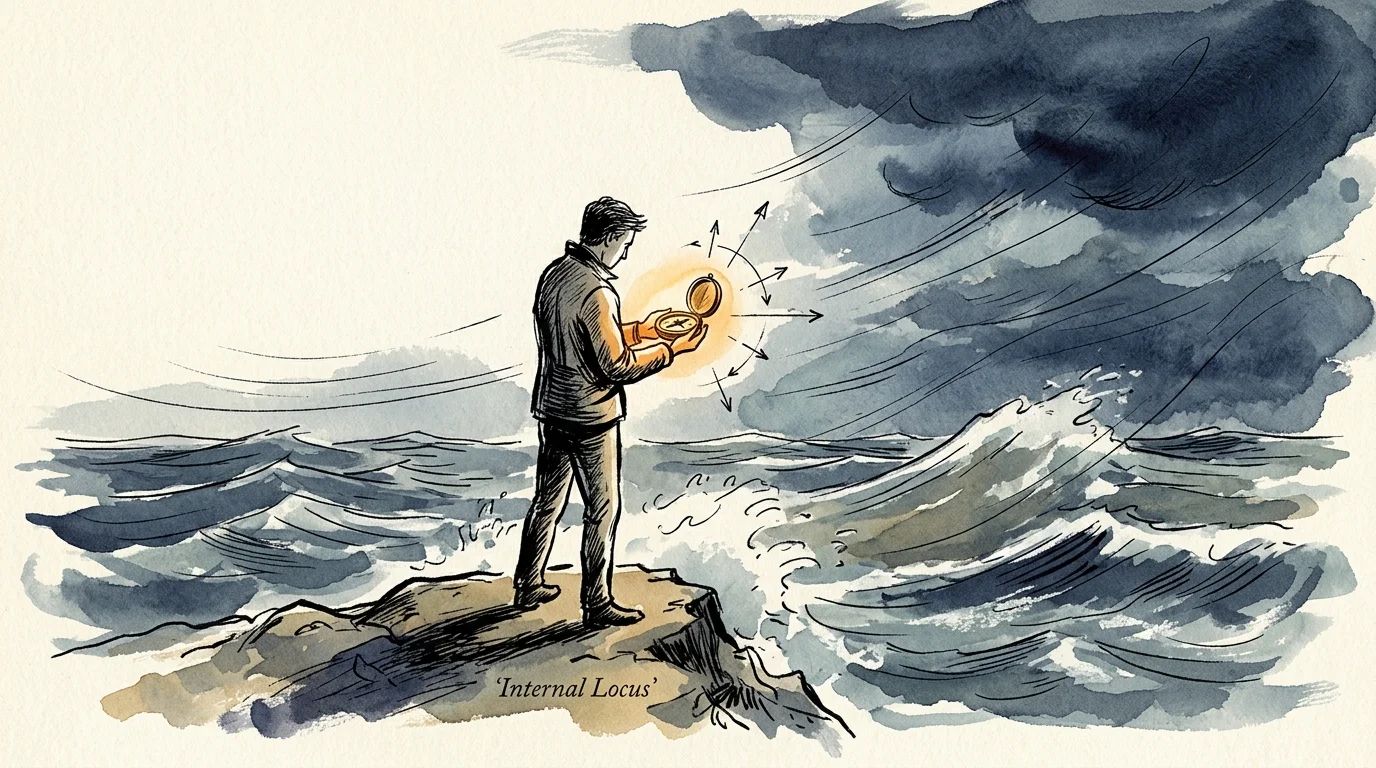
1. An Internal Locus of Control and Deep Purpose
Resilient individuals believe their decisions dictate their circumstances far more than external luck. Psychologist Julian Rotter established that an internal locus of control empowers people to take ownership of unexpected setbacks.
When life disrupts your plans, you can easily blame outside forces. Highly persistent people choose instead to examine how their choices can alter the outcome.
This personal accountability pairs naturally with a strong sense of purpose. As Austrian psychiatrist Viktor Frankl observed during his darkest trials, meaningful goals provide the psychological fuel required to survive immense adversity.
“Those who have a ‘why’ to live, can bear with almost any ‘how’.” — Viktor Frankl, MD, Neurologist and Psychiatrist
You sustain endurance when your daily struggles connect to something larger than momentary comfort. Deep values keep you committed long after initial enthusiasm fades.
2. Cognitive Flexibility and a Growth Mindset
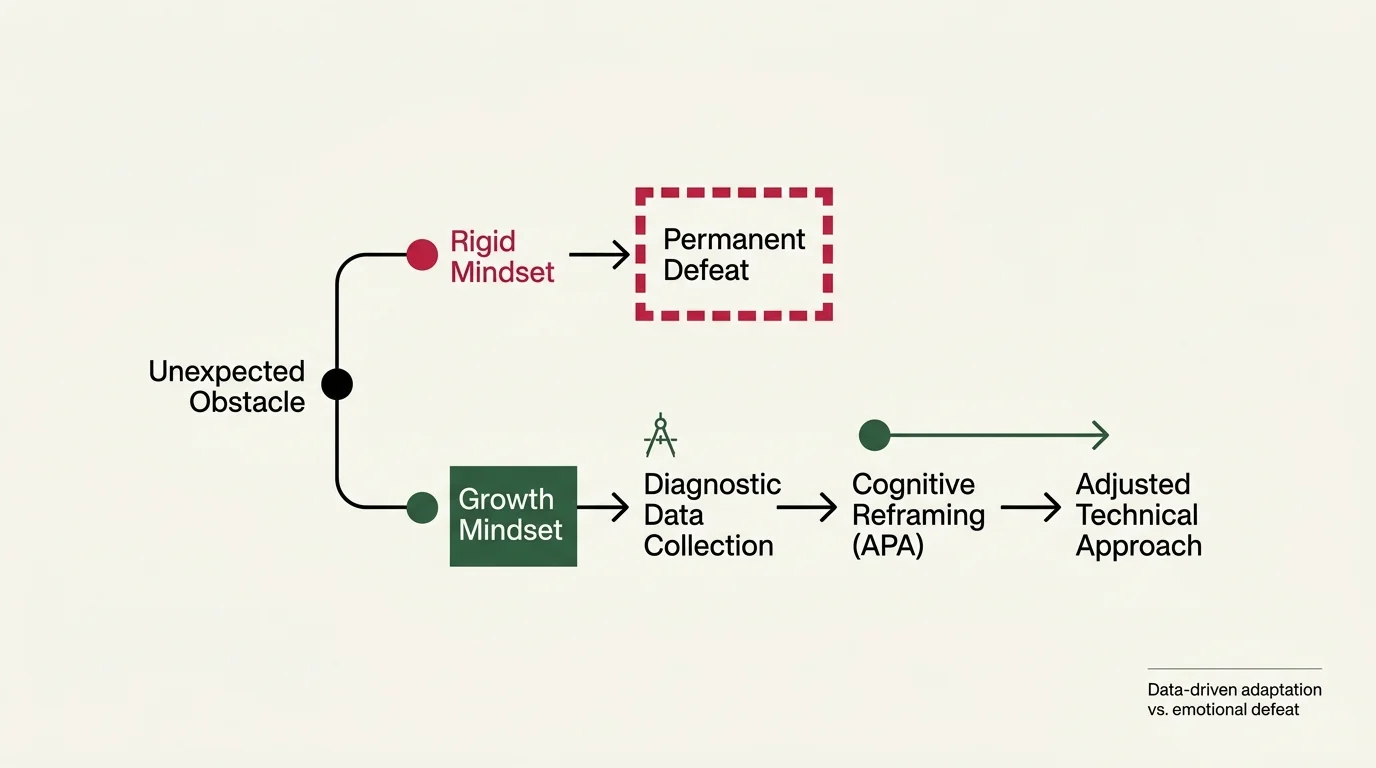
Unwavering determination requires a flexible mind rather than stubborn rigidity. Research from Stanford psychologist Carol Dweck shows that individuals with a growth mindset view abilities as developable through effort.
When you adopt this perspective, mistakes stop signaling personal inadequacy. You begin treating each mistake as valuable diagnostic data.
According to the American Psychological Association (APA), cognitive reframing enables you to alter emotional responses by changing how you interpret stressful events.
Instead of labeling a missed milestone as an absolute disaster, resilient individuals ask pragmatic questions. They identify actionable lessons and adjust their technical approach immediately.

3. High Frustration Tolerance and Emotional Agility
Pursuing long-term goals guarantees periods of boredom, irritation, and severe fatigue. People who never quit develop what psychologist Albert Ellis called high frustration tolerance.
They accept that meaningful progress is often uncomfortable and tedious. Rather than seeking instant relief, they willingly tolerate temporary emotional friction.
Emotional agility plays an equally crucial role in sustaining perseverance. Harvard Medical School psychologist Susan David notes that suppressing difficult feelings only intensifies distress.
Resilient people experience anxiety and disappointment without letting those emotions control their actions. You can acknowledge your discomfort while continuing to execute your necessary daily tasks.
4. Strategic Adaptability Over Blind Stubbornness
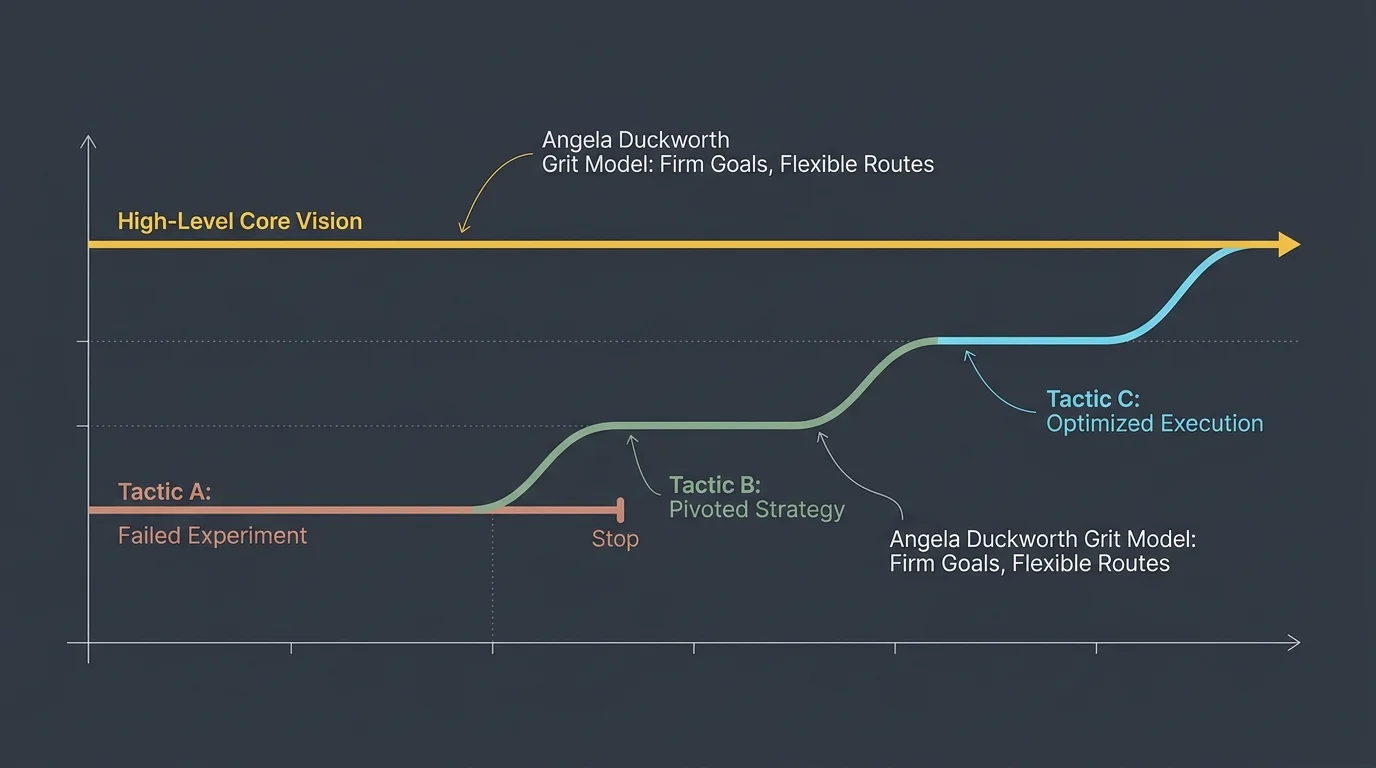
A common misconception equates persistence with repeating ineffective tactics indefinitely. True resilience requires strategic flexibility and the willingness to pivot when evidence demands change.
In her pioneering research on grit, Angela Duckworth emphasizes that commitment to a high-level vision must coexist with flexible lower-level strategies.
If a specific marketing plan, study routine, or exercise regimen fails, persistent achievers do not abandon their ultimate ambition. They discard the flawed tactic and test an alternative route.
Recognizing the boundary between healthy perseverance and stubborn obstinacy protects your resources. The comparison below clarifies how these two behaviors diverge in practice.
| Dimension | Healthy Perseverance | Blind Stubbornness |
|---|---|---|
| Core Focus | Long-term mission and personal growth | Proving oneself right at any cost |
| Response to Feedback | Adjusts tactics based on objective data | Ignores warning signs and contradictory facts |
| Emotional State | Focused, patient, and grounded | Defensive, anxious, and rigid |
| Resource Management | Preserves energy for long-term consistency | Depletes resources rapidly into exhaustion |
When you understand this distinction, you preserve your emotional energy. You adapt your methods intelligently while maintaining your commitment to your broader mission.

5. Radical Self-Compassion as a Shield Against Burnout
Many people mistakenly believe that harsh self-criticism drives success. In reality, relentless self-punishment creates chronic stress that undermines long-term endurance.
Dr. Kristin Neff’s research confirms that self-compassion fosters greater resilience than self-esteem. When you treat yourself kindly during setbacks, you recover psychological strength much faster.
“Vulnerability is not winning or losing; it’s having the courage to show up and be seen when we have no control over the outcome.” — Brené Brown, PhD, LMSW
Research synthesized by Harvard Health highlights how self-compassion reduces cortisol spikes during acute failure. Lower stress hormones allow your prefrontal cortex to remain clear and focused.
Treating yourself with constructive warmth keeps your motivation intact. You can hold yourself to high standards without destroying your peace of mind when hurdles arise.

6. Proactive Help-Seeking and Relational Interdependence
Popular culture often romanticizes the solitary hero battling adversity alone. In real life, genuine perseverance depends heavily on social support and collaborative problem-solving.
Clinical psychologists recognize that social baseline theory explains how human brains conserve energy through connection. Sharing your burdens with trusted peers reduces your brain’s perception of task difficulty.
People who achieve lasting success actively build networks of mentors, peers, and collaborators. They view asking for guidance as a strategic strength rather than a shameful weakness.
Exploring support resources at organizations like the National Alliance on Mental Illness (NAMI) demonstrates the power of community in navigating steep challenges.
Actionable Habits to Strengthen Your Mental Endurance
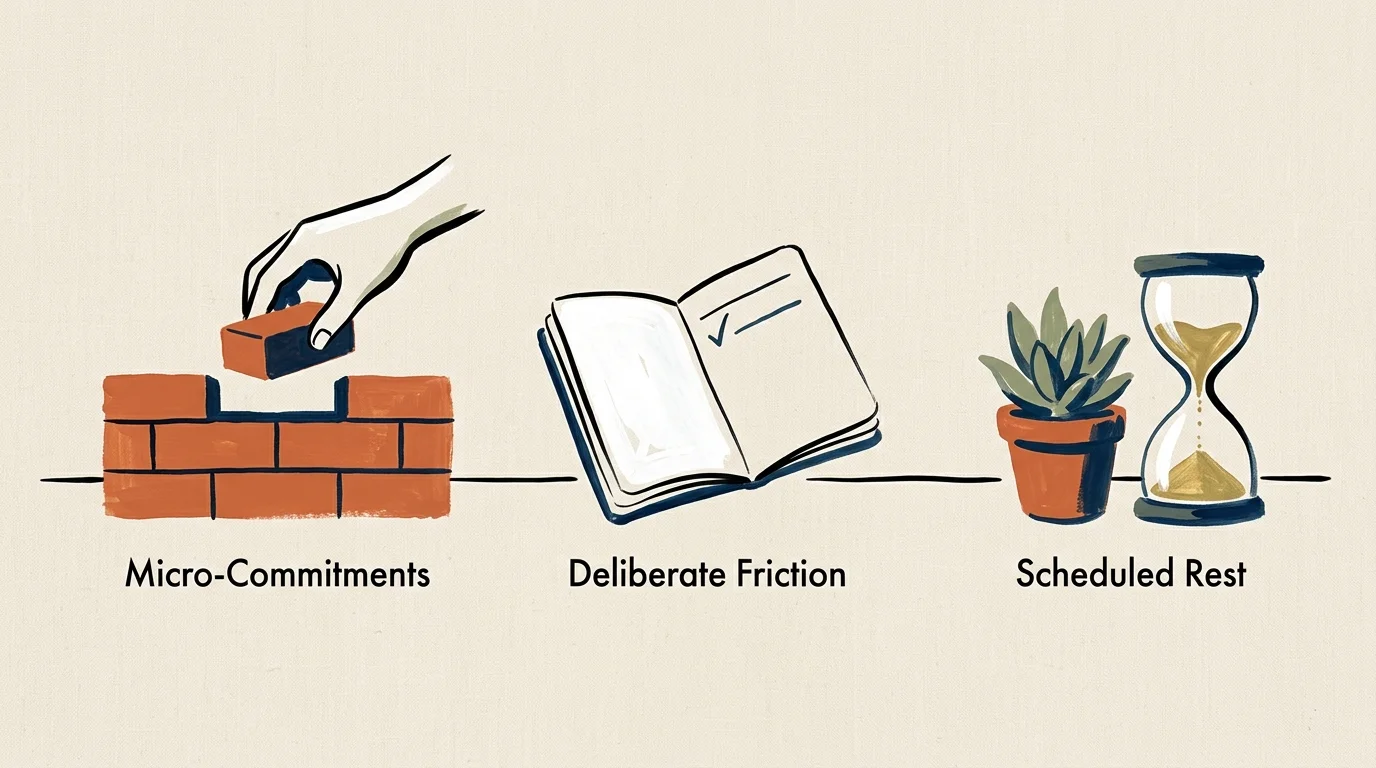
Developing unshakeable perseverance requires regular, intentional behavioral conditioning. You can integrate specific daily practices to systematically expand your capacity for resilience.
- Break massive objectives into micro-milestones: Chunking intimidating tasks into tiny daily actions prevents cognitive overload and maintains steady neurochemical reward cycles.
- Conduct weekly post-mortem reviews: Examine your missteps with objective curiosity rather than shame, documenting three concrete adjustments for the upcoming week.
- Practice voluntary discomfort: Intentionally tackle challenging physical or intellectual tasks to expand your distress tolerance and build mental stamina over time.
- Curate a resilient inner dialogue: Replace catastrophic statements like “I cannot handle this” with grounded affirmations such as “This is difficult, and I am learning how to navigate it.”
- Establish proactive recovery rituals: Prioritize deep sleep, restorative nutrition, and quiet reflection so your nervous system can recharge between intense bouts of effort.
Consistent application of these behavioral routines rewires your response to pressure. Gradually, confronting obstacles becomes an instinctive signal to learn rather than an impulse to surrender.
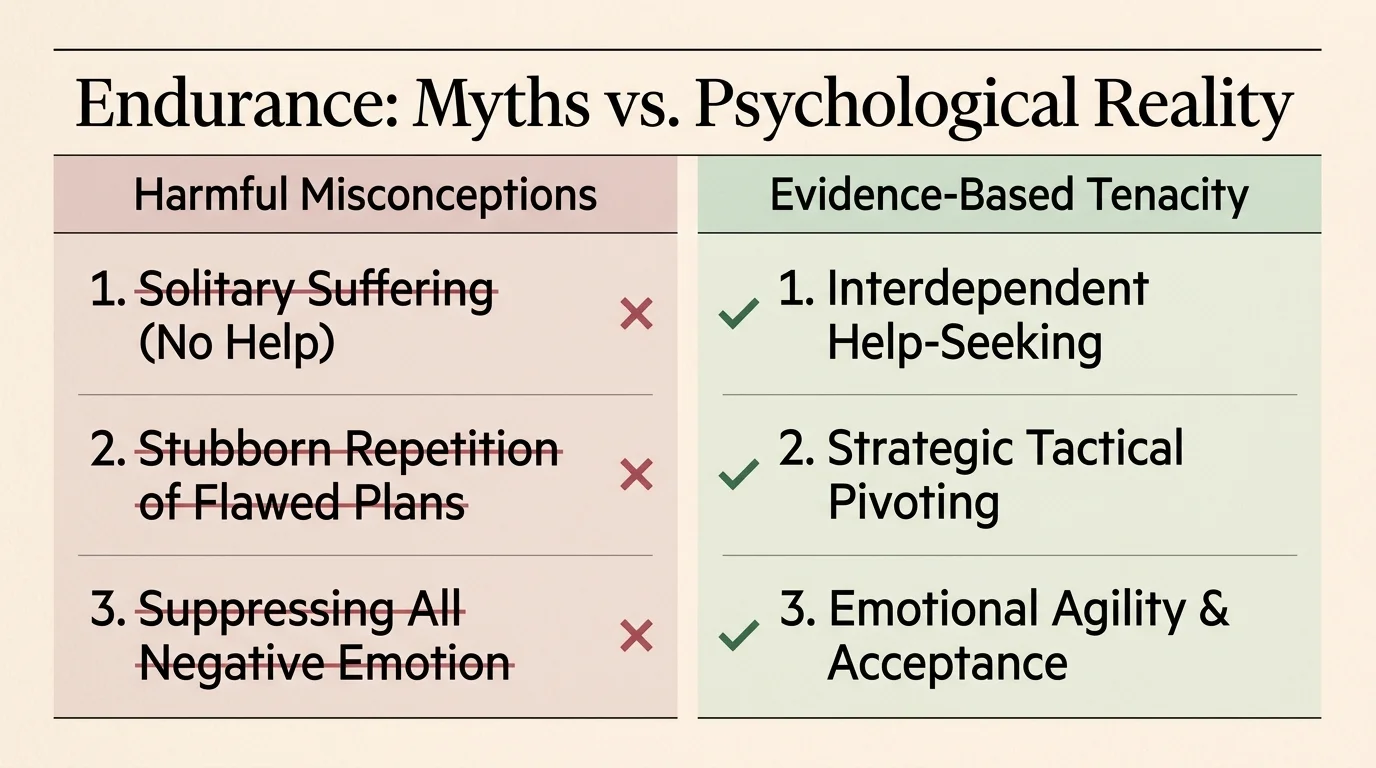
Myths Worth Debunking
Misunderstandings surrounding perseverance often prevent people from building functional resilience. Clearing away these cultural myths allows you to pursue your goals with practical wisdom.
Myth 1: Resilient individuals never experience doubt
Even the most persistent achievers experience profound self-doubt, grief, and exhaustion. The defining difference lies in their willingness to take constructive action despite feeling fearful.
Myth 2: True grit means never asking for assistance
Isolating yourself during severe adversity drastically accelerates emotional exhaustion. Asking for assistance demonstrates maturity, efficiency, and an accurate assessment of reality.
Myth 3: Quitting an unworkable tactic equals defeat
Changing your execution strategy is not the same as abandoning your life mission. Pruning unproductive methods actually protects your ultimate vision by conserving finite time and emotional energy.

Signs It’s Time to Talk to a Therapist
While developing perseverance is a healthy ambition, unrelenting struggle without relief can signal underlying mental distress. Distinguishing healthy striving from emotional exhaustion is vital for your well-being.
According to mental health guidance from the Cleveland Clinic, chronic stress can cascade into clinical anxiety or depression if left unaddressed.
Consider reaching out to a licensed professional if you recognize any of these warning signs:
- Persistent loss of pleasure: You no longer feel satisfaction or joy, even when achieving meaningful milestones.
- Compulsive overworking driven by fear: You continue working through physical exhaustion because stopping triggers overwhelming panic or worthlessness.
- Pervasive feelings of hopelessness: You feel emotionally drained every day, and your usual coping strategies fail to restore your optimism.
- Severe physical symptoms of distress: Chronic insomnia, digestive complications, or tension headaches interfere with your normal daily functioning.
A licensed therapist can help you untangle healthy ambition from maladaptive perfectionism. Professional support gives you personalized tools to build sustainable endurance without sacrificing your psychological health.
Frequently Asked Questions
Can someone learn to be resilient later in life?
Yes, resilience is not a fixed genetic trait. Because the human brain exhibits neuroplasticity, you can deliberately cultivate new thought patterns and behavioral responses at any age.
How can you tell the difference between healthy perseverance and toxic perseverance?
Healthy perseverance moves you toward meaningful growth while respecting your physical and emotional boundaries. Toxic perseverance forces you to pursue arbitrary targets at the catastrophic expense of your health, relationships, and ethics.
What is the most effective daily habit for building grit?
Daily reflection and cognitive reframing produce the fastest measurable results. When you evaluate your daily setbacks with objective curiosity, you turn daily friction into actionable skill development.
Does physical fitness improve psychological endurance?
Regular physical exercise strengthens your autonomic nervous system and elevates stress tolerance thresholds. Managing physical exertion trains your mind to remain composed during intellectual and emotional difficulties.
Building Lasting Resilience One Day at a Time
Building authentic mental stamina is a gradual, lifelong journey rather than an overnight transformation. Celebrate your small daily victories, treat your missteps with patience, and keep your core purpose in clear view.
The information in this article is meant for educational purposes and general guidance. It does not replace individual therapy, counseling, or medical treatment.
If you or someone you know is in crisis, contact the 988 Suicide & Crisis Lifeline by calling or texting 988.
Last updated: February 2026. Psychology research evolves continuously—verify current findings with professional sources.









Leave a Reply