

Forgetting where you left your car keys or struggling to recall an acquaintance’s name can trigger immediate anxiety about cognitive decline. Almost 80 percent of adults worry about developing dementia, yet most memory lapses represent completely normal, age-related brain changes rather than neurological disease. Understanding the distinct boundaries between everyday absentmindedness and progressive cognitive impairment empowers you to take control of your brain health with confidence and clarity. While normal forgetfulness stems from temporary processing delays or simple distractions, serious memory problems fundamentally disrupt daily life, executive functioning, and independent living. This comprehensive guide outlines seven critical warning signs, highlights reversible medical causes, and provides actionable steps to protect your long-term cognitive vitality.
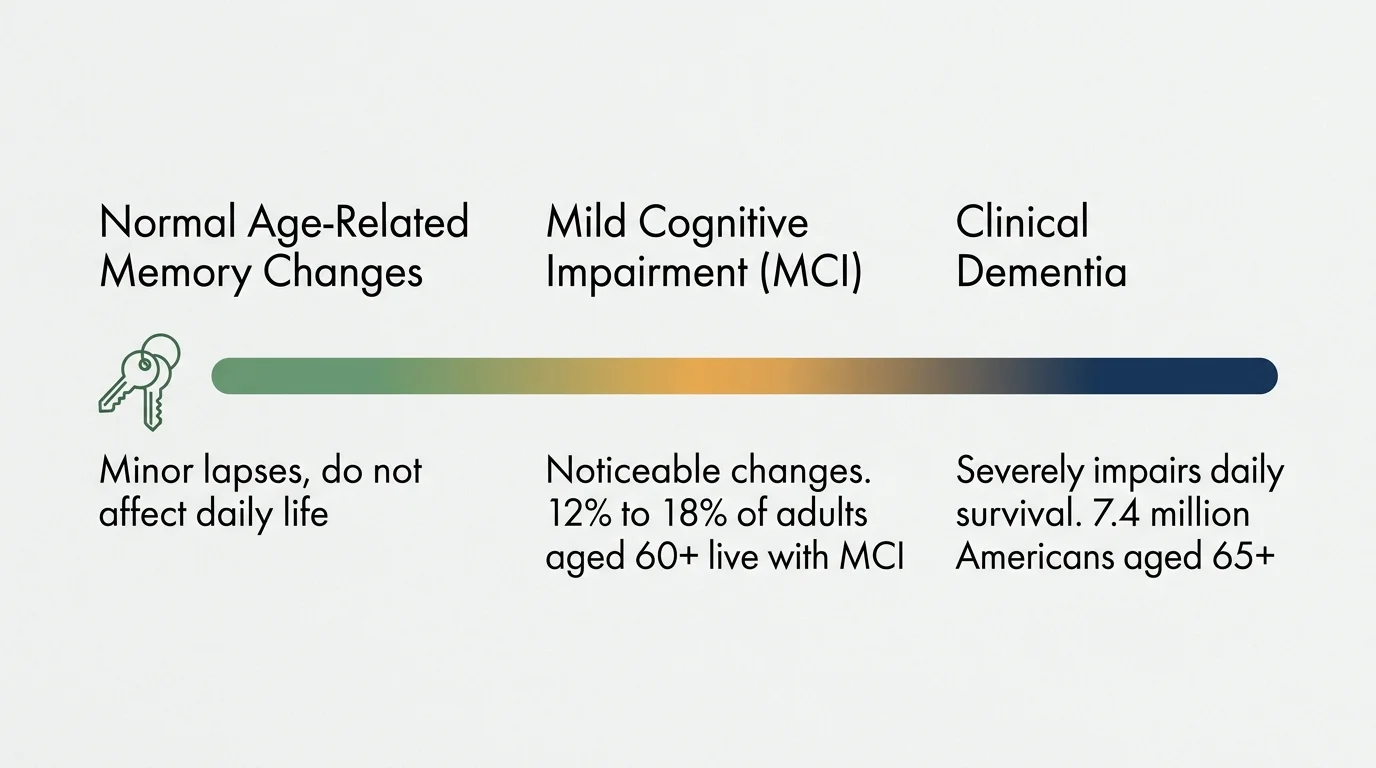
Understanding the Spectrum: Normal Aging, MCI, and Dementia
As your body ages, your brain naturally undergoes structural and physiological transformations. Neural processing speed slows down slightly, regions like the hippocampus experience subtle volume reductions, and neurotransmitter levels change. These natural shifts mean you might take longer to recall a movie title or calculate a tip in a noisy restaurant. However, healthy aging does not impair your fundamental ability to reason, live independently, or retain lifelong memories.
To evaluate cognitive changes accurately, medical professionals categorize memory health into three distinct stages:
- Normal Age-Related Memory Changes: Minor lapses, such as forgetting where you parked or walking into a room without remembering your intention. These occurrences do not affect your ability to work, socialize, or manage a household.
- Mild Cognitive Impairment (MCI): A noticeable stage between normal age-related memory decline and early dementia. Individuals with MCI experience memory or thinking issues that family members and close friends notice, but these symptoms do not significantly disrupt daily routines. According to data from the National Institutes of Health, roughly 12% to 18% of adults aged 60 and older live with MCI. Between 10% and 15% of people with MCI develop clinical dementia each year, and approximately one-third progress to full dementia within five years.
- Clinical Dementia: An umbrella term for neurodegenerative conditions—including Alzheimer’s disease, vascular dementia, and Lewy body dementia—that severely impair memory, communication, executive function, and daily survival skills. Current statistics reveal that 7.4 million Americans aged 65 and older live with clinical Alzheimer’s dementia, representing about 1 in 9 people (11.1%) in that demographic.
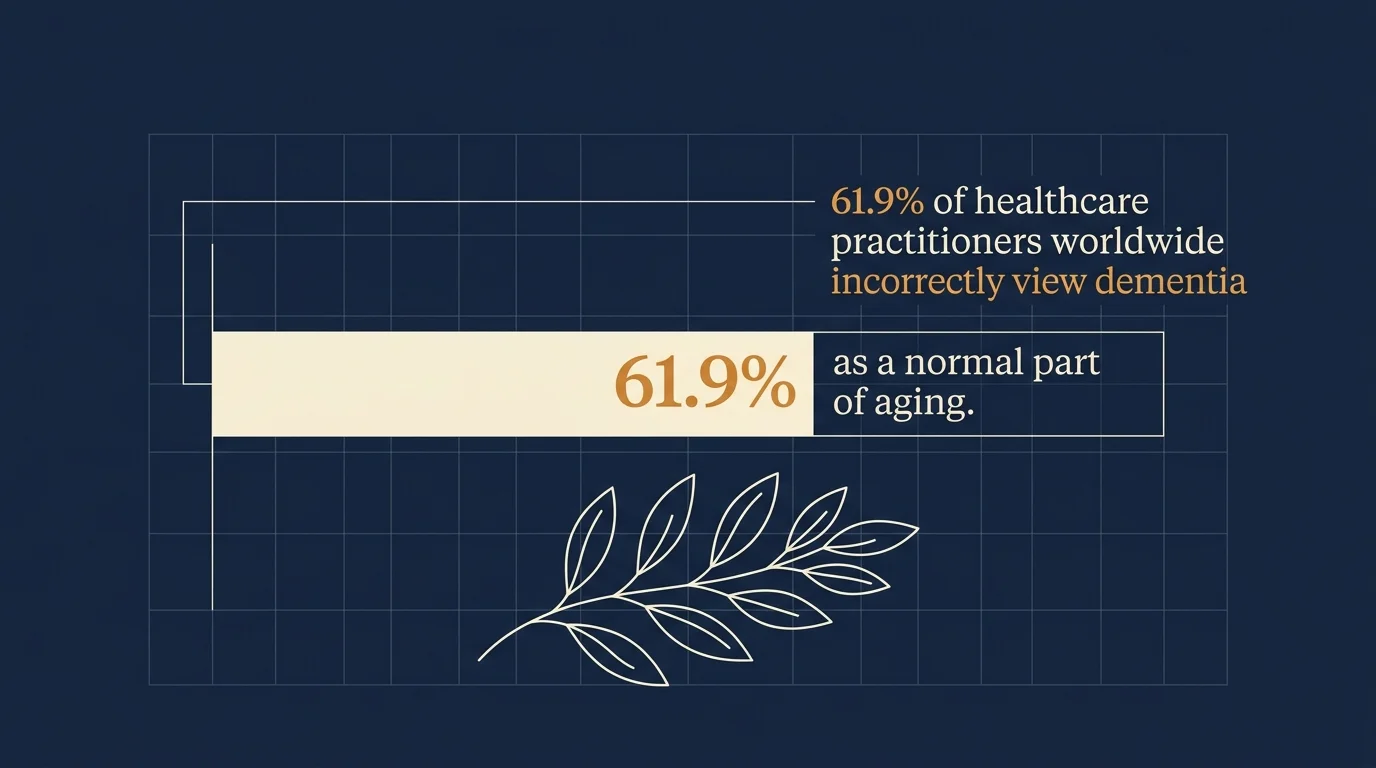
A widespread misconception assumes that severe cognitive loss inevitable accompanies old age. In fact, global surveys conducted by Alzheimer’s Disease International indicate that 61.9% of healthcare practitioners worldwide incorrectly view dementia as a normal part of aging. Dementia results from progressive cellular damage caused by specific disease processes, not normal growing older.

7 Key Differences Between Normal Forgetfulness and Serious Cognitive Decline
Distinguishing between benign memory slips and warning signs of progressive decline requires examining frequency, impact, and retraceability. Below are seven fundamental comparisons to help you evaluate cognitive changes.
1. Misplacing Items vs. Inability to Retrace Steps
Normal Forgetfulness: You put your reading glasses or house keys down in an unusual spot, like a bookshelf or bathroom counter. When you realize they are missing, you pause, systematically think back through your morning activities, and retrace your steps until you locate them.
Something More Serious: You place items in illogical, highly unusual places—putting your wallet inside the freezer or car keys inside a shoe. You have no recollection of placing them there and completely lose the cognitive capability to retrace your steps. Often, this inability to retrace leads to growing suspicion, causing individuals to accuse family members or caregivers of stealing their possessions.
2. Word-Finding Pauses vs. Persistent Vocabulary Loss and Repetition
Normal Forgetfulness: You experience a temporary “tip-of-the-tongue” moment while speaking. You pause for a second to recall a specific noun—such as “spatula” or “persimmon”—or you accidentally call a grandson by your son’s name before quickly correcting yourself.
Something More Serious: You frequently forget basic vocabulary, substituting odd or vague descriptions for everyday objects (for instance, calling a wristwatch a “hand clock” or a pen a “writing stick”). During conversations, you may stop mid-sentence with no idea how to continue, or repeat the exact same story, question, or comment multiple times within a 20-minute span.
3. Occasional Absentmindedness vs. Forgetting Familiar Faces and Key Info
Normal Forgetfulness: You briefly forget a new neighbor’s name at a block party or temporarily miss an appointment on your calendar, but you recall the information later or feel an immediate sense of recognition when reminded.
Something More Serious: You forget the names and identities of close family members, long-term friends, or primary caregivers. You lose track of major, deeply ingrained life milestones—such as your retirement year or marriage date—and no longer recognize people you have known for decades.
4. Brief Distractions vs. Breakdown in Executive Functioning
Normal Forgetfulness: You make a simple math error when balancing your checkbook, struggle briefly to adjust settings on a new smartphone, or forget an ingredient in a recipe because someone interrupted you.
Something More Serious: Your prefrontal cortex struggles with complex executive tasks. You lose the ability to manage monthly household finances, follow a familiar multi-step recipe, handle routine bill payments, or safely operate standard appliances like your microwave or oven.
5. Walking Into a Room Forgetting Why vs. Disorientation in Familiar Places
Normal Forgetfulness: You walk into the kitchen, stand in front of the refrigerator, and forget what you came to grab. Once you return to your living room desk, the original thought pops back into your head.
Something More Serious: You become disoriented or lost in places you have navigated for decades, such as your own neighborhood, favorite grocery store, or local church. You may forget where you are, how you arrived there, or how to navigate back home.
6. Temporary Fatigue or Irritability vs. Severe Personality Shifts
Normal Forgetfulness: You feel cranky or overwhelmed when tired, stressed, dealing with physical pain, or facing unexpected changes in your routine. Your underlying personality traits remain consistent.
Something More Serious: You display striking, uncharacteristic shifts in mood, personality, and social conduct. A lifetime of quiet, polite behavior might give way to severe agitation, paranoia, verbal aggression, or extreme apathy. Furthermore, judgment suffers dramatically; you might fall victim to obvious telemarketing scams, give away large sums of money, or dress inappropriately for cold weather conditions.
7. Momentarily Forgetting the Day vs. Losing Track of Seasons and Years
Normal Forgetfulness: You confuse Tuesday for Wednesday during a long weekend or vacation, but immediately clarify the date after checking your smartphone calendar.
Something More Serious: You lose track of dates, seasons, years, and the general passage of time. You might expect events from thirty years ago to happen today, struggle to comprehend why it is dark outside, or lose awareness of the current year entirely.
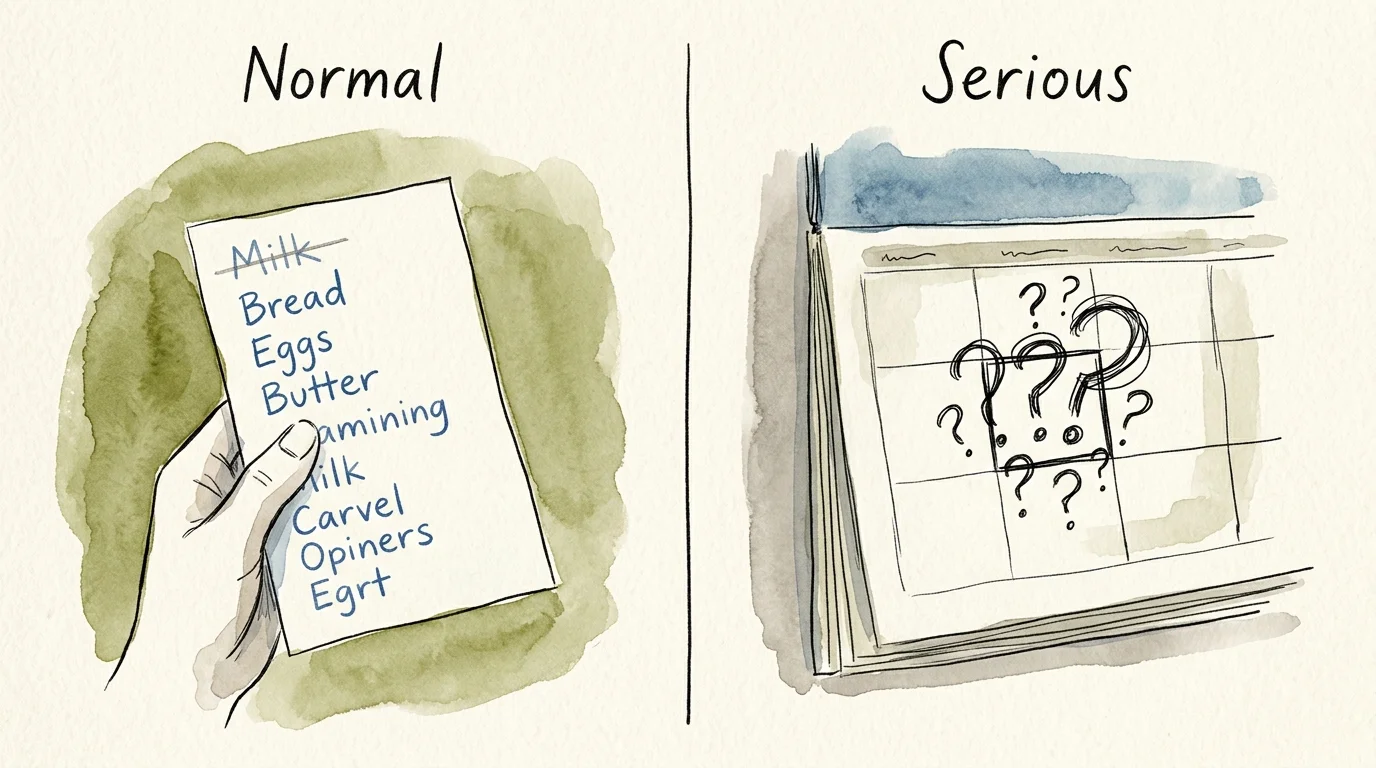
Comparing Normal Forgetfulness and Serious Warning Signs
Use this comparison table as a quick reference guide to analyze specific memory behaviors and evaluate their potential significance.
| Cognitive Domain | Normal Age-Related Memory Changes | Warning Signs of Serious Cognitive Decline |
|---|---|---|
| Item Retrieval | Misplacing items occasionally; successfully retracing steps to locate them. | Putting items in bizarre places; complete inability to retrace steps; accusing others of theft. |
| Communication | Pausing briefly to recall specific words; correcting minor naming slips. | Substituting incorrect words; losing train of thought mid-sentence; repeating stories endlessly. |
| Orientation | Confusing the day of the week briefly during vacations or unstructured days. | Getting lost in familiar neighborhoods; losing track of current seasons, years, or decades. |
| Executive Function | Making minor calculation errors; needing help setting up new electronic devices. | Inability to manage household bills, balance accounts, or follow basic multi-step recipes. |
| Behavior & Mood | Developing set routines; feeling irritable when established patterns break down. | Experiencing drastic personality shifts, unwarranted paranoia, apathy, or reckless financial judgment. |

Reversible Causes of Memory Loss You Should Never Ignore
Experiencing alarming memory lapses does not automatically signify incurable neurodegenerative disease. Numerous treatable medical, psychological, and physiological conditions directly impair cognitive performance. Identifying and treating these underlying triggers often fully restores memory function.
- Vitamin Deficiencies: Inadequate levels of Vitamin B12 and Vitamin D severely impact neural health. Vitamin B12 deficiency disrupts myelin sheath maintenance, leading to brain fog, confusion, and nerve numbness.
- Thyroid Dysfunction: An underactive thyroid (hypothyroidism) slows down bodily metabolic processes, producing profound sluggishness, depressive symptoms, and significant memory disruption.
- Medication Side Effects and Interactions: Sedatives, sleeping aids, anticholinergics, certain blood pressure medications, and antihistamines frequently cause central nervous system depression. Polypharmacy—taking multiple interacting prescriptions—regularly causes severe confusion in older adults.
- Sleep Apnea and Chronic Sleep Deprivation: Deep sleep allows your brain’s glymphatic system to clear away metabolic waste products accumulated throughout the day. Obstructive sleep apnea deprives the brain of oxygen and prevents restorative deep sleep, causing noticeable memory loss and executive dysfunction.
- Chronic Stress, Anxiety, and Depression: High levels of cortisol damage hippocampal neurons over time. Severe depression often causes “pseudodementia,” a condition where emotional distress mimics early cognitive decline. According to clinical research published by the American Psychological Association, managing severe psychological distress through therapy and medical care significantly improves cognitive speed and clarity.
- Acute Medical Infections: In older adults, systemic infections—especially Urinary Tract Infections (UTIs)—frequently trigger sudden, severe confusion known as delirium, which mimics rapid-onset dementia.
Myths Worth Debunking
Widespread cultural misunderstandings about aging and brain health generate unnecessary anxiety. Unpacking these myths helps you approach cognitive health with factual clarity.
Myth 1: “If you develop memory issues after age 60, Alzheimer’s disease is inevitable.”
Fact: Dementia is a pathology, not an unavoidable outcome of living longer. Millions of older adults retain sharp cognitive abilities well into their nineties. Furthermore, many memory issues stem from reversible conditions, metabolic imbalances, or sleep disorders.
Myth 2: “Forgetting names frequently means your brain is deteriorating rapidly.”
Fact: Name retrieval relies on complex neural associations. Mild delays in recalling proper nouns represent simple processing speed changes rather than structural brain damage.
Myth 3: “You cannot do anything to lower your risk of cognitive decline.”
Fact: Robust scientific research proves that lifestyle interventions—such as regular cardiovascular exercise, targeted nutritional habits, social engagement, and blood pressure management—significantly build cognitive reserve and reduce dementia risk.
“When we are no longer able to change a situation, we are challenged to change ourselves.” — Viktor Frankl, Neurologist and Psychiatrist

Practical Strategies to Strengthen Your Cognitive Reserve
Cognitive reserve refers to your brain’s ability to improvise, find alternate neural pathways, and work effectively around structural damage or stress. Building cognitive reserve enhances your resilience against age-related changes. Implement these actionable daily habits to protect your long-term brain health:
- Engage in Regular Aerobic Exercise: Physical activity increases blood flow to your brain and stimulates brain-derived neurotrophic factor (BDNF), a molecule that encourages neural growth and synaptic plasticity. Aim for 150 minutes of moderate aerobic activity—such as brisk walking, swimming, or cycling—each week.
- Adopt a Brain-Healthy Mediterranean or MIND Diet: Feed your brain nutrient-dense foods rich in antioxidants and healthy fats. Focus on leafy green vegetables, berries, nuts, olive oil, and fatty fish high in omega-3 fatty acids like salmon. Minimize processed sugars and trans fats, which promote neuroinflammation.
- Prioritize 7 to 9 Hours of Quality Sleep: Establish a strict sleep routine to optimize your brain’s clearing of amyloid proteins. Keep your bedroom cool and dark, limit screen exposure before bed, and consult a sleep specialist if you snore heavily or wake up unrefreshed.
- Foster Deep Social Connection: Social isolation significantly increases dementia risk. Maintain strong connections with friends, join local community groups, volunteer, or participate in group hobbies. Insights from Psychology Today emphasize that interactive social engagement stimulates neural networks far more effectively than isolated activities.
- Challenge Your Cognitive Processing: Engage in mental activities that force your brain to learn new skills. Take up a new musical instrument, study a foreign language, learn complex crafts, or practice strategic board games rather than relying exclusively on passive brain-training apps.
“The curious paradox is that when I accept myself just as I am, then I can change.” — Carl Rogers, Psychologist
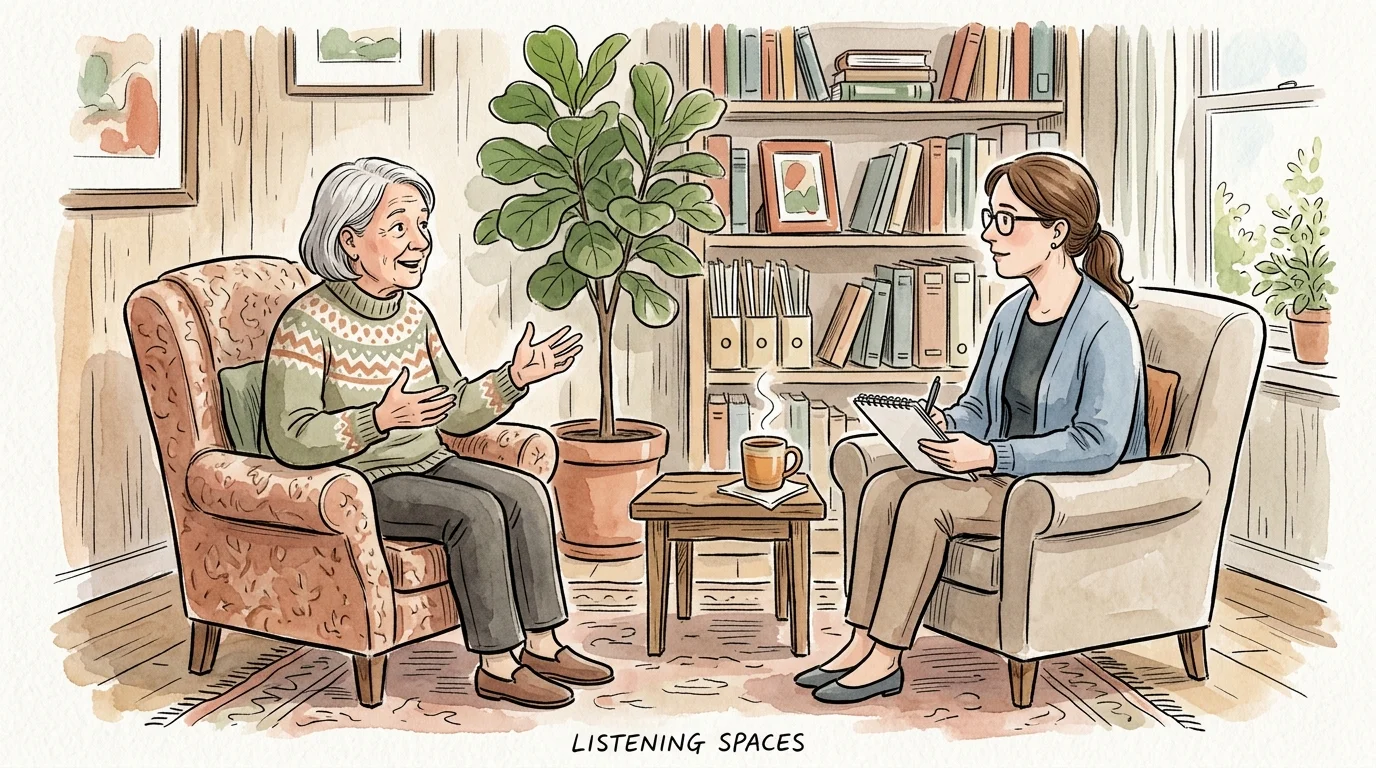
Signs It’s Time to Talk to a Doctor or Therapist
If you or your family members notice persistent changes in your memory, schedule an evaluation with a primary care physician or a neuropsychologist. Seeking medical insight early ensures prompt treatment of reversible causes and provides access to early interventions if progressive decline is present.
Watch for these specific scenarios that warrant professional support:
- Safety Incidents Occur: Leaving burners on unattended, failing to take critical medications properly, getting lost while driving, or making dangerous mistakes while operating machinery.
- Loved Ones Express Consistent Concern: Family members, close friends, or co-workers voice independent concerns about your memory, mood, or operational abilities.
- Functional Independence Impairment: Difficulty managing monthly utility bills, handling personal finances, maintaining personal hygiene, or organizing basic routines.
- Severe Anxiety or Mood Disturbance: Memory fears trigger panic, chronic worry, or social withdrawal. A therapist can evaluate you for depression or anxiety and help you develop effective coping strategies.
Comprehensive evaluations available through major healthcare resources, such as those published by the Mayo Clinic and Harvard Health, typically combine cognitive screening, blood panels, neuroimaging, and medication reviews to deliver an accurate diagnosis.
Frequently Asked Questions
Can severe stress or anxiety cause symptoms that look like dementia?
Yes. Chronic stress and high anxiety elevate cortisol levels, which impairs the hippocampus—the brain’s primary memory center. This often leads to poor focus, short-term memory lapses, and reduced mental clarity. Clinicians often refer to severe mood-induced cognitive impairment as pseudodementia, which typically resolves with appropriate therapeutic and lifestyle support.
What is the difference between Mild Cognitive Impairment (MCI) and dementia?
The primary distinction lies in daily functional independence. Individuals living with MCI experience measurable memory or thinking deficits compared to peers their age, but they can still manage complex daily tasks like cooking, driving, and handling finances independently. Dementia, by definition, interferes significantly with daily functioning and independence.
Are memory supplements effective at preventing cognitive decline?
Current clinical research does not support claims that over-the-counter memory supplements prevent or reverse dementia. The most proven methods for building cognitive reserve include cardiovascular exercise, quality sleep, blood pressure control, social engagement, and balanced nutrition.
What primary blood tests evaluate reversible memory loss?
Physicians routinely order comprehensive metabolic panels, complete blood counts, Vitamin B12 and folate tests, thyroid-stimulating hormone (TSH) assays, and screenings for underlying systemic infections or inflammatory markers to rule out non-neurological causes of confusion.
Navigating concerns about memory health requires balancing clear medical facts with self-compassion. Recognizing the clear distinction between normal age-related forgetfulness and serious cognitive warning signs gives you the clarity needed to protect your well-being. Focus on actionable habits that support your long-term vitality, and do not hesitate to reach out to healthcare professionals for a comprehensive evaluation whenever questions arise.
The information in this article is meant for educational purposes and general guidance. It does not replace individual therapy, counseling, or medical treatment. If you or someone you know is in crisis, contact the 988 Suicide & Crisis Lifeline by calling or texting 988.
Last updated: February 2026. Psychology research evolves continuously—verify current findings with professional sources.









Leave a Reply