

A persistent knot in your stomach when the calendar turns toward December often signals something far deeper than seasonal logistics. Holiday dread rarely stems from gift wrapping or busy travel schedules alone.
Instead, an overwhelming urge to avoid the festivities usually points to unresolved relational wounds, chronic burnout, or boundary violations. Your body registers these interpersonal friction points long before your conscious mind rationalizes them.
Examining your emotional resistance helps you distinguish ordinary festive stress from profound psychological distress. Recognizing these internal signals allows you to protect your nervous system and regain control over your well-being.

Understanding the Spectrum: Routine Stress vs. Deeper Holiday Dread
Almost everyone encounters temporary pressure between November and January. You might feel rushed while shopping, annoyed by flight delays, or irritated by long grocery lines.
According to a 2023 survey by the American Psychological Association, 89% of U.S. adults experience stress during the festive season. The study revealed that 41% notice an increase in stress compared to other months, while 43% say stress interferes with their ability to enjoy the season.
Deeper holiday dread operates on a completely different emotional frequency. It does not disappear when you finish your shopping or cross items off your to-do list.
Instead, deep dread activates primal threat responses. It reminds you of past emotional invalidation, neglect, or ongoing relational dysfunction.
The following comparison table illustrates the fundamental differences between surface festive stress and deep psychological dread.
| Factor | Routine Holiday Stress | Deeper Holiday Dread |
|---|---|---|
| Primary Cause | Logistical demands, time scarcity, and temporary fatigue. | Unresolved trauma, identity conflicts, and family dysfunction. |
| Physical Sensation | General tiredness or mild muscle tension. | Visceral panic, chronic gastrointestinal distress, or numbness. |
| Recovery Time | Improves quickly after a night of rest or a quiet weekend. | Persists for weeks and depletes your daily functioning. |
| Emotional Root | Situational overwhelm caused by packed schedules. | Anticipation of boundary violations and emotional regression. |
| Relational Impact | Short-term irritability with partners or friends. | Dissociation, intense resentment, or total emotional shutdown. |
Recognizing where your symptoms fall on this spectrum provides clarity. When you understand your distress, you stop judging yourself for feeling disconnected from the seasonal celebrations.
The 8 Signs Your Holiday Dread Runs Deeper
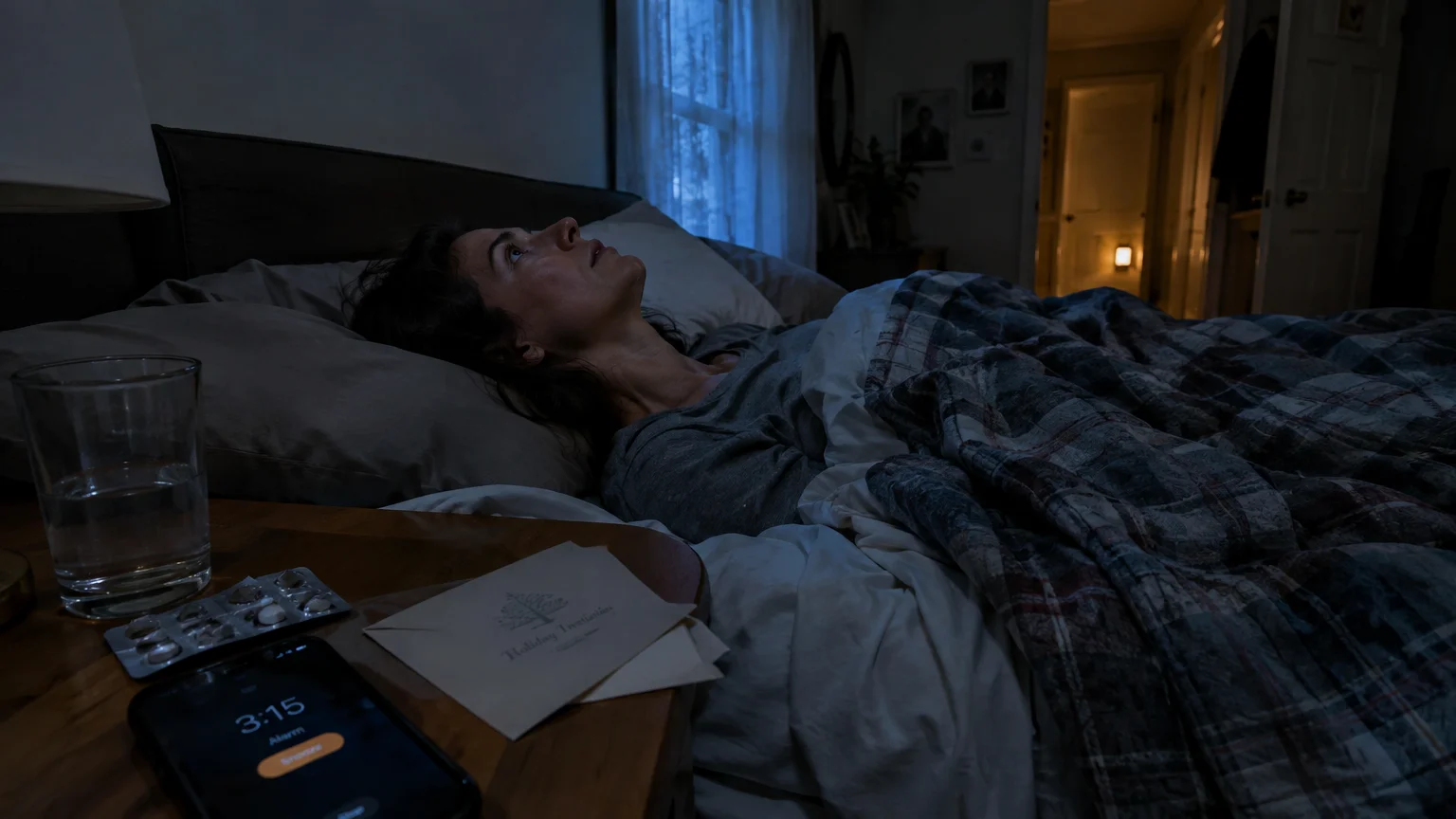
Holiday dread manifests through distinct cognitive, behavioral, and somatic patterns. Identifying these specific signs empowers you to address the root causes rather than treating superficial symptoms.
1. You Experience Visceral Somatic Distress Days in Advance
Your nervous system often sounds the alarm before your conscious mind acknowledges emotional danger. You might experience chronic migraines, sudden insomnia, muscle tension, or stomach cramps weeks before a family gathering.
These reactions reflect autonomic nervous system dysregulation. When past environments felt unsafe or hypercritical, your body categorizes returning to those spaces as an existential threat.
The body stores unresolved emotional memory; physical symptoms represent an involuntary fight-or-flight defense against impending emotional exposure.
If your body shuts down or enters hyperarousal simply from looking at an invitation, pay attention. Your somatic distress indicates an environment that consistently violates your psychological safety.
2. You Revert to Suppressed Childhood Roles
You may function as an assertive, capable adult in your daily life yet feel completely powerless when walking into your family home. Suddenly, you become the quiet peacekeeper, the invisible child, or the defensive outcast.
Psychologists call this phenomenon behavioral regression. When you re-enter old relationship dynamics, unspoken family scripts demand that you resume your former childhood position.
Playing an outdated, diminutive role requires immense psychic energy. Suppressing your authentic adult identity creates an agonizing internal conflict that fuels profound resentment.
Dreading the holidays often means dreading the version of yourself you must inhabit to keep other people comfortable.
3. Unprocessed Grief Eclipses the Seasonal Cheer
Festive traditions act as magnifying glasses for absence. Empty chairs at dinner tables, missing phone calls, and disrupted customs highlight loss with painful clarity.
Data from the American Psychiatric Association Healthy Minds Poll indicates that 48% of adults anticipating seasonal stress identify grief and missing loved ones as a leading factor. Grief during the holidays extends beyond physical death.
You may also mourn the loss of what never was: an emotionally mature parent, a supportive family network, or a secure childhood. Cultural messages promoting joyful reunions often intensify this ambiguous grief.
If holiday music or festive lights bring sorrow rather than happiness, your dread is rooted in unaddressed bereavement. Acknowledging that grief allows you to process it honestly instead of forcing artificial cheer.
4. You Fantasize About Total Social Disappearance
Do you catch yourself daydreaming about missing a flight, coming down with an illness, or fleeing to an isolated cabin? Fantasizing about drastic escapes suggests that you feel completely trapped by social obligations.
Avoidance fantasies represent a defensive psychological boundary. When you believe you cannot set direct limits, your brain invents external crises to grant you permission to rest.
This reaction highlights severe boundary fatigue. You dread the holidays because you believe you cannot decline invitations without causing catastrophic interpersonal fallout.
Your mind craves solitude because it views social connection as an exhausting performance that costs you your autonomy.
5. You Rely on Compulsive Masking and People-Pleasing
Many individuals survive festive gatherings through fawning, a trauma response centered on appeasing others to neutralize potential conflict. You might obsess over presenting a flawless image, smiling constantly, and laughing off passive-aggressive commentary.
Clinical resources on Psychology Today emphasize that people-pleasing functions as an anxiety management strategy. You prioritize the emotional comfort of others while abandoning your own needs.
Masking your genuine thoughts, beliefs, and emotions creates profound psychological alienation. You leave interactions feeling depleted because no one engaged with your authentic self.
The dread you experience reflects the immense labor required to maintain this exhausting emotional performance for hours or days.
6. Financial Pressure Triggers Scarcity and Shame
The commercial pressure of the season frequently activates deeper financial trauma and socioeconomic anxiety. According to the APA 2023 stress survey, 58% of adults cite financial strain as a primary holiday stressor.
For individuals who grew up with economic instability, seasonal spending triggers visceral survival panic. Purchasing gifts, traveling, and hosting events can evoke painful childhood memories of deprivation.
Furthermore, societal expectations link gift-giving to love and self-worth. When you cannot afford extravagant gifts, you may experience internalized shame and inadequacy.
Your dread might not stem from stinginess, but from the acute terror of jeopardizing your hard-won financial security.
7. Your Pre-Existing Mental Health Symptoms Spike
If you live with depression, anxiety, or post-traumatic stress, the festive season often exacerbates your baseline symptoms. Shorter daylight hours, disrupted sleep schedules, and dietary changes further destabilize your mood.
Findings from the National Alliance on Mental Illness (NAMI) indicate that 64% of people with mental health conditions feel their conditions worsen around the holidays. The survey highlighted loneliness (66%) and overwhelming expectations (63%) as major drivers.
Holiday depression signs frequently include social withdrawal, disrupted sleep patterns, anhedonia, and sudden crying spells. These symptoms indicate clinical distress rather than simple holiday blues.
When pre-existing conditions flare up, managing basic daily functioning requires all your strength, leaving zero reserve capacity for holiday parties.
8. Boundary Crossings Trigger Cold Resentment
Healthy relationships allow for differences in opinion, lifestyle choices, and personal autonomy. Dysfunctional family systems, however, often treat healthy boundaries as personal attacks.
You may anticipate invasive questions regarding your marital status, reproductive choices, career progress, or physical appearance. Knowing that relatives will disregard your requests for privacy generates intense, anticipatory resentment.
Resentment serves an important diagnostic purpose; it alerts you that your personal boundaries have been repeatedly crossed. You dread holiday gatherings because you anticipate being disrespected in spaces where you should feel loved.
When family interactions consistently compromise your dignity, dread is a logical self-protective mechanism.
The Psychology of Festive Regression and Family Systems
Family systems theory provides valuable insight into why holiday dread feels so overwhelming. Developed by psychiatrist Murray Bowen, this framework explains that families operate as complex emotional units.
Within any family unit, members develop interdependent roles to maintain homeostasis. When you mature and develop independent values, you disrupt the established family balance.
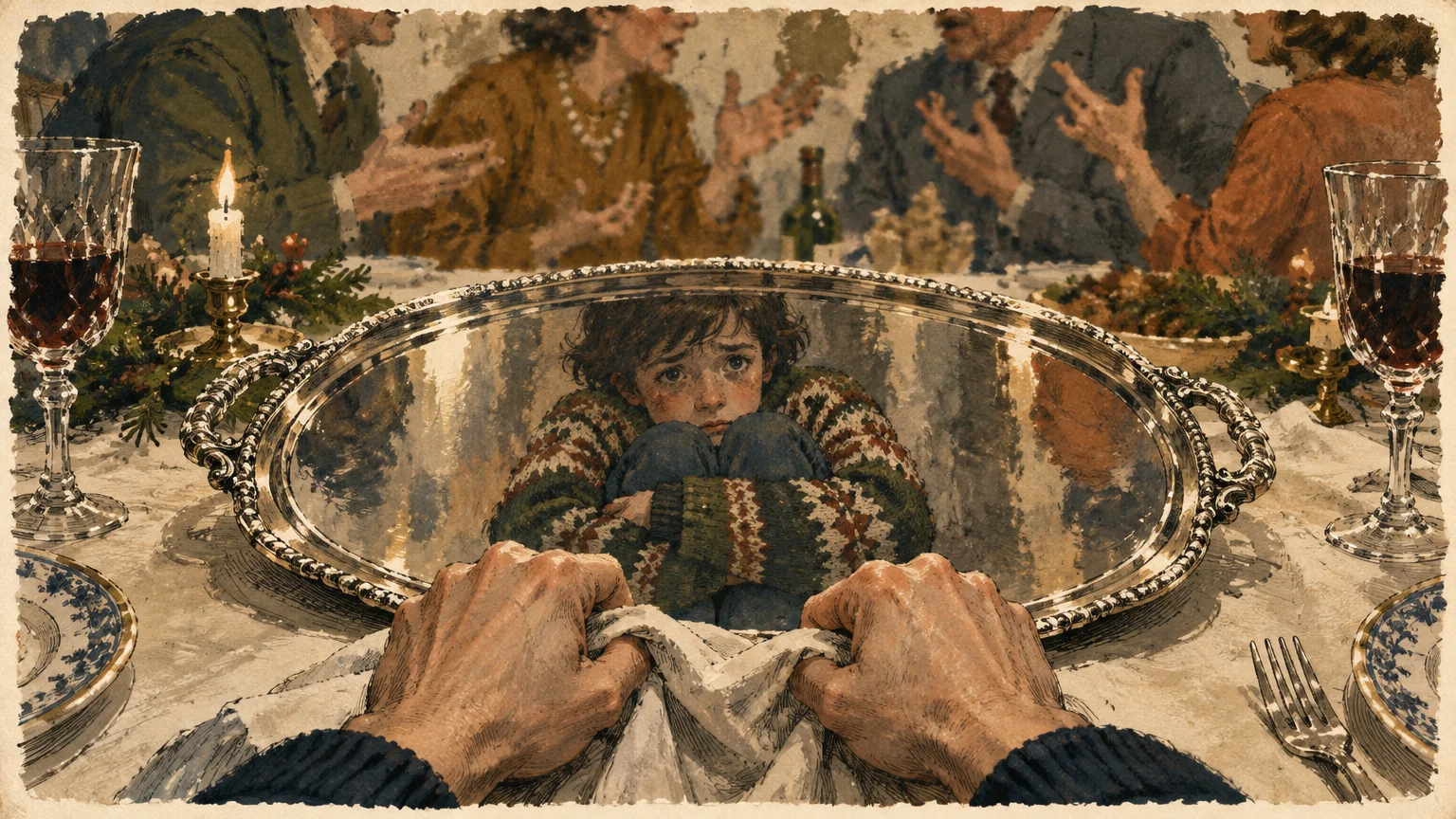
Holiday gatherings compress these dynamics into intense, confined environments. Relatives often pressure nonconforming individuals to abandon their adult identities and conform to the historic family mold.
“Daring to set boundaries is about having the courage to love ourselves, even when we risk disappointing others.” — Brené Brown, Ph.D., LMSW
According to relationship research from The Gottman Institute, emotional connection thrives only when individuals experience safety and mutual respect. When psychological safety disappears, defensive emotional barriers naturally arise.
Understanding these systemic forces removes the burden of personal blame. You are not failing at family life; you are navigating a rigid system that resists healthy personal evolution.

Common Misconceptions About Seasonal Mental Health
Pervasive cultural myths often invalidate genuine emotional pain during the holidays. Deconstructing these misunderstandings helps you validate your experience and approach yourself with compassion.
Misconception 1: Dreading the Holidays Means You Lack Gratitude
People often view seasonal sadness as ungrateful or cynical behavior. Society tells us that having food, shelter, and family should automatically produce happiness.
In reality, gratitude and emotional pain exist simultaneously. You can feel thankful for your life while simultaneously mourning fractured relationships or navigating severe nervous system burnout.
Misconception 2: Blood Ties Require Unconditional Access
Cultural scripts demand complete availability for biological relatives during the holidays, regardless of toxic behavioral history. This belief implies that sharing genetic material overrides your need for safety.
Psychological health requires recognizing that access to your life must be earned through respect. You are not obligated to subject yourself to emotional abuse simply because of a holiday tradition.
Misconception 3: The Holiday Blues Resolve Automatically in January
Many believe that seasonal dread evaporates the moment New Year celebrations finish. People assume that turning the calendar immediately resets emotional well-being.
When holiday dread stems from unresolved trauma or severe mood disorders, the consequences linger for months. Ignoring underlying psychological distress guarantees that the same crisis will resurface next year.
Actionable Strategies for Coping with the Holidays
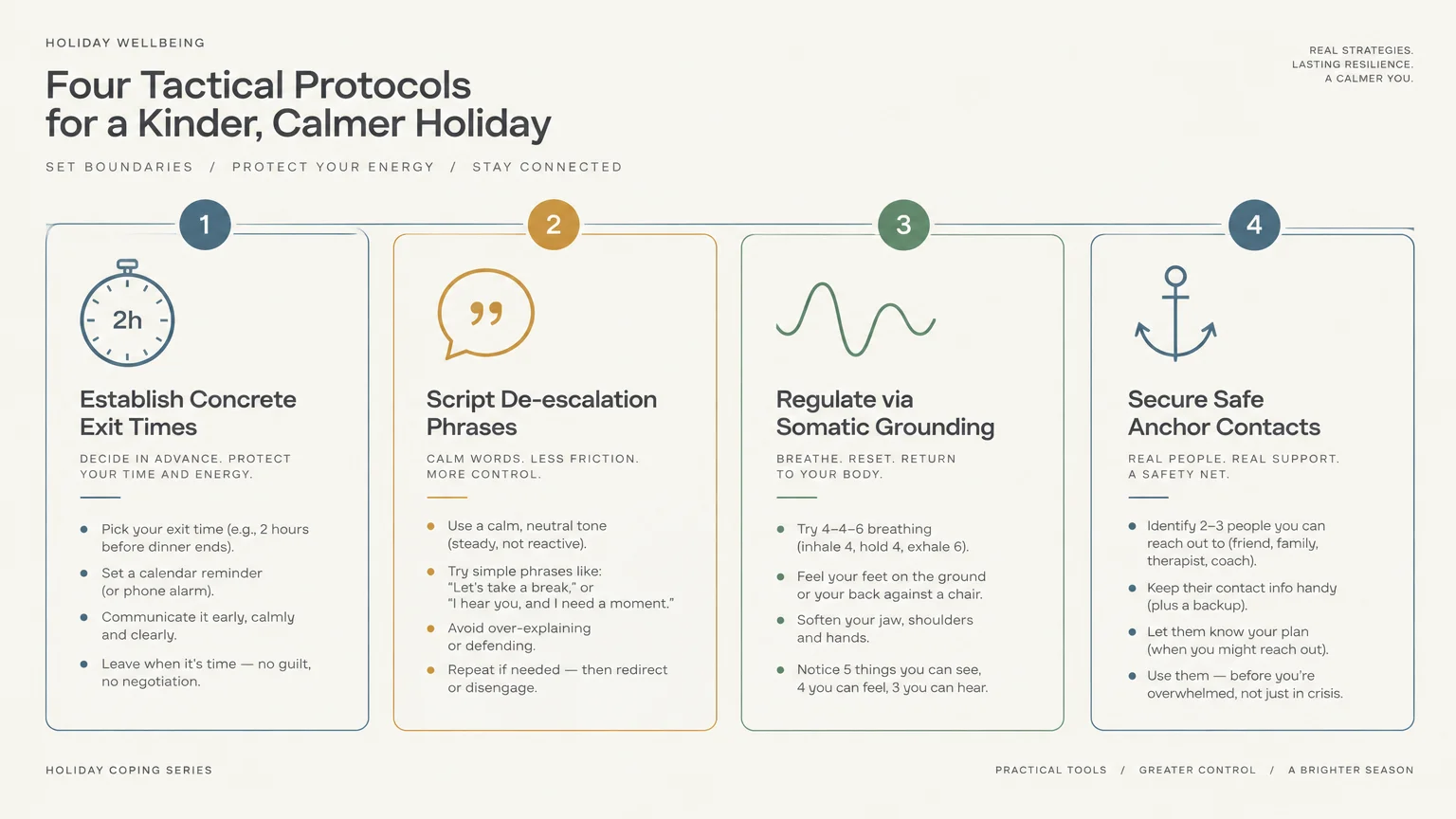
Coping with the holidays requires intentional, research-backed strategies designed to protect your nervous system. Rather than hoping for the best, implement these concrete actions to safeguard your mental health.
- Establish non-negotiable arrival and departure times: Decide how long you will stay before you arrive. Having a predetermined exit plan prevents emotional exhaustion.
- Deploy polite, scripted boundary responses: Prepare simple phrases for intrusive questions. You might say, “I am focusing on other projects right now, so let us talk about your garden.”
- Secure private decompression spaces: Identify a quiet bedroom, a nearby park, or your vehicle where you can retreat for ten minutes to reset your sensory system.
- Use bilateral stimulation and grounding exercises: Practice slow diaphragmatic breathing and identify five physical objects around you to calm an activated nervous system.
- Curate your own meaningful holiday rituals: Replace traditions that evoke distress with new practices that reflect your personal values, whether cooking a quiet meal or volunteering.
- Designate an external emotional anchor: Coordinate with a supportive partner, friend, or therapist who can provide grounding texts or calls throughout the day.
Practicing these techniques alters your relationship with the season. You transition from a passive victim of holiday stress and anxiety into an active guardian of your emotional energy.

Finding the Right Professional Help
While self-care strategies offer vital relief, deep psychological dread often warrants specialized clinical guidance. Seeking professional support gives you evidence-based tools to process underlying trauma and develop resilient boundaries.
Consider seeking individual psychotherapy if you encounter any of the following scenarios:
- Your physical health deteriorates: You experience persistent insomnia, digestive distress, panic attacks, or chronic pain linked directly to upcoming seasonal events.
- You rely on maladaptive coping habits: The APA notes that 38% of adults turn to negative coping mechanisms during the holidays; if you rely heavily on alcohol, substances, or extreme isolation, seek care.
- You experience intrusive trauma memories: Family gatherings trigger emotional flashbacks, dissociation, or intense feelings of worthlessness linked to past adverse experiences.
- Depressive symptoms impair basic functioning: You struggle to maintain your work, nutrition, or hygiene routines due to pervasive hopelessness and despair.
Evidence-based modalities like Cognitive Behavioral Therapy (CBT), Eye Movement Desensitization and Reprocessing (EMDR), and Internal Family Systems (IFS) can help untangle these complex dynamics.
The information in this article is meant for educational purposes and general guidance. It does not replace individual therapy, counseling, or medical treatment. If you or someone you know is in crisis, contact the 988 Suicide & Crisis Lifeline by calling or texting 988.
Frequently Asked Questions About Holiday Dread
Why do I get depressed right before the holidays start?
Anticipatory anxiety frequently triggers early depressive symptoms. Your nervous system remembers past seasonal conflicts and mounts a defensive, low-energy response to protect you from anticipated emotional stress.
How do I tell my family I am skipping the holidays?
Deliver your decision clearly without over-explaining or apologizing excessively. You can state, “I am taking time to rest and recharge quietly this season, so I will not be attending this year.”
Can seasonal affective disorder cause holiday dread?
Yes, Seasonal Affective Disorder (SAD) significantly amplifies holiday dread. Reduced daylight alters serotonin and melatonin regulation in the brain, decreasing your tolerance for social and emotional demands.
How can I manage holiday grief while everyone else is celebrating?
Give yourself permission to opt out of celebratory expectations and honor your feelings directly. Designate quiet moments to remember your loved one, and engage only in gatherings that feel safe and supportive.
Moving Forward with Clarity and Agency
Dreading the festive period does not signify a personal failure, an inability to love, or a broken character. It reveals that your authentic self is rejecting environments, demands, or expectations that harm your health.
You possess the autonomy to design a life that honors your psychological boundaries. By listening to what your dread is communicating, you can step off the treadmill of obligation and construct a holiday season that genuinely restores your spirit.
Last updated: February 2026. Psychology research evolves continuously—verify current findings with professional sources.







Leave a Reply