

You might pride yourself on keeping your cool when conflict strikes, yet your unexpressed frustration never truly disappears. Instead, emotional suppression forces feelings underground, where they seep into your daily habits and relationships.
When you habitually swallow resentment, your mind and body find indirect ways to release the pressure. Identifying these hidden cues helps you reclaim authentic emotional health before quiet anger erodes your peace.
Recognizing suppressed anger signs early allows you to address boundary violations before they damage your self-worth. Here are nine clear behavioral patterns that show your calm exterior is masking buried frustration.
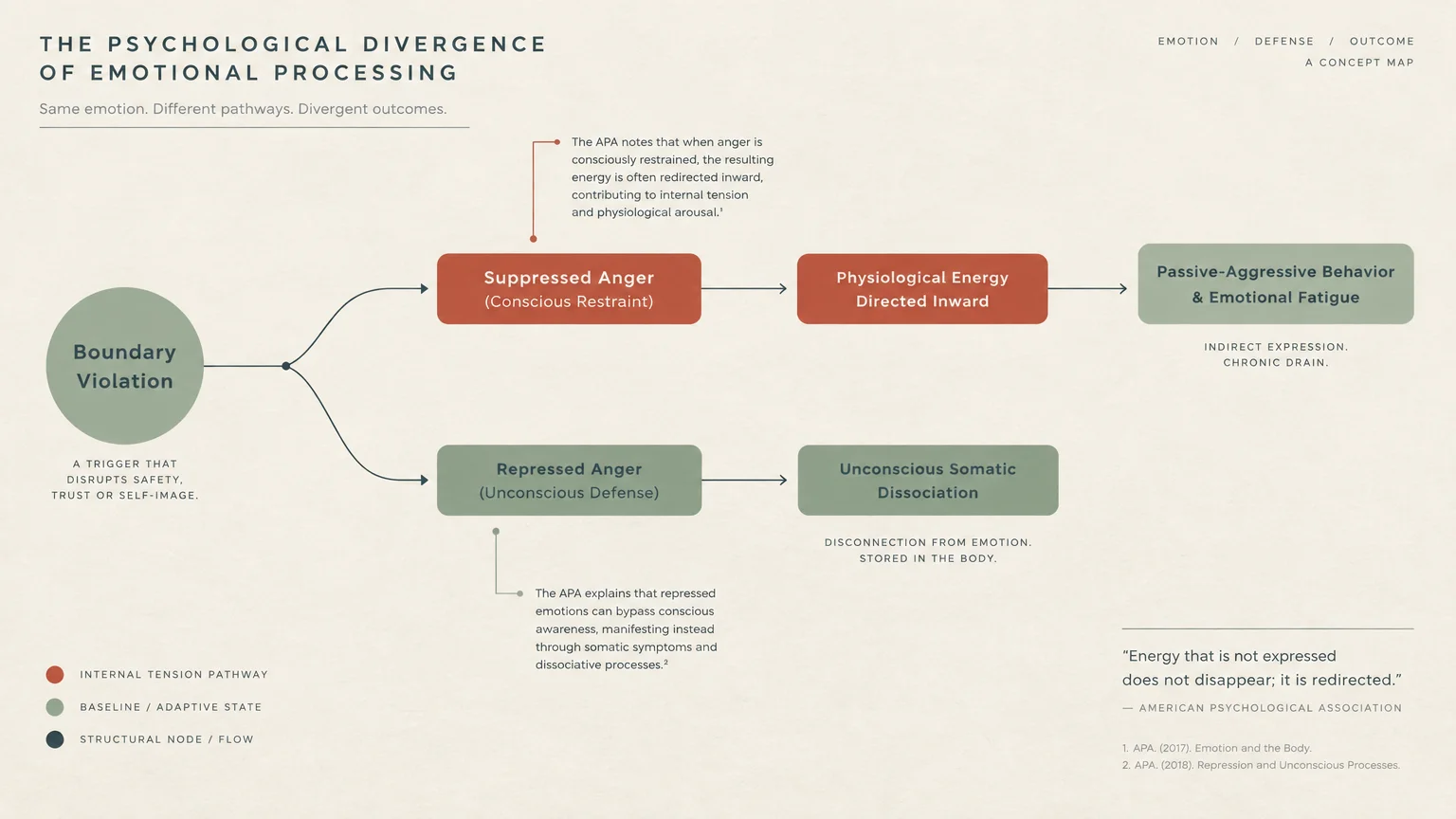
The Hidden Mechanics of Anger Psychology
Anger serves as a natural psychological alarm bell designed to signal boundary violations and unfair treatment.
According to the American Psychological Association, suppressing this emotion turns its physiological energy inward.
While repressed anger remains completely unconscious, suppressed anger involves a deliberate, conscious decision to stifle your legitimate frustration.
Over time, holding back feelings fosters emotional fatigue and fuels passive aggressive behavior toward the people around you.
“We cannot selectively numb emotion. If we numb the dark, we numb the light.” — Brené Brown, Ph.D., LMSW
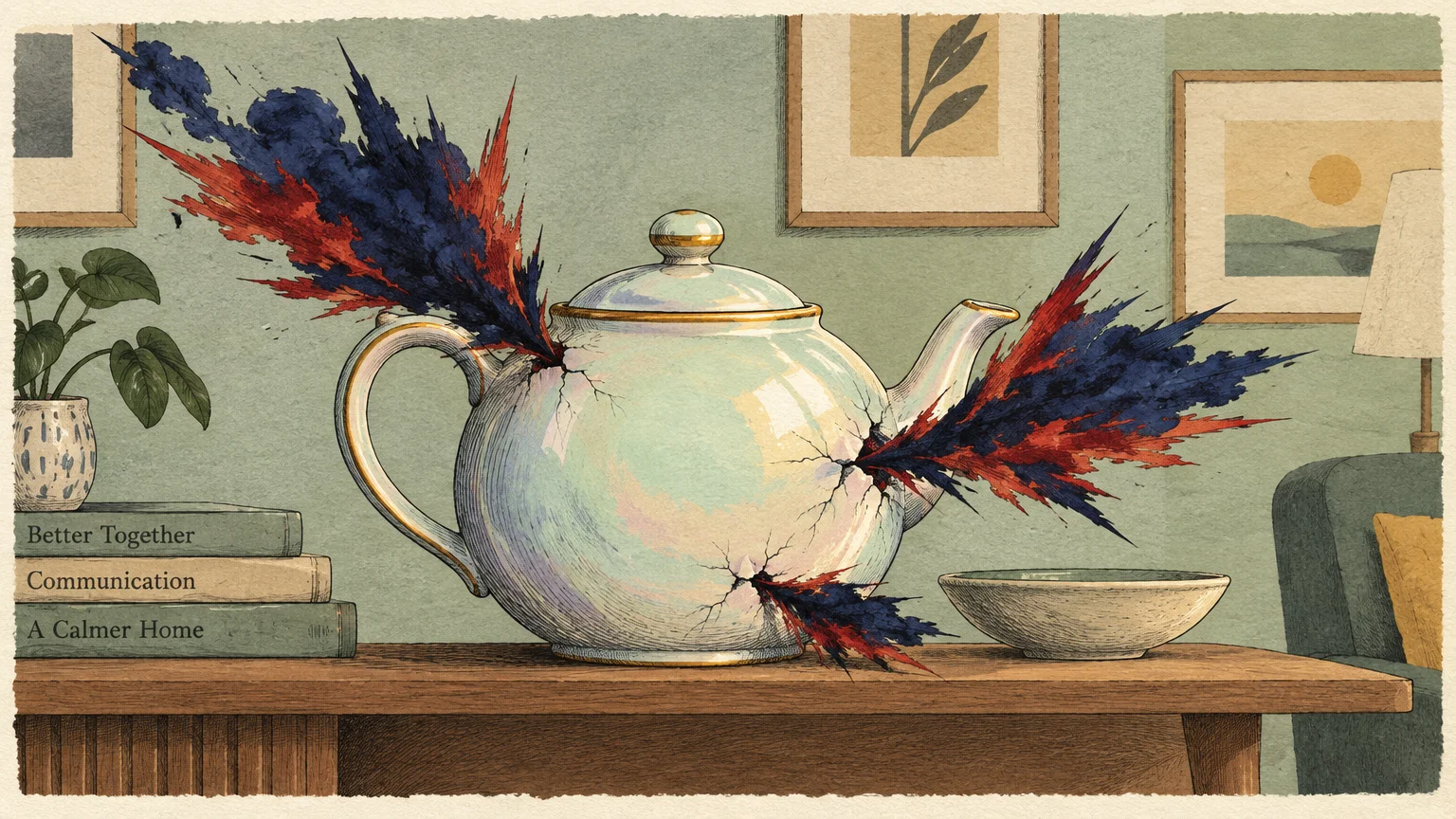
9 Behaviors That Reveal Buried Hostility
1. Weaponized Sarcasm and Cutting Jests
You might disguise resentment behind sharp wit or sarcastic barbs, aiming to sting without taking accountability.
When called out, individuals hiding anger often retreat behind familiar defensive claims like “I was only joking.”
This habit allows you to release hostility while evading the vulnerability of direct, honest dialogue.
2. Habitual Procrastination on Agreements
Chronic delays on shared chores or promised commitments frequently reflect unexpressed defiance rather than poor time management.
You agree verbally to avoid immediate confrontation, yet your underlying irritation sabotages your follow-through.
This covert resistance lets you assert control while maintaining the appearance of a cooperative partner.
3. Chronic People-Pleasing Followed by Sudden Ghosting
You might say “yes” to every request out of fear that speaking up will provoke conflict.
Beneath this eager accommodation lies a mounting ledger of silent sacrifices and unexpressed bitterness.
Eventually, the emotional debt overwhelms you, leading to sudden emotional withdrawal or complete social ghosting.
4. Somatic Pain and Physical Clenching
Suppressed emotions inevitably demand physical payment from your cardiovascular and muscular systems.
Research from Harvard Health notes that internalizing hostility correlates with hypertension, muscle aches, and chronic gastrointestinal distress.
If you notice chronic jaw clenching, tight shoulders, or frequent tension headaches, your body is likely holding unaddressed fury.
5. Stonewalling and Feigned Neutrality
Responding with flat phrases like “I am totally fine” often conceals deep emotional turbulence.
Data from The Gottman Institute identifies stonewalling as a destructive habit that erects an emotional wall against connection.
By freezing someone out, you punish them without ever discussing the root grievance that sparked your withdrawal.
6. Disproportionate Irritability Over Minor Inconveniences
A spilled cup of coffee or a sluggish driver should not trigger an explosive emotional spiral.
When your internal emotional vessel is already full of suppressed hostility, minor disruptions cause it to overflow.
These outsized reactions indicate that your daily annoyance is simply channeling deeper, unresolved conflicts.
7. Compulsive Micromanagement and Rigidity
When you cannot safely express anger toward a person, you may attempt to control your external environment instead.
You obsess over immaculate order, strict schedules, or specific procedures to create an illusion of inner stability.
This hyper-vigilance keeps vulnerable feelings locked away beneath a rigid veneer of administrative control.
8. Triangulation and Displaced Venting
Instead of confronting the person who crossed your boundaries, you complain to neutral friends or coworkers.
Psychologists call this triangulation; it relieves immediate internal pressure without addressing the actual problem.
This gossip sustains your victim stance while keeping the genuine issue safely insulated from real resolution.
9. Icy, Over-Polite Detachment
You drop your natural warmth and adopt an excessively formal, cold tone toward someone who hurt you.
This clinical politeness signals total emotional disconnection while maintaining impeccable manners.
You withhold genuine intimacy as a subtle penalty, leaving the other person feeling isolated and rejected.

Comparing Styles of Anger Expression
| Anger Style | Primary Behavior | Internal Cost | Relational Outcome |
|---|---|---|---|
| Suppressed Anger | Passive withdrawal, sarcasm, somatic clenching | Depression, somatic tension, emotional fatigue | Slow erosion of trust and quiet estrangement |
| Explosive Anger | Shouting, intimidation, aggressive blaming | Cardiovascular strain, post-outburst guilt | Immediate fear, alienation, loss of safety |
| Assertive Expression | Direct “I” statements, calm boundary setting | Clarity, emotional relief, nervous system regulation | Mutual respect, problem resolution, deeper intimacy |
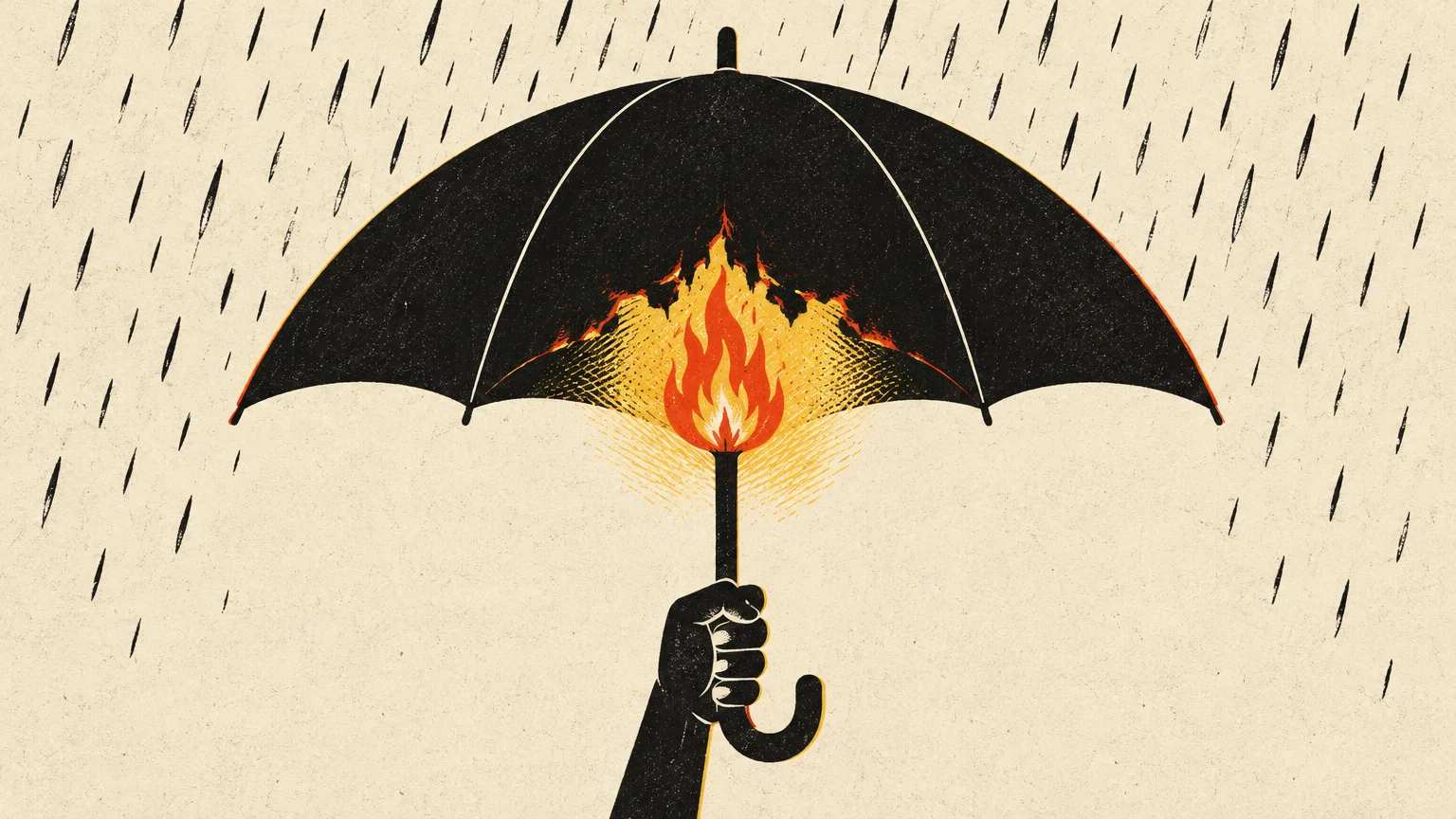
Patterns to Watch For: Common Misconceptions
Many people mistake silence for maturity, believing that never raising your voice equates to emotional health.
However, silent resentment poisons relationships just as reliably as overt shouting matches.
Another pervasive myth claims that ignoring difficult feelings makes them fade away on their own.
Emotional suppression simply stores that energy in your body, where it festers into chronic stress.
Finally, anger is not an inherently destructive emotion; it is an instructive signal of violated values.

4 Actionable Steps to Release Buried Anger
Reversing habitual emotional suppression requires intentional self-awareness and courageous communication.
- Map Your Somatic Cues: Notice physical indicators like clenched fists, tight jaws, or shallow breathing before your mind rationalizes them away.
- Identify the Underlying Boundary Breach: Ask yourself what personal rule, expectation, or boundary was crossed to trigger this reaction.
- Practice Direct “I” Statements: Clearly articulate your experience using phrases like “I felt dismissed when that decision was made without me.”
- Discharge Stored Physical Energy: Engage in vigorous movement, brisk walking, or intentional breathwork to metabolize stress hormones naturally.
Applying these steps consistently helps you transition away from hidden anger into healthy, assertive self-advocacy.
Over time, acknowledging your genuine feelings fosters deep self-trust and improves emotional security in your connections.

When Self-Help Isn’t Enough
While self-reflection helps, unearthing lifelong patterns of repressed anger behaviors often benefits from professional guidance.
Consulting a licensed therapist can provide tailored strategies when personal coping mechanisms fall short.
Seek professional mental health support if you experience any of the following signs:
- Your hidden resentment leads to severe somatic symptoms, sleep disruptions, or digestive illnesses verified by medical doctors.
- Unexpressed rage regularly bursts into reckless behavior, substance misuse, or intrusive thoughts of harm.
- Chronic emotional numbness and passive aggressive behavior are dissolving your most important personal or professional partnerships.
- Your anger roots stem from unresolved childhood trauma or chronic emotional neglect that feels overwhelming to untangle alone.
Therapeutic modalities like Cognitive Behavioral Therapy (CBT) provide structured environments to process hostility safely.
Organizations like the Cleveland Clinic emphasize that therapy helps transform destructive anger into healthy assertiveness.
Frequently Asked Questions
What is the primary difference between suppressed and repressed anger?
Suppressed anger is a conscious choice to withhold your frustration and avoid confrontation.
In contrast, repressed anger is pushed into your unconscious mind, leaving you completely unaware of your hostility.
Can unexpressed anger cause chronic physical health problems?
Yes, chronic emotional suppression keeps your body in a persistent fight-or-flight state, releasing excessive stress hormones.
Clinical guidance from the Mayo Clinic links unmanaged hostility to high blood pressure, digestive disorders, and cardiovascular strain.
How does hidden anger damage romantic partnerships?
Hidden anger creates an emotional wall between partners through passive-aggressive remarks, sarcasm, and withdrawal.
Over time, this dynamic destroys intimacy and replaces mutual trust with chronic defensiveness and resentment.
Why do I feel intense guilt whenever I experience anger?
Many people learn in childhood that expressing anger leads to rejection, punishment, or conflict.
You may internalize the belief that anger is bad, causing immediate guilt whenever the emotion naturally arises.
Moving Forward with Emotional Authenticity
Acknowledging suppressed anger is not a moral failing; it is the first step toward honest self-discovery.
When you treat your anger as valuable information rather than a flaw, you can build healthier boundaries.
This article provides general educational information about psychology and relationships. It is not a substitute for professional therapy or medical advice.
Everyone’s situation is unique—if you’re struggling, please reach out to a licensed mental health professional.
Last updated: February 2026. Psychology research evolves continuously—verify current findings with professional sources.









Leave a Reply