
When chronic stress quietly takes root in your daily life, your nervous system triggers physical alarms long before your mind consciously processes the overload. Recognizing these subtle somatic cues gives you the power to intervene before burnout or physical exhaustion takes over. According to the American Psychological Association, 77% of adults regularly experience physical symptoms of stress, ranging from persistent muscle tightness to unexplained digestive issues. While short-term stress prepares your body to respond to immediate threats, long-term exposure to elevated stress hormones rewires your physiology. Learning to decipher these physical signals helps you restore balance, protect your health, and rebuild emotional resilience.
Understanding How Chronic Stress Highjacks Your Physiology
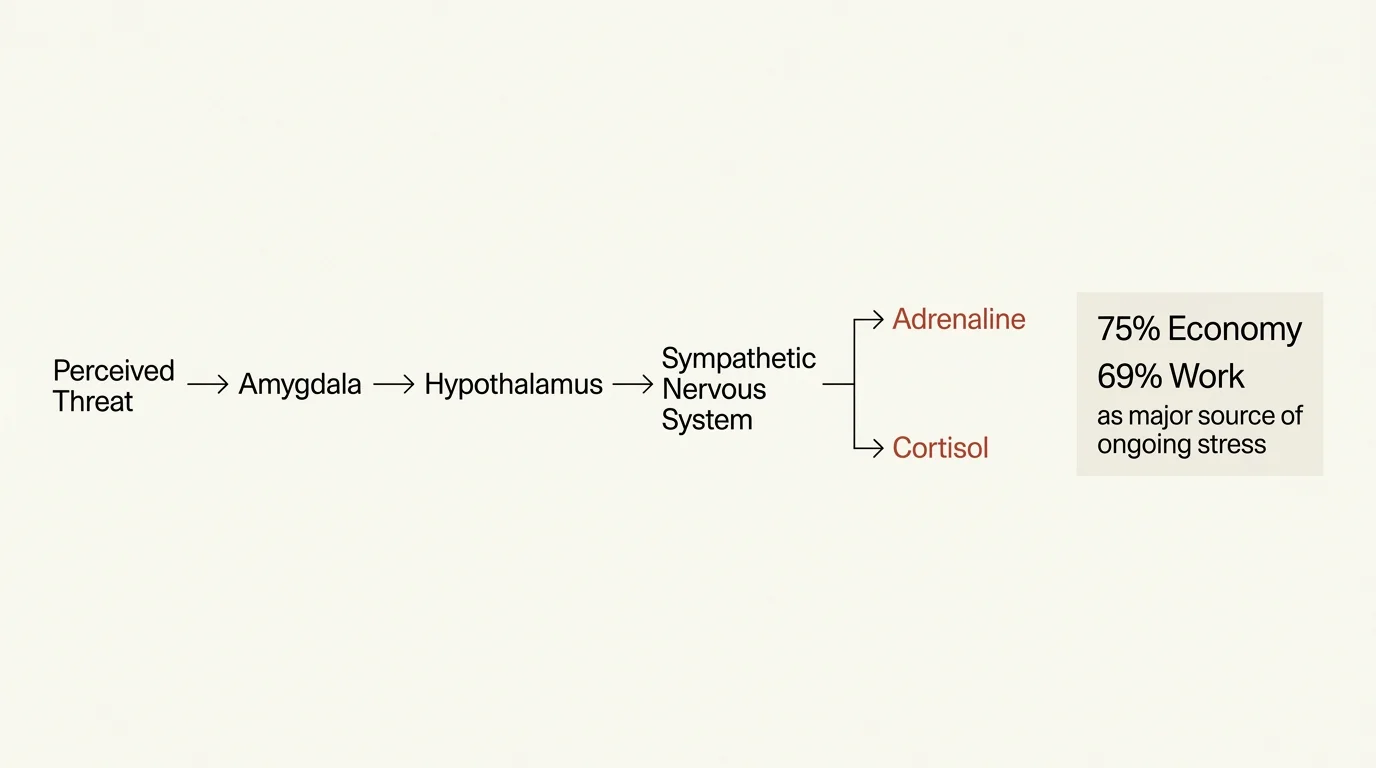
Stress is not merely an emotional state or a psychological burden; it is a full-body physiological event. When you encounter a perceived threat, your brain’s amygdala signals your hypothalamus to activate the sympathetic nervous system. This response triggers a surge of adrenaline and cortisol, priming your heart to pump faster, your airways to dilate, and your muscles to tense for battle or flight. In evolutionary terms, this mechanism saved human lives from physical predators.
Modern stressors—such as economic pressures, workplace demands, and constant digital connectivity—rarely resolve with physical activity. According to the American Psychological Association 2025 Stress in America report, 75% of adults cite the economy and 69% cite work as major sources of ongoing stress. When these environmental demands never abate, your body remains stuck in a state of hypervigilance. Over time, elevated cortisol levels and continuous nervous system activation generate an elevated allostatic load—the physiological wear and tear that accumulates when your body experiences chronic, unrelenting stress.

1. Persistent Muscle Tension and Unexplained Body Aches
When your nervous system senses continuous pressure, it instructs your muscles to remain in a guarded state to protect against potential trauma. In acute situations, this bracing reflex dissipates once the threat passes. Under chronic stress, however, your muscles rarely receive the signal to relax completely.
You might notice a constant tightness in your shoulders, an aching upper back, or a stiff neck that massage only temporarily relieves. Chronic muscle guarding restricts blood circulation to localized tissue, causing micro-inflammation and pain. Over time, this sustained muscular contraction converts emotional burden into persistent somatic distress, leaving your neck, back, and shoulders feeling permanently exhausted.
2. Chronic Digestive Issues and Gut Disruptions
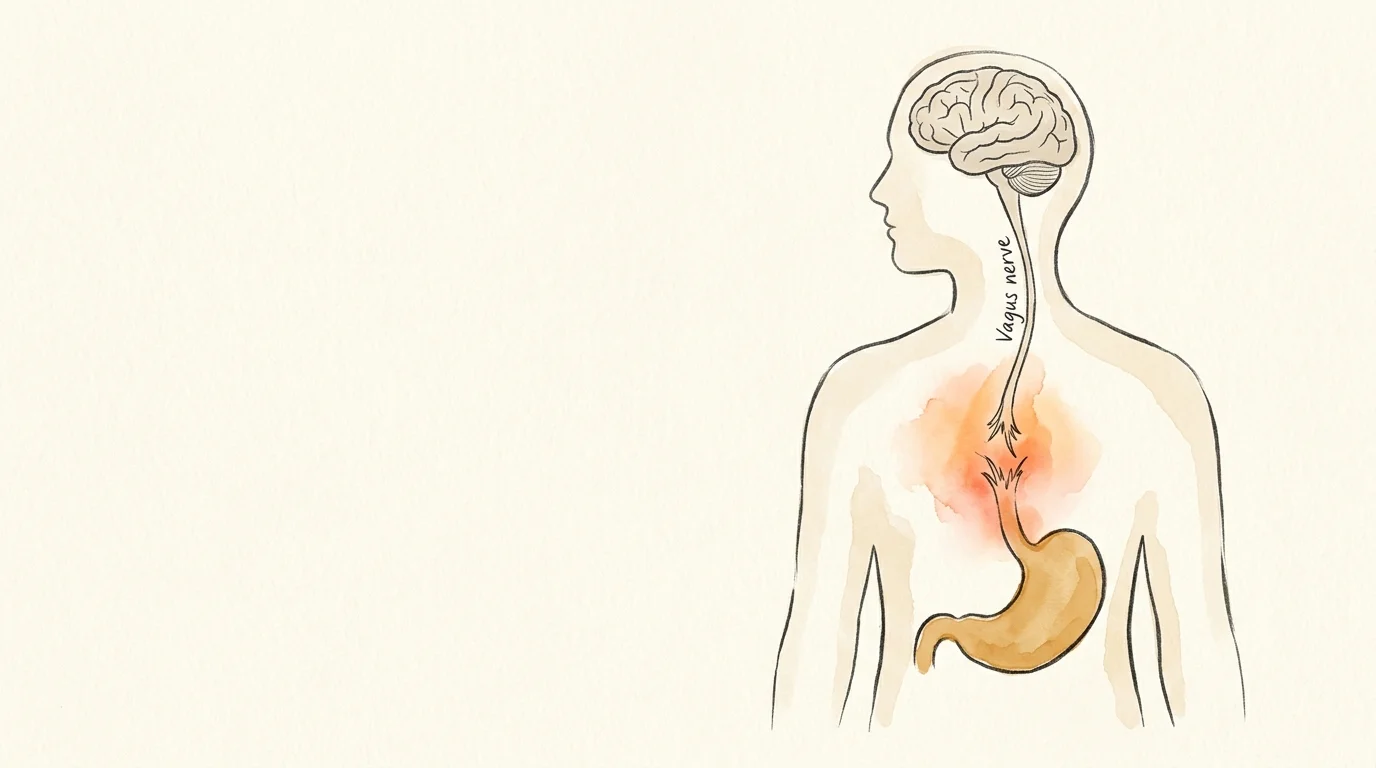
The relationship between your central nervous system and your gastrointestinal tract operates through the gut-brain axis, a complex bidirectional communication network linked by the vagus nerve. When chronic stress activates your fight-or-flight response, your body intentionally diverts blood flow away from non-essential survival functions, including digestion.
Research published by Harvard Health demonstrates that psychological stress directly alters intestinal motility, heightens visceral sensitivity, and disrupts the gut microbiome balance. You may experience chronic bloating, abdominal cramping, acid reflux, constipation, or sudden bouts of diarrhea. Many individuals suffering from persistent digestive discomfort are experiencing the direct somatic consequences of an unsoftened stress response rather than an isolated dietary issue.

3. Sleep Disturbances and Non-Restorative Sleep
A healthy physiological system follows a predictable diurnal rhythm: cortisol peaks shortly after you wake up to provide morning energy, then steadily declines throughout the day to allow melatonin to regulate your sleep. Chronic stress disrupts this baseline circadian pattern, keeping evening cortisol levels artificially elevated.
This biological disruption prevents your brain from sinking into the slow-wave deep sleep required for physical repair and cognitive restoration. You might struggle with falling asleep due to a racing mind, or find yourself wide awake at 3:00 AM with a pounding heart. Waking up feeling unrefreshed, despite spending eight hours in bed, serves as a primary signal that stress hormones are altering your sleep architecture.
4. Cognitive Fog and Memory Lapses
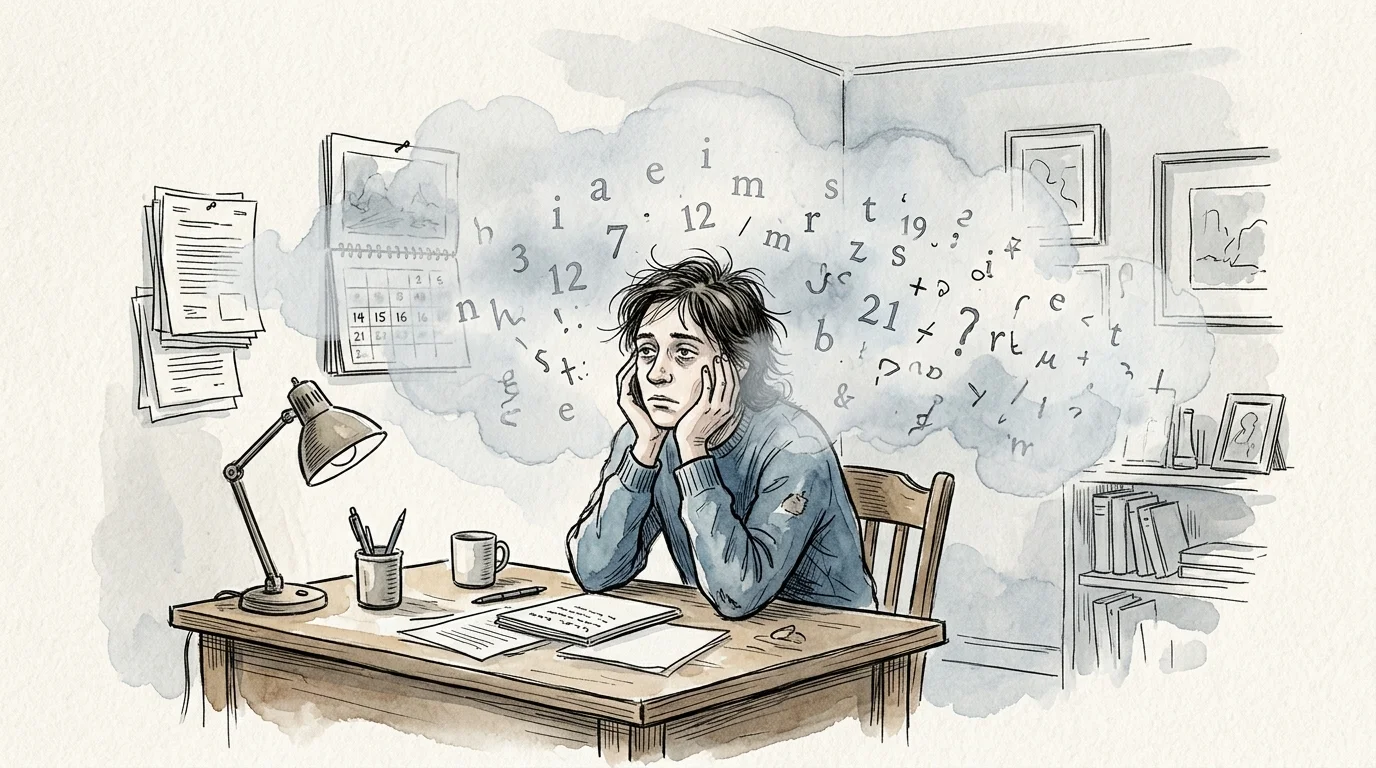
High levels of circulating stress hormones actively reshape brain architecture. Prolonged cortisol exposure causes structural changes in the hippocampus—the primary region responsible for context, memory consolidation, and spatial navigation—while expanding the fear-processing center in your amygdala.
Consequently, chronic stress compromises executive function in your prefrontal cortex. You may find yourself forgetting basic tasks, losing track of conversations, taking longer to make simple choices, or feeling as though a thick haze obscures your thinking. This brain fog is not a sign of declining intelligence; it is your brain diverting energy away from complex processing toward survival monitoring.

5. Frequent Illnesses and Sluggish Immune Recovery
Short bursts of stress briefly enhance immune function, but long-term stress acts as a powerful immunosuppressant. Continuous cortisol elevation downregulates the production of lymphocytes (white blood cells) and suppresses secretable immunoglobulin A, the primary defense antibody protecting your respiratory and digestive tracts.
If you catch every minor cold circulating through your office, suffer from recurring sinus infections, or notice that small cuts and bruises take weeks to heal, your immune defense may be operating under severe stress-induced exhaustion. According to data from the Mayo Clinic, chronic stress leaves the immune system continuously blunted, increasing your vulnerability to opportunistic viral and bacterial infections.
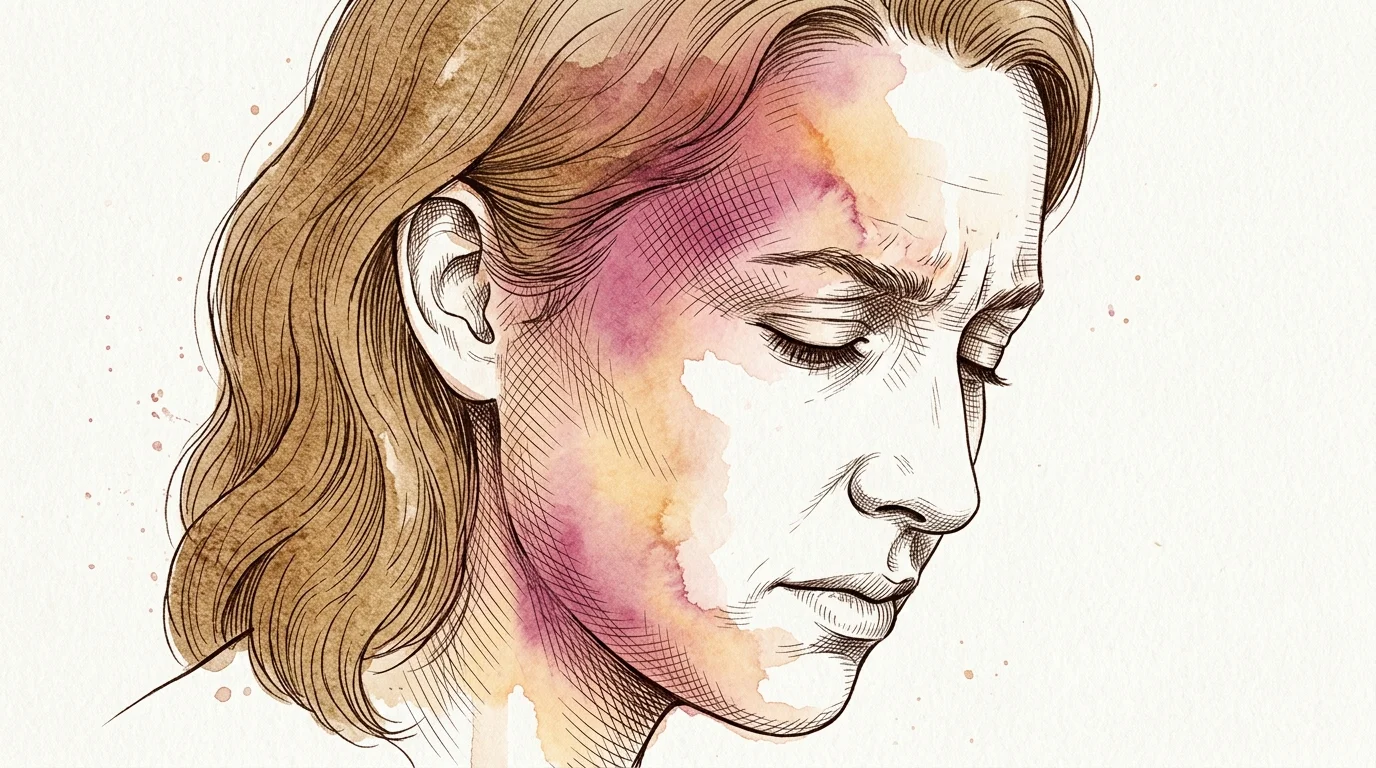
6. Recurrent Tension Headaches and Facial Tightness
Continuous physiological strain often concentrates in the delicate network of pericranial muscles surrounding your skull, face, and jaw. Chronic stress leads many individuals to unconsciously clench their teeth (bruxism) during the day or grind them while sleeping.
This persistent contraction creates tension headaches that feel like a tight, suffocating band stretched across your forehead, temples, or the base of your skull. You might also notice soreness in your temporomandibular joint (TMJ), facial tightness around your cheeks, or unexplained earaches. These physical sensations represent the accumulated pressure held in your facial and cranial musculature.

7. Sudden Energy Crashes and Deep Fatigue
Living in a perpetual state of physiological alertness consumes immense cellular energy. Chronic fight-or-flight signaling forces your mitochondria—the metabolic powerhouses of your cells—to operate in survival mode, altering basic cellular energy production and increasing oxidative stress.
Unlike normal weariness after a long day, stress-induced fatigue feels heavy, deep, and persistent. You might experience profound mid-afternoon energy crashes, a feeling of heavy limbs, or an overwhelming sense of exhaustion that caffeine cannot overcome. This profound fatigue signals that your system’s metabolic reserves are completely depleted.
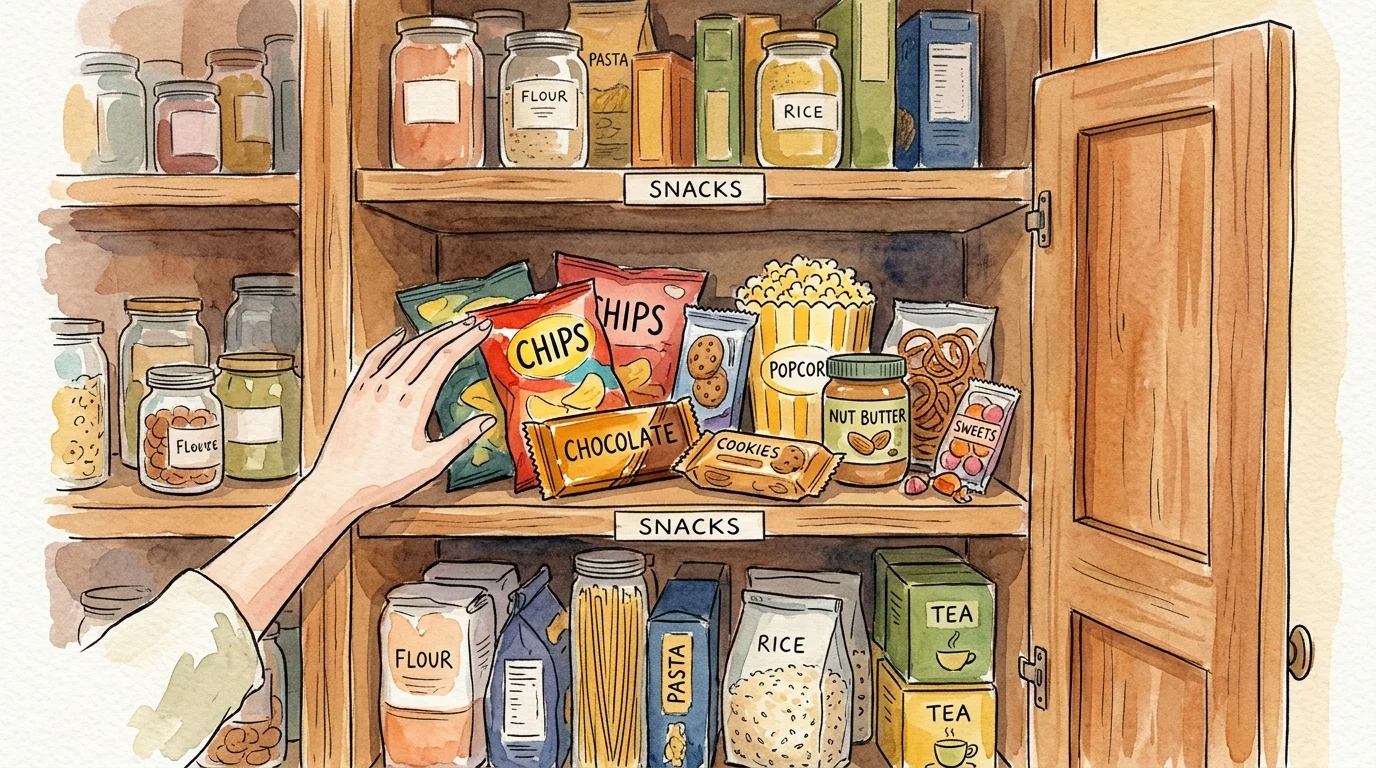
8. Unintended Appetite Changes and Intense Cravings
Stress hormones significantly alter your appetite regulation hormones, specifically ghrelin (the hunger hormone) and leptin (the satiety hormone). In brief moments of acute danger, stress shuts down appetite. However, persistent, low-grade chronic stress causes cortisol to drive appetite upward, instructing your body to replenish energy stores with dense calories.
This biological mechanism drives intense cravings for quick-energy foods rich in refined sugars, simple carbohydrates, and saturated fats. Alternatively, some individuals experience a complete loss of appetite as chronic sympathetic tone keeps their stomach locked in a state of distress. Whether you experience sudden weight gain around your abdomen or unexplained weight loss, metabolic disruptions often mirror chronic emotional strain.

9. Rapid Heart Rate and Dysregulated Breathing Patterns
Under chronic stress, your autonomic nervous system maintains an altered cardiovascular baseline. Sympathetic dominance increases resting heart rate, elevates vascular resistance, and causes micro-spikes in blood pressure throughout the day.
Simultaneously, chronic stress leads to dysfunctional breathing patterns. You may engage in shallow, upper-chest breathing that delivers less oxygen with every breath, leading to hyperventilation syndrome. You might notice occasional heart palpitations, chest tightness, or a sensation that you cannot catch a full, deep breath. These symptoms reflect a cardiorespiratory system constantly preparing for a physical sprint that never occurs.
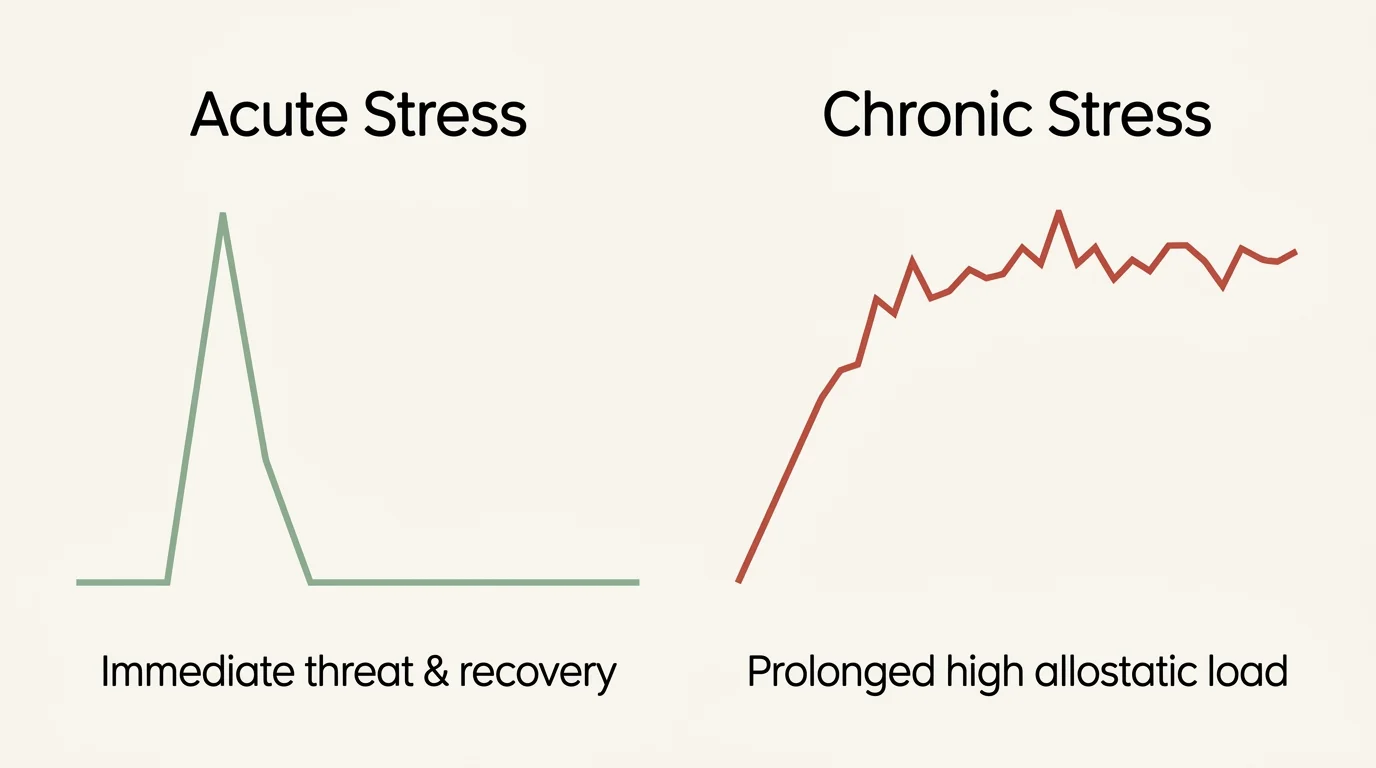
Acute Stress vs. Chronic Stress: How Your Body Responds
Understanding the difference between temporary stress and chronic physiological overload helps you identify when your body requires structured recovery interventions.
| Physiological System | Acute Stress (Short-Term Response) | Chronic Stress (Long-Term Wear) |
|---|---|---|
| Cardiovascular | Temporary rise in heart rate and blood pressure; quickly normalizes after threat passes. | Sustained high resting heart rate, systemic arterial inflammation, and elevated hypertension risk. |
| Gastrointestinal | Transient stomach flutter or temporary inhibition of hunger. | Altered microbiome composition, persistent bloating, leaky gut, and chronic inflammatory digestive issues. |
| Immune System | Short-term mobilization of immune cells to prepare for physical injury. | Suppressed lymphocyte activity, slow wound healing, and higher vulnerability to infections. |
| Musculoskeletal | Immediate muscle contraction for sudden movement or protection. | Persistent muscle hypertonicity, chronic pain patterns, structural joint strain, and tension headaches. |
| Metabolic & Hormonal | Brief spike in glucose release for immediate muscular fuel. | Insulin resistance, sustained central abdominal fat storage, and altered ghrelin and leptin balance. |
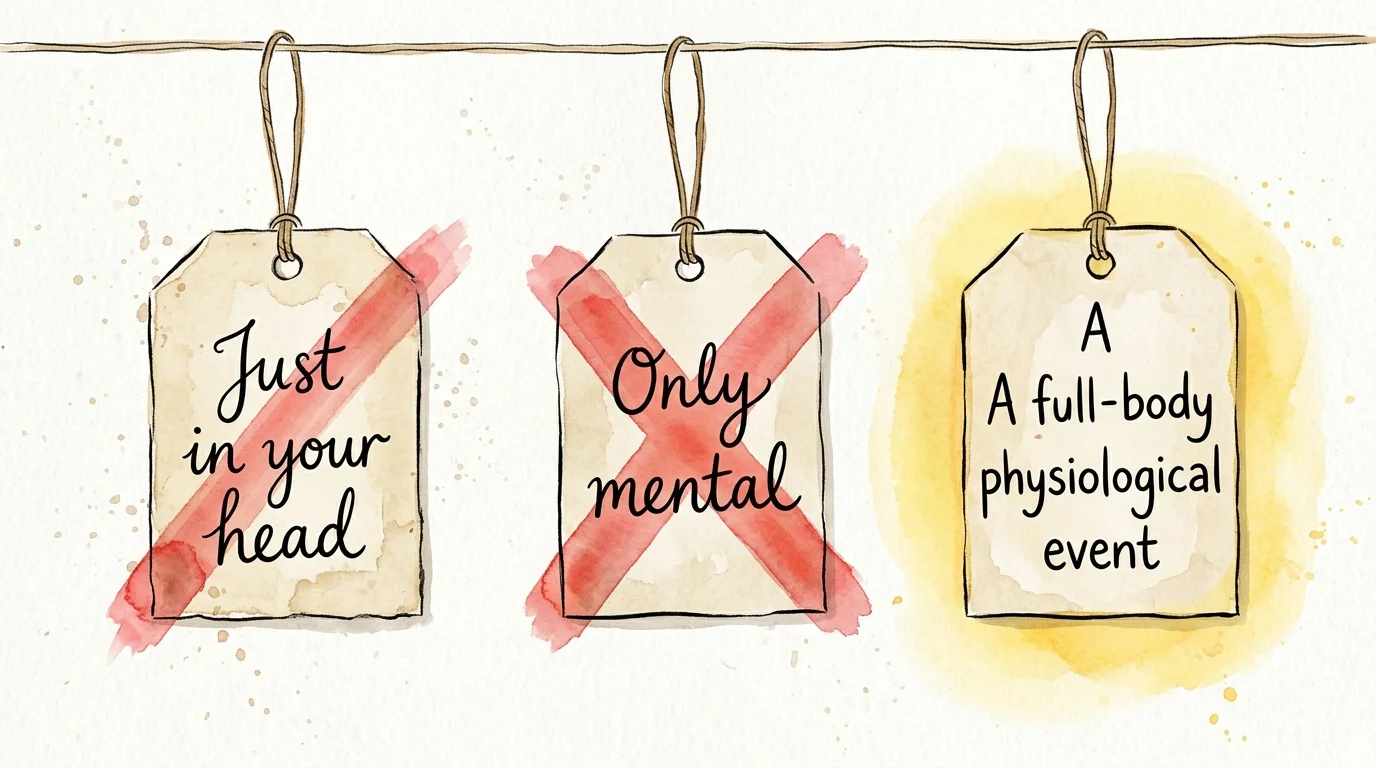
Myths Worth Debunking About Physical Stress
To address chronic stress effectively, you must dismantle persistent misconceptions that prevent individuals from seeking appropriate care and recovery practices.
Myth 1: Stress is entirely mental, so physical symptoms indicate a completely separate disease.
The mind and body do not operate in isolation. Neurological, endocrine, and immune systems constantly communicate. Physical symptoms like joint pain, gut distress, and skin flare-ups are frequently direct somatic manifestations of chronic central nervous system dysregulation.
Myth 2: If you feel high energy and stay productive, your body is handling the stress fine.
High-functioning stress often masks underlying physiological strain. Many people operate on continuous surges of adrenaline and cortisol, misinterpreting anxiety-driven hypervigilance as healthy energy. The body eventually exhausts these emergency reserves, leading to sudden, deep physical burnout.
Myth 3: A single relaxing weekend can fully undo months of chronic stress.
Resting for two days provides temporary relief, but it cannot immediately reverse long-term structural changes in circadian rhythms, systemic tissue inflammation, or elevated baseline cortisol. Rebalancing your autonomic nervous system requires consistent, deliberate daily somatic practices over time.
“Between stimulus and response there is a space. In that space is our power to choose our response. In our response lies our growth and our freedom.” — Viktor E. Frankl, Neurologist and Psychiatrist

Practical Tools to Reregulate Your Nervous System
Restoring physical balance requires actionable, evidence-based practices that actively signal safety to your nervous system. You can begin integrating these daily somatic interventions to calm your body’s stress alarms:
- Practice the Physiological Sigh: Perform two rapid inhales through your nose, followed by one long, slow exhale through your mouth. Repeating this breathing pattern for two minutes lowers your heart rate by activating the parasympathetic nervous system through vagal stimulation.
- Engage in Daily Progressive Muscle Relaxation (PMR): Intentionally tense a specific muscle group—such as your shoulders or feet—for five seconds, then release the tension completely while focusing on the feeling of relaxation. Working through your body releases stored motor tension.
- Incorporate Strategic Micro-Breaks: Instead of working continuously for hours, pause for 90 seconds every hour. Step away from digital screens, loosen your jaw, let your shoulders drop, and take three slow, deep abdominal breaths to disrupt accumulated stress patterns.
- Prioritize Morning Sunlight Exposure: View natural sunlight within 30 minutes of waking. Natural light signals your suprachiasmatic nucleus to regulate daytime cortisol production and establish a healthy melatonin timing curve for bedtime.
- Apply Cold Stimulation to the Vagus Nerve: Splash cold water on your face or hold a cool pack against your sternum for 30 to 60 seconds. Brief thermal shifts trigger the mammalian dive reflex, reducing heart rate and calming acute physical arousal.

Signs It’s Time to Talk to a Therapist
Self-care tools are essential, but professional support becomes critical when chronic stress overwhelms your coping capacity. You should consider reaching out to a mental health professional in these specific scenarios:
1. Your physical symptoms persist after a medical doctor rules out underlying physical illness. When standard medical evaluations show clear physiological results yet chronic pain, fatigue, or GI distress remain, a specialized therapist can help address nervous system dysregulation through somatic processing or cognitive behavioral techniques.
2. You remain locked in emotional extremes or complete numbness. If you find yourself shifting between intense anxiety attacks and sudden emotional detachment, your nervous system may be oscillating between sympathetic fight-or-flight and dorsal vagal shutdown states. Professional guidance can help rebuild your window of tolerance.
3. Your daily routines and relationships suffer significantly. If physical fatigue or persistent irritability stops you from attending work, caring for your basic needs, or maintaining connections with loved ones, therapeutic intervention offers a structured path toward recovery. Resources through the National Institute of Mental Health can connect you with evidence-based mental health support.
4. You rely heavily on maladaptive coping mechanisms. When alcohol, substance use, severe food restriction, bingeing, or extreme social isolation become your primary methods for managing physical overwhelm, working with a therapist provides safer alternative coping strategies.
Frequently Asked Questions
How long does it take for physical stress symptoms to go away?
Recovery timelines vary based on how long your stress response has been active and how consistently you practice nervous system regulation. While acute symptoms like rapid heart rate can calm within minutes of breathing exercises, restoring digestive function, sleep quality, and muscle tension often requires weeks to months of sustained recovery routines.
Can chronic stress lead to long-term health complications?
Yes. Sustained, unmanaged chronic stress increases the risk of cardiovascular conditions, metabolic disorders, systemic inflammatory diseases, and persistent gastrointestinal distress. Addressing physical stress signs early significantly lowers your long-term health risks.
What is allostatic load and why does it matter?
Allostatic load refers to the cumulative physiological toll that chronic stress exerts on your organ systems and tissues over time. When environmental demands continuously exceed your coping resources, high allostatic load leads to tissue wear, metabolic changes, and premature cellular aging.
Why does stress affect my digestion so dramatically?
Your gut contains hundreds of millions of neurons within the enteric nervous system, communicating directly with your brain. When stress signals trigger fight-or-flight mechanisms, your body stops prioritizing digestion, reducing blood flow, altering acid production, and changing gut motility patterns.
Moving Forward
Listening to your body is not a weakness; it is an essential act of self-preservation. When physical symptoms arise, your body is offering vital feedback, calling your attention to environmental demands that exceed your current energetic capacity. By honoring these somatic warnings and integrating small, intentional nervous system resets into your daily routine, you can break the cycle of chronic stress and restore balance to your life.
This is educational content based on psychological research and general principles. Individual experiences vary significantly. For personalized guidance, consult a licensed therapist, psychologist, or counselor.
Last updated: February 2026. Psychology research evolves continuously—verify current findings with professional sources.









Leave a Reply