
These hidden signs might indicate that you’re an anxious introvert…
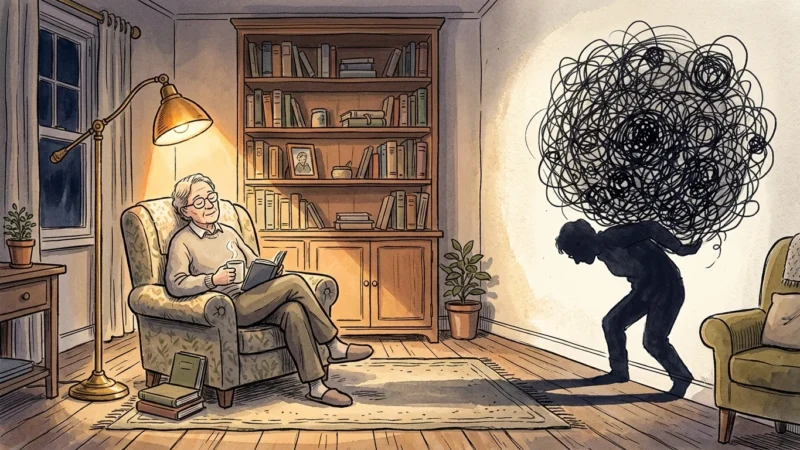
Anxiety is the voice in the back of your head that says, “Something wrong’s about to happen.” It’s what keeps you awake at 3 am thinking about something embarrassing you did 10 years ago. But not all introverts have anxiety, and ambiverts and extroverts can struggle with it, too.
The bottom line is that anxiety and introversion aren’t the same thing. Introversion is choosing calm, minimally stimulating environments and needing alone time to recharge. On the other hand, anxiety is a general term for conditions that cause worry, excessive fear, and nervousness.
Still, for many introverts, anxiety is a normal part of their lives. And the truth is that anxiety is more common among introverts than extroverts, according to psychology experts. Sometimes anxiety is obvious because you see sweaty palms and panic attacks, but that’s not always the case.
Many folks out there live with a form called “high-functioning anxiety.” Outwardly, they seem to have everything together. They might even lead very successful lives. No one can tell that they’re driven by worry. Sometimes, they might not even realize it themselves.
Even though it’s not an official diagnosis, high-functioning anxiety is something many identify with. It’s closely linked to generalized anxiety disorder, which impacts 6.8 million adults in the United States, with women twice as likely to experience it as men. So, could this be you? Here are 10 telltale signs that you’re an anxious introvert.

You might be an anxious introvert if you’ve built your life around avoidance
A big sign of high-functioning anxiety is feeling the need to limit what you do to avoid feeling swamped. This varies from introverts, who choose less social interaction because they enjoy their alone time and need it to recharge their batteries.
Those with high-functioning anxiety avoid things that trigger their anxiety, like social events, travel, or conflict. They prefer routines and familiar situations because they feel safer and more controlled.
You might be an anxious introvert if you ALWAYS have to remain busy
This is a big issue for many people, and it’s especially tough for an introvert who needs alone time to recharge. For introverts, feeling like you have to stay busy doesn’t necessarily mean going to a lot of social events or loading every weekend with lots of activities.
It’s more like you might feel like you have to constantly get things done, stay “productive,” or always keep everything under control. Even if you don’t know it, keeping busy could be your way of distracting yourself from your anxiety and feeling in control, which is something people with anxiety often want.
You might be an anxious introvert if you’re always prepared for… something?
Do you always find yourself always preparing for the worst-case scenario? This is pretty standard for those with high-functioning anxiety. You may over-prepare because you’re nervous about what could go wrong in any given situation.
For instance, if you’ve ever lost your suitcases on an airline and had to wear the same clothes for days, you might always worry now that it’ll happen again… even though it hasn’t since. So, now you always pack extra clothes, underwear, and toiletries in your carry-on.
Let’s be honest: It’s a huge hassle to ALWAYS prepare duplicates, but I get that you can’t get rid of that worry. If you have high-functioning anxiety, you’re likely seen as the person who’s always ready for anything.
Your careful planning usually turns out to be useful, but the reality is that very few people know the actual reason behind your “always prepared” process.
You might be an anxious introvert if you’re always worrying about letting others down
Another telltale sign of being an anxious introvert is trying too hard to please other people in your life.
You may feel so nervous about disappointing someone that you always work to make everyone happy, even if it means forgetting about your own needs. This trait is also pretty common in highly sensitive people.
You might be an anxious introvert if you’re always pushing yourself to be perfect
You may think that making everything perfect, like how you look or your work, will ease your anxieties. And even though it’s true that being careful about these things can be good, for those with high-functioning anxiety, it often comes with a lot of stress.
You might think in extremes, like “If I’m not the best, I’ll be the worst.” You tend to set rather high standards for yourself and fear not meeting them.

You might be an anxious introvert if You’re panicking inside, but you look calm outside
Those living with high-functioning anxiety are rather good at hiding how uneasy they feel. They may look in control and calm, even though they’re terrified on the inside.
They’ve become pros at keeping their emotions to themselves. This is another reason why high-functioning anxiety is frequently called a “secret” anxiety.
You might be an anxious introvert if you constantly overthink
Introverts frequently overthink because of how their brains work. Mix into that some high-functioning anxiety, and it can completely overload their mind.
If this is you, you’re probably really hard on yourself, worry about “what ifs,” keep thinking about past blunders, find it hard to make a decision, and don’t enjoy the moment because you’re expecting something bad to happen at all times.
You might be an anxious introvert if you always see the world as threatening
Even if you question your anxiety and continually second-guess yourself, your feelings are real. They’re not “just in your head.”
Researchers from Israel’s Weizmann Institute of Science discovered that anxious people see the world differently than those who aren’t ever nervous. In their study, individuals with anxiety had a more difficult time telling apart a safe stimulus from one that was formerly linked to danger.
This indicates that anxious people tend to overgeneralize from their emotional experiences, seeing threats even in harmless situations.
You might be an anxious introvert if you often have tics, aches, or repetitive habits
A psychotherapist says that anxiety can show up in your body as pain or muscle tension.
You might also do certain things without realizing it, like tapping your foot, picking at your skin, or scratching your head to release all that nervous energy. And yes, you might be doing these things even if you seem calm in other ways.
You might be an anxious introvert if you despise it when people show up at your home unannounced
Since social interactions make you uneasy, you like to schedule them in advance. You don’t like being surprised, which includes people coming to your home without calling or texting first.
The same goes for people who visit you and stay for hours and hours until you wish you could just throw them out!
… If you struggle with being an introvert, The Introvert Survival Guide from Amazon could be a useful read!

Bottom line: Being an anxious introvert isn’t just something you can stop doing
Anxiety isn’t something you can convince yourself to stop doing. Researchers discovered that anxious people have somewhat different brains than those who aren’t.
They remarked that people can’t control their anxious reactions because of a fundamental brain difference. Yet this doesn’t mean that all hope is lost. You can learn to cope with it and significantly lessen it by seeking professional help.
Please feel free to share your thoughts on the matter in the comments section below. And if you found this article helpful, you might want to also read about the 6 Causes of Neurotic Personality Traits and Why You Might Have Them








Leave a Reply