4. Severe exposure to toxins
It has been suggested that exposure to toxic substances can contribute to schizophrenia’s development even at the embryonic stage. Alcohol and lead are two substances that have been studied for potential effects. Lead, which can be present in items like gasoline, paint, tap water, and some children’s toys, has been demonstrated to greatly increase the probability of developing schizophrenia and psychosis.
Although steps have been taken in more recent years to eliminate lead from the items we come into contact with on a daily basis, it is important to understand that lead can still be present in our surroundings. A house that had lead paint applied before 1978 may still produce this poison.
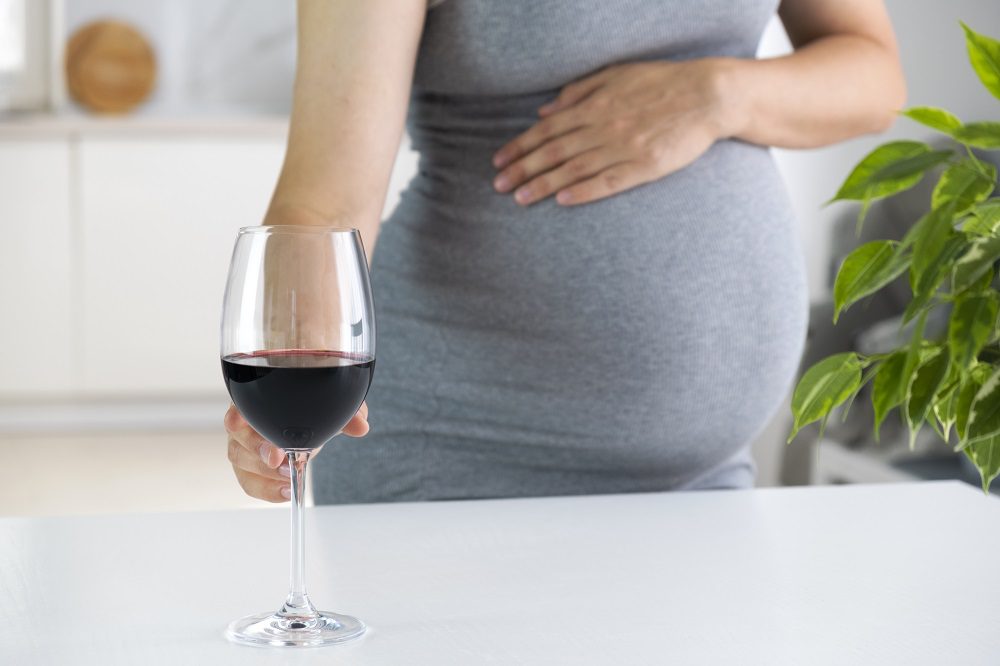
Furthermore, children whose mothers abused alcohol during pregnancy are more likely to develop schizophrenia.