

Healthy relationships require a delicate balance of giving and receiving, yet recognizing when the scales tip permanently in one direction often proves surprisingly difficult. Subtle selfishness rarely looks like cartoonish villainy; instead, it manifests in conversational narcissism, conditional apologies, and an invisible scorecard that always favors the other person. Identifying these patterns provides the first crucial step toward establishing healthier boundaries and fostering genuine reciprocity. Uncovering the overlooked indicators of self-centered behavior quietly sabotaging your connections helps you objectively evaluate the dynamics in your own life. Recognizing these everyday behaviors empowers you to decide how best to address them, allowing you to protect your emotional well-being without losing compassion for yourself or others.
The Fine Line Between Self-Care and Self-Centeredness
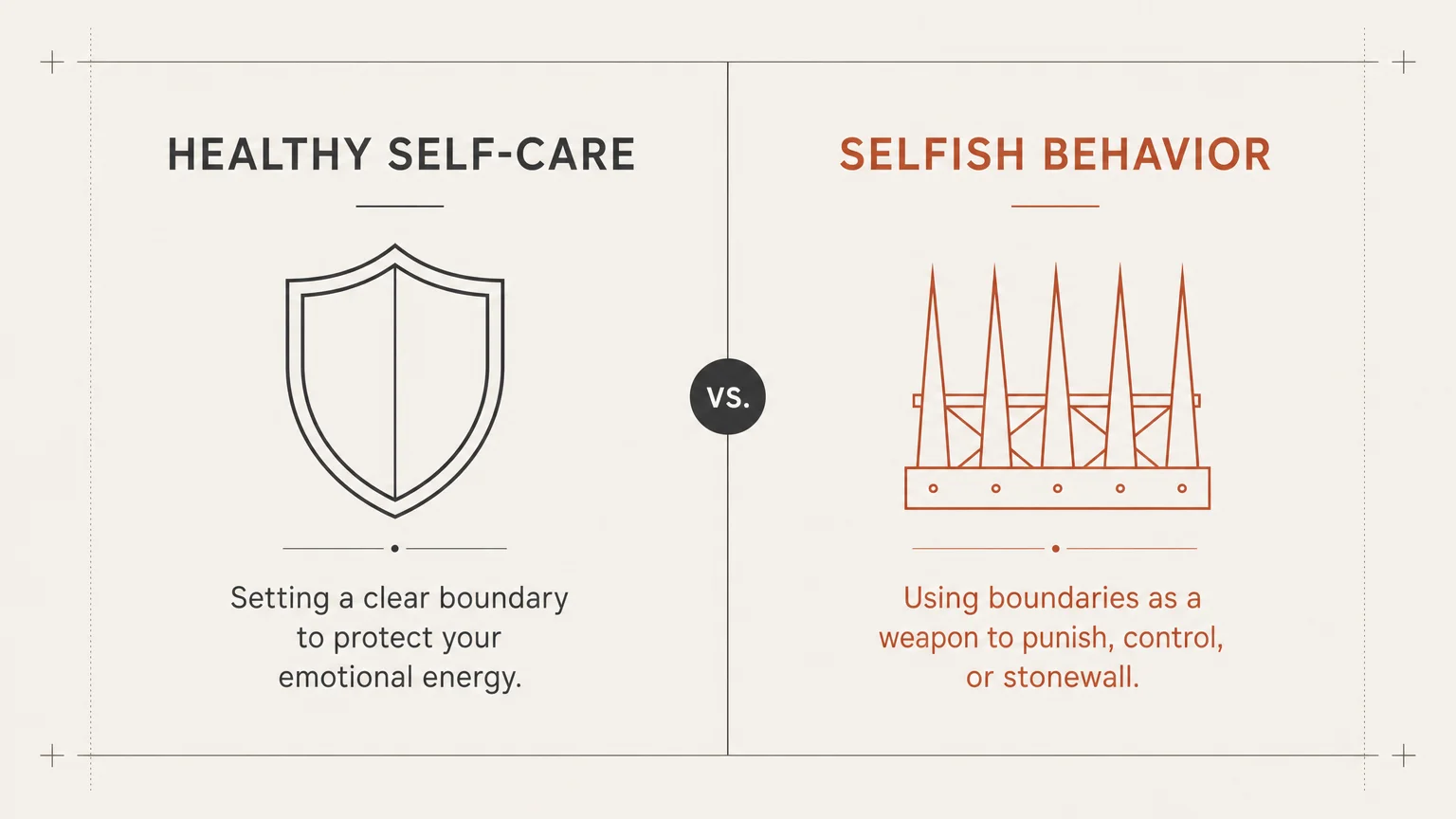
Modern psychology rightfully emphasizes the importance of prioritizing your mental health. You cannot pour from an empty cup, and protecting your emotional bandwidth remains an essential practice. However, the language of therapy and self-care is sometimes co-opted to justify behavior that actively harms relationships. Understanding the nuanced distinction between these two concepts provides clarity when evaluating a partner, friend, or family member.
Self-care involves replenishing your own energy so you can show up fully for yourself and the people you love. Selfishness, on the other hand, involves extracting energy, time, or resources from others to exclusively serve yourself, without acknowledging the deficit it creates in them.
| Healthy Self-Care | Selfish Behavior |
|---|---|
| Setting a clear boundary to protect your emotional energy during a stressful time. | Using boundaries as a weapon to punish, control, or stonewall others during conflicts. |
| Taking intentional time alone to recharge when feeling overwhelmed. | Ignoring a loved one’s visible distress because supporting them feels inconvenient. |
| Expressing your needs clearly, respectfully, and allowing room for compromise. | Demanding your needs be met immediately, regardless of the other person’s capacity. |
| Saying “no” to a request you genuinely lack the resources to fulfill. | Routinely declining to support others while expecting their unwavering support for you. |
1. Conversations Constantly Pivot Back to Them
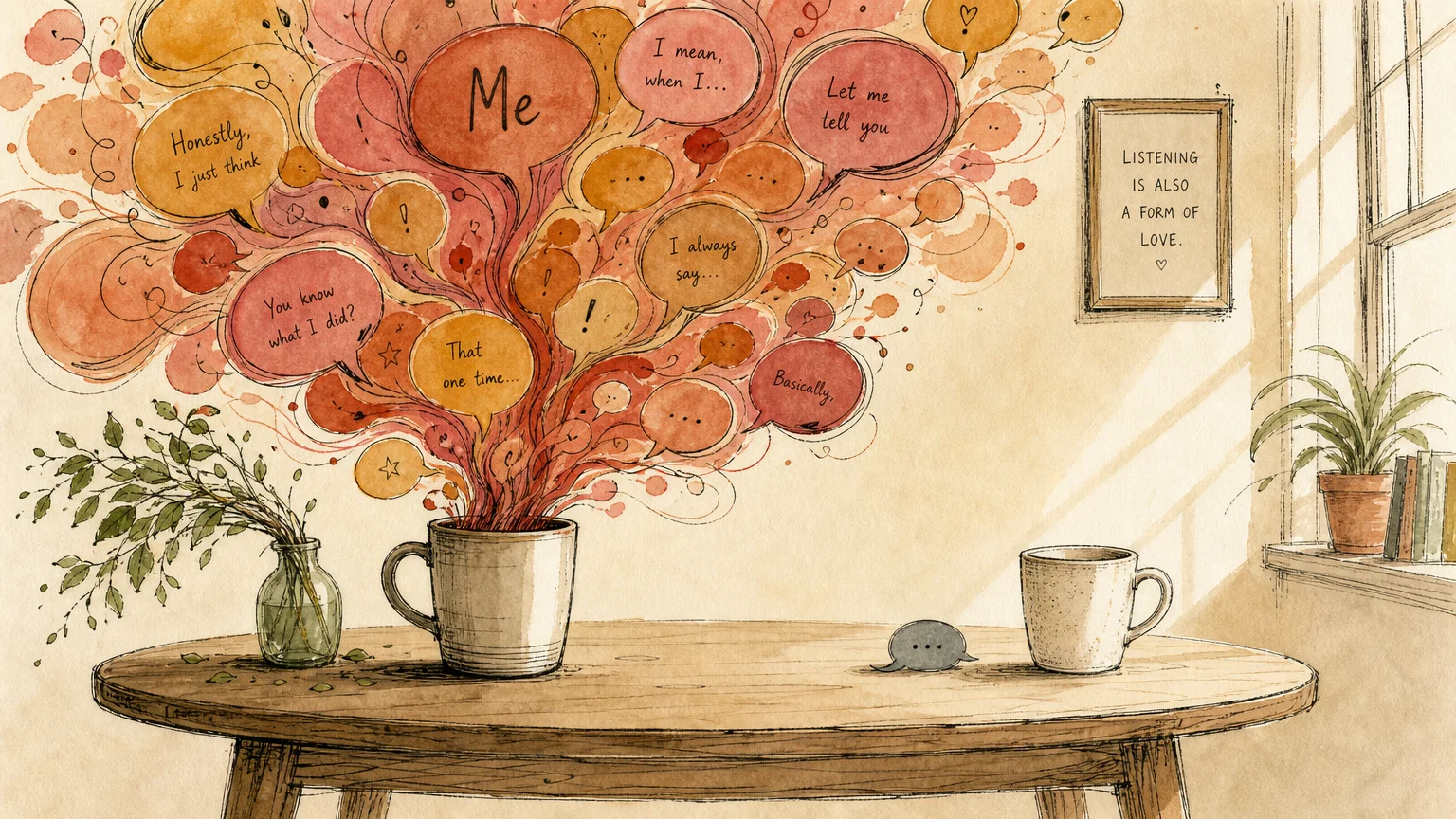
We all occasionally relate to someone’s struggle by sharing a similar experience. This helps build empathy. However, a chronically self-centered person uses your experiences merely as a jumping-off point to talk about themselves. Sociologist Charles Derber coined the term “conversational narcissism” to describe this exact dynamic. It operates as a subtle, often unconscious desire to take over an interaction, do most of the talking, and shift the spotlight entirely back to oneself.
If you mention a frustrating day at work, they immediately pivot to how much harder their week has been. If you share a piece of good news, they quickly redirect the focus to their own recent achievements. Over time, you realize that you possess an intimate understanding of their internal world, while they know almost nothing about yours.

2. Your Wins Make Them Uncomfortable
When you achieve a goal, secure a promotion, or experience a moment of profound joy, a healthy partner or friend meets you in that joy. In psychology, sharing good news is known as “capitalization.” Research by Dr. Shelly Gable reveals that relationships thrive when partners utilize an “active-constructive” response—meaning they react with genuine enthusiasm and ask engaging questions to help you celebrate.
A self-centered person often utilizes a “passive-destructive” or “active-destructive” response. Your success temporarily removes them from the center of the narrative, which feels threatening. Instead of celebrating, they might offer backhanded compliments, minimize your achievement with a flat “that’s nice,” or immediately bring up a time they achieved something similar. Their inability to act as a secure base for your happiness serves as a strong indicator of underlying self-absorption.

3. They Ignore Your “Bids for Connection”
According to decades of observational research by the Gottman Institute, relationship stability heavily relies on how partners respond to small, everyday moments of outreach.
“A bid is any attempt from one partner to another for attention, affirmation, affection, or any other positive connection.” — Dr. John Gottman, Relationship Researcher
When you point out an interesting article, text them a funny observation, or sigh heavily after a long day, you are making a bid. A highly selfish person consistently “turns away” from these bids. They stare at their phone, give a dismissive grunt, or ignore you entirely. While everyone misses bids occasionally when distracted, a habitual pattern of ignoring them signals a profound lack of curiosity regarding your emotional world.

4. Apologies Arrive Packaged with Conditions and Excuses
A genuine apology requires vulnerability and the willingness to take accountability. According to relationship therapists, a complete apology contains three parts: acknowledging the hurt caused, expressing genuine remorse, and committing to changed behavior. When someone is more selfish than they realize, taking unvarnished accountability feels intolerable to their ego.
Instead, they deliver non-apologies that subtly shift the blame back onto you or external circumstances. Listen for phrases like, “I’m sorry you feel that way,” or “I’m sorry I yelled, but if you hadn’t forgotten to call, I wouldn’t have been so stressed.” These defense mechanisms absolve the speaker of guilt while forcing you to absorb the emotional impact of their behavior.
5. They Treat Boundaries as One-Way Streets
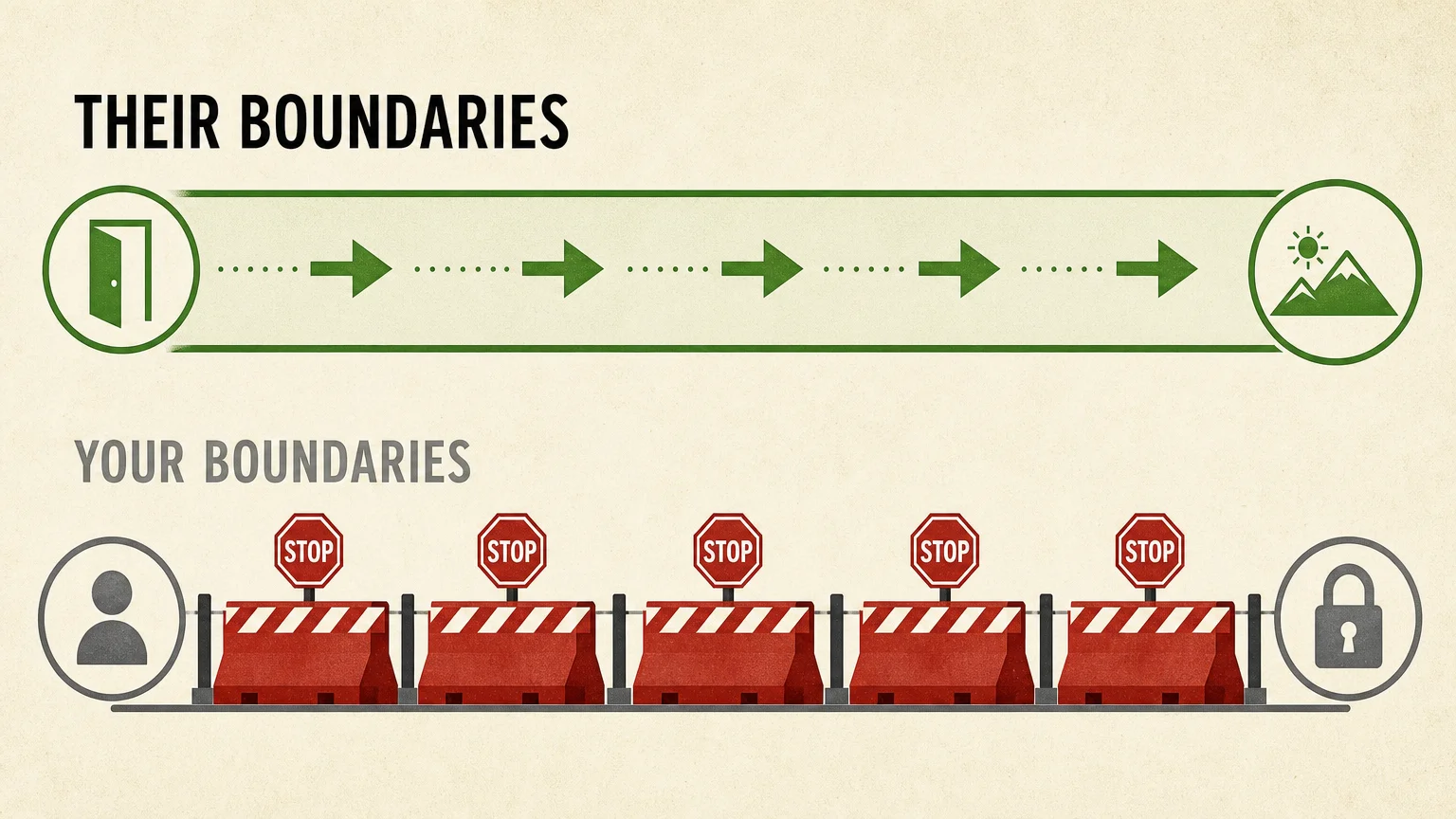
Observe how someone reacts when you tell them “no.” A healthy individual might feel brief disappointment, but they ultimately respect your limit. A selfish person treats your boundary as a negotiation, a personal insult, or an inconvenience to be argued away.
Conversely, they treat their own boundaries as absolute law. They demand strict adherence to their need for space, time, or specific communication styles, yet routinely trample over yours. This double standard reveals a core belief that their comfort supersedes your autonomy.
“Boundaries are a prerequisite for compassion and empathy. We can’t connect with someone unless we’re clear about where we end and they begin.” — Brené Brown, PhD

6. They Take Your Commitment for Granted
One of the most fascinating aspects of selfish behavior involves how it responds to security. A 2024 study published in the journal PLOS One by researchers at UNC Greensboro highlighted a telling dynamic: individuals who score low in the personality trait of agreeableness actually behave more selfishly when they perceive their partner is highly committed.
Rather than feeling inspired to match your dedication, they use the security of the relationship as a license to drop their efforts. They assume you will tolerate the canceled plans, the uneven emotional labor, and the neglect because you have already proven your loyalty. They view your commitment as a safety net that catches their bad behavior, rather than a gift requiring reciprocal care.
7. Empathy Feels Performative Rather Than Genuine
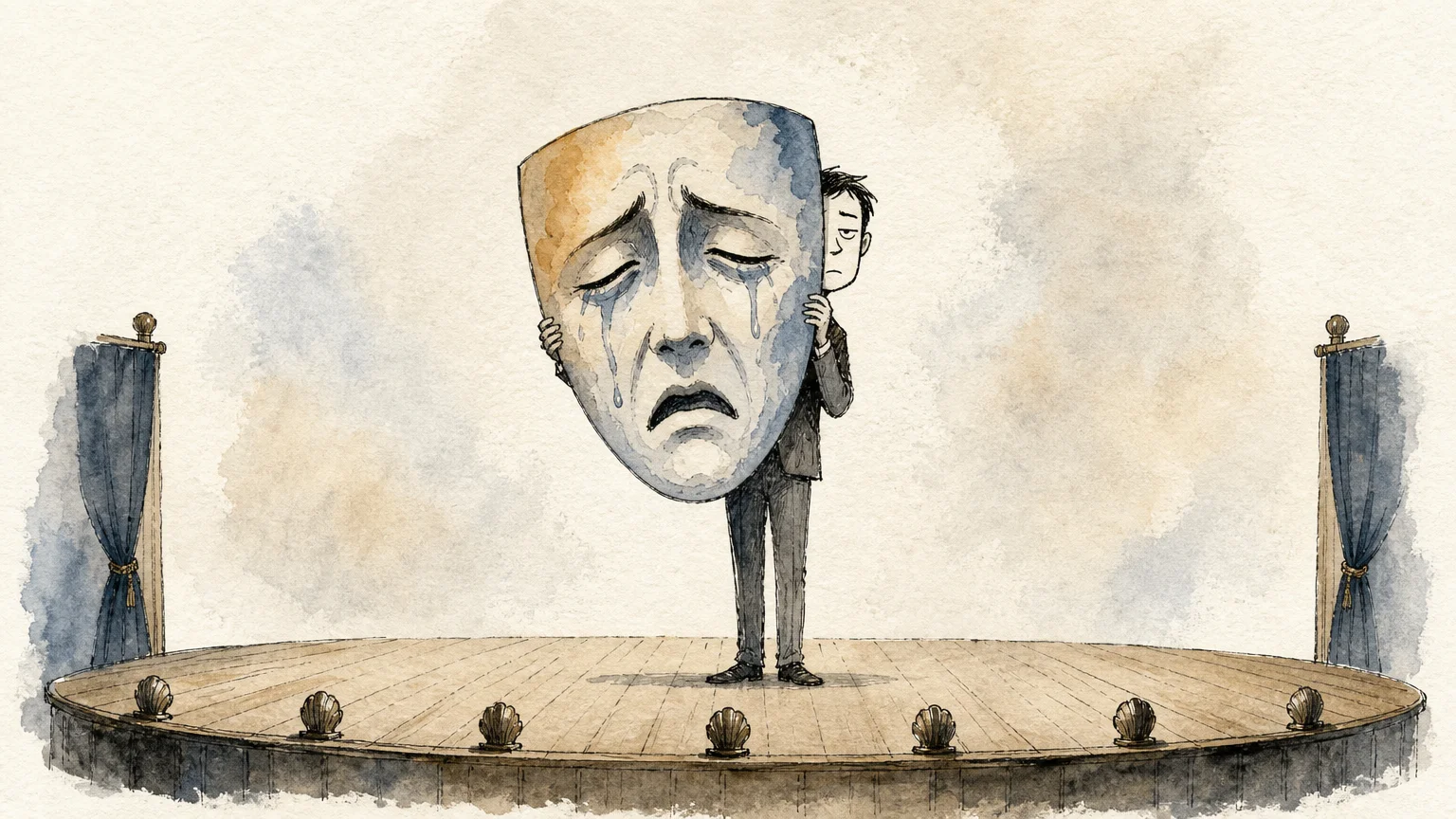
Some individuals understand the cognitive mechanics of empathy without actually feeling the emotional resonance. They know the exact right things to say when others are watching. They post supportive messages online or offer grand gestures of help when an audience is present to validate their kindness.
However, in the quiet, unglamorous moments behind closed doors, their empathy evaporates. If you fall ill and need quiet support, they become visibly annoyed by the inconvenience to their schedule. Their emotional support remains entirely conditional on how good it makes them look, rather than how much comfort it provides you.
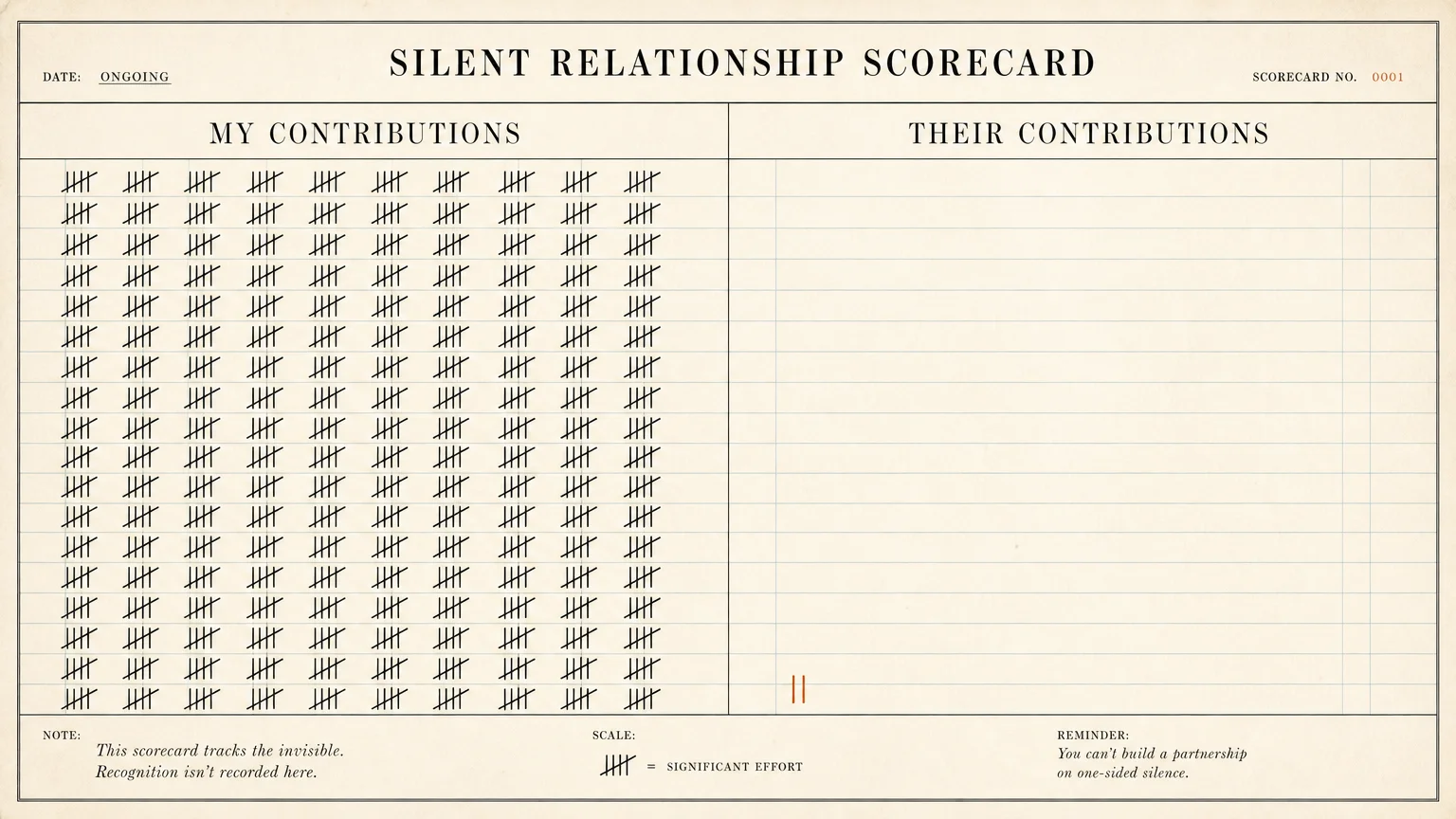
8. They Keep a Silent Scorecard in the Relationship
Healthy connections operate on a system of mutual, organic reciprocity. Humanistic psychologist Carl Rogers famously emphasized the need for “unconditional positive regard” to foster deep growth. Selfish dynamics, however, operate on a transactional scorecard.
They remember exactly how much they paid for dinner last month, what favors they performed, and the exact duration they listened to your problems. They stockpile these “good deeds” as leverage, transforming kindness into a loan with hidden interest. During disagreements, they deploy this scorecard as ammunition, ensuring you always feel slightly indebted to them.

9. Their Needs Dictate the Schedule
Compromise remains an alien concept to someone entrenched in their own perspective. In these relationships, the schedule, the choice of restaurants, the vacation destinations, and even the pacing of intimacy revolve entirely around their preferences.
If you push back and suggest doing things your way, they may pout, withdraw, or manufacture a sudden crisis that forces the plans to revert back to their original design. Over time, you slowly adapt to becoming a supporting character in the movie of their life.

10. They Rely on “I’m Just Being Honest” as a Shield
Honesty is a vital virtue; using “honesty” as a weapon to deliver cruelty remains a hallmark of selfishness. When they offer unsolicited, harsh criticism about your appearance, your career, or your life choices, they often hide behind the excuse of being “brutally honest” or “just telling it like it is.”
Notice that their version of honesty rarely involves building you up. By framing their lack of tact as a moral imperative, they effectively silence your right to feel hurt by their words. True honesty in a loving relationship always arrives paired with tact and compassion.
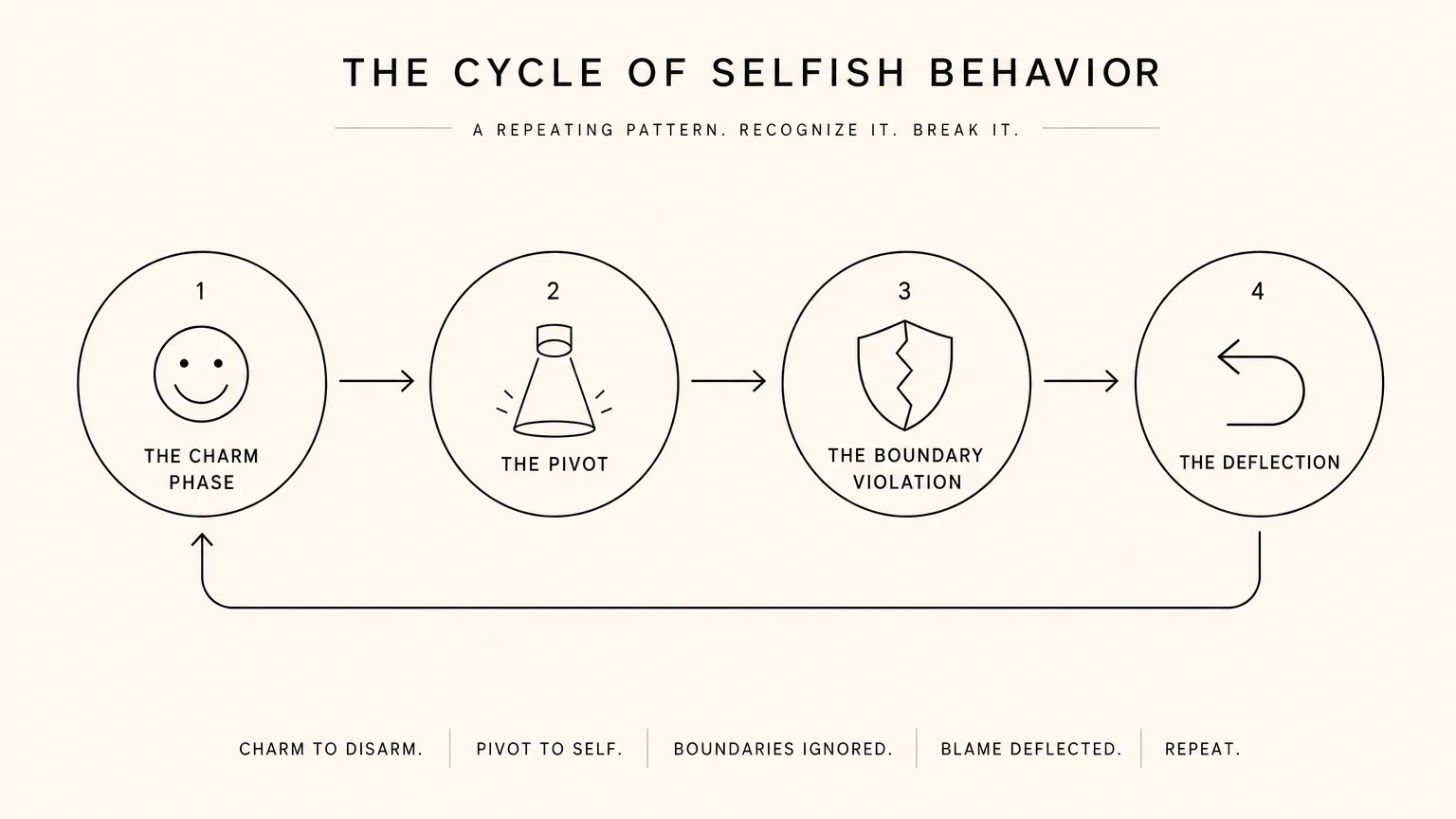
Patterns to Watch For
When assessing these signs, look for pervasive patterns rather than isolated incidents. Everyone acts selfishly during times of extreme stress, grief, or physical illness. According to the American Psychological Association, a temporary regression into self-focus represents a normal human response to trauma or emotional depletion. To differentiate between a rough patch and a toxic trait, monitor these three variables:
- The Frequency: Does this behavior happen occasionally under stress, or is it the baseline operating system of the relationship?
- The Repair: When you gently point out their self-centered behavior, do they show genuine remorse and attempt to repair the rupture, or do they immediately attack you for bringing it up?
- The Impact: Do you consistently feel drained, invisible, and emotionally neglected after spending time with this person?

When Self-Help Isn’t Enough
Navigating a relationship with a highly self-centered individual severely erodes your self-esteem and mental health over time. While establishing boundaries serves as a powerful first step, some situations require professional intervention. Consider seeking support from a licensed therapist or contacting a mental health organization like the National Alliance on Mental Illness (NAMI) if you experience the following:
- You constantly second-guess your own reality or feel like you are losing your grip on the truth (a common sign of gaslighting).
- The self-centered behavior escalates into emotional, verbal, or physical abuse when you attempt to set healthy limits.
- You feel entirely isolated from friends and family due to the controlling dynamics of the relationship.
- You experience ongoing symptoms of anxiety, depression, or chronic stress that interfere with your daily functioning.
FAQs About Selfish Behavior in Relationships
Can a selfish person change their behavior?
Yes, change is possible, but it requires profound self-awareness and a genuine willingness to do the internal work. If the person refuses to acknowledge their behavior or consistently blames you for their actions, meaningful change remains highly unlikely. Couples counseling or individual therapy proves effective only when the individual is internally motivated to grow.
Is it selfish to end a relationship because my needs aren’t being met?
No. Prioritizing your long-term emotional health constitutes a fundamental act of self-care. Staying in a relationship that consistently drains you out of a misplaced sense of obligation proves detrimental to both parties. You possess the right to seek a connection built on mutual respect, empathy, and reciprocity.
How do I communicate my boundaries to a self-centered person?
Keep your boundaries clear, concise, and behavior-focused. Use “I” statements, such as, “I feel overwhelmed when our conversations only focus on your work. I need us to share the floor.” Do not over-explain or justify your boundary, as this provides them with material to argue against. Be prepared to enforce specific consequences if they ignore your limit.
Moving Forward with Clarity
Recognizing that someone you care about operates from a place of deep self-centeredness often triggers a painful realization. It requires grieving the reciprocal relationship you hoped for in order to deal with the dynamic you actually possess. By identifying these ten signs—from conversational narcissism to transactional scorekeeping—you empower yourself to step out of the exhausting cycle of over-giving.
You cannot force another person to develop empathy, nor can you love them into becoming selfless. You can, however, control how much access they have to your energy. Start by instituting small boundaries, observing how they react, and prioritizing your own emotional restoration. Relationships are meant to function as a safe harbor, not a battlefield where you constantly fight to be seen.
The information in this article is meant for educational purposes and general guidance. It does not replace individual therapy, counseling, or medical treatment. If you or someone you know is in crisis, contact the 988 Suicide & Crisis Lifeline by calling or texting 988.
Last updated: February 2026. Psychology research evolves continuously—verify current findings with professional sources.









Leave a Reply