

Recognizing the subtle warning signs of Parkinson’s disease before major motor symptoms appear allows you to seek earlier intervention, protect your emotional well-being, and collaborate effectively with your healthcare team. Because Parkinson’s is a neurodegenerative disorder that gradually depletes dopamine-producing neurons, its initial ripples often show up in unexpected places—like your sleep quality, your sense of smell, or even your daily mood. These early indicators frequently masquerade as normal signs of aging or unrelated stress, delaying a proper diagnosis. By understanding these quiet, early changes, you gain the clarity needed to advocate for your health or support a loved one. Noticing these shifts early empowers you to assemble a strong medical and psychological support system from the start.
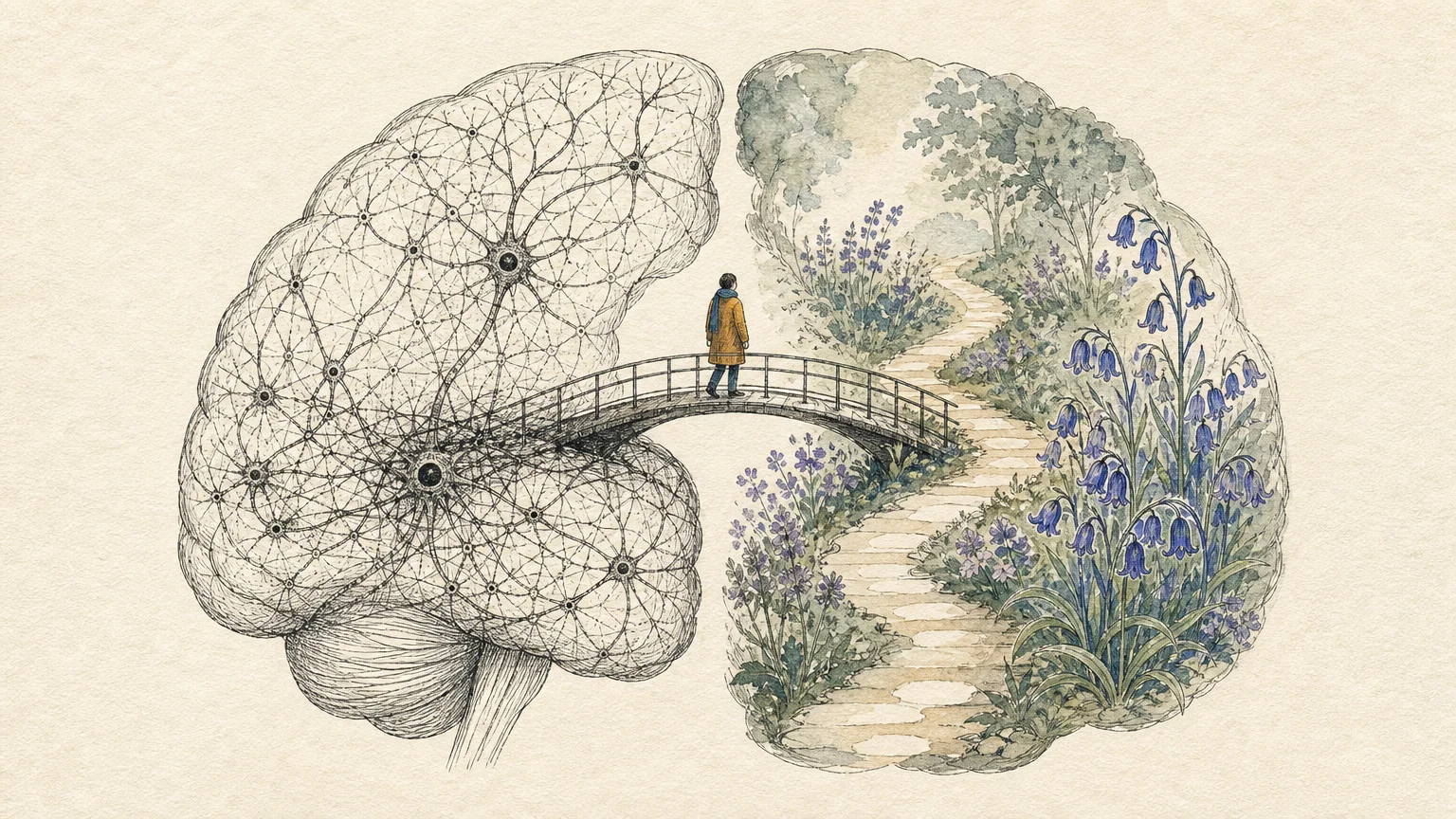
The Connection Between Neurology and Mental Health
When you think of Parkinson’s disease, your mind likely jumps straight to the visible physical symptoms: tremors, rigidity, and slowed movement. While these motor symptoms are the hallmarks of the condition, they represent only a fraction of the overall picture. Data from the World Health Organization (WHO) (2025) indicates that the global burden of Parkinson’s disease has grown significantly, affecting nearly 12 million people worldwide. As this number rises, medical professionals and psychologists are placing a much heavier emphasis on the “prodromal” phase—the period before classic motor symptoms become obvious.
During this early window, the loss of dopamine doesn’t just affect how your body moves; it profoundly alters how you feel, how you process the world, and how you connect with the people around you. Dopamine is a crucial neurotransmitter responsible for regulating movement, but it is also deeply involved in your brain’s reward and pleasure centers. Because of this, early Parkinson’s disease often presents as a complex blend of subtle physical shifts and significant psychological changes. Understanding these 7 early signs can help you bridge the gap between physical health and emotional well-being, allowing you to seek comprehensive care much sooner.

1. Dramatic Changes in Sleep Patterns
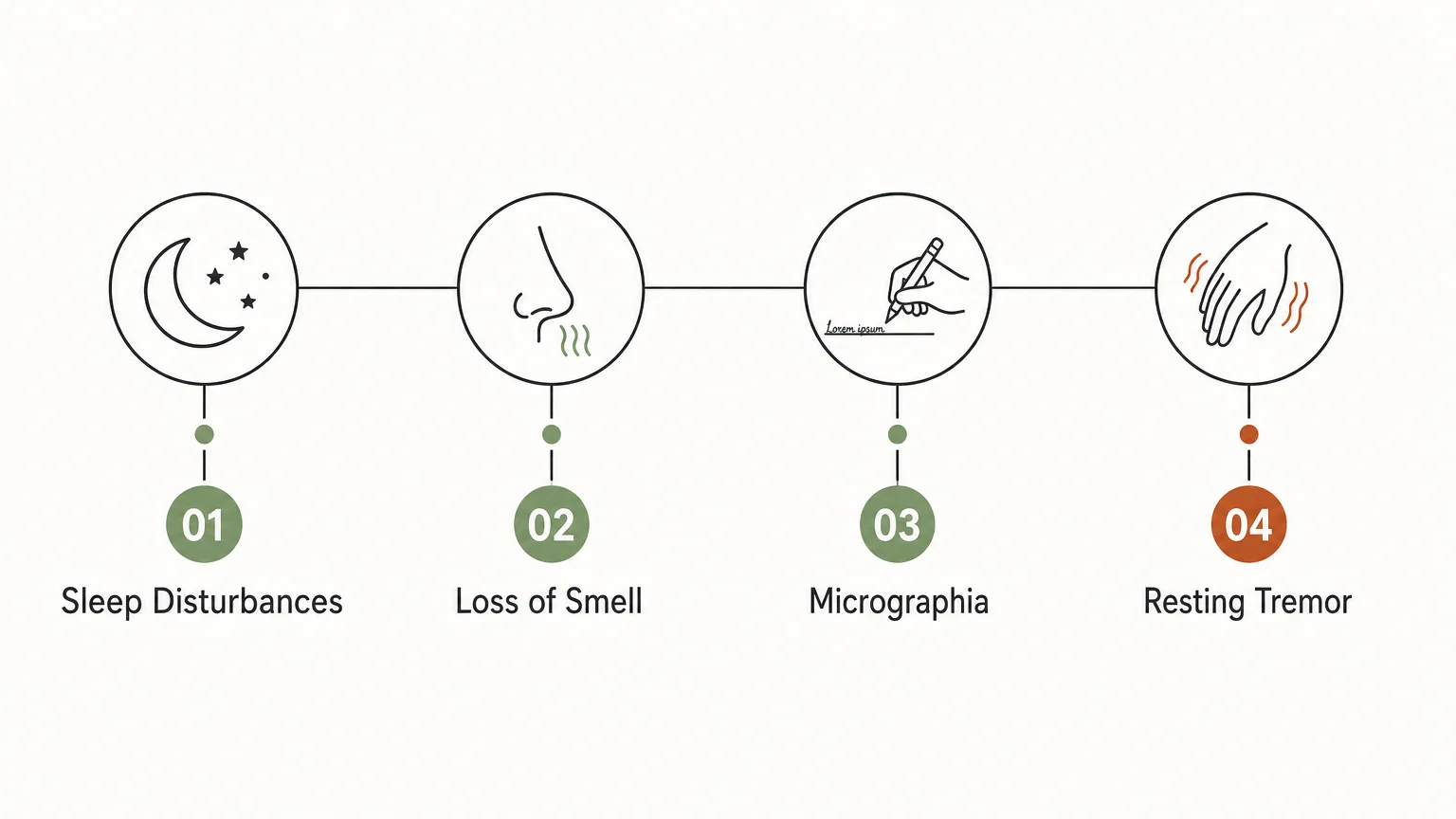
Everyone experiences a restless night of sleep occasionally, but the sleep disturbances associated with early Parkinson’s disease are highly specific and often alarming for bed partners. One of the strongest early indicators of the disease is a condition called REM Sleep Behavior Disorder (RBD). Normally, when you enter the rapid eye movement (REM) stage of sleep—the phase where vivid dreaming occurs—your brain essentially paralyzes your major voluntary muscles to keep you still and safe.
In people developing Parkinson’s, this safety mechanism begins to fail. Instead of lying still, you might physically act out your dreams. This can involve shouting, crying, thrashing your arms, or even accidentally striking your partner. According to research published by the National Institutes of Health (2021), up to 30% of people with Parkinson’s experience REM sleep behavior disorder, and it can manifest years—or even decades—before any physical tremors begin.
The psychological toll of RBD is significant. It often leads to severe sleep deprivation for both you and your partner, fostering daytime fatigue, irritability, and chronic stress. Over time, couples may resort to sleeping in separate rooms to ensure safety, which can inadvertently create physical and emotional distance in the relationship.

2. A Diminished Sense of Smell (Hyposmia)
Losing your sense of smell might seem like a minor inconvenience, but it is one of the most common and earliest signs of Parkinson’s disease. While a temporary loss of smell is a normal side effect of a severe cold, allergies, or certain viral infections, the hyposmia associated with Parkinson’s is persistent and gradual.
You might notice that you can no longer detect strong, familiar odors like coffee, garlic, bananas, or dill pickles. Studies indicate that olfactory dysfunction affects over 90% of individuals with Parkinson’s disease, often appearing long before any movement issues are detected. This occurs because the abnormal protein deposits (alpha-synuclein) associated with the disease often accumulate in the olfactory bulb before spreading to other parts of the brain.
From a psychological standpoint, losing your sense of smell can quietly diminish your quality of life. Smell is deeply tied to memory, emotion, and the enjoyment of food. When eating loses its sensory pleasure, you may experience a decrease in appetite and an unexpected sense of grief or mild depression. Meals are a primary way we connect socially; when food loses its appeal, the social rituals surrounding it can feel like a chore.

3. Shrinking Handwriting (Micrographia)
If you look back at greeting cards or journals you wrote a few years ago and compare them to your writing today, you might notice a startling difference. A subtle but classic sign of early Parkinson’s disease is micrographia—a sudden change in handwriting where your letters become progressively smaller and the words appear crowded together.
This happens because the brain’s ability to coordinate the fine motor movements required for fluid writing becomes compromised. You might start a sentence with normal-sized letters, but by the end of the line, the text has shrunk to an almost illegible scrawl.
The frustration of micrographia extends beyond the physical difficulty of holding a pen. Handwriting is a deeply personal form of expression. Watching your signature change or struggling to write a legible note to a loved one can trigger feelings of anxiety and a loss of personal identity. It is a visual, undeniable reminder that your body is no longer responding the way you want it to, which can be difficult to process emotionally.

4. Reduced Facial Expressions (Facial Masking)
In the realm of psychology and relationships, facial expressions are the currency of emotional connection. They tell your partner when you are listening, when you are surprised, and when you are feeling joyful. Early Parkinson’s disease can rob you of these spontaneous micro-expressions, resulting in a symptom known as facial masking, or hypomimia.
Because the muscles in your face become rigid and slow to move, you might develop a serious, blank, or staring expression, even when you are engaged in a lighthearted conversation. You might blink less frequently or fail to smile when someone tells a joke.
This subtle sign often creates profound misunderstandings in relationships. Your spouse, friends, or children may interpret your blank expression as apathy, boredom, or anger. They might ask, “Are you mad at me?” or “Why don’t you care about what I’m saying?” This can lead to a painful cycle of miscommunication, where you feel constantly misunderstood, and your partner feels emotionally abandoned. Recognizing that this “blank stare” is a neurological symptom rather than an emotional withdrawal is vital for preserving relationship harmony.
5. A Softened or Hoarse Voice (Hypophonia)
Just as the muscles in your limbs and face become stiff, the muscles governing your vocal cords can also lose their agility. In the early stages of Parkinson’s disease, you might notice that your voice has become noticeably softer, breathy, or hoarse. Often, you may not realize your volume has dropped; instead, you simply notice that people are constantly asking you to repeat yourself or lean in to hear you.
You might also lose the natural inflection in your tone, causing your speech to sound flat or monotone. When combined with facial masking, this loss of vocal emotion can severely impair your ability to communicate empathy or excitement.
The psychological impact of hypophonia is insidious. Constantly having to repeat yourself takes a massive amount of physical and mental energy. Over time, many individuals with early Parkinson’s find it easier to simply stop talking. This can lead to social isolation, as you may begin withdrawing from group conversations, dinner parties, and family gatherings to avoid the exhaustion and embarrassment of not being heard.

6. Subtle, One-Sided Resting Tremors
A tremor is the most widely recognized symptom of Parkinson’s disease, but in the early stages, it is incredibly subtle. It usually begins on just one side of the body—often in a finger, the thumb, or the chin. The defining characteristic of a Parkinson’s tremor is that it is a “resting tremor,” meaning it occurs when your muscle is relaxed and completely supported, such as when your hand is resting in your lap. The shaking typically stops or decreases significantly when you purposefully use your hand to grab a cup or write a note.
While the physical impairment of an early, slight tremor may be minimal, the emotional weight is heavy. A visible tremor is difficult to hide. You might find yourself constantly tucking your hand into your pocket or sitting on your hands during meetings to conceal the shaking. This hyper-vigilance breeds public anxiety and can make you dread social interactions. Acknowledging the tremor to yourself and your loved ones requires immense vulnerability, but it is the first step toward getting the medical help you need.
7. Unexplained Mood Changes: Depression and Apathy
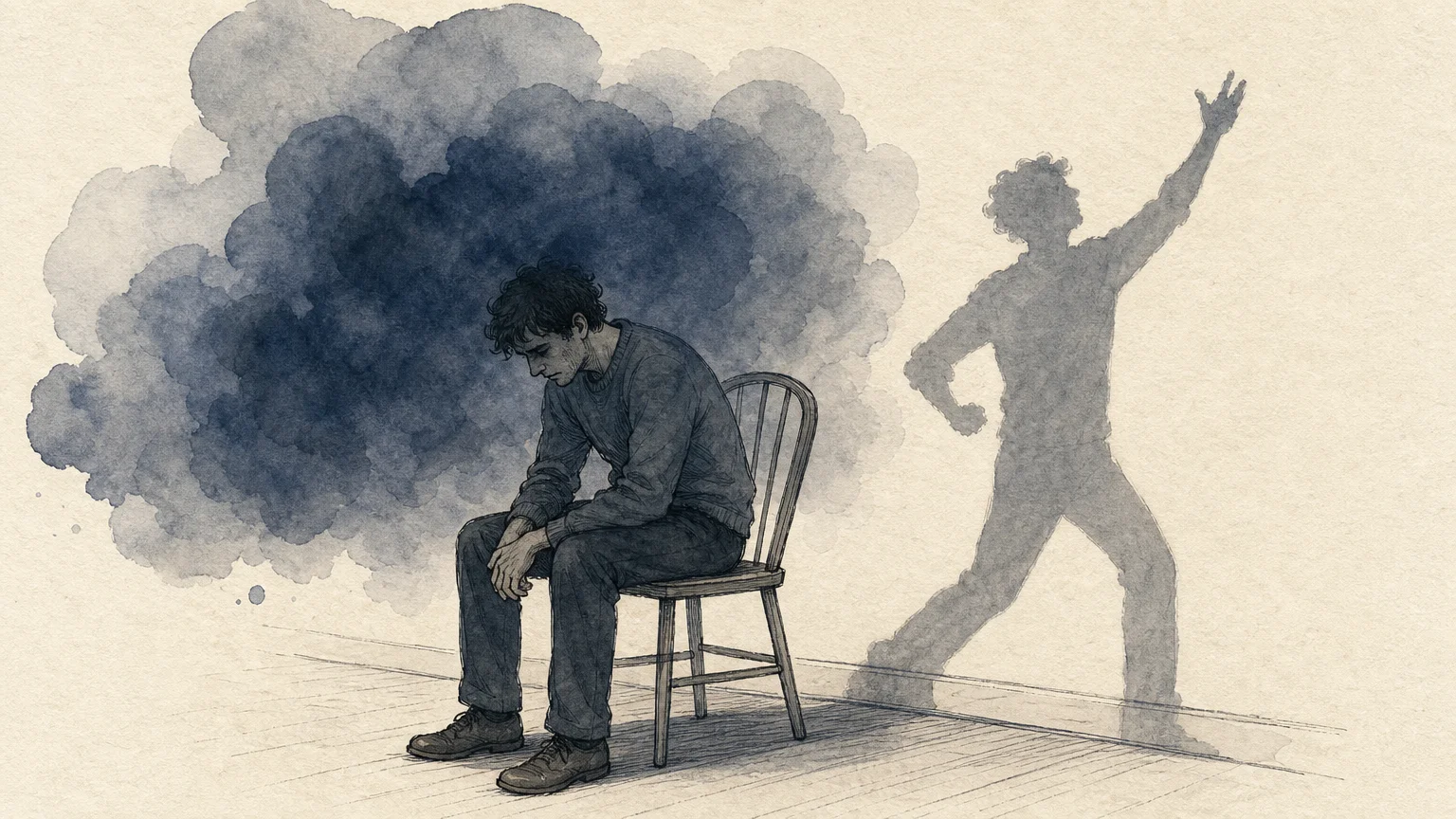
Perhaps the most misunderstood early signs of Parkinson’s disease are the profound changes in mood. It is natural to assume that if someone is diagnosed with a chronic illness, they will experience a period of reactive depression. However, the depression associated with Parkinson’s often begins long before the patient even knows they are sick.
According to current research from the National Institutes of Health (2025), depression affects up to half of all Parkinson’s patients, and anxiety impacts roughly 40% to 70%. These mental health struggles are driven by the physical deterioration of the brain. As the disease damages the neural pathways that produce dopamine, serotonin, and norepinephrine, your brain’s ability to regulate mood and motivation is fundamentally altered.
You may experience profound apathy—a distinct lack of interest, motivation, or emotion. You might abandon hobbies you once loved, withdraw from friendships, and struggle to find joy in your daily routine. Because these emotional symptoms often predate physical tremors, they are frequently misdiagnosed as primary depression or mid-life burnout. If you or a loved one are experiencing treatment-resistant depression coupled with a sudden lack of motivation and unexplained physical stiffness, it is worth discussing neurological screening with a physician.
“When we are no longer able to change a situation, we are challenged to change ourselves.” — Viktor Frankl, Neurologist and Psychiatrist
Patterns to Watch For
Because Parkinson’s disease develops gradually, it is incredibly easy to attribute its early signs to the natural aging process. However, distinguishing between typical age-related changes and potential neurological warning signs is crucial for early intervention. If you find yourself making excuses for a loved one’s sudden withdrawal or physical stiffness, use this comparison to gain clarity.
| Symptom Category | Normal Age-Related Change | Potential Early Parkinson’s Sign |
|---|---|---|
| Sleep Quality | Waking up occasionally during the night; needing slightly less sleep overall as you age. | Acting out vivid dreams, thrashing, or yelling while asleep (REM Sleep Behavior Disorder). |
| Sense of Smell | A temporary loss of smell due to a severe cold, allergies, or a sinus infection. | A persistent, chronic inability to smell strong odors like bananas, garlic, or licorice. |
| Handwriting | Writing becoming slightly stiff due to arthritis or requiring reading glasses to write clearly. | Words progressively shrinking in size and crowding together on the page (micrographia). |
| Voice and Speech | Occasionally having a hoarse voice after a cold or straining your vocal cords. | A permanent drop in volume; speech becomes soft, breathy, or monotone without realizing it. |
| Movement and Tremors | A slight shake in your hands after intense physical exertion, heavy lifting, or too much caffeine. | A rhythmic, subtle shaking in one hand, finger, or chin only when the muscle is completely at rest. |

How Early Parkinson’s Affects Your Relationships
A chronic illness never happens to just one person; it happens to an entire family system. The early, undiagnosed stages of Parkinson’s disease can be particularly destructive to a marriage or partnership because the symptoms are so easily misinterpreted as emotional slights.
If you are experiencing facial masking and a softening voice, your partner might feel like they are constantly initiating connection, only to hit a brick wall. They may perceive your lack of facial animation as a rejection of their bids for affection. If you are experiencing disease-driven apathy, your partner may feel overwhelmed by the sudden imbalance of household responsibilities, breeding resentment.
Navigating this requires radical empathy and open communication. Once you understand that these changes are neurological, you can separate the disease from the person. Couples who thrive despite a diagnosis are those who learn to communicate differently. You may need to rely on explicit verbal affirmations rather than subtle facial cues. Saying, “I am really happy to see you; my face is just having trouble showing it today,” can instantly defuse your partner’s anxiety and foster a deeper, more resilient connection.
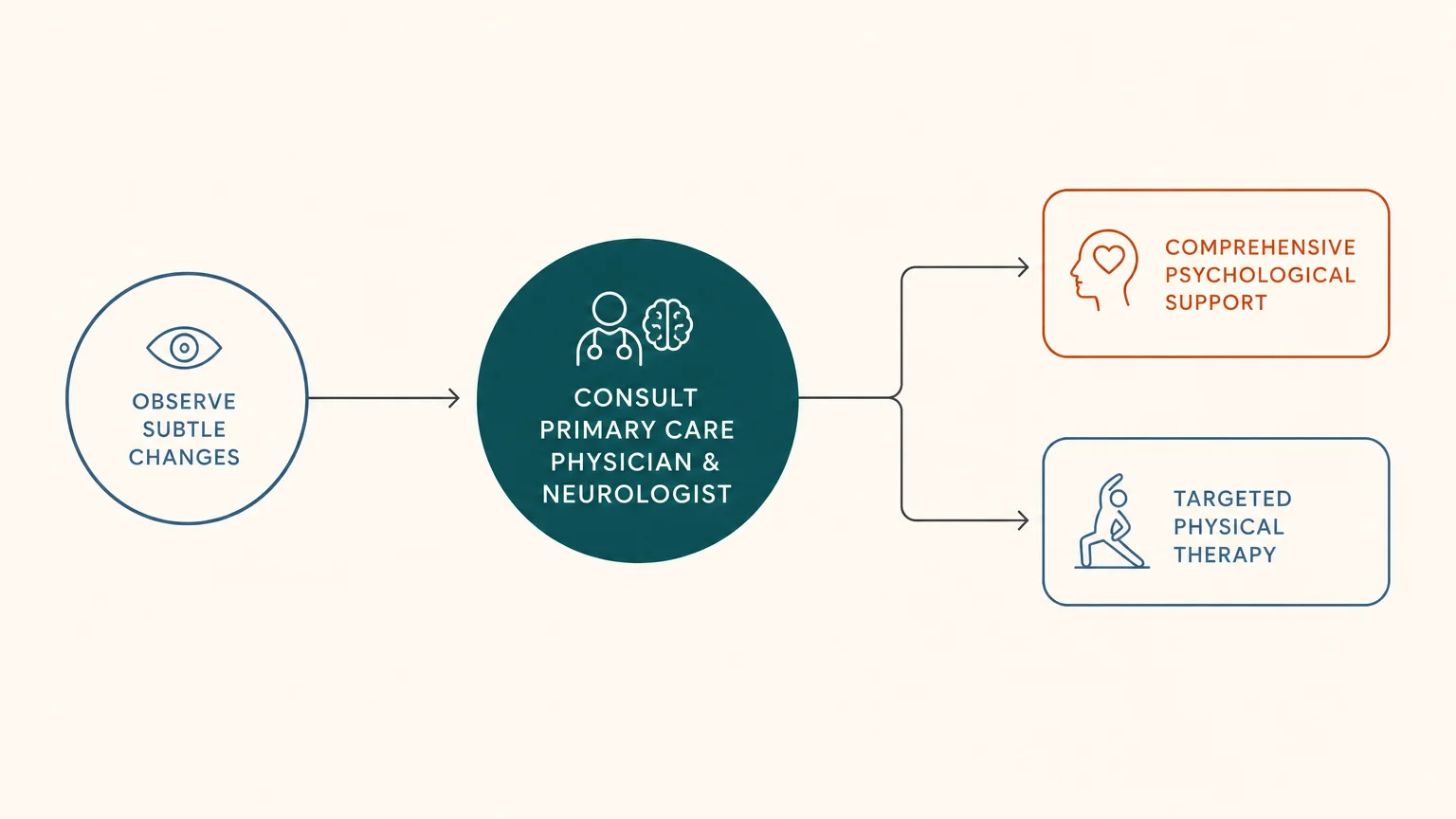
When Self-Help Isn’t Enough
While educating yourself about these subtle signs is an empowering first step, neurological and psychological changes require specialized, professional care. You should seek support from a neurologist and a licensed mental health professional if you notice any of the following scenarios:
- Symptoms interfere with daily function: If subtle tremors, physical stiffness, or profound fatigue make it difficult to perform your job, drive safely, or manage your household.
- Mood changes become overwhelming: If feelings of apathy, anxiety, or deep depression persist for more than a few weeks, rob you of your joy, and do not respond to basic lifestyle changes.
- Communication breaks down: If facial masking or a softening voice is causing frequent misunderstandings, arguments, or emotional distance between you and your partner.
- Safety becomes a concern: If vivid dreams lead to physical injuries for you or your bed partner, or if minor balance issues cause you to stumble frequently.
Frequently Asked Questions
Can early Parkinson’s be misdiagnosed as depression?
Yes. Because dopamine depletion significantly impacts mood regulation, profound depression and apathy often appear years before physical tremors. Many individuals are initially diagnosed with primary depression or anxiety before a neurologist identifies the underlying Parkinson’s disease.
At what age do early signs usually appear?
While Parkinson’s is most commonly diagnosed in individuals over the age of 60, early subtle signs can appear in a person’s 50s or even earlier. Young-onset Parkinson’s disease (YOPD) affects a smaller percentage of people, but the early signs remain largely the same.
How is Parkinson’s disease diagnosed?
There is currently no single blood test or brain scan that definitively diagnoses Parkinson’s disease. Diagnosis is clinical, meaning a neurologist will evaluate your medical history, review your symptoms, and perform a detailed neurological physical examination to observe your movement, coordination, and reflexes.
Facing the potential of a neurodegenerative diagnosis is undoubtedly frightening. It is completely normal to feel a surge of anxiety or grief if you recognize these subtle signs in yourself or someone you love. However, naming the problem is the first step toward taking control of your future. You do not have to navigate this uncertainty in isolation.
Reach out to a medical professional to discuss your observations openly, and consider connecting with a therapist who specializes in chronic illness or aging. By addressing both the physical and emotional ripples of these early signs, you can build a resilient foundation for your health, your peace of mind, and your most valued relationships.
This is educational content based on psychological research and general principles. Individual experiences vary significantly. For personalized guidance, consult a licensed therapist, psychologist, or counselor.
Helpful Resources for Further Reading:
- Parkinson’s Foundation
- National Institutes of Health (NIH)
- WHO Mental Health
- American Psychological Association (APA)
- National Institute of Mental Health (NIMH)
Last updated: June 2026. Psychology research evolves continuously—verify current findings with professional sources.









Leave a Reply