
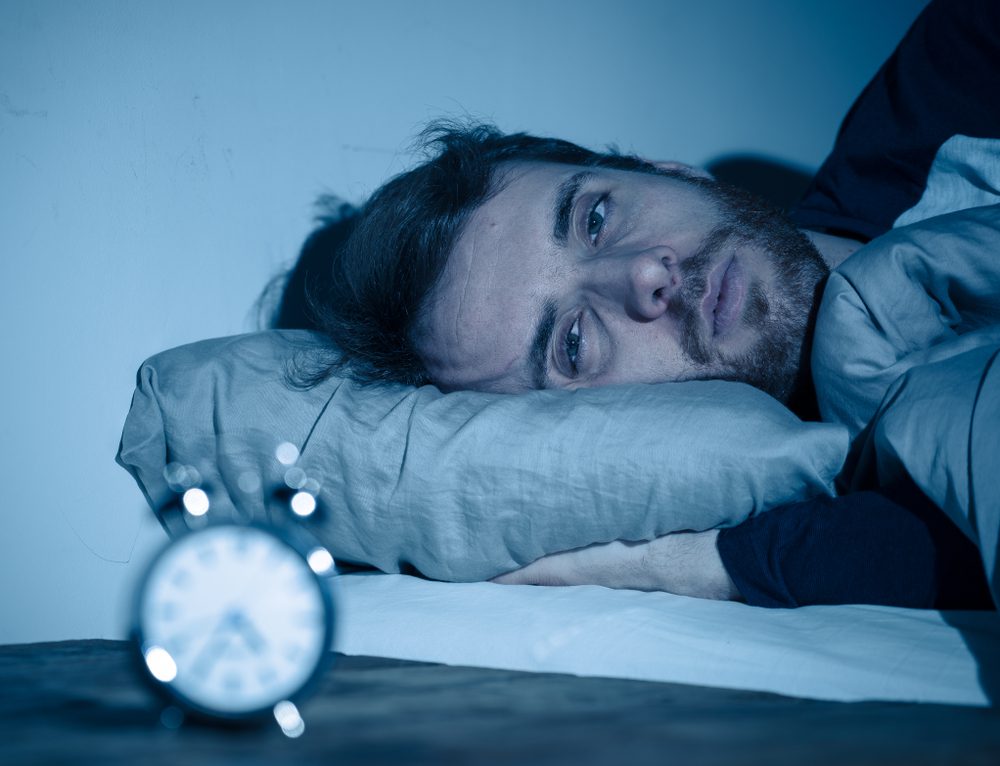
What’s the number-one reason for anxiety?
Researchers aren’t 100% sure what really causes anxiety disorders. Every single disorder might have its own risk factors, but according to the National Institute of Mental Health, you’re way more likely to develop such a disorder if you have experienced multiple traumatic life experiences, if you have a physical condition that is linked to anxiety, such as thyroid disorders, or if your biological relatives suffer from anxiety disorders or any other mental illnesses.
In other words, they can be both genetic and caused by environmental factors.
What does the research say?
Years of research have been focused on finding hereditary connections. For instance, research from 2002 showed that certain chromosomal characteristics could be linked to phobias and panic disorders.
Another 2015 study dug into mental illnesses and twins, discovering that the RBFOX1 gene could make someone more likely to develop generalized anxiety disorder. There’s also a 2016 review that showed how social anxiety disorder, panic disorder, and generalized anxiety disorder are all linked to these specific genes.
Most researchers concluded that anxiety can be genetic, but it can also be influenced by environmental factors. Shortly, it’s very possible to have anxiety without it running in your family. There’s a lot to say about the link between genes and anxiety disorders that we still don’t know, and it is obvious that more research is needed.
What are the symptoms of anxiety disorders?
Anxiety itself is a feeling, not a mental illness, but there are many conditions out there classified as disorders. These also include:
- generalized anxiety disorder (GAD): chronic anxiety about everyday experiences and situations
- panic disorder: constant recurring panic attacks
- Phobias: intense fear of specific things
- Social anxiety disorder: an intense fear of losing the ones you love or important people in your life
According to the American Psychiatric Association, there are many other mental health conditions that might not be specifically anxiety disorders, but they still include anxious manifestations as a main symptom, like obsessive-compulsive disorder, post-traumatic stress disorder, acute stress disorder, and adjustment disorder.
Anxiety is basically a constant feeling of worry. As everyone feels anxious every now and then, some people might suffer from such disorders. They generally involve intense and debilitating symptoms, even when it comes to things that wouldn’t normally cause fear.
Symptoms
The symptoms mainly differ depending on which anxiety disorder you suffer from. As a general rule, symptoms of such disorders include excessive worrying, panic attacks, difficulty concentrating, memory problems, irritability, struggling to sleep well, and tense muscles.
How can we diagnose it?
To be diagnosed with such disorder, you might have to speak to a mental health professional like a psychiatrist, psychologist, licensed professional counselor, or even a social worker. You might discuss your thoughts, feelings, and behavior. They might also speak to you about your symptoms and compare them to those outlined in the Diagnostic and Statistical Manual of Mental Disorders.
Treatment: Therapy
Therapy can be very helpful for those who suffer from anxiety disorders. Therapy can also teach you useful tools and insights, but it can also explore your feelings and help you understand the full impact of the experiences you might have had.
One of the most common treatments is known as cognitive behavioral therapy or CBT. It involves talking to your psychologist or psychiatrist about your past experiences. With CBT, you could learn to notice and change your thoughts and behavioral patterns.
According to the American Psychological Association, around 75 percent of people who try talk therapy find it extremely beneficial in one way or another.
Medication
Anxiety can also be easily treated by medication, which your doctor could prescribe to you. Luckily, there are plenty of medications out there, each with its own benefits and drawbacks. Medication isn’t always needed, but it could be helpful to alleviate some of those symptoms.
Lifestyle
Naturally, some lifestyle changes could also help you manage the symptoms.
These changes include getting more exercise, reducing your caffeine intake, avoiding recreational drugs and alcohol, eating a balanced diet, getting enough sleep, using various relaxation techniques, whether it’s yoga or meditation, managing your time to reduce stress, talking to supportive people about your anxiety, and keeping a journal so you can properly express and understand your feelings.
What’s the outlook for anxious people?
Most anxiety disorders are chronic, which means they don’t disappear. But there are many effective ways to treat them. For example, through therapy, lifestyle changes, and even medication, you could learn how to cope better to manage your disorder.
Ways to cope with it
If you sporadically suffer from anxiety and it’s getting in the way of your focus or tasks, some of the most efficient remedies might help you take control of the situation. Let’s say your anxiety is focused on one particular situation, like worrying about an upcoming event. In that case, you could notice the symptoms are quite short-lived and usually appear after the anticipated event takes place.
Question your thought process.
Unhelpful thoughts could take root in your mind and distort the severity of the situation. One efficient way to deal with that is to challenge your fears, ask if they’re really true, and see where you can pick up on gaining control again.
Practice focused and deep breathing.
Measured breathing practices could help you manage instant feelings of anxiety. You can try breathing in for 4 counts and breathing out for 4 counts for 5 minutes. When you even out your breath, you also slow your heart rate, which might help calm you down.
Use aromatherapy
Limited research shows that aromatherapy could help reduce feelings of restlessness in some settings. Aromatherapy practitioners and supporters report plenty of anecdotal benefits from this practice. Whether they’re in essential oil form, incense, or even a candle, natural scents such as lavender, chamomile, and sandalwood can be extremely soothing.
Exercise
At times, the best way to stop anxious thoughts is simply to leave a situation and get moving. Focusing on your body instead of your mind could help relieve your anxiety. Low-impact exercises such as walking, yoga, and tai chi could help people reduce their stress and manage the symptoms.
Grounding techniques
Grounding techniques like journaling or the 333 rule could often help calm immediate restlessness. The 333 rule involves naming three things you can see, three sounds you can hear, and interacting with three things you can touch.
Moreover, writing down what triggers you might get it out of your head and make it less daunting. After that, reading your thoughts and feelings could also help you learn more about your emotions in the immediate moment.
There’s obviously much more to untangle when it comes to ways to cope with it. We wouldn’t want to leave you without all the needed information. That’s why we want to recommend a couple of books that might help you deal with it on your own.
First, there’s “Unwinding Anxiety” by Jusdon Brewer, then “The Mindful Path: Combining Psychotherapy and Buddhist Practices” by Michael Jones. Both of these books will help you understand and deal with it better.
If you’re eager to read other articles, we also recommend: 10 Reasons Why Assisted Living Facilities Are a Great Decision






Leave a Reply