Psychology Diary

The First Step Toward Change Is Awareness

  • Home
  • Relationships
  • Mental Health
  • Expert Tips
  • Life
  • Family
  • Marriage

8 Tips for De-Stressing After a Conflict

July 25, 2023 · Mental Health
tips for de-stressing
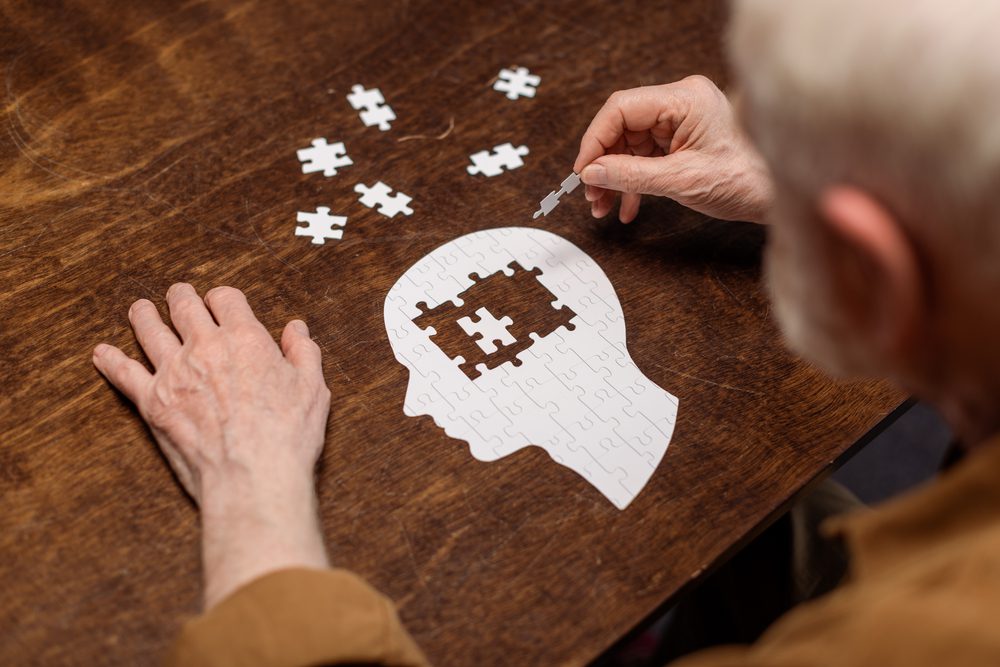
Photo by fizkes from Shutterstock

2. Stay calm

We know it’s hard to stay calm after a big conflict when everybody yells at each other. But it’s very important, and it helps you de-stress! If being calm can’t be done that fast, try to take deep breaths and stay centered. Focus on your breathing exercises! This is the nonverbal way to influence others to do the same and see how they react. In most cases, some moments of silence help people be calmer and more aware of what happened.

3. Be an empathic listener

You’ve probably heard this cliche phrase quite a lot in the past few years, but it is by far one of the best tips for de-stressing! Being empathic has always been one of the greatest qualities a human can have, but very few people acknowledge it. After a conflict, most of us tend to be angry, frustrated, and even sad because it happened. And while it’s perfectly normal to feel like that, there is always the other side of the coin that matters, and in this case, empathy. Empathic listening to the person in front of you will help you find the solution to your problem.

Try to listen to them to understand their point of view, not to disagree with them! Wait for them to vent, and after that, when it’s your turn to speak, feel free to. According to therapists, in the majority of cases, conflicts are not caused by the problem but mostly because people can’t communicate with or resonate with the opponent on an emotional level.

Instead of keeping yelling at each other or, even worse, insulting yourselves, focus on the solutions to end the argument! Try this next time you’re fighting with someone.

Pages: 1 2 3 4 5 6

Share this article

Facebook Twitter Pinterest LinkedIn Email

Leave a Reply Cancel reply

Your email address will not be published. Required fields are marked *

Search

Latest Posts

  • An ink and watercolor illustration of a parent at a table, looking at a phone from which a thorny vine grows. 10 Hidden Signs Your Adult Child Is Toxic
  • A conceptual paper collage showing a silhouette framed by overlapping paper layers, symbolizing a shrinking world. 10 Signs Your Spouse Is Controlling You
  • An adult in a knit sweater sits on a window sill on a gray day, looking out over a misty city with a steaming mug. 10 Subtle Signs You're Just Existing, Not Truly Living
  • Editorial illustration of a person surrounded by a protective warm watercolor aura, deflecting dark droplets on textured paper. 10 Common Psychological Defense Mechanisms - Which One Do You Use?
  • A mixed-media collage silhouette of a person made from torn paper, charcoal sketches, and ink washes, representing fragmented self-trust. 9 Signs of an Emotionally Abusive Relationship
  • A mixed media collage of a human silhouette with layered torn paper in indigo and gold, symbolizing trapped physical energy and healing. 10 Signs Your Body is Holding Trauma
  • An illustration of an adult walking forward, casting a shadow that reveals a towering parental figure behind them. 10 Signs You Were Raised by a Narcissist
  • An editorial gouache illustration of a woman's profile transitioning from concrete architecture to elegant fashion lines. Who Was Melania Before She Met Donald Trump? (A Psychological Portrait)
  • An ink and watercolor illustration of a person holding a large ceramic vase with glowing gold cracks, symbolizing hidden internal pressure. The Psychology of the Person Who Is Always Fine Until They Absolutely Aren't
  • A woman sits in a sunlit home library, looking thoughtfully out a window with an open book on her lap. 12 Signs of a High IQ

Newsletter

Get the latest posts delivered to your inbox.

Related Articles

True Crime

9 Reasons Why We Like True Crime

Isn’t it crazy that we love true crime? Why do life-threatening situations entertain us? We…

Read More →
types of trauma emotional unavailable

10 Most Common Types of Trauma Explained

Let’s talk about the most common types of trauma! While nearly everyone experiences traumatic or…

Read More →

Watch Out: 5 Bipolar Disorder Signs

How to Spot Bipolar Disorder — 5 Subtle Signs You Should Look Out For! Did…

Read More →
PTSD

Nightmares, Numbness, and 12 Other Shocking Signs of PTSD

What do you know about PTSD? To put it in simpler words, disorders of the…

Read More →
memory, alzheimer's

Alzheimer’s Disease: 8 Early Signs You Shouldn’t Overlook

2. Losing Items Anyone can misplace a wallet or keys. However, a person living with…

Read More →
anger management

4 Anger Management Techniques Everyone Needs to Know

Have you been thinking about implementing some anger management in your life recently? When it…

Read More →
mental health

Mental Health Struggles: 7 Usual (and True) Things People Go Through

…Is mental health a priority for you? If not, it should be. According to experts,…

Read More →
mental illness

7 Early Signs of Mental Illness Only Seniors May Feel

2. Irritability in men For instance, believe it or not, depression can affect men and…

Read More →
Alzheimer's

6 Surprising Truths About Alzheimer’s. Why Is Nobody Talking About Them?

This year in the U.S., it’s anticipated that there will be close to 500,000 new…

Read More →

Psychology Diary

The First Step Toward Change Is Awareness

Inedit Agency S.R.L.
Bucharest, Romania

contact@psychologydiary.com

Explore

  • About Us
  • Advertiser Disclosure
  • Contact Us
  • Disclaimer
  • Do not sell my personal information
  • Editorial Policy
  • Frequently Asked Questions
  • Privacy Policy
  • Terms and Conditions
  • Subscribe
  • Unsubscribe

Categories

  • Expert Tips
  • Family
  • Life
  • Marriage
  • Mental Health

© 2026 Psychology Diary. All rights reserved.