

While divorce rates among younger couples continue to fall across the country, splits among older adults tell an entirely different story. Over one-third of all divorces in the United States now occur among adults aged 50 and older.
Sociologists call this historic shift the “gray divorce revolution,” and it alters how we approach modern retirement. If you are questioning your late-life marriage, understanding the psychological forces behind this trend brings essential clarity.
Walking away after decades together rarely stems from sudden hostility. Instead, it reflects decades of quiet divergence, shifting cultural values, and an unprecedented expansion of our golden years.

The Unprecedented Rise: What Gray Divorce Statistics Reveal
Decades ago, late-life divorce was a statistical anomaly. Most couples who celebrated their silver anniversaries remained together until death separated them.
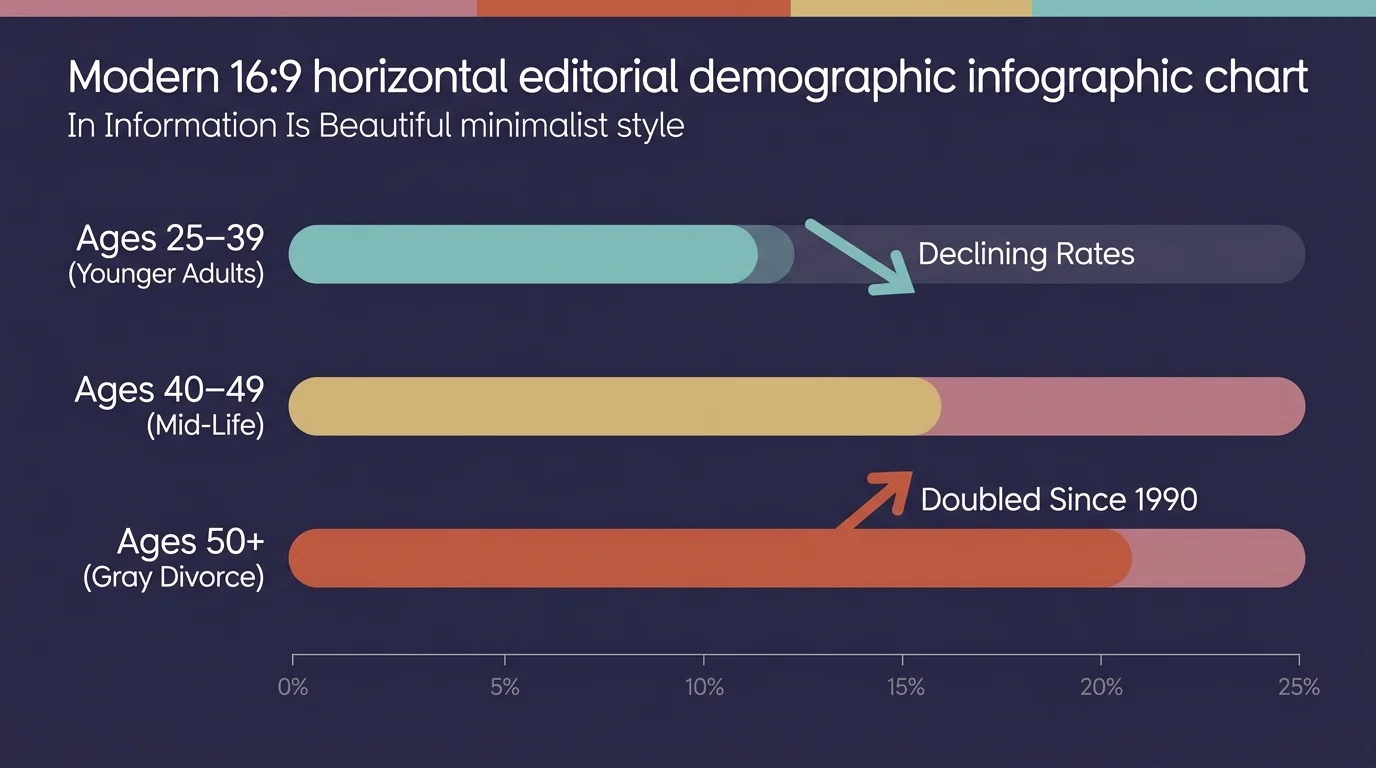
Landmark demographic research has documented a profound cultural reversal. Sociologists Susan L. Brown and I-Fen Lin at Bowling Green State University discovered that the divorce rate for U.S. adults aged 50 and older doubled between 1990 and 2010.
Their subsequent findings showed an even steeper climb among seniors. Between 1990 and 2022, the divorce rate among adults aged 65 and older tripled.
In 1990, older adults accounted for less than 10% of all marital dissolutions nationwide. Today, senior divorce trends show that adults over 50 represent roughly 36% of all Americans exiting marriages.
These figures highlight a profound transformation in how society views aging and partnership. You are witnessing a generation that views retirement not as an end, but as a dynamic new beginning.
Core Late-Life Divorce Causes: Why Retirees Are Parting Ways
Understanding why retirees are divorcing requires looking past standard explanations like infidelity or financial ruin. In many cases, the pressures driving older couples apart develop silently across decades.
The transition from a bustling career and active child-rearing to full-time domestic life often exposes hidden fissures. When daily distractions disappear, partners must confront who they have become.
1. The Expanded Horizon of Longevity
In 1960, the average American lived roughly 70 years. Today, according to data tracked by the National Institutes of Health, life expectancy averages near 78 to 79 years.
Reaching age 65 no longer signals the final chapter of life. You may easily have two or three vibrant decades ahead of you.
When spouses realize their remaining years could span a quarter of a century, tolerance for an unfulfilling relationship evaporates. Many individuals decide that decades of quiet detachment are simply too high a price to pay.
2. The Empty Nest and the Empty Room
For decades, your children’s schedules, sports, and educational needs likely commanded your daily energy. Many couples unknowingly become efficient business partners managing a household rather than romantic companions.
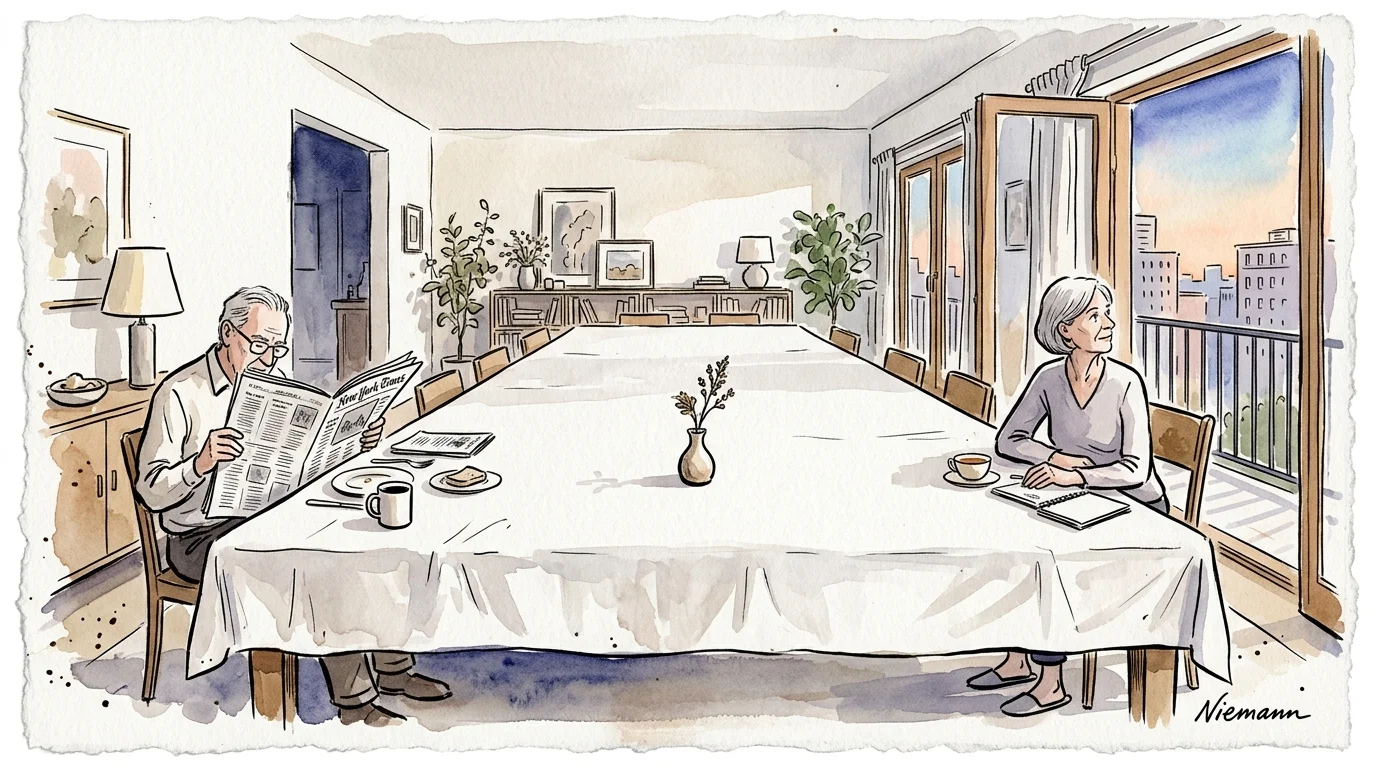
Once the last child moves out, the marital scaffolding falls away. Spouses frequently look across the breakfast table and realize they are living with an unfamiliar roommate.
Couples often discover that their mutual bond relied entirely on shared parenting duties. Without children anchoring the home, silence can turn deafening.
3. Women’s Increasing Financial Independence
A landmark survey by AARP revealed that women initiate roughly 66% of all mid- to late-life divorces. This statistic mirrors a massive sociological evolution over the past half-century.
Women over 50 today possess significantly higher levels of education, career history, and independent retirement assets than previous generations. Financial autonomy allows women to leave unsatisfying marriages that their mothers had to endure.
Additionally, women often build robust social networks outside the home. They maintain supportive friendships and community ties that make independent living emotionally sustainable.
4. Divergent Visions for Retirement
Retirement represents an emotional psychological transition, not merely an economic event. Partners often enter this stage with incompatible dreams.
One spouse may envision moving to a quiet rural homestead to garden and read. The other spouse might crave urban culture, international travel, or a second career.
When neither partner wants to sacrifice their lifelong dreams, resentment festering beneath the surface breaks wide open. Compromise feels more painful when time feels finite.
“Today, we do not divorce because we are unhappy; we divorce because we could be happier.” — Esther Perel, Psychotherapist and Author
5. Cultural Normalization and Reduced Stigma
Baby boomers reshaped social norms throughout their lives, and marital expectations are no exception. The societal shame once tied to ending a marriage has largely dissipated.
Contemporary culture prioritizes personal authenticity, emotional growth, and genuine fulfillment. Society no longer expects you to sacrifice your psychological well-being simply to maintain appearances.
Research published by the American Psychological Association emphasizes that emotional authenticity heavily influences long-term mental health. Staying in a chronically disconnected partnership can breed chronic stress and depression.
First Marriages vs. Remarriages: Understanding the Risk
Marital history plays a decisive role in late-life divorce dynamics. Not all couples face the same statistical hurdles as they approach retirement.
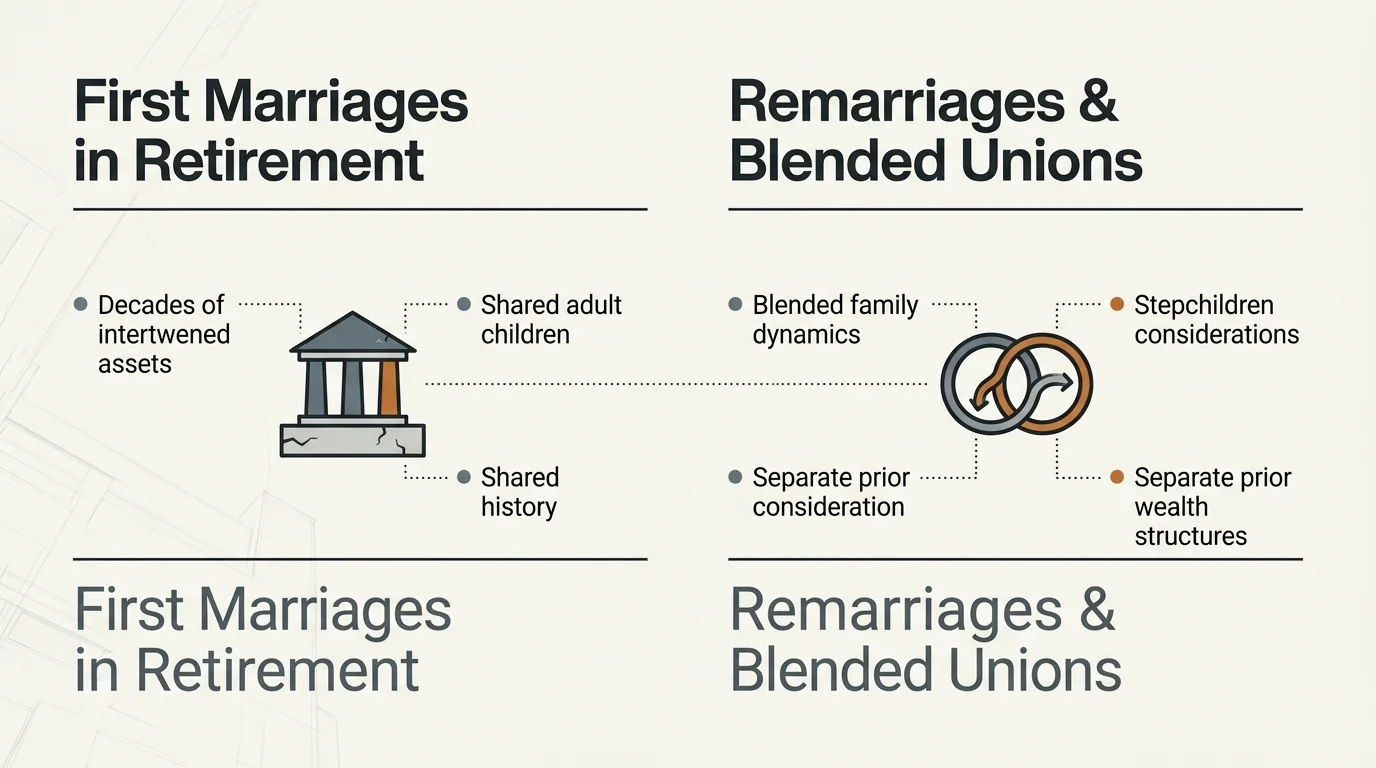
Sociological studies from Bowling Green State University show that the gray divorce rate is approximately 2.5 times higher for adults in remarriages than for those in first marriages. Complex blended family dynamics and past relationship trauma frequently resurface.
Second and third marriages often lack the decades-deep foundational memories that hold long-term couples together. Furthermore, individuals who navigated a prior divorce already know they can survive separation.
Yet over 50% of gray divorces still occur within first marriages lasting twenty years or longer. When long-married couples separate, the psychological unraveling requires untangling a lifetime of intertwined identities.

The Financial Realities of Divorce After 60
While the emotional relief of ending a deadened relationship can be immense, the financial impact demands clear-eyed preparation. Divorcing at 62 presents vastly different economic challenges than divorcing at 32.
A landmark 2021 study in The Journals of Gerontology examined the economic consequences of late-life marital splits. Researchers found that women experience a 45% drop in their standard of living, while men experience a 21% decline.
Both partners typically lose roughly 50% of their accumulated household wealth overnight. Because retirees have exited their peak earning years, recouping these losses becomes extraordinarily difficult.
Data from the Health and Retirement Study reveals that approximately 27% of gray-divorced women aged 63 and older live in poverty. For men in the same demographic, the poverty rate sits near 11%.
Dividing a single household into two distinct residences doubles basic living expenses. Utility bills, property insurance, and property taxes must now be covered by single incomes.
You must also navigate intricate legal rules regarding retirement assets. For instance, the Social Security Administration allows a divorced individual to claim benefits based on an ex-spouse’s earnings record under specific conditions.
To qualify, your marriage must have lasted at least 10 consecutive years, you must be at least 62, and you must currently remain unmarried. This spousal benefit provides up to 50% of your ex-partner’s full retirement amount without reducing their payout.
Comparing Marital Dissolution Across Life Stages
Ending a marriage in retirement involves different psychological stakes than splitting during early adulthood. The table below outlines how late-life divorce diverges from midlife separations.
| Factor | Midlife Divorce (Age 30–45) | Gray Divorce (Age 50–65+) |
|---|---|---|
| Financial Recovery | Decades of peak earning years remain to rebuild savings and investments. | Minimal time remains to recover from a 50% wealth division. |
| Primary Stressor | Custody schedules, child support, and active co-parenting conflicts. | Pension division, healthcare coverage, and dividing retirement accounts. |
| Social Support System | Friends often take sides; children require daily emotional reassurance. | Adult children feel caught in the middle; mutual retirement circles fracture. |
| Health Considerations | Physical health is generally resilient; stress causes acute symptoms. | Loss of spousal caregiving can create acute vulnerability as chronic issues arise. |
| Emotional Motivation | Active hostility, explosive arguments, or infidelity. | Gradual emotional divergence, loss of shared purpose, and empty nest reality. |
Common Misconceptions About Divorce After 60
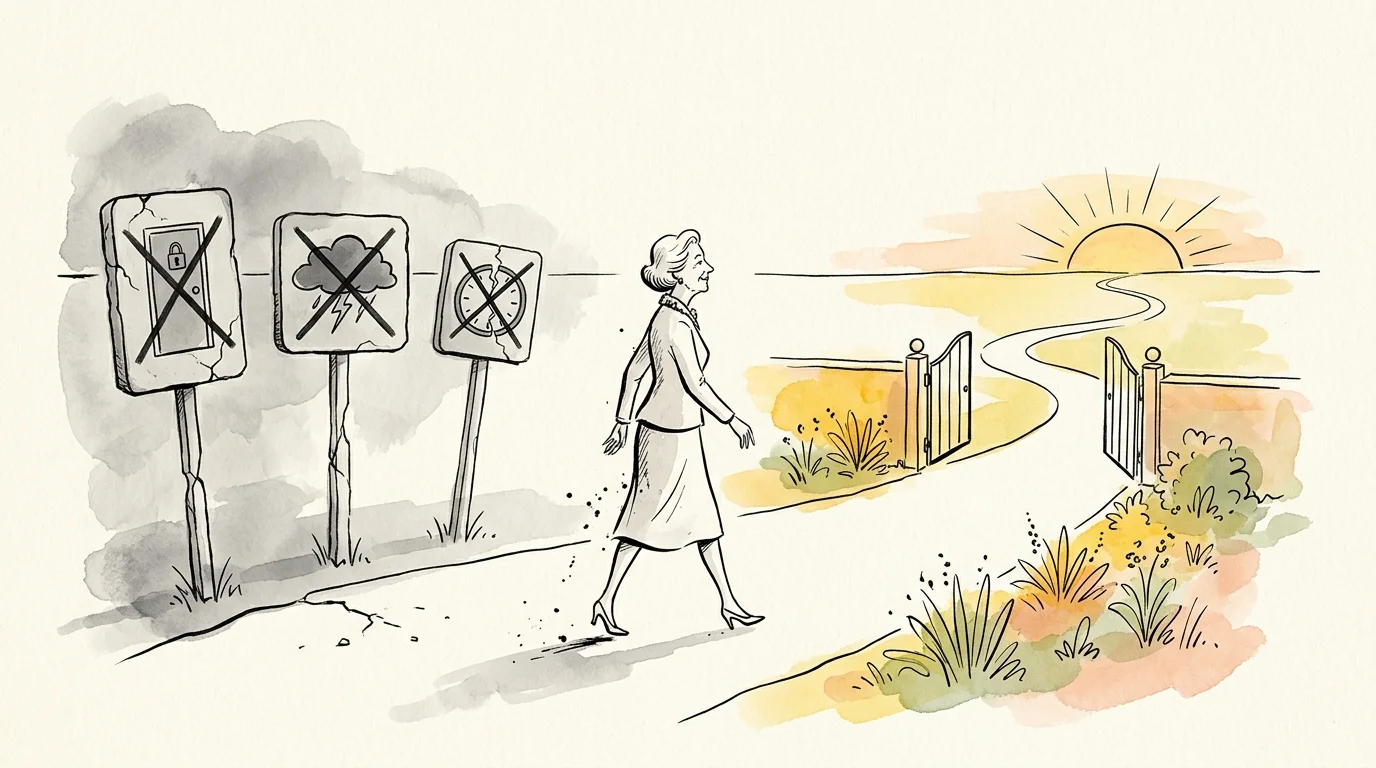
Society often misinterprets late-life marital splits through outdated cultural lenses. Dispelling these myths helps you evaluate your situation without shame or unnecessary panic.
Myth 1: It Is Always Triggered by a Midlife Crisis
Popular culture portrays senior divorce as an impulsive decision driven by sports cars and younger partners. In reality, most retirees spend years—sometimes decades—contemplating their exit.
Couples often delay filing until the youngest child finishes university or becomes financially self-sufficient. Gray divorce is typically deliberate, carefully calculated, and long considered.
Myth 2: Adult Children Are Unaffected by the Separation
Parents often assume their children will shrug off the split because they are grown adults living independently. However, divorce after 60 frequently destabilizes adult children in unexpected ways.
Your adult children may grieve the loss of their childhood home and struggle with divided holiday loyalties. They may also worry about who will provide physical care as each parent ages independently.
Myth 3: Senior Divorce Leads Inevitably to Bitter Isolation
While loneliness is a real risk, late-life divorce frequently leads to expanded personal autonomy and revitalized social bonds. Many older adults report a profound surge in emotional peace once daily domestic tension ceases.
According to research highlighted in Psychology Today, seniors who cultivate purpose and community after divorce flourish emotionally. Living alone does not equate to loneliness when you actively invest in relationships.
“In a healthy relationship, partners support each other’s life dreams and create a shared sense of meaning.” — Dr. John Gottman, Relationship Researcher and Co-Founder of The Gottman Institute

Emotional Coping Strategies for Navigating Senior Divorce
Rebuilding your life after ending a long marriage requires patience, self-compassion, and practical structure. You are dismantling decades of shared habits, family narratives, and domestic routines.
Taking intentional steps cushions the psychological shock and helps you craft a fulfilling new chapter:
- Grieve the shared history, not just the ending: Acknowledge that a marriage ending does not invalidate the joyful years you built together. Allow yourself to mourn the loss of what the partnership was supposed to be.
- Reconstruct your solo identity: When you spend decades as half of a couple, your self-concept fuses with your partner. Rediscover personal hobbies, solo travel, creative outlets, and passions you set aside long ago.
- Establish healthy boundaries with adult children: Never use your adult offspring as therapists, confidants, or messengers. Protect their relationship with your former spouse so they do not feel pressured to choose sides.
- Deliberately build a supportive local network: Social isolation poses severe cognitive and cardiovascular risks for aging adults. Join walking clubs, volunteer for local charities, or take classes to forge fresh friendships.
- Secure professional financial guidance early: Work with a Certified Divorce Financial Analyst (CDFA) who understands qualified domestic relations orders, pensions, and late-life tax planning. Financial clarity dissolves debilitating anxiety.
Developing emotional resilience takes dedicated practice. The Gottman Institute offers extensive research demonstrating that emotional self-regulation remains critical throughout all relationship transitions.

Finding the Right Professional Help
Untangling a marriage of thirty or forty years requires guidance from professionals who understand the legal, financial, and psychological landscapes of aging. Relying solely on informal advice from peers often creates blind spots.
Consider seeking targeted professional support across these specific scenarios:
1. You feel paralyzed by indecision about staying or leaving: Discernment counseling is a specialized, short-term therapy designed specifically for couples where one partner is leaning out while the other wants to preserve the bond. It helps you gain clarity without jumping straight into contentious legal proceedings.
2. Your financial assets involve pensions, business valuations, and complex portfolios: Standard divorce attorneys may not understand how dividing retirement accounts affects long-term tax brackets. A Certified Divorce Financial Analyst ensures you do not agree to a settlement that jeopardizes your medical care or housing security.
3. You experience chronic depression, anxiety, or acute identity loss: Ending a marriage late in life triggers intense existential grief. Working with an individual therapist specializing in life transitions helps you process the trauma of starting over.
4. Communication with your adult children has turned hostile or fractured: Family mediation or structural family therapy can bridge painful communication gaps. A skilled family therapist helps you navigate boundaries around holidays, grandchildren, and caregiving duties.
Frequently Asked Questions About Gray Divorce
Why are women initiating the majority of gray divorces?
Women initiate roughly two-thirds of late-life divorces due to greater financial independence, longer life expectancy, and a lower tolerance for emotional neglect. Many women carry an unequal share of domestic and caregiving burdens for decades and seek personal autonomy in retirement.
How does late-life divorce affect adult children?
Adult children often experience profound emotional disorientation, grief, and boundary confusion. They may struggle with holiday logistics, feel pressured to support an emotionally vulnerable parent, and confront anxiety regarding future eldercare arrangements.
Can I collect my former spouse’s Social Security benefits after divorcing?
Yes, provided you meet specific federal criteria. You must have been married for at least 10 consecutive years, be at least 62 years old, and remain currently unmarried. Collecting does not alter or reduce your former spouse’s payout.
Is it possible to revitalize a distant marriage during retirement?
Yes, if both partners willingly invest effort into rebuilding their emotional bond. Retirement counseling and evidence-based couples therapy can help spouses establish shared retirement goals, restore emotional intimacy, and renegotiate household roles.
Moving Forward with Clarity and Hope
Deciding whether to remain in a long-term partnership or embrace single life in retirement is one of the most consequential decisions you will ever make. Neither staying out of convenience nor leaving out of frustration should happen without deliberate reflection.
If you choose to step onto a new path, remember that an ending can also serve as a profound renewal. Take each day step by step, surround yourself with grounded allies, and honor the courage it takes to pursue authentic peace.
The information in this article is meant for educational purposes and general guidance. It does not replace individual therapy, counseling, or medical treatment. If you or someone you know is in crisis, contact the 988 Suicide & Crisis Lifeline by calling or texting 988.
Last updated: February 2026. Psychology research evolves continuously—verify current findings with professional sources.









Leave a Reply