Psychology Diary

The First Step Toward Change Is Awareness

  • Home
  • Relationships
  • Mental Health
  • Expert Tips
  • Life
  • Family
  • Marriage

Recognizing the Signs of a Nervous Breakdown in a Loved One

August 31, 2025 · Mental Health

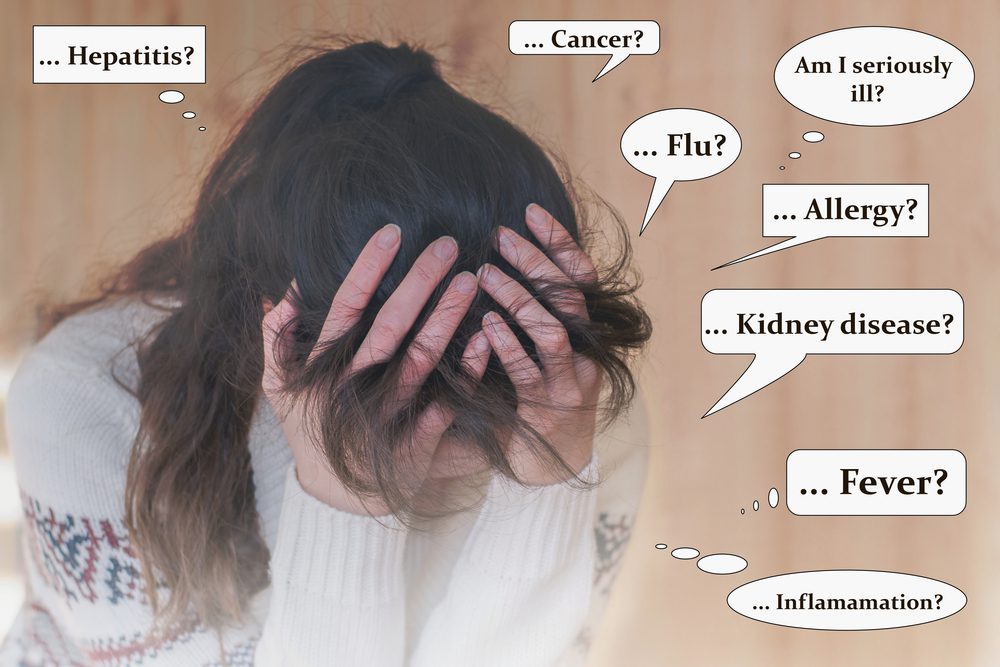
Woman sitting at kitchen table, stressed expression.

What Is a ‘Nervous Breakdown,’ Really?

Before we explore the signs, it’s important to understand what people mean when they use the term “nervous breakdown.” While you won’t find it in any official diagnostic manual, it has been used for decades to describe a point where a person can no longer function normally due to overwhelming stress or a `mental health crisis`.

Think of it like an electrical circuit. When too much power surges through the system, a fuse blows to prevent further damage. A nervous breakdown is like that blown fuse. It’s the mind and body’s way of saying, “I cannot take any more.” The stress has exceeded the person’s capacity to cope.

This state of being overwhelmed is often linked to underlying mental health conditions that a professional can diagnose and treat. These might include:

Major Depressive Disorder: A persistent state of sadness and loss of interest that affects how you feel, think, and behave and can lead to a variety of emotional and physical problems.

Anxiety Disorders: Conditions characterized by intense, excessive, and persistent worry and fear about everyday situations. Sometimes, this can culminate in panic attacks, which are sudden episodes of intense fear that trigger severe physical reactions when there is no real danger.

Acute Stress Disorder or Post-Traumatic Stress Disorder (PTSD): These can develop after experiencing or witnessing a terrifying event. The stress becomes so severe that it interferes with the ability to function.

The triggers for a mental health crisis are as unique as the individual. It could be a single traumatic event, like the death of a spouse, a job loss, or a scary medical diagnosis. More often, it’s the result of a slow, relentless accumulation of stress—a demanding job, chronic illness, financial worries, or long-term caregiving responsibilities leading to `burnout`.

The most important thing to remember is that this is a temporary state. It is not a sign of weakness or a personal failing. It is a human response to inhuman levels of pressure. With the right support and professional guidance, recovery is not just possible; it is expected.

Pages: 1 2 3 4 5 6 7 8 9

Share this article

Facebook Twitter Pinterest LinkedIn Email

Leave a Reply Cancel reply

Your email address will not be published. Required fields are marked *

Search

Latest Posts

  • An unposed photo of a man sitting at a kitchen table looking slightly guarded during a quiet, intimate conversation. 8 Body Language Clusters That Indicate Someone Is Holding Back the Truth
  • An ink and watercolor illustration of a morning coffee cup on a wooden table with a gentle ripple, symbolizing subtle early changes. 7 Subtle Signs of Parkinson's Disease in the Early Stages
  • An editorial illustration of a silhouette standing on a fractured path, with a hand gently unravelling a thread from its shoulder. 8 Hidden Signs of Emotional Manipulation in a Relationship
  • Gouache illustration of a couple walking hand-in-hand through a vibrant landscape of overlapping colorful plants and abstract shapes. The 5 Love Languages Revisited: What Really Keeps Couples Close
  • A watercolor illustration of two people on an uneven seesaw, symbolizing a lopsided, selfish relationship dynamic. 10 Signs Someone May Be More Selfish Than They Realize
  • An editorial ink and watercolor illustration of a lonely figure fading into soft gray washes, symbolizing emotional vulnerability. 10 Warning Signs You May Be in an Emotionally Abusive Relationship
  • A couple sits on opposite ends of a long sofa in a dimly lit living room, staring away from each other with a large physical gap between the 10 Signs You're No Longer Connected to Your Partner
  • Editorial ink and watercolor illustration of a person wearing a suit of mirrors as protective armor, symbolizing defensive ego preservation. 9 Signs You Struggle to Admit Mistakes
  • A conceptual mixed-media collage showing dark, chaotic textures emerging from a clean paper silhouette, symbolizing hidden guilt leaking out 7 Signs Someone May Feel Guilty About Something
  • An editorial illustration of a person sitting at a table with a root system growing from their chair into the floorboards. The Mental Symptoms Many People Ignore Until It's Too Late

Newsletter

Get the latest posts delivered to your inbox.

Related Articles

10 Times You Should NOT Forgive Anyone

Have you ever wondered if it’s okay not to forgive someone? Is it acceptable to…

Read More →

Misdiagnosed Mental Illnesses: 4 Shocking Ones Commonly Overlooked

Bipolar disorder Bipolar is one of the most commonly misdiagnosed mental illnesses in the United…

Read More →
cope with health anxiety

Hypochondria: 7 Tips on How to Cope With Health Anxiety

1. Be mindful of the present moment One of the first things you can do…

Read More →
ptsd

These 6 Conditions Are Related to PTSD

Anyone who has been through or witnessed a shocking event, such as a vehicle accident,…

Read More →
focus

Struggling to Focus? Here Are 5 Reasons Why

Unable to focus? Find out why! Not being able to focus on your tasks is…

Read More →
alzheimer's disease

12 Ways To Help Prevent Alzheimer’s disease (and Other Forms of Dementia)

There are currently 50 million people worldwide who struggle with dementia, and researchers project that…

Read More →
crying is good

10 Ways Crying Affects Your Mind and Body

When was the last time you cried? Crying is good because it helps us let…

Read More →
OCD

Could It Be OCD? These 9 Interesting Facts Will Surprise You

…Have you ever heard about obsessive-compulsive disorder, also simply known as OCD? You’ve surely met…

Read More →
brain

10 Strategies To Fight Brain Aging and Boost Your Cognitive Health

So you’ve noticed some changes in your memory and thinking. Perhaps you often misplace your…

Read More →

Psychology Diary

The First Step Toward Change Is Awareness

Inedit Agency S.R.L.
Bucharest, Romania

contact@psychologydiary.com

Explore

  • About Us
  • Advertiser Disclosure
  • Contact Us
  • Disclaimer
  • Do not sell my personal information
  • Editorial Policy
  • Frequently Asked Questions
  • Privacy Policy
  • Terms and Conditions
  • Subscribe
  • Unsubscribe

Categories

  • Expert Tips
  • Family
  • Life
  • Marriage
  • Mental Health

© 2026 Psychology Diary. All rights reserved.