Psychology Diary

The First Step Toward Change Is Awareness

  • Home
  • Relationships
  • Mental Health
  • Expert Tips
  • Life
  • Family
  • Marriage

The Science of Happiness: 7 Simple Habits to Boost Your Joy in Retirement

August 31, 2025 · Life

Woman relaxing on porch swing

Retirement. For decades, it may have seemed like a distant finish line. It’s a life stage often pictured with serene images of beach sunsets and leisurely hobbies. Yet for many, the transition can feel less like a gentle coast and more like an abrupt stop. The structure of work is gone, the children are grown and busy with their own families, and the question, “What now?” can echo louder than expected. You’ve worked hard your whole life, and you deserve for this chapter to be filled with contentment, connection, and genuine joy. The good news is that happiness isn’t just a matter of luck or circumstance; it’s a skill you can cultivate. It’s a set of simple, consistent habits that can reshape your daily experience and deepen your sense of well-being.

Drawing from the field of positive psychology—the scientific study of what helps people thrive—we can move beyond myths and wishful thinking. Research gives us a clear roadmap for what truly contributes to a happy life, especially during a time of significant change like retirement. It’s not about grand, expensive gestures. It’s about small, intentional actions woven into the fabric of your days. This article will guide you through seven evidence-based habits. They are designed to be practical, flexible, and respectful of your unique family dynamics. Think of this not as another to-do list, but as a menu of options to help you build a retirement lifestyle that is not just free from work, but full of life.

Pages: 1 2 3 4 5 6 7 8 9 10 11 12

Share this article

Facebook Twitter Pinterest LinkedIn Email

One response to “The Science of Happiness: 7 Simple Habits to Boost Your Joy in Retirement”

  1. Cheryl Zaouk says:
    February 17, 2026 at 10:18 am

    Good 👍 advice

    Reply

Leave a Reply Cancel reply

Your email address will not be published. Required fields are marked *

Search

Latest Posts

  • An unposed photo of a man sitting at a kitchen table looking slightly guarded during a quiet, intimate conversation. 8 Body Language Clusters That Indicate Someone Is Holding Back the Truth
  • An ink and watercolor illustration of a morning coffee cup on a wooden table with a gentle ripple, symbolizing subtle early changes. 7 Subtle Signs of Parkinson's Disease in the Early Stages
  • An editorial illustration of a silhouette standing on a fractured path, with a hand gently unravelling a thread from its shoulder. 8 Hidden Signs of Emotional Manipulation in a Relationship
  • Gouache illustration of a couple walking hand-in-hand through a vibrant landscape of overlapping colorful plants and abstract shapes. The 5 Love Languages Revisited: What Really Keeps Couples Close
  • A watercolor illustration of two people on an uneven seesaw, symbolizing a lopsided, selfish relationship dynamic. 10 Signs Someone May Be More Selfish Than They Realize
  • An editorial ink and watercolor illustration of a lonely figure fading into soft gray washes, symbolizing emotional vulnerability. 10 Warning Signs You May Be in an Emotionally Abusive Relationship
  • A couple sits on opposite ends of a long sofa in a dimly lit living room, staring away from each other with a large physical gap between the 10 Signs You're No Longer Connected to Your Partner
  • Editorial ink and watercolor illustration of a person wearing a suit of mirrors as protective armor, symbolizing defensive ego preservation. 9 Signs You Struggle to Admit Mistakes
  • A conceptual mixed-media collage showing dark, chaotic textures emerging from a clean paper silhouette, symbolizing hidden guilt leaking out 7 Signs Someone May Feel Guilty About Something
  • An editorial illustration of a person sitting at a table with a root system growing from their chair into the floorboards. The Mental Symptoms Many People Ignore Until It's Too Late

Newsletter

Get the latest posts delivered to your inbox.

Related Articles

25 Questions Everyone Should Be Able to Answer About Their Partner

Falling in love is a wonderful feeling, and most newly-couples spend the beginning of the…

Read More →
emotionally intelligent people

8 Things Emotionally Intelligent People NEVER Do

We’ve all heard how a high IQ can help you traverse adversity and excel in…

Read More →
Woman looking at family photo in bedroom.

Empty Nest Syndrome: A Psychologist’s Guide to Thriving in a New Life Chapter

The day you’ve been preparing for since your child took their first step has finally…

Read More →
toxic self relationship and self love, taking to a narcissist, midlife crisis

Midlife Crisis: 6 Ways Women Can Embrace Change and Thrive

Are you a woman going through a midlife crisis? Then this article is for you!…

Read More →

8 Ways to Attract New People, According to Experts

Meeting new people used to be very simple when you were a child. You just…

Read More →
no

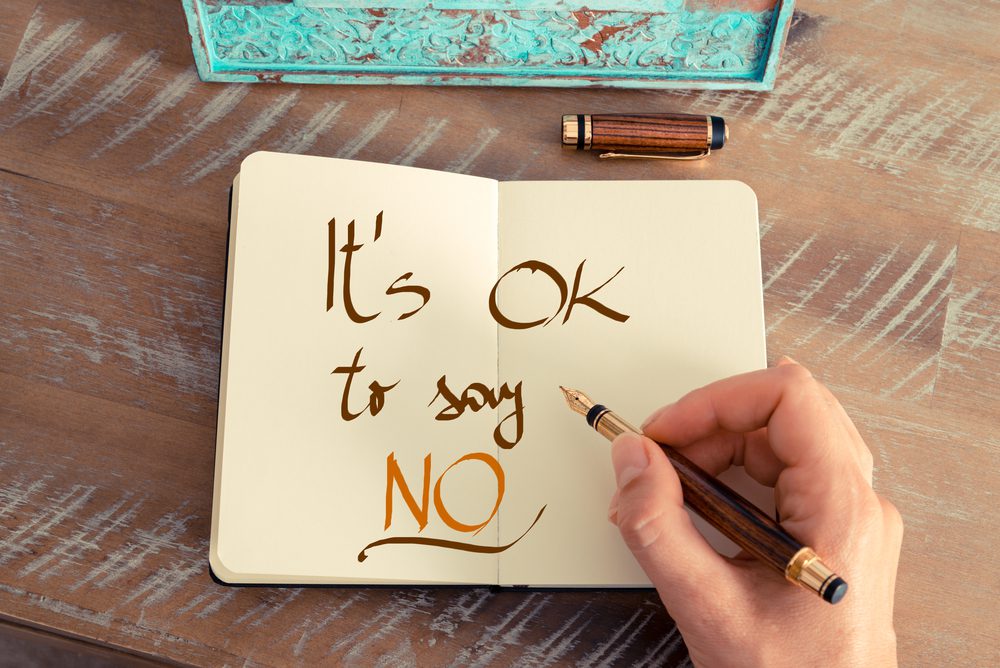
8 Times You Should Say ‘NO’ for a Better Life

“Why does it seem so hard to say “NO”? ”  If you are a naturally…

Read More →

These 5 Money Issues Can Bring Trouble In ANY Relationship

How often are you and your partner confronted with money issues? Whether we want to…

Read More →

10 Signs You Ought to Say “Yes” to a Second Date

First dates can be very stressful, as you have no idea if you’re going to…

Read More →
Freudian slip psychopaths

4 Ways You Unconciously Lived Your Life (Freudian Slips)

What is a Freudian slip? It is a verbal or memory mistake deeply related to…

Read More →

Psychology Diary

The First Step Toward Change Is Awareness

Inedit Agency S.R.L.
Bucharest, Romania

contact@psychologydiary.com

Explore

  • About Us
  • Advertiser Disclosure
  • Contact Us
  • Disclaimer
  • Do not sell my personal information
  • Editorial Policy
  • Frequently Asked Questions
  • Privacy Policy
  • Terms and Conditions
  • Subscribe
  • Unsubscribe

Categories

  • Expert Tips
  • Family
  • Life
  • Marriage
  • Mental Health

© 2026 Psychology Diary. All rights reserved.